Best Chainsaw Under 200 (2026 Buying Guide)
Disclosure: We may earn a commission when you buy through links on this page, at no extra cost to you. As an Amazon Associate I earn from qualifying purchases. Learn more
Gas, cordless or corded? A homeowner guide to the best chainsaw under 200, with bar length, safety and upkeep advice.
A storm drops a limb across your fence, your firewood pile needs cutting, and a rental saw would cost almost as much as owning one. That is the moment most homeowners start looking for the best chainsaw under 200 dollars, and it is also where confusion starts. Bar length, power source, and safety gear matter far more than a long feature list at this price.
This guide compares the main types you can realistically buy at this budget, what each one cuts well, and what each one gives up. Use the comparison table below to match a type to your yard, then read the buying sections before you spend anything.

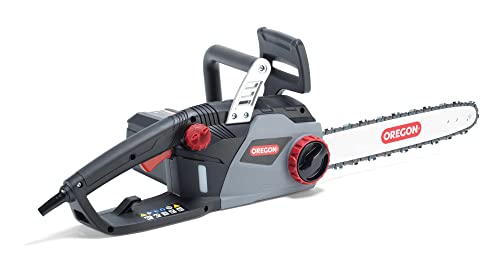


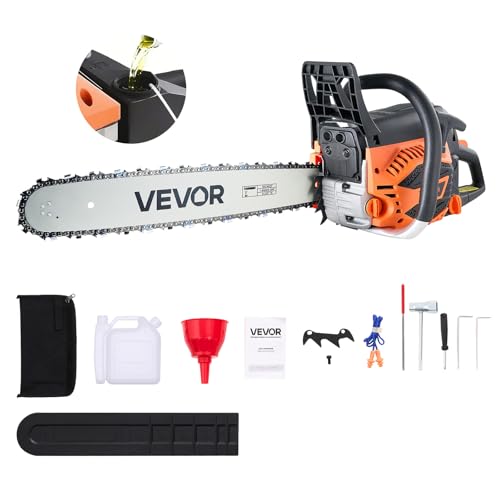

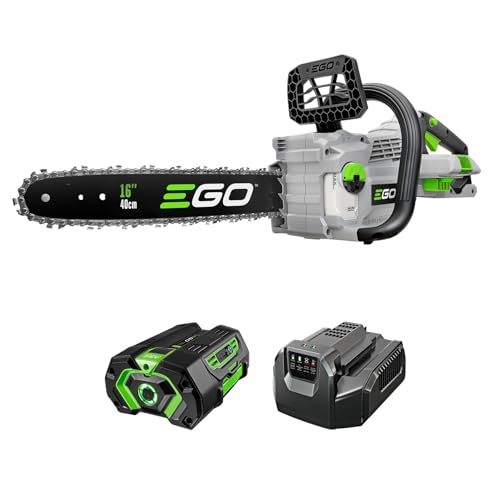
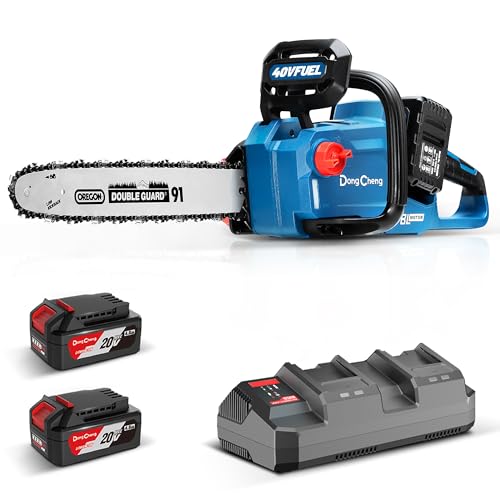
Types at a Glance Under This Budget
At about $200 or less, your real choice is not a brand. It is a power source and a bar size. Gas saws in this range tend to be smaller homeowner models. Cordless saws often sell the tool on its own, so a battery and charger can push the total higher.
- Gas, rear handle: strongest option here for firewood and storm cleanup away from the house.
- Cordless battery: quietest start and stop work for pruning and light cutting near home.
- Corded electric: lowest cost and lightest upkeep for small logs close to an outlet.
Three Chainsaw Types Worth Comparing
Gas Saws for Firewood and Storm Cleanup
A gas saw suits you if you cut firewood each fall, clear fallen limbs after storms, or work far from an outlet. It refuels in minutes and holds power through hardwood, which is why many readers comparing a best chainsaw for rural property start here. The trade off is upkeep. You mix fuel, clean an air filter, and store the saw with care so it starts next season.
Cordless Saws for Quiet, Quick Jobs
A cordless saw suits pruning, limbing, and cutting small logs near the house, where you work in short bursts and want to stop the chain the moment you release the trigger. There is no fuel to mix and no cord to manage. Our guide to the best battery chainsaw explains battery platforms in more depth. The trade off is runtime, because a single pack may not finish a large pile of firewood in one session.
Corded Electric and Compact Saws for Small Yards
A corded saw suits small yards where every cut happens within reach of an outdoor outlet. It starts on demand, needs little upkeep beyond bar oil and chain tension, and usually costs well under this budget. Compact models suit raised beds, small orchards, and tight spaces, and the best mini chainsaw guide covers those smaller tools. The trade off is reach, since a cord limits range and can snag on brush and log piles.
How to Evaluate Chainsaws at This Price
Judge each saw on five things: the materials in the bar, housing, and chain; protection from rain and dust during outdoor work; bar length and cutting capacity; how much assembly the saw needs out of the box; and the warranty terms in plain writing. Buyer reports about starting, stalling, and oil leaks tell you more than a peak power number on its own.
How to Choose the Right Chainsaw
The sections below walk through each decision in order.
Size and Form Factor
Bar length sets the largest log you should cut in a single pass. A 12 to 14 inch bar handles pruning and small firewood for most yards. A 16 inch bar covers storm limbs and medium logs, while an 18 inch bar suits larger firewood but adds weight you feel on every cut. Mini saws with bars under 8 inches are pruning tools only. Never plan to cut wood much wider than the bar, because forcing a small saw through a big log strains the motor or engine and dulls the chain fast.
Type and Power Source
Gas gives you freedom of range and steady power, at the cost of noise, fumes, and fuel upkeep. Battery power gives you instant starts and low upkeep, at the cost of runtime and the price of extra packs. Corded electric gives you steady power for as long as you stay plugged in, at the cost of cord management. Pole saws reach high limbs from the ground, and top handle saws are built for trained arborists working in trees, so homeowners should choose a rear handle model for ground work.
Features Worth Paying For
Three extras earn their cost at this budget. A battery and charger included in the box matters for cordless saws, because a bare tool price can look low until you add a pack. An automatic oiler keeps bar oil flowing to the chain while you cut, which cuts friction and wear. A carrying case protects the bar and chain in storage and keeps oil residue off your garage floor. Skip decorative extras and put the money toward a spare chain and safety gear instead.
Weather Resistant Materials
Look for a magnesium or sturdy polymer housing, a coated steel bar, and seals that keep rain and sawdust away from switches and vents. No homeowner saw should be used in standing water or heavy rain, and electric models must stay dry at the plug and motor. After wet work, dry the bar, wipe the chain, and store the saw indoors. A saw that lives in a damp shed rusts at the chain and guide bar long before the engine or motor wears out.
Size for Your Space
Match the saw to the wood you actually cut, not the largest tree on your land. If your work is orchard pruning and garden cleanup, a compact 12 or 14 inch bar is easier to control and store. If you heat with wood or clear storm damage on a larger lot, a 16 inch bar earns its weight. Readers weighing a best chainsaw for homeowners often find that the smaller saw gets used more, simply because it is lighter to carry and quicker to set up.
Assembly and Safe Setup
Most saws in this range ship with the bar and chain separate, so plan on fitting the bar, seating the chain in the right direction, and setting tension before first use. A correct chain sags very slightly and still pulls around the bar by hand while you wear gloves. Fit the scabbard when you finish. Before any cut, put on eye and hearing protection, gloves, and leg protection made for chainsaw use, and clear your footing so you can step back on a clear path.
Care and Off Season Storage
After each session, brush sawdust from the bar groove, check chain tension, and top up the bar oil tank. Sharpen the chain when it throws fine dust instead of chips, or swap to a sharp spare and sharpen later. For storage, drain fuel from a gas saw or store it per the manual, remove a battery pack and keep it indoors, and oil the chain lightly to slow rust. The full routine in how to clean a chainsaw walks through each step in order.
How Much Should You Spend?
Under about $50 buys a mini pruning saw only, not a true firewood tool. About $50 to $100 covers basic corded models and small cordless pruning saws. About $100 to $200 is the sweet spot in this guide, where 14 and 16 inch homeowner saws appear. About $200 to $300 adds stronger gas engines and larger battery packs, and about $300 to $500 moves into heavy duty homeowner and light professional ground. Always leave room in your budget for chaps, eye protection, oil, and a spare chain.
What You Get, and Give Up, Under $200
Under this budget you get a saw that can limb trees, cut firewood from small and medium logs, and clean up after most storms without a rental trip. You give up the power to fell large hardwood all day, the fastest chain speeds, and the longest bars. You also give up some durability, because housings, oilers, and starter parts at this price are built for weekend use rather than daily work.
That trade still favors most homeowners. A saw used ten weekends a year does not need professional grade parts, and the money saved can buy safety gear that matters more than extra power. If you fell large trees often, save longer and buy above this tier.
Safety does not scale down with price. Kickback can happen on any saw when the bar tip strikes wood or pinches, and it throws the bar up and back fast. Keep the chain brake working, cut with the lower part of the bar, and never cut above shoulder height. Stop and get professional help for leaning trees, hung up limbs, or any tree near a power line, because those jobs carry risks no budget saw can offset.
FAQs
What is the best chainsaw under $200 for most homeowners?
For most homeowners, a 14 or 16 inch rear handle saw in this price range is the most useful choice, because it covers pruning, storm limbs, and small firewood without excess weight. Pick gas if you work far from the house, battery if your jobs are short and near home, and corded if you want the lowest upkeep. The best chainsaw under 200 dollars for you is the one whose power source matches where and how long you cut.
Can you get a good chainsaw for under $200?
Yes, as long as your expectations fit weekend homeowner work. Saws at this price cut small and medium wood reliably when the chain stays sharp and the bar oil tank stays full. What you do not get is all day cutting power or professional duty parts. Buyers who accept those limits, keep up with chain care, and choose a bar length that suits their logs usually report good value from this tier.
How long does a chainsaw under $200 last?
With regular care, a homeowner saw in this range can serve for many seasons of light and moderate use. Life span depends less on the purchase price than on chain care, clean air filters on gas models, correct fuel mix, and dry indoor storage. A saw stored wet with a dull chain can fail early, while a modest saw that is cleaned, oiled, and stored with care often outlasts a neglected saw that cost more.
Is a chainsaw under $200 worth it for a small yard?
It can be, if you prune trees each year, cut your own firewood, or face regular storm cleanup. Renting for a single small job may cost less than buying, and a handsaw can handle a few thin branches with no upkeep at all. Count how often you would reach for the saw in a normal year. If the honest answer is once or twice for tiny jobs, borrowing or renting is the smarter spend.
How do you clean a chainsaw after cutting wet wood?
Wet wood leaves sticky residue and moisture that dry cutting does not, so clean the saw the same day. Remove the bar cover, brush packed sawdust from the groove and oil ports, and dry the chain before a light coat of oil. Check the air filter on a gas saw, since damp dust clogs it faster. Never use water on an electric motor or battery contacts. Dry storage matters more after wet work than after any other job.
What size chainsaw bar do most homeowners under $200 actually need?
Most homeowners need a 14 or 16 inch bar, because it covers the limbs and logs they meet without the weight and kickback risk of a longer bar. A longer bar does not make a small engine or motor stronger, and it can make the saw feel nose heavy and tiring. Measure the logs you cut most often, then choose a bar a few inches longer than that width. That simple check prevents the most common sizing mistake at this budget.
Final Thoughts
Start with your wood, not with a sale price. Match bar length to your logs, pick the power source that fits where you work, and reserve part of your budget for safety gear and a spare chain. The product table above pulls the types side by side so you can compare capacity and upkeep at a glance.
Chosen well, the best chainsaw under 200 dollars will handle years of pruning, firewood, and storm cleanup. For broader comparisons, our chainsaw buying guide covers sizing and safety in full.