
Best Chainsaws for Cutting Trees in 2026: Types Compared and Buying Guide
Disclosure: We may earn a commission when you buy through links on this page, at no extra cost to you. As an Amazon Associate I earn from qualifying purchases. Learn more

Choose the best chainsaw for cutting trees by matching bar length and power to your trunks. Compare gas, battery and corded saws, safety and price.
A saw that handles branches with ease can still struggle badly on a thick trunk. Tree work asks a lot of a chainsaw, because felling a standing tree, removing its branches, and cutting the trunk into logs are three different jobs with different demands on bar length, power, and weight. Choosing the best chainsaw for cutting trees starts with the trees on your land, their size, their wood type, and how often you cut.
This guide compares the three main chainsaw types by the factors that decide tree work, including bar length, power source, safety features, build materials, and setup. Use the product table below to see how the types differ, then read on for the sizing and safety details.


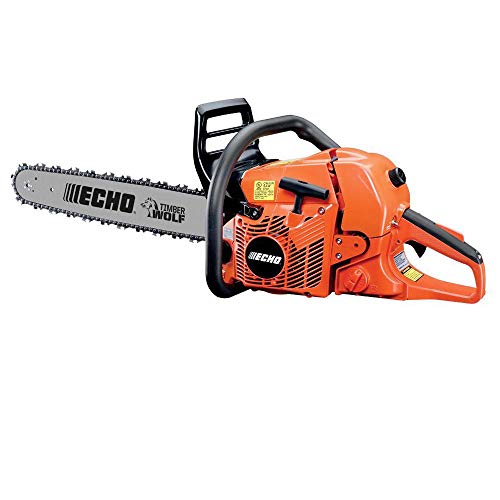
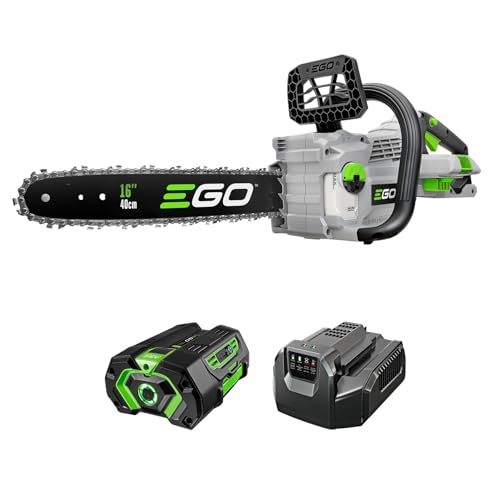
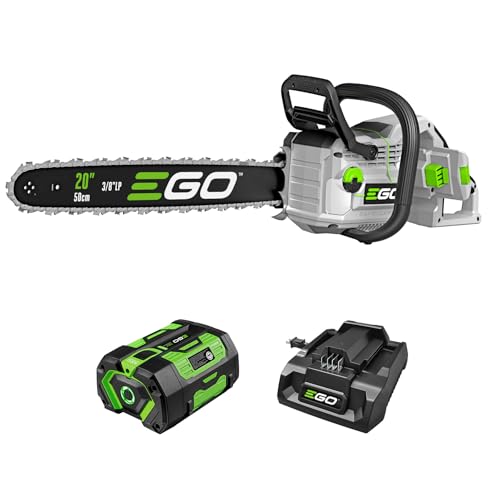

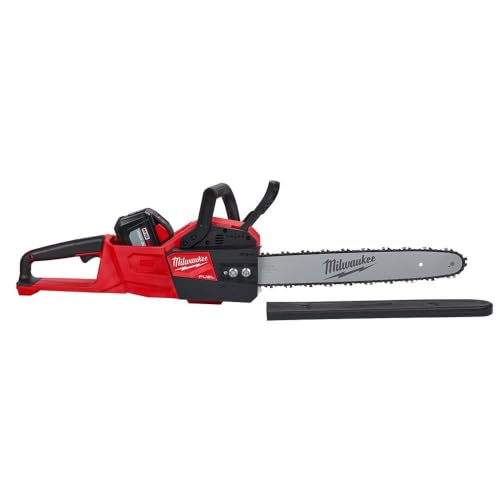


Chainsaw Types at a Glance
Every chainsaw for tree work falls into one of three power groups, and each suits a different scale of cutting. Gas delivers the most sustained power for large trunks. Battery trades some stamina for quiet running and simple starting. Corded electric costs the least and suits light cutting near an outlet, but the cord limits your range.
- Gas: strongest for felling and bucking larger trees.
- Battery: quiet and easy to start, best for small to medium trees.
- Corded electric: steady power for light work close to the house.
Three Chainsaw Types Compared for Cutting Trees
Gas Chainsaws for Larger Trees
Gas chainsaws use a two stroke engine, usually rated in cubic centimeters, and remain the default choice when trunks get thick or the wood is dense. A model in the 40 to 50 cubic centimeter range with an 18 to 20 inch bar handles most farm and woodlot cutting, including felling medium trees and bucking them into firewood. The trade offs are noise, exhaust, engine upkeep, and extra weight that tires your arms sooner.
Battery Chainsaws for Quiet and Simple Use
Battery chainsaws start with a trigger pull, run far more quietly than gas, and need no fuel mixing or engine servicing. Modern high voltage platforms drive 16 to 18 inch bars and cut small to medium trees credibly, covering storm cleanup and routine property work. Runtime is the limit, since a large trunk drains a pack quickly, so a second battery matters for bigger jobs. Our guide to the best battery chainsaw explains pack sizes and platform choices.
Corded Electric Chainsaws for Light Work Near an Outlet
Corded electric chainsaws plug into household power and deliver steady torque with no charging or refueling. They are light, inexpensive, and easy to store, which suits cutting up fallen limbs, trimming small trees, and slicing logs near the house. Their reach ends at the length of a suitable outdoor extension cord, which must stay clear of the cutting path. For any trunk of real size, this type runs out of reach and power.
How to Choose the Right Chainsaw for Cutting Trees
Size and Form Factor
Bar length is the most useful sizing number, since it sets the thickest wood you can cut in one pass. Bars of 12 to 14 inches suit pruning and small trees. A 16 to 18 inch bar is the versatile middle ground for most properties, while 20 to 24 inch bars serve large trunks and firewood cutting. Rear handle saws give two handed control for ground work. Compact options help with limbing, and our guide to the best mini chainsaw covers those tools.
Power Matched to Your Wood
Power only matters relative to the wood in front of you. Softwoods such as pine and cedar cut easily and forgive a modest engine or motor, while oak, hickory, and other dense hardwoods slow a weak saw, overheat the chain, and tempt you to force the cut. On gas models, cubic centimeters signal power. On battery models, platform voltage and pack capacity do. Match the saw to the hardest wood you cut regularly, with some reserve for knots.
Features Worth Paying For
A few features earn their cost on tree work. An automatic oiler keeps the bar and chain lubricated as you cut, and an adjustable one lets you match oil flow to bar length and wood type. A chain brake is core safety equipment, not an upgrade. Tool free chain tensioning speeds up field adjustments, while a spring assisted starter reduces pull effort on gas models. Anti vibration handle mounts reduce fatigue during long bucking sessions.
Materials and Weather Resistance
Tree saws work in rain, sap, sawdust, and cold, so build materials decide how long one stays sound. Look for a steel guide bar with a replaceable nose sprocket, a quality chain with hardened cutters, and a metal crankcase on gas models. Battery models should seal their electronics against dust and light moisture. No chainsaw is built to sit out in the weather, though. Wipe the saw down after wet work, and store it under cover so the bar and chain stay free of rust.
Size for Your Space and Strength
Consider where the saw lives and who lifts it. A long bar saw takes real storage room in a small shed and feels clumsy in tight brush, while a compact saw stores on a shelf and moves easily between trees. Weight matters too, because a saw that feels fine at the first cut can feel punishing after an hour of bucking. For storm cleanup and firewood work, our guide to the best chainsaw for homeowners covers the lighter end of the range.
Assembly and Setup
Most chainsaws ship with the bar and chain packed separately, so your first job is fitting them correctly. Seat the chain in the bar groove with the cutters facing forward on top, mount the bar, and set tension so the chain lifts slightly off the bar yet still pulls around by hand with a gloved grip. Fill the oil reservoir before the first start, and check the chain brake before cutting. Rushing this setup leads to thrown chains and fast wear.
How Much Should You Spend?
Expect to pay under $100 only for light corded or very small saws that suit branches and small logs. About $100 to $250 buys capable battery and entry gas models for small to medium trees. About $250 to $500 covers stronger gas saws and premium battery kits for regular firewood work. Above $500 you are paying for professional grade power, durability, and dealer support. Budget as well for chaps, a helmet, gloves, and spare chains, since the saw alone is not the full cost.
What Matters Most in a Chainsaw for Cutting Trees
Cutting trees is broader than trimming shrubs or slicing a few logs, and it covers three tasks. Felling brings a standing tree down in a planned direction and demands control, power, and a clear escape path. Limbing strips branches from the fallen trunk, with the saw working close to your body at awkward angles. Bucking cuts the trunk into sections, steady work where chain sharpness and stamina count most.
A saw chosen only for bucking firewood may feel underpowered and short barred on a standing tree of the same diameter. Felling any tree that could reach a house, a road, or a power line belongs with a professional tree service, no matter which saw you own. Leaning trees, dead trees with brittle tops, and trees tangled in other canopies are also professional work, since their fall direction is hard to predict.
Common Mistakes to Avoid
- Buying a bar that is too short for your trunks: a short bar forces awkward double sided cuts and raises the chance of the saw binding in the kerf.
- Cutting with a dull chain: a dull chain makes you push harder for slower progress, which wears the bar and tires you into sloppy technique.
- Skipping protective gear: working without chaps, eye protection, and a helmet leaves your legs and head exposed to common chainsaw injuries.
- Felling toward a structure to save a walk: choosing a fall direction for convenience rather than lean and clearance can put a tree through a roof.
- Running low bar oil: a starved bar overheats, stretches the chain, and can ruin both bar and chain in one long session.
- Storing the saw with old fuel inside: stale fuel gums the carburetor on gas models and turns the next start into a repair.
How to Make Your Chainsaw Last Longer
Chain care drives most of a chainsaw service life. Sharpen the cutters when the saw starts throwing fine dust instead of coarse chips, keep the depth gauges filed to the maker specification, and rotate the guide bar at intervals so both edges wear evenly. Check tension before every session, since a loose chain can jump the bar.
After each use, brush sawdust and sap from the bar groove, the clutch cover, and the cooling fins, and confirm the oiler ports are clear. Our guide on how to clean a chainsaw walks through that routine in full. For storage, empty the fuel tank on gas models or run the carburetor dry, remove and charge the battery on cordless models, and oil the chain lightly.
FAQs
What is the best chainsaw for cutting trees?
For most property owners, the best chainsaw for cutting trees is a mid size model with a 16 to 18 inch bar and enough power for the hardest wood on their land. Gas suits large trees and long sessions, while battery suits smaller trees and shorter jobs. Measure your biggest typical tree first, and size the bar and power to that number.
What should I look for in a chainsaw for cutting trees?
Start with bar length, power, and a working chain brake, then check the details owners often miss. Note how the saw balances with a full fuel tank or a fitted battery, since showroom weight excludes both. Confirm that replacement bars, chains, and sprockets for your model are easy to order, or the saw becomes a burden once the first chain wears out.
How long does a chainsaw last?
A homeowner grade saw that is cleaned, sharpened, and stored dry often serves for many seasons of occasional cutting, while neglected saws can fail within a couple of years. Bars and chains are wear parts and need replacement well before the engine or motor wears out. Logging your cutting hours in a notebook makes filter and plug changes easier to time.
Is a chainsaw worth it?
It is worth it when tree work recurs on your land, such as annual firewood cutting, storm cleanup, or clearing fence lines, since hiring that work out repeatedly costs more than owning a saw. It is harder to justify for a single small tree, where a rental or a tree service removes the purchase cost and storage burden. Borrowed saws are a poor middle ground, since their sharpness and maintenance history are unknown.
How do you clean a chainsaw?
With the saw off and cool, remove the bar and chain, clear packed debris from the cover and bar groove, and wipe the body with a brush or cloth. One point worth adding is sap. Pine and fir sap hardens on the bar and chain and resists dry brushing, so a maker approved resin solvent on a cloth helps before it builds up. Let every part dry fully before reassembly.
What is the most reliable chainsaw brand?
Reliability in practice owes as much to parts access and local servicing as to the badge on the housing. A brand with a dealer near you, ready stocks of bars and chains, and a clear warranty process will feel more reliable over years than a stronger saw you cannot get serviced. If you are weighing the two best known names, our stihl vs husqvarna chainsaw comparison lays out their ranges side by side.
Final Thoughts
Tree work rewards a saw that is sized honestly, kept sharp, and matched to your wood. Gas, battery, and corded models each earn their place at a different scale, and the product table above shows how they line up. For a broader view, start with our guide to the best chainsaw. Choose the best chainsaw for cutting trees for your land, wear the protective gear every time, and leave risky trees to a professional crew.