
Best Ceramic Paring Knives (2026): Buying Guide
Disclosure: We may earn a commission when you buy through links on this page, at no extra cost to you. As an Amazon Associate I earn from qualifying purchases. Learn more

Choose the best ceramic paring knife for fruit and vegetable prep: compare blade sizes, handles, sheaths, care and budget, plus the limits of ceramic.
Picture a weekday morning in a busy kitchen. You are hulling strawberries for lunch boxes, peeling an apple, and trimming the tops off carrots, all on a counter that is already crowded. A small, sharp blade within reach makes those jobs quick and calm. That is where the best ceramic paring knife earns its drawer space, and the product table helps you compare current knives.
This guide is written for real homes rather than professional kitchens. It helps you choose by the space you have, the number of people who cook, and your budget. You will find sizes, blade shapes, care needs, and the honest limits of ceramic, so the knife you buy fits your daily routine.
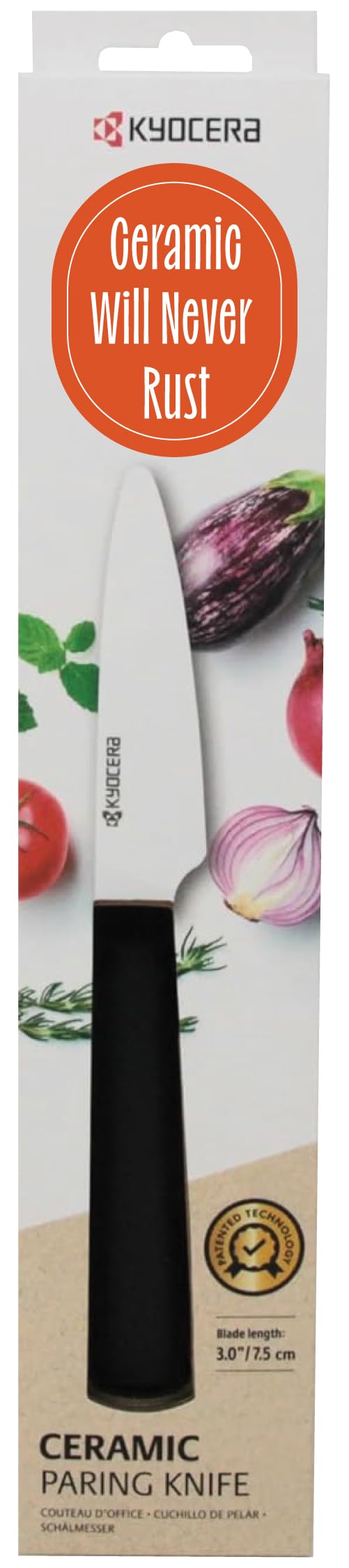
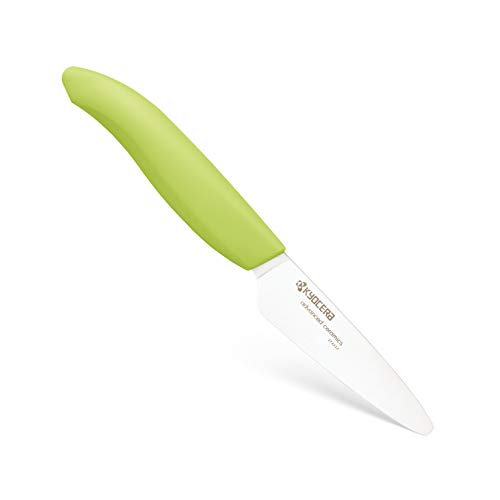

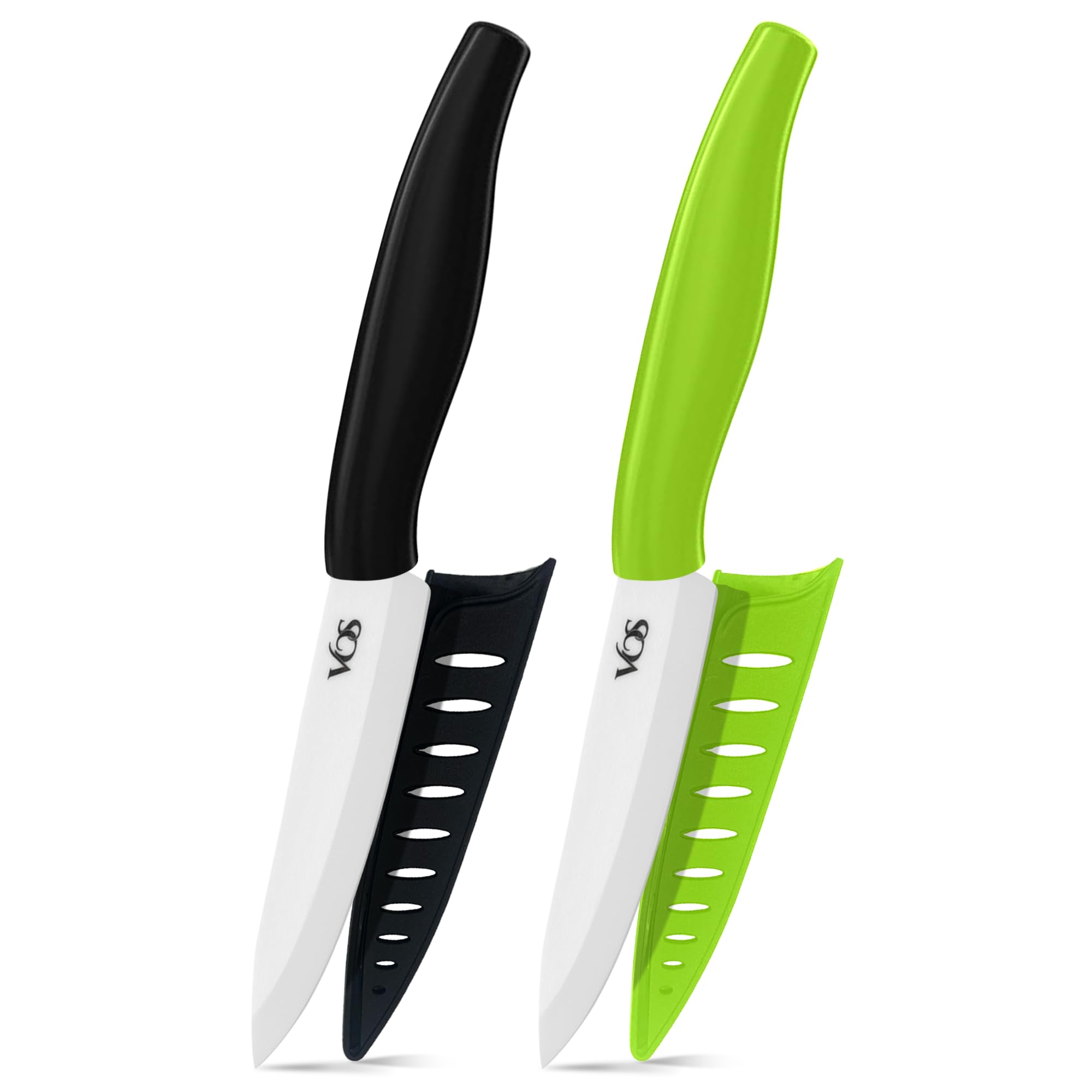
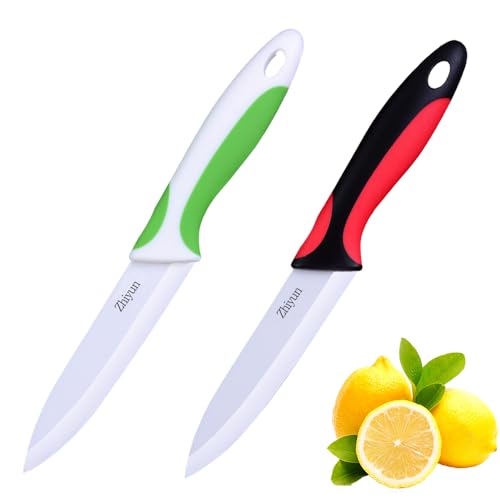


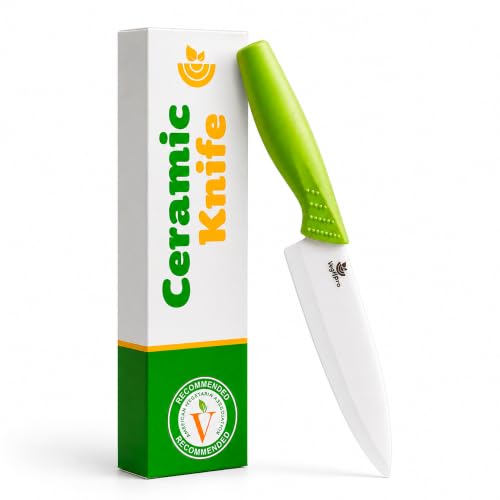


Quick Answer: Ceramic Paring Knives at a Glance
Ceramic paring knives fall into three broad groups. Compact models suit small kitchens and one cook who mostly preps fruit. Mid size models suit most families and cover the widest range of daily tasks. Thicker premium models suit homes that cook often and want a blade that feels more solid. All three share the same strengths, a very sharp edge and light weight, and the same limit, a blade that can chip if you twist it or drop it.
- Compact: about 3 inches, best for tight storage and quick fruit work.
- Everyday: about 3.5 inches, the most versatile size for most homes.
- Premium: about 4 inches, with a thicker spine and a shaped handle.
Before You Buy: A Quick Checklist for Choosing a Paring Knife
Work through these six points before you look at prices. They matter more than brand names.
Size: Match It to Your Space
Blade length drives both control and storage. A 3 inch blade feels nimble for work in the hand, such as coring strawberries or peeling garlic, and it fits a small drawer with ease. A 3.5 inch blade adds reach for halving lemons and trimming fat on a board. A 4 inch blade suits larger hands, but it needs more drawer room. If compact storage is your main concern, our guide to the best 3 inch paring knife compares that size in depth.
Which Type Fits Your Routine
Match the blade style to the food you prep most. A straight edge ceramic blade glides through apples, pears, and cheese, and it is the natural choice for clean slices. A curved bird beak shape pulls through the skin of peaches and plums, though it takes practice. For tomatoes and citrus with firm skin, many cooks keep a best serrated paring knife in steel beside the ceramic one, since teeth grip the skin where a smooth edge can skate.
Ceramic Material and Hardness
Ceramic paring blades are made from zirconium dioxide, a material that scores higher than steel on the Mohs hardness scale. That hardness is why a ceramic edge stays sharp through months of fruit and vegetable prep without frequent sharpening. The trade off is flex. A ceramic blade has almost no bend, so it can chip or snap if you pry a pit loose, cut into bone, or strike a frozen item. Treat hardness as a promise about edge life, not about toughness.
Blade Shape and Cutting Angle
Most ceramic paring knives follow the thin, light geometry linked with Japanese blades rather than the thicker, heavier German style. A thin blade passes through an onion or a ripe pear with little wedging, and a narrow edge angle gives clean cuts. Homes that prefer that thin profile often compare steel options too, and our guide to the best japanese paring knife explains the style in more detail. Look for an even grind on both sides and a tip that tapers smoothly, since a thin tip is the part most prone to tiny chips.
Handle, Bolster and Balance
A ceramic blade is so light that the handle decides how the knife feels. A handle with soft curves and a matte finish stays secure when your hands are wet from rinsing produce. Most ceramic paring knives skip the metal bolster found on steel knives, which keeps weight low but means your fingers sit closer to the edge, so a small guard adds safety. The balance point should sit near the front of the handle.
Realistic Budget Ranges
Prices for ceramic paring knives stay modest. Models under $10 usually give you a plain handle and a basic sheath, and they work well as a first ceramic knife or a spare. The range of about $10 to $20 brings better handles, a closer fit in the sheath, and more consistent edges. Models at about $20 to $50 add thicker blades, refined shaping, and stronger warranty support. Spending more does not make ceramic tougher, so pay for comfort and finish.
Types Compared: How Ceramic Paring Knives Differ
Since the material stays the same across price points, the real differences are size, finish, and the extras in the box.
Compact Sheathed Knives for Small Kitchens
This type pairs a blade of about 3 inches with a fitted sheath, and it suits apartments, dorm rooms, and any kitchen where drawer space is shared. The sheath matters more than the brand here, because a covered edge will not nick other tools or your fingers. Weight is minimal, so the knife is easy to grab for one apple or a handful of strawberries. The limit is reach, so this type works best as a dedicated fruit and garnish knife.
Everyday Straight Edge Knives for Fruit and Prep
The everyday type is the one most families use daily. A blade of about 3.5 inches handles peeling, coring, segmenting citrus, and trimming vegetables on a small board. The straight edge gives you the most control for work in the hand. If you are still building basic technique, our guide on how to use a paring knife walks through grip and motion in plain steps. Choose this type when one knife must serve one or two cooks across breakfast, lunches, and dinner prep.
Thicker Premium Knives for Frequent Use
Premium ceramic paring knives use a thicker blade blank and a handle shaped with more care, often with a slight palm swell and a textured finish. The extra thickness does not turn ceramic into a tough material, but it calms the slight flex you can feel in thin blades during longer sessions. These knives suit homes that prep produce in volume, such as weekly salad boxes or fruit for several kids.
How to Judge a Ceramic Paring Knife
Judge ceramic paring knives on five points: edge retention, balance and feel in the hand, sharpness as sold, upkeep needs, and value for the price. The best sources are maker specifications, care documents from manufacturers, and patterns in verified buyer reviews, including owner reports about chips, sheaths, and handle comfort.
Strengths and Limits of Ceramic vs Other Paring Knives
Ceramic wins on edge life and weight. A good ceramic edge can glide through tomatoes and onions for months with no work from you, and the blade will not react with acidic foods, so cut fruit keeps a clean taste. Ceramic also rinses clean and resists stains from foods like turmeric or beets.
Steel wins on toughness and range. A steel paring knife can flex a little, shrug off a drop onto a board, and handle jobs near bone or in frozen food that would put a ceramic edge at risk. Steel also sharpens on tools most homes already own. Many households land on a simple split: ceramic for produce, steel for everything else. That pairing costs little and covers nearly every small task.
Common Buying Mistakes to Avoid
- Using ceramic on hard foods: cutting into bone, frozen fruit, or hard squash can chip the edge in a single stroke.
- Skipping the sheath: a bare ceramic blade stored loose in a drawer chips against other tools and is a cut risk for your hand.
- Twisting to pry: levering a pit or a lid sideways puts bending force on a blade that has almost no flex.
- Buying the longest blade for a small kitchen: extra length adds storage bulk and reduces control.
- Expecting home sharpening to be simple: ceramic needs diamond abrasives or maker service.
Cost of Ownership and Care
Owning a ceramic paring knife costs little beyond the purchase. There is no oil, no honing routine, and no rust care. Your main costs are a replacement sheath if the first one cracks, and sharpening when the edge finally dulls, which for produce use can be a year or more. Wash the knife by hand and dry it at once, since a dishwasher rack lets the edge knock against hard items. Store it in its sheath or on a magnetic strip with space around it. If the edge dulls, our guide on how to sharpen a paring knife explains your options, and for ceramic that usually means a diamond sharpener used with light pressure or a service offered by the maker.
Your Questions, Answered
What is the most reliable paring knife brand?
Reliability in ceramic has less to do with a famous name and more to do with consistency. Look for a maker that states the blade material plainly, includes a fitted sheath, and offers a clear policy on chips and sharpening. Reviews that mention the same knife holding its edge after a year of home use say more than launch praise. A brand that sells replacement sheaths is also a good sign for long ownership.
How do you clean a paring knife?
Wash a ceramic paring knife by hand right after use, with warm water, a soft sponge, and a drop of dish soap. Foods with strong color, such as beets, can tint the white blade if they sit on it, and a paste of baking soda and water lifts most of that tint. Dry the blade before you slide it into the sheath. Skip the dishwasher, where the edge can strike racks and other tools and pick up small chips.
Is a paring knife worth it?
Yes, if you prep produce more than a few times a week. A paring knife gives you control that a large chef knife cannot match for coring, peeling, and trimming, and it speeds up small jobs like cutting grapes for kids or removing strawberry tops. It is less worth it if nearly all your produce comes prepped in bags. Then one small knife for the few fresh items you buy will cover your needs.
How long does a paring knife last?
A ceramic paring knife can last for years in a home that keeps it for produce and stores it in a sheath. The edge is rarely what ends its life. Most ceramic knives are retired after a drop onto tile or a chip from contact with another tool in a drawer. Steel paring knives survive more accidents but need regular sharpening. Ceramic lasts longest when your storage and habits protect the edge from impact.
Are ceramic paring knives worth it?
They are worth it when your main small knife work is fruit, vegetables, and cheese, and you want an edge that stays sharp with almost no upkeep. They are less worth it as your only paring knife if you often cut near bone or share the knife with kids who may drop it. Many homes find the sweet spot is one ceramic knife for produce plus one steel knife for rougher jobs.
What is the best ceramic paring knife?
The right answer depends on your kitchen. Small spaces and one cook point to a compact sheathed model of about 3 inches. Most families do best with an everyday model of about 3.5 inches and a handle that feels secure when wet. Homes that prep produce in volume may prefer a thicker premium model with a better sheath and warranty. Check the product table above before you decide.
Final Thoughts
A ceramic paring knife does one job very well: clean, precise cuts on produce with almost no upkeep. Pick the size that fits your drawer and your hands, insist on a fitted sheath, and keep the blade away from bone and frozen food. Chosen that way, the best ceramic paring knife becomes the small knife your household reaches for every day. For a wider view of steel and ceramic options, see our guide to the best paring knife.


