
Best Ceramic Knife Sets (2026): Buying Guide
Disclosure: We may earn a commission when you buy through links on this page, at no extra cost to you. As an Amazon Associate I earn from qualifying purchases. Learn more

Pick the best ceramic knife set for your kitchen: compare compact, block and larger sets by blade use, storage, care and budget before you buy.
A dull steel knife can turn weeknight prep into a chore, yet a full block of blades may crowd a small counter and sit half unused. Ceramic sets appeal because the blades feel light, slice produce cleanly, and need little upkeep between uses. Choosing the best ceramic knife set for your home comes down to counter space, how many people cook, and how careful your household is with fragile edges. The product table shows current sets so you can match one to your kitchen.
Ceramic is not a straight swap for steel, and this guide treats it honestly. You will learn where ceramic shines, where it chips, and what owning a set costs over time. If your household needs one set for every job, start with our overview of the best knife set category, then come back here to judge ceramic on its own merits.
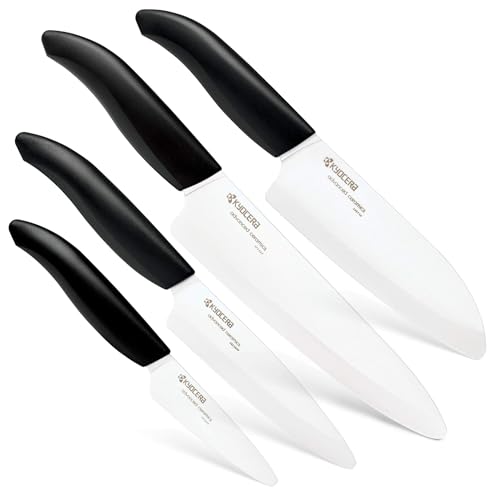
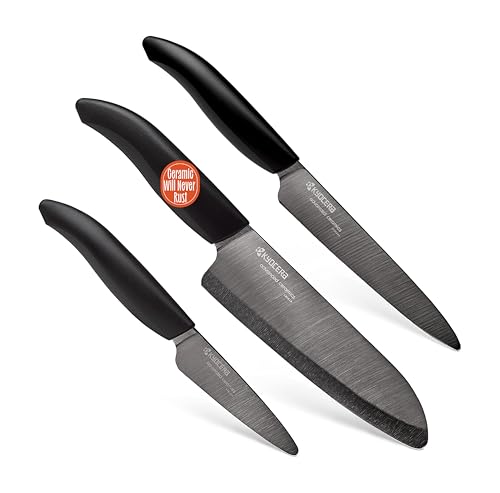


Quick Answer: Which Set Style Fits Your Home
Small households that cook mostly fresh produce do well with a compact set of three to five pieces stored in sheaths. Families who prep larger meals usually prefer a mid size set in a slotted block. If anyone in the home cuts frozen food, bones, or hard winter squash often, ceramic should be a second set beside steel, not the only knives you own.
Before You Buy: A Quick Checklist for Choosing a Knife Set
Size: Match It to Your Space
Count the blades you reach for in a normal week before you count pieces on a box. Most home cooks use a chef knife, a paring knife, and one mid size utility or santoku style blade almost daily, so a three or five piece set covers real needs without filling a drawer. Larger sets add steak knives, scissors, and a bread knife, which helps bigger households but takes more room. Measure your storage spot first, because a block that will not fit under your cabinets will end up pushed into a corner and ignored.
Which Type Fits Your Routine
Ceramic suits routines built around fresh produce, boneless meat, fish, and herbs, where a fine edge glides through soft skins without tearing. It suits cooks who slice rather than rock the blade, and who put knives away right after washing. Steel still fits homes that split chickens, open squash, or share cooking with teens who may drop a knife. Think about your busiest regular meal, not the most ambitious one, because the set should serve the food you actually cook each week.
Features Worth Paying For and Ones to Skip
Pay for individual blade sheaths or a slotted block, because ceramic edges chip when they knock against other utensils in a loose drawer. Pay for a comfortable handle and a finger guard on the chef knife, since a light blade gives you less natural control than a heavy steel one. Skip bundles padded with near duplicate small knives you will never use. Also skip any sharpener made for steel, a point our explainer on self sharpening knife block worth it explores for steel sets.
Blade Material and Hardness
Ceramic blades are pressed and fired from zirconium oxide, a material far harder than steel, and that hardness is why a ceramic edge stays keen through months of slicing tomatoes and peppers. Hardness brings a trade off, because a ceramic blade cannot flex or absorb impact the way steel does. A steel edge tends to bend or dull on bone or frozen food, while a ceramic edge can chip or snap. Judge ceramic on careful use, not toughness, and expect its sharpness to reward gentle cutting on wood or plastic boards.
Blade Geometry and Edge Shape
Most ceramic blades are thin with a straight or gently curved profile, shaped for smooth push cuts and clean slices rather than fast rocking on the board. A santoku style blade with a flatter edge suits cooks who lift and press through vegetables, while a curved chef knife profile helps with longer slicing strokes. Thin blades also wedge less in onions and apples. If you admire fine, precise blades in general, our guide to the best japanese knife set shows the steel side of that same thin geometry tradition.
Handle, Guard and Balance
A ceramic knife weighs far less than a steel knife of the same size, so the handle does most of the work of keeping your grip secure and your wrist relaxed. Look for a handle with a slight curve or texture that stays grippy when your hands are wet, and enough length for your whole hand. Because the blade adds so little weight, a set that feels balanced in a grip check will feel calmer during a long chopping session. Avoid very short handles, since they force a tight pinch grip that tires your fingers.
Realistic Budget Ranges
Starter ceramic sets often cost under $50 and usually include three or four sheathed knives with simple handles, a sensible trial if you are new to the material. Mid range sets at about $50 to $100 tend to add a block, better handles, and more blade sizes. Sets above that range should justify the price with stronger handles, a sturdier block, and a clear replacement policy for chipped blades. Keep a little money aside for a spare chef knife, because one dropped blade can leave a gap in a small set.
Types Compared: What Different Ceramic Sets Offer
With no single set suiting every home, compare set styles by household and habit rather than by piece count alone.
Compact Sheathed Sets for Small Households
A compact set of three to five knives with individual sheaths fits apartments, small kitchens, and one or two person homes where drawer space matters more than display. Sheaths let you store the blades safely in a drawer and take a knife along to a rental without loose edges. The limits are real, though. You get no steak knives and no block, and each knife must go back into its own sheath every time, a habit that takes a week or two to build.
Block Sets for Busy Family Kitchens
A slotted block keeps every blade visible, separated, and quick to grab, which suits families prepping several meals a day. Blocks also keep fragile edges away from curious small hands better than a drawer does. Before choosing this route, check the block footprint against your counter depth and the height of your wall cabinets. Our guide to the best block knife set options covers block sizing and slot layouts in more depth if counter storage is your main concern.
Larger Sets for Frequent Entertainers
Larger sets add steak knives, a bread knife, and kitchen scissors, which helps if you host dinners and slice at the table often. The extra pieces only earn their space if guests are regular, because unused blades still need safe storage and gentle washing. For many homes, a mid size set plus a separate steel steak knife set is the calmer buy. Choose the larger format when your guest list, not the box art, says you need it.
How to Judge a Ceramic Knife Set
Weigh edge retention, balance and comfort in the hand, sharpness from new, ease of daily care, and value for money across the whole set. Maker specifications for blade material and set contents, plus patterns in verified buyer feedback about chipping and handle comfort, give a fair picture.
Ceramic Compared With Other Knife Sets: Strengths and Limits
Ceramic wins on lightness, edge life during gentle use, and simple care, since the blades do not rust and rinse clean after cutting acidic foods like citrus and tomatoes. A light knife also suits cooks whose hands tire during long prep. Steel wins on toughness, versatility, and repair, because a bent or dull steel edge can usually be honed or ground back into shape at home. Ceramic asks more of your habits, since one careless drop onto tile can end a blade. Many homes end up happiest owning ceramic for produce and steel for heavy work.
Common Buying Mistakes to Avoid
- Buying the largest set on sale, because unused blades still need safe storage and the block may not fit your counter.
- Planning to cut frozen food or bones with ceramic, because the hard edge can chip or snap on the first hard impact.
- Storing ceramic knives loose in a drawer, because edges knocking against metal utensils will nick and dull quickly.
- Assuming a steel sharpener or honing rod will maintain ceramic, because those tools are ground for steel and can damage the edge.
- Skipping the replacement policy when you buy, because a chipped ceramic blade often cannot be repaired and must be replaced.
Cost of Ownership and Care
Daily care is simple. Wash ceramic knives by hand in warm soapy water, dry them at once, and return them to a sheath or block slot, because a dishwasher rack lets blades rattle against hard items. Cut on wood or plastic boards, never on glass, stone, or metal surfaces. Ownership costs stay low until a blade chips, at which point most home cooks replace the single knife rather than the set, so buying from a range that sells open stock pieces protects your budget. Our walkthrough of how to sharpen kitchen knives explains which methods suit steel, and why ceramic follows a different path, as the questions below explain.
Your Questions, Answered
How should you store ceramic knives if you have no counter space?
Use the sheaths the set provides and lay the knives flat in a shallow drawer, each in its own slot or section, with nothing metal resting on top. A drawer insert with separate channels works well in small kitchens. For more layouts, including wall and block options, see our guide on how to store kitchen knives. Never hang ceramic knives on a magnetic strip, because the blades are not magnetic and will not hold.
Can you sharpen a ceramic knife at home?
Only with a diamond abrasive made for ceramic, used slowly and at the angle set by the maker, because ordinary stones and steel rods cannot cut the harder material evenly. Many owners instead send a dull blade to a specialist service or the maker. Expect this to be a rare event rather than a monthly habit, since a cared for ceramic edge holds its sharpness far longer than a comparable steel edge in gentle use.
What foods should you avoid cutting with a ceramic knife?
Keep ceramic away from bones, frozen meat, hard cheese rinds, and the thick skins of squash and pumpkin, because the edge cannot absorb that kind of force and may chip. Also avoid twisting the blade to pry lids or separate frozen items. A less obvious case is crusty bread with a very hard base, which can catch the fine edge. Use your steel knife for those jobs and save ceramic for produce, boneless cuts, and soft foods.
How many ceramic knives does a home kitchen really need?
Three blades cover most homes: a chef knife for bulk prep, a utility knife for fruit and sandwiches, and a paring knife for detail work. Add a santoku style blade only if two people often cook at the same time and both want a main knife. Sets larger than that help mainly with steak knives for guests. Counting cooks, not just recipes, gives you the honest number for your household.
Are ceramic knives safe for cooks with weak grip strength?
The light weight can help, because your hand lifts and guides less mass with each cut, which reduces fatigue over a long prep session. The limit is control, since a very light blade offers little momentum and relies on your grip alone to stay on line. Choose a handle with texture and a finger guard, and work on a board that does not slide. If grip problems involve pain or a medical condition, talk with your clinician about kitchen tools that fit your hands.
Final Thoughts: Best Ceramic Knife Set
Match the set to your space, your household size, and the foods you cut most, and ceramic will reward you with light, clean slicing and low daily fuss. Keep steel on hand for heavy jobs, store every blade apart, and the best ceramic knife set for your home should serve for years. Before you order, look back at the product table above and check that your favorite set style still fits your counter, your budget, and your habits.


