
Best Paring Knives: A Complete Buying Guide
Disclosure: We may earn a commission when you buy through links on this page, at no extra cost to you. As an Amazon Associate I earn from qualifying purchases. Learn more

Peeling an apple, deveining shrimp, or trimming the silverskin off a strawberry with a full-size chef's knife feels like using a sledgehammer to hang a picture frame. That is exactly the gap the best paring knives are built to fill: a small, short-bladed tool made for close, controlled, hand-held work rather than chopping on a board. In this guide, you'll learn how a paring knife differs from other small blades in your kitchen, which blade shape suits which task, what to look for in steel and grip, and how to use one without slicing your thumb in the process.

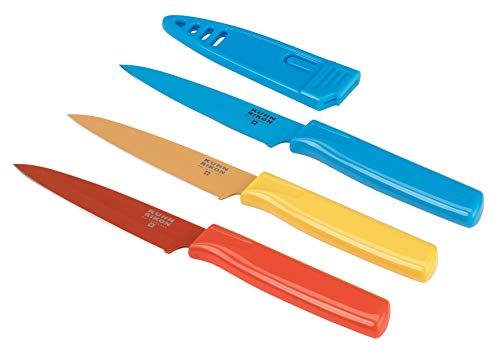
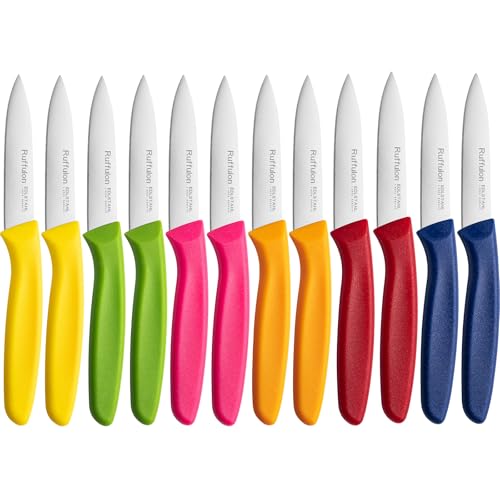
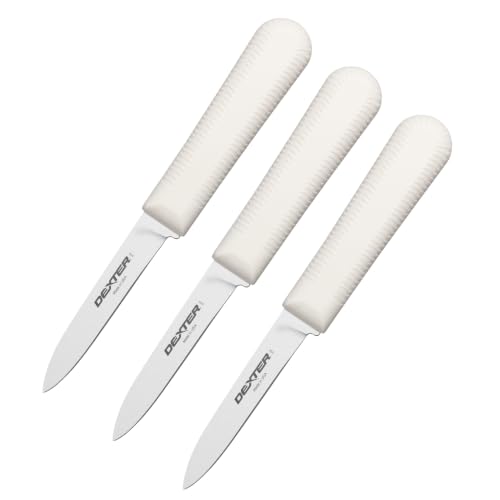
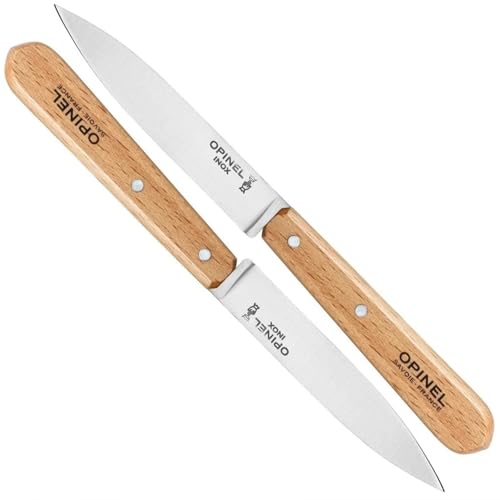
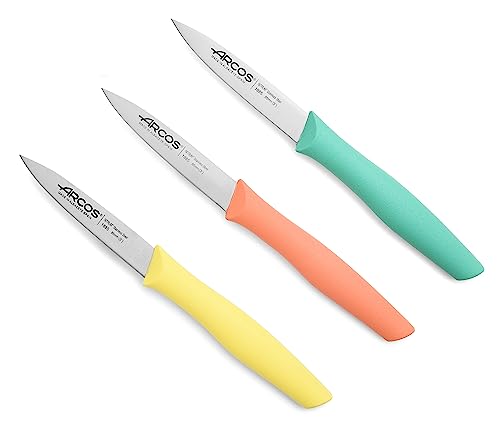
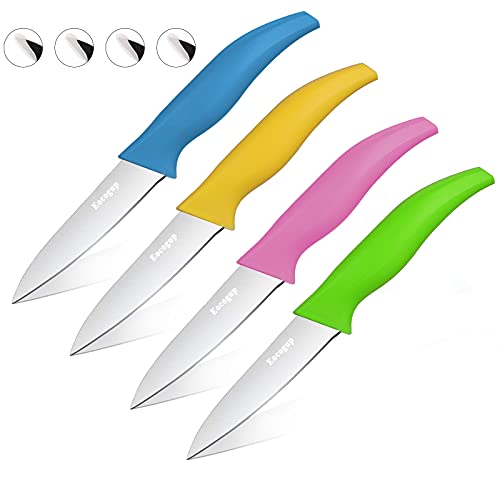
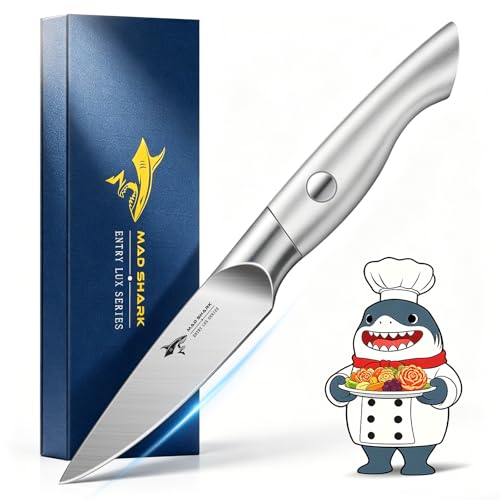
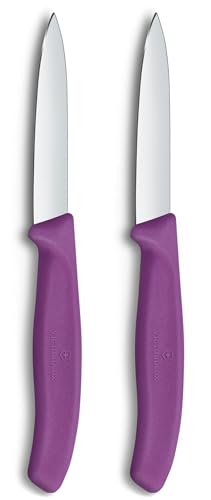
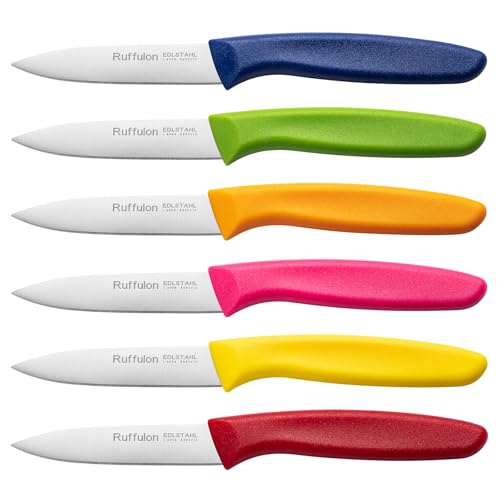
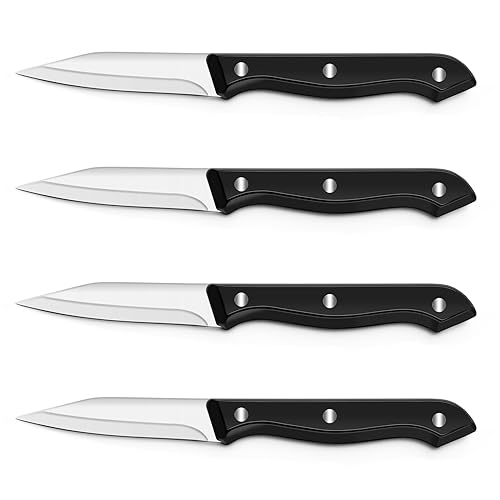
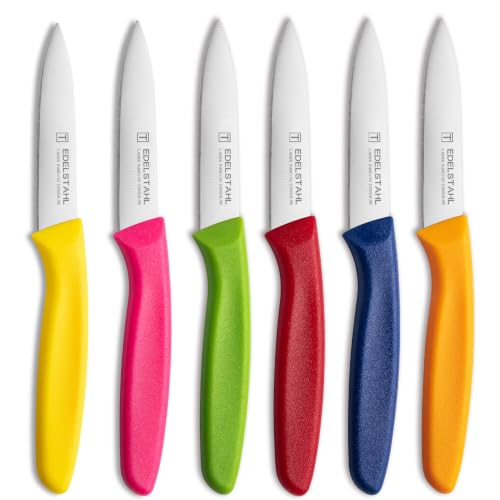
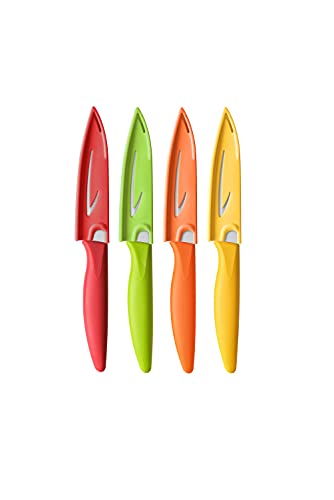
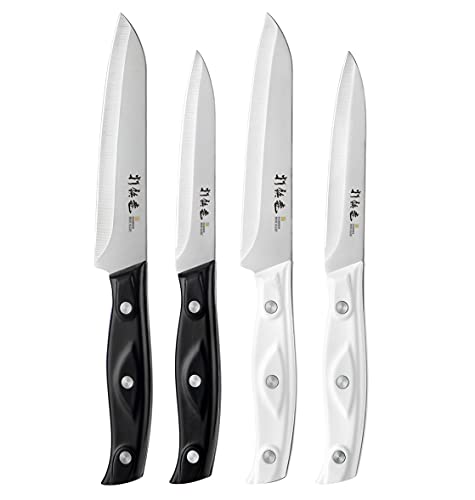
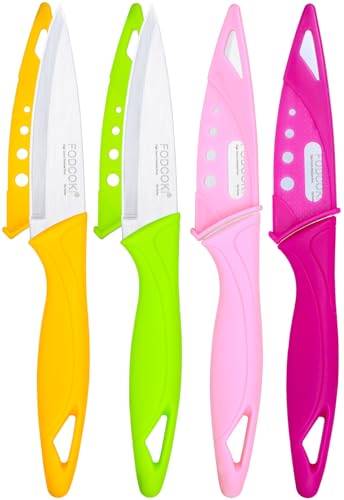
Paring Knife vs. Utility Knife: Why Size and Task Matter
The most common mix-up in a home kitchen drawer is grabbing a utility knife when a paring knife would actually do the job better, or the other way around. A paring knife typically runs from 2.5 to 4 inches, with most people landing on something close to 3.5 inches. A utility knife sits in the 5 to 7 inch range, built as a middle ground between a paring knife and a full chef's knife. That size difference is not just cosmetic. It changes what each tool is actually good at.
Where a Paring Knife's Job Starts and Stops
A paring knife earns its keep on small, detailed, close-to-the-hand tasks: peeling fruit, hulling strawberries, deveining shrimp, removing seeds, trimming fat off a small cut of meat, or scoring pastry dough. The short blade gives you fine control because your fingers are working right next to the edge, almost like an extension of your hand. Ask it to slice a loaf of bread or break down a squash and it will struggle, since there simply is not enough blade length or leverage to do that safely.
When You Actually Need Both in the Drawer
A midsize knife picks up where a paring knife runs out of room, handling tasks like slicing a sandwich, portioning a chicken breast, or dicing a bell pepper without pulling out a full chef's knife. If your prep work is mostly hand-held and detail-oriented, a paring knife alone may cover it. If you regularly need a knife for both intricate work and slightly larger cutting board tasks, pairing it with a dedicated midsize blade rounds out the gap that a single small knife cannot fill on its own, the same way a well-rounded kitchen knife set covers everything from delicate trimming to heavier chopping.
Blade Shapes Explained: Straight, Bird's Beak, and Sheep's Foot
Not every paring knife looks the same, and the shape you choose changes what feels natural in your hand. Three profiles show up again and again on store shelves, each suited to a slightly different style of work.
Straight (Spear Point) Blades
This is the shape most people picture when they hear "paring knife": a straight edge that tapers symmetrically to a sharp point. It handles the widest range of tasks, from peeling to trimming to piercing, which makes it the safest first pick if you only plan to own one.
Bird's Beak Blades
Recognizable by its short, sharply curved edge, a bird's beak paring knife is built for rounded produce. The curve follows the natural shape of an apple, potato, or citrus fruit, making it easier to peel or carve decorative cuts without fighting the blade against a curved surface. It is a specialty shape rather than an everyday all-rounder.
Sheep's Foot Blades
A sheep's foot blade runs flat along the bottom with a gently curved spine instead of a pointed tip. Because the whole edge sits flush against a cutting board, it slices cleanly through small, uniform cuts and reduces the chance of an accidental poke, since there is no sharp point to catch a finger. It trades away piercing ability for stability and control.
Blade Steel, Tang, and Grip: What Actually Matters
Once you know which shape fits your habits, the next decision comes down to size, material, and how the knife feels to hold for extended periods.
Blade Length: Why 3 to 3.5 Inches Wins for Most People
Shorter blades in the 2.5 to 3 inch range offer maximum control for tiny, precise cuts but can feel cramped for anything slightly larger. Longer paring knives closer to 4 inches give a bit more reach for jobs like trimming meat. A blade around 3 to 3.5 inches is the sweet spot most testers and reviewers land on, long enough to handle a variety of small tasks without feeling limited, short enough to keep the precision that defines the category.
Stainless Steel vs. High-Carbon Steel
Stainless steel resists rust and stains with almost no upkeep, which suits anyone who wants a low-maintenance knife that still holds a workable edge. High-carbon steel sharpens to a finer, longer-lasting edge but reacts with acidic produce like apples or citrus if left wet, and needs to be dried immediately after use to avoid spotting or light corrosion, a trade-off familiar to anyone who already owns a high-carbon Japanese chef knife. Neither is objectively better; the choice comes down to how much maintenance you are willing to do for a sharper edge.
Tang, Balance, and Handle Grip
A full tang, where the metal runs the entire length of the handle, gives a small knife better balance and durability, though many well-made paring knives use a partial tang without any real loss of performance given how little leverage a blade this size needs. What matters more day to day is the handle itself: look for a grip that stays secure when your hands are wet from rinsing produce, since a paring knife spends more time in the air, held against fruit or vegetables, than resting on a cutting board.
Using and Caring for a Paring Knife the Right Way
A paring knife is used differently than almost any other blade in the kitchen, which means both technique and upkeep deserve their own attention.
Grip Techniques for In-Hand Cutting
For work on a cutting board, use a pinch grip: thumb and forefinger pinching the base of the blade, remaining fingers wrapped around the handle for control. For in-hand peeling, hold the produce in your non-dominant hand and guide the blade with your thumb, always cutting away from your fingers rather than toward them. A grip that is too tight causes fatigue over a long peeling session, while one that is too loose sacrifices the control that makes this knife useful in the first place.
Keeping the Edge Sharp Without Overdoing It
Because the edge is so short, a paring knife dulls quickly if it is used to pry, twist, or cut against a hard surface instead of gliding through the food. A honing steel realigns the edge between uses, while a whetstone, held at roughly a 15 to 20 degree angle, brings back a genuinely dull edge. If freehand sharpening feels intimidating on a blade this small, one of the best knife sharpeners built for fine edges makes the angle far more forgiving. You do not need to sharpen a paring knife as often as a chef's knife if you avoid using it for jobs it was never built for.
Mistakes That Shorten a Paring Knife's Life
The dishwasher is the single biggest threat to a paring knife's edge and handle, since heat and jostling against other utensils dull and chip the blade far faster than hand washing. Leaving a high-carbon blade wet after slicing acidic fruit is another common slip that leads to discoloration. The third habit worth breaking is reaching for a paring knife on jobs that need more leverage, like cutting through a dense squash, which stresses a small blade well beyond what it was designed to handle.
Frequently Asked Questions
What size paring knife should I buy?
Most people do well with a blade between 3 and 3.5 inches. It is long enough for varied tasks like peeling and trimming while staying short enough for the precision this knife is meant to offer.
What is a paring knife best used for?
It excels at close, detailed, hand-held work: peeling fruit and vegetables, deveining shrimp, removing seeds and cores, hulling berries, and trimming small cuts of meat or fat.
What is the difference between a paring knife and a utility knife?
A paring knife is shorter, usually under 4 inches, and built for detailed hand-held tasks. A utility knife runs 5 to 7 inches and bridges the gap between a paring knife and a full chef's knife, handling slightly larger cutting board jobs.
What is a bird's beak paring knife used for?
Its curved blade is designed for rounded produce like apples, potatoes, and citrus, making it easier to peel curved surfaces or create decorative turning cuts.
Is stainless steel or carbon steel better for a paring knife?
Stainless steel needs little maintenance and resists rust, while high-carbon steel holds a sharper edge longer but requires drying immediately after contact with acidic food. Both are good choices depending on how much upkeep you want.
Can a paring knife replace a chef's knife?
Not for everyday chopping or slicing larger ingredients. It is built for small, precise tasks, not the leverage and blade length needed to break down produce or proteins on a cutting board.
Can you put a paring knife in the dishwasher?
It is best avoided. Heat and contact with other items in the dishwasher dull the edge and can damage the handle over time, so hand washing and drying immediately after use keeps it performing longer.
The Bottom Line
A paring knife is not a smaller version of a chef's knife or a shrunken utility blade. It is a purpose-built tool for the close, careful work those larger knives cannot do well. Once you match the blade shape, length, and steel to how you actually cook, this small knife earns a permanent spot in your everyday routine rather than sitting forgotten in a drawer.