Best 3 Inch Paring Knife (2026): Edge, Steel and Handle Guide
Disclosure: We may earn a commission when you buy through links on this page, at no extra cost to you. As an Amazon Associate I earn from qualifying purchases. Learn more

Pick the best 3 inch paring knife with advice on straight, serrated and ceramic blades and daily care.
Picture a weekday dinner where garlic needs peeling, strawberries need hulling, and a cheese block needs trimming, all while a large pot already fills most of your counter. A bulky chef knife feels clumsy for that close work, and that is where the best 3 inch paring knife earns its drawer space. It handles small tasks in your hand, away from a board, with control a longer blade cannot match.
This guide focuses on real homes rather than show kitchens. It helps you choose by counter space, how many people cook, and what you can spend and maintain. Start with the comparison table below, and if you want the broader category first, see our guide to the best paring knife.

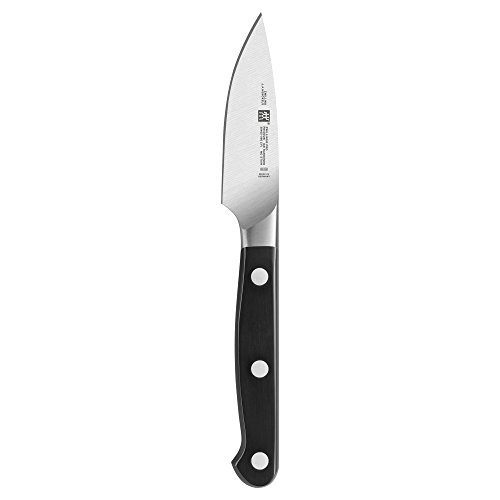


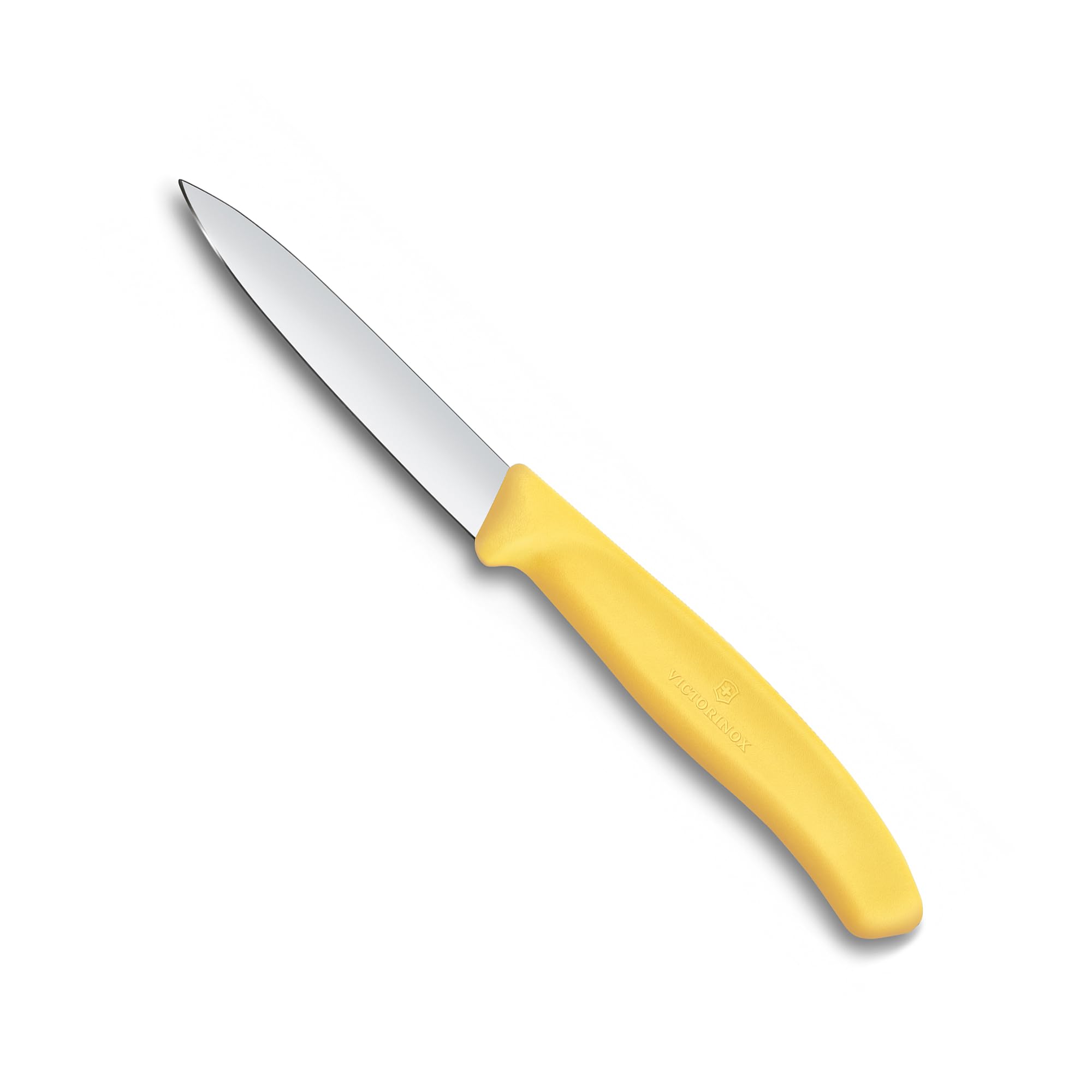

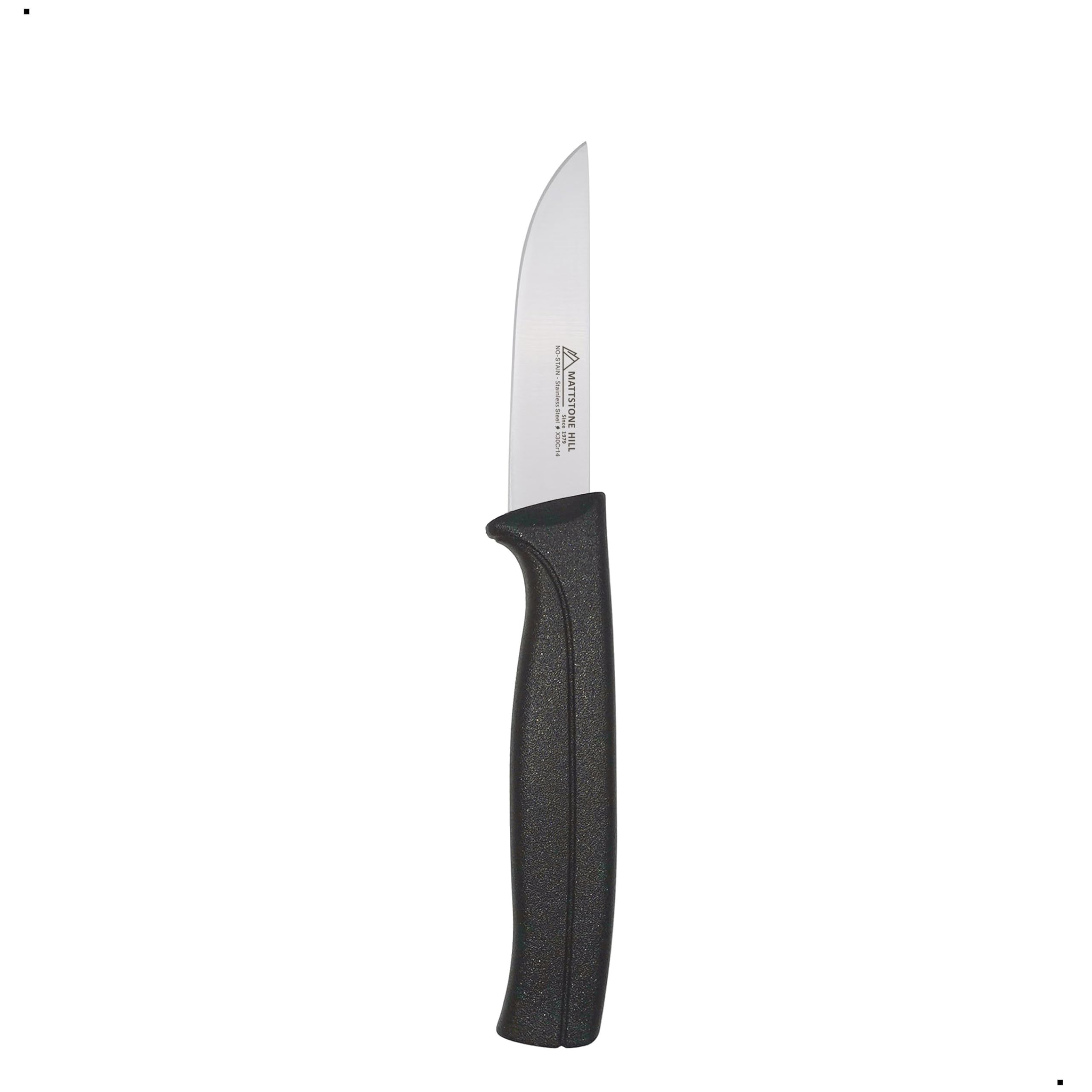

Quick Answer: Three Types in 30 Seconds
Most homes need a classic straight edge model with a stainless steel blade and a plain handle that feels secure when wet. It covers peeling, trimming, and segmenting fruit without special care. A simple low cost type works as a second knife for lunch bags or a spare drawer. A thin Japanese style type suits cooks who want a finer edge and accept more careful care.
- For most homes: classic straight edge, stainless steel, medium weight handle.
- For a spare or starter knife: simple low cost type, easy to replace and easy to share.
- For a long term upgrade: thin Japanese style blade with harder steel and a lighter handle.
Before You Buy: A Quick Checklist for Choosing a Paring Knife
Length alone does not make a paring knife comfortable or useful. The sections below walk through size, type, steel, shape, handle, and budget for daily home use.
Size: Match It to Your Space
A 3 inch blade fits small kitchens because it stores easily, washes quickly, and leaves room on a crowded board for bowls and ingredients. It also suits one or two person homes where most fruit and vegetable prep involves single items rather than large batches. A 3.5 inch blade adds a little reach for larger apples and onions, while a 4 inch blade starts to feel like a small utility knife and loses some of the nimble feel that makes close work in your hand so precise and controlled.
Which Type Fits Your Routine
A straight edge blade is the most versatile choice for peeling, trimming fat, and removing eyes from potatoes. A serrated edge cuts tomato skin and citrus rind with less pressure, and our guide to the best serrated paring knife explains that style in detail. A ceramic blade stays sharp for produce work but can chip if it twists in hard food, a trade off covered in the best ceramic paring knife guide. A curved bird beak shape helps with rounded fruit, though it takes practice and feels narrow in scope.
Steel Type and Hardness
Most home paring knives use stainless steel because it resists rust from fruit acids and frequent washing. Harder steel, common in Japanese style blades, holds a fine edge longer but needs a gentler hand on hard boards and frozen food. Softer steel, common on German style blades, dulls sooner yet sharpens quickly with a basic rod or stone. For a busy family kitchen, easy sharpening often matters more than the longest edge life.
Blade Geometry: German and Japanese Styles
German style blades are usually thicker, with a wider edge angle that tolerates twisting, scraping, and contact with a board. Japanese style blades are usually thinner, with a narrower edge angle that slices cleanly through soft fruit and herbs with little tearing. That thinness is the reason our guide to the best japanese paring knife stresses careful storage. Choose the German shape for shared family use and rough tasks, and the Japanese shape when clean cuts matter more than toughness.
Handle, Bolster and Balance
Hold matters more than looks on a knife this small, because your fingers guide nearly every cut. A handle with a slight curve and a matte finish stays secure when your hands are wet from rinsing produce. A full bolster adds weight near your fingers and can feel crowded on a short blade, while no bolster keeps the knife light and simple to clean. Balance should sit near the front of the handle, so the blade feels guided rather than heavy or floppy during peeling.
Realistic Budget Ranges
At under $10, expect a simple stainless blade and a basic plastic handle that works fine as a spare or starter knife. At about $10 to $20, you get better handle shaping, a more even edge, and steel that sharpens more predictably. At about $20 to $50, you pay for harder steel, finer finishing, and a handle built for years of daily use. Spending more mainly buys edge life and comfort, not extra tasks, so a modest budget still covers every job in this article.
Types Compared: What Each Style Does Best
Instead of ranking specific models, this section compares the three types most homes choose between. Match the type to your household first.
Classic Straight Edge for Most Homes
This is the default choice for a family drawer. The straight edge peels apples, trims broccoli stems, cores strawberries, and opens packaging without fuss. Stainless steel keeps care simple, and a medium weight handle gives new cooks and older kids learning under supervision a sense of control. It also sharpens on almost any rod or stone you already own. If only one paring knife will live in your kitchen, this type covers the widest range of daily jobs with the least special handling.
Simple Low Cost Type for Extra Knives
Some homes need quantity more than refinement. A second or third simple knife helps when two people prep at once, or when one knife sits in a lunch kit. These knives are light, easy to replace if lost, and fine for soft produce and light trimming. The limits are plain handles that can feel slick and edges that need attention more often. As extras, they solve a real household problem without stretching the budget.
Thin Japanese Style as a Long Term Investment
Cooks who prep fruit and vegetables daily often prefer a thin blade that moves through produce with little resistance. Harder steel holds its fine edge through weeks of careful use, and a light handle reduces fatigue during a long session of peeling or garnish work. The cost of ownership is attention: hand washing, prompt drying, and a sheath or tray slot rather than a loose drawer. For a single cook or a couple who enjoy precise prep, that extra care buys noticeably cleaner cuts.
How to Compare 3 Inch Paring Knives
This guide compares types using maker specifications for steel, hardness, blade length, and handle material, plus patterns in verified buyer feedback about comfort, edge life, and care. Each type was judged on edge retention, balance, sharpness as sold, ease of maintenance, and value for a typical home.
Is a 3 Inch Paring Knife the Right Size for You?
A 3 inch blade is right for you if most of your small prep happens in your hand. Peeling a peach, hulling strawberries, removing pepper seeds, and trimming bruised spots all feel safer when the blade stays short and close to your fingers. Our guide on how to use a paring knife shows the grip and motion that make this size feel natural.
It may feel too small if you regularly cut large melons, quarter big onions on a board, or prep for a large family in one session. In those homes, it works as a partner to a longer knife rather than the main prep tool. Small apartments and camper kitchens gain the most, because one short knife covers fruit, snacks, and light trimming without demanding storage space.
Common Buying Mistakes to Avoid
- Buying a 4 inch blade for close in hand work, so peeling feels awkward and less controlled.
- Choosing a ceramic blade for a shared family drawer, so one twist in hard food chips the edge.
- Paying for harder steel while owning no way to maintain it, so the fine edge dulls and stays dull.
- Picking a smooth glossy handle for wet prep, so your grip slips during rinsing and peeling.
- Storing any paring knife loose in a crowded drawer, so the edge knocks against other tools and dulls fast.
Cost of Ownership and Care
A paring knife costs little to own if you cover three basics: washing, sharpening, and storage. Hand wash the blade in warm soapy water and dry it right away, even if the maker allows a dishwasher, because detergent and rattling racks dull edges and loosen handles over time. Store it in a sheath, a tray slot, or on a magnetic strip so the edge stays protected and easy to reach.
Sharpening is the main ongoing task. A fine ceramic rod or a small water stone restores a straight edge in a few minutes, and our guide on how to sharpen a paring knife walks through the angle and pressure. Serrated and ceramic blades are exceptions, since they need maker service or replacement rather than home sharpening. Budget wise, a simple rod costing about $10 to $20 can serve every straight edge knife you own for years.
FAQ
Is a paring knife worth it if you already own a chef knife?
Yes, for the many small jobs a chef knife handles poorly. A short blade lets you peel, hull, and trim while holding food in your hand, which a long blade makes clumsy and tiring. It also speeds up snack prep for kids, cheese boards, and lunch packing. If your cooking rarely involves fresh fruit or vegetables, you may not miss one, but most homes use it daily once it is in the drawer.
How do you clean a 3 inch paring knife safely?
Wash it on its own rather than dropping it into a sink of soapy water, where a hidden blade can cut the next person who reaches in. Hold the handle, wipe from the spine toward the edge with a sponge, rinse, and dry it fully before storing. Fruit acids from lemons and tomatoes can stain steel if left sitting, so a quick wash right after citrus work keeps the blade looking clean and prevents lingering odors.
How long does a paring knife last in a home kitchen?
A stainless steel paring knife can last many years, often a decade or more, because the tasks are light and the blade takes little abuse. Handles usually fail before blades do, cracking after years of dishwasher heat or loosening at the rivets. A low cost knife used as a spare may be replaced every few years instead. If the edge no longer responds to sharpening or the handle feels loose, replacement is safer than forcing a failing knife.
What size paring knife do you need for small hands?
Smaller hands usually do best with the 3 inch size and a slim handle, because your fingers wrap closer to the blade and guide it with less effort. A thick handle can feel tiring even when the blade length is right. If possible, judge by handle fit first and blade length second. People with larger hands sometimes prefer 3.5 inches for the extra finger room, so hand size matters as much as the food you cut.
What is the best 3 inch paring knife for a small kitchen?
For a small kitchen, the best choice is a classic straight edge type with a stainless blade, a compact handle, and a sheath for safe drawer storage. It covers peeling, trimming, and fruit prep without needing board space or special care. A thin Japanese style type suits a careful single cook, while a simple low cost type suits a shared or starter kitchen. Matching the type to your storage and routine matters more than any single feature.
Final Thoughts
For most readers, the best 3 inch paring knife is a classic straight edge type that fits your hand, your drawer, and your budget. Choose the simple low cost type when you need extras for helpers or travel kits, and the thin Japanese style type when careful prep is a daily pleasure. Look back at the product table above, weigh steel and handle comfort against your routine, and pick the type you will wash, store, and sharpen with ease.