Best Cellular Outdoor Security Cameras by Budget: A Smart Buying Guide for 2026
Disclosure: We may earn a commission when you buy through links on this page, at no extra cost to you. As an Amazon Associate I earn from qualifying purchases. Learn more

Compare cellular outdoor security cameras by budget, from basic battery units to premium models, and learn which features, costs, and plans fit your home.
Prices for a best cellular outdoor security cameras setup vary widely, and the gap between a basic battery unit and a premium system can be several hundred dollars. That range makes it hard to know where your money actually goes, and whether a higher price buys better video, longer battery life, or simply features you will never use. The sections below set out the main spending levels so you can see the trade offs before you buy.
This guide walks through those spending levels, explains what each one typically delivers, and flags the features worth paying for and the ones you can skip. It is a buying guide, not a ranked list of models, because the right choice depends on your property layout, cellular signal, and tolerance for ongoing cost.


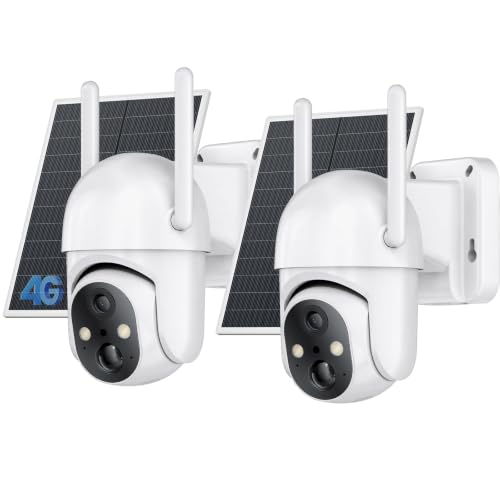


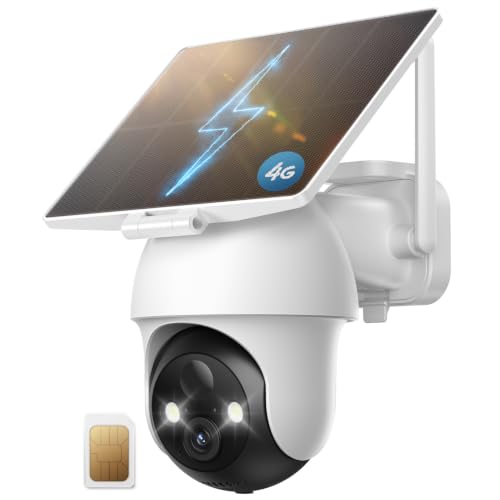
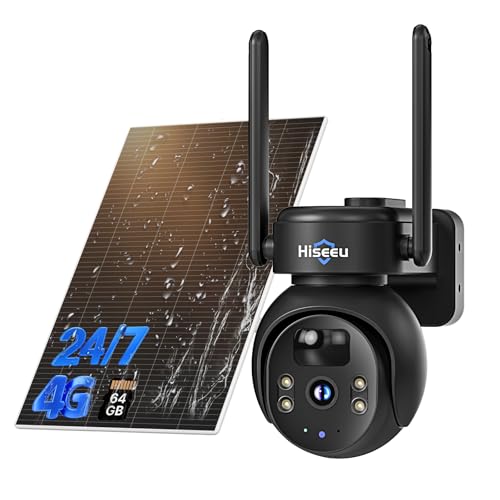


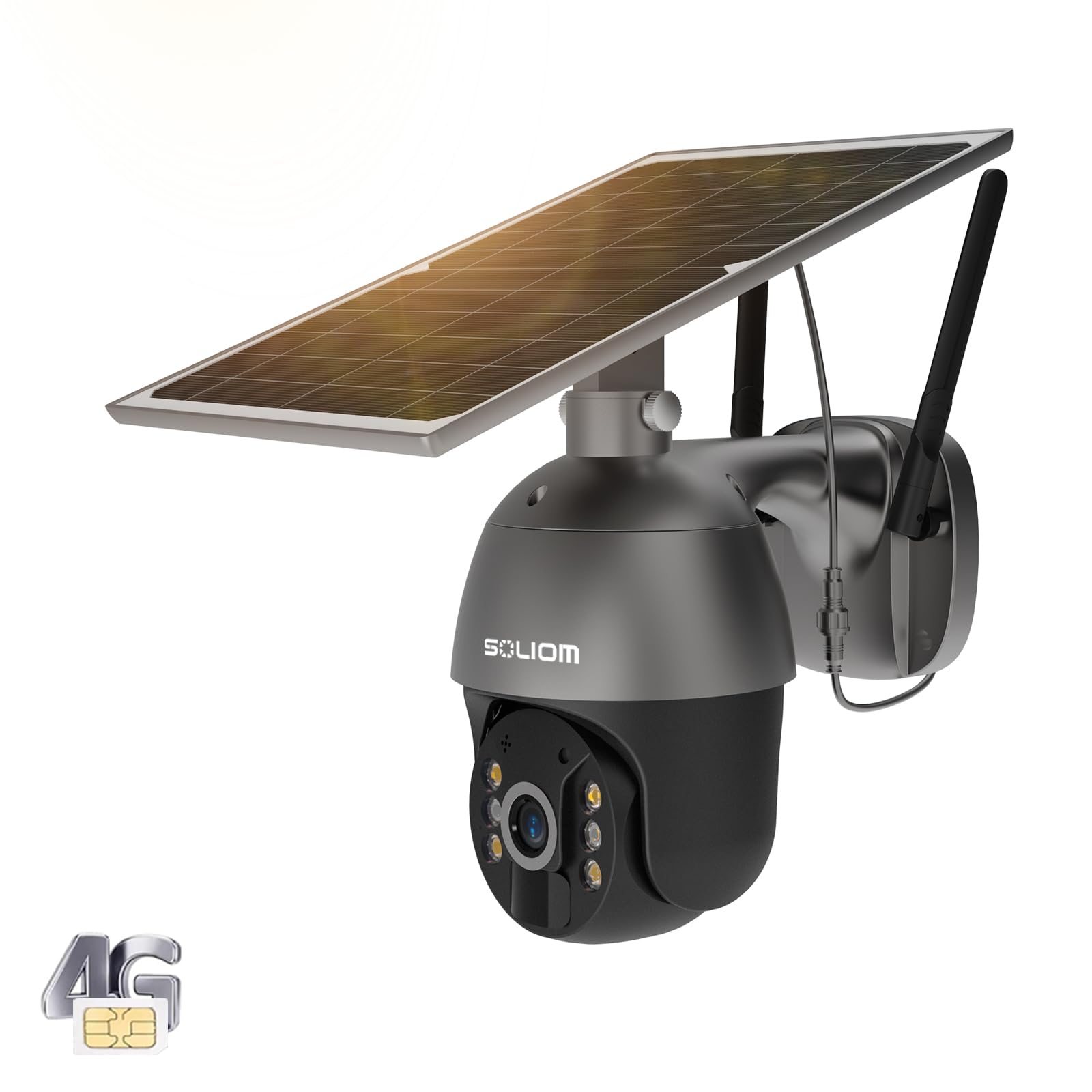
Choosing by Budget
Budget is the right starting point for a cellular camera because the purchase price is only part of the total cost. Data plans, cloud storage, batteries, and mounts all add up over time, and a cheap camera with an expensive plan can cost more than a pricier camera with a leaner plan.
Budget Spending Level
The budget level suits a single entry point, a small yard, or a renter who wants basic coverage without a long commitment. Expect a battery powered camera with standard resolution, motion alerts, and a simple app, plus a basic data plan that covers a modest number of clips per month. Video quality is usually good enough to see who is at a door or in a driveway, though fine detail at distance may be limited. Watch battery life and plan costs here, since frequent alerts can drain a battery and push you into a higher plan tier. A guide to the best cameras for outdoor security can help you compare these basic cameras against wired and WiFi options for the same spots.
Midrange Spending Level
The midrange level suits most homes, covering a front door, a driveway, and a back yard with two or three cameras. Expect sharper video, better night vision, wider fields of view, and smarter alerts that can tell a person apart from a passing animal or a swaying branch. Battery life and solar charging options tend to improve at this level. This level is where most buyers find the best balance between image quality, reliability, and ongoing cost.
Premium Spending Level
The premium level suits large properties, long driveways, and homes where detail at distance matters, such as reading a license plate or identifying a visitor from across a yard. Expect high resolution video, color night vision, longer battery life or wired power options, and more flexible storage. Premium systems may also offer better weather sealing and sturdier mounts. The trade off is a higher purchase price and plan cost, so this level only makes sense if you will use the extra detail.
Features Worth Paying For (and Ones to Skip)
Not every feature earns its price. The sections below weigh the main features by what they deliver in daily use.
Video Resolution and Field of View
Resolution and field of view work together, and both are worth paying for up to a point. Higher resolution helps you identify faces and plates at distance, while a wider field of view covers more ground from one mount. For a front door, standard high resolution and a moderate view are usually enough, while for a long driveway a wider view and higher resolution earn their cost; skip ultra high resolution if your viewing distances are short, since it raises data use and plan costs without adding useful detail.
Night Vision (Infrared vs Color)
Infrared night vision shows a clear black and white image after dark and suits most homes, especially where a porch light already exists. Color night vision uses a spotlight or a sensitive sensor to keep color in the image, which can help identify clothing or vehicle color at night. It is worth paying for at entry points and driveways where color detail matters, and it is safe to skip in side yards where simple motion awareness is enough. Check the effective night range too, since it matters little if your camera sits far from the area it watches.
Smart Home Integration
Smart home integration lets a camera work with voice assistants and automation routines, such as showing a live view on a display when motion is detected. This is worth paying for if you already use a smart home system and want that convenience. It is safe to skip if you mainly check clips on your phone, since integration adds little to the core job of recording and alerting. A best cellular security cameras comparison can show how integration options differ across cellular models.
Weather Resistance (IP65/IP66)
Weather resistance is essential for any outdoor camera, and a rating of IP65 or IP66 is a sensible minimum for rain, dust, and temperature swings. Higher ratings add margin in harsh climates, but they do not replace good placement, such as mounting under an eave where possible and keeping the lens clear of direct spray. Skip cameras with no stated weather rating for outdoor use, no matter how attractive the price. Follow maker guidance on operating temperature and mounting, and note that no camera guarantees safety or security.
Long Term Costs to Factor In
Long term costs decide whether a cellular camera stays affordable after the first year. Data plans are the largest recurring cost, and they vary by clip volume, resolution, and the number of cameras on the account. Cloud storage subscriptions add a monthly or yearly fee, while local storage may need a memory card or a hub purchase up front. Batteries, solar panels, mounts, and replacement parts add smaller costs over time, so add up at least two years of plan and storage fees before you compare purchase prices and check whether a plan can be paused or changed; a best outdoor security cameras wired guide compares these ongoing costs against a wired system.
Frequently Asked Questions
Do I need a subscription for a cellular outdoor camera?
You usually need a data plan for a cellular outdoor camera, because the cellular connection itself carries a carrier cost. Some cameras also offer a separate cloud storage subscription for longer clip history and advanced detection, while others let you store clips locally without that fee. Check exactly what is included in the base plan, how many clips or days of history it covers, and what happens when you reach a limit.
Wired or wireless: which is more reliable for outdoor cameras?
Wired cameras are usually more reliable for continuous recording, since they draw steady power and use a fixed network connection. Wireless cellular cameras are more flexible for remote spots without WiFi or power, but they depend on cellular signal strength and battery life. For a gate, a barn, or a far corner of a large property, cellular wireless coverage is often the only practical option, provided the signal at that spot is strong.
How much storage do I need for outdoor camera clips?
Most homes need enough storage for about two to four weeks of motion clips, though the exact amount depends on how busy the camera location is. A quiet side yard generates far fewer clips than a busy front door, so storage needs vary by placement. Cloud plans usually quote history in days, while local storage depends on card size and clip resolution. Start with the maker suggested plan or card size, then adjust after a month of real use.
Are home cameras easy to hack?
Home cameras can be attacked like any connected device, so good security habits matter, but no camera or system can guarantee complete protection. Use a strong unique password, turn on two factor authentication where offered, keep the camera firmware updated, and avoid sharing login details. Place cameras to respect the privacy of neighbors and follow local rules on recording audio and video in outdoor areas.
Can cameras work without WiFi?
Yes, cellular cameras work without WiFi, because they connect through a mobile network instead of your home router. That makes them useful for remote buildings, gates, and properties where WiFi does not reach. You still need a data plan and adequate cellular signal at the camera location, and video quality may drop if the signal is weak. Test signal strength at the exact mounting spot before you commit.
Final Thoughts
The best value in cellular outdoor cameras comes from matching the spending level to your property and your tolerance for ongoing costs, not from buying the highest resolution on the shelf. Start with the areas that matter most, choose a tier that covers them well, and put extra money toward better placement, stronger signal, and a plan that fits your clip volume. Check local rules on placement and recording before you mount anything, follow maker electrical and mounting guidance, and remember that no camera system guarantees safety or security. Keep the best cellular outdoor security cameras decision focused on coverage, cost, and signal, then choose the level that fits your home.