
Best Cameras for Outdoor Security in 2026: What Actually Matters Before You Buy
Disclosure: We may earn a commission when you buy through links on this page, at no extra cost to you. As an Amazon Associate I earn from qualifying purchases. Learn more

Run through this checklist for the best cameras for outdoor security: weather ratings, power choices, night vision, storage, and the limits the specs hide.
Outdoor cameras fail in predictable ways: a battery that dies in the first cold snap, a lens fogged by morning dew, or a wide view so stretched that faces turn into smudges. The best cameras for outdoor security are simply the ones that survive your weather, reach your WiFi, and record the spots that matter, so this guide is built as a checklist you can test any model against before you buy.
Start with the limits in the next section, because they shape every other choice. Then work through the feature checklist, compare what each budget level really includes in the comparison table below and the price notes that follow, and finish with the red flags that separate a dependable camera from a return waiting to happen.
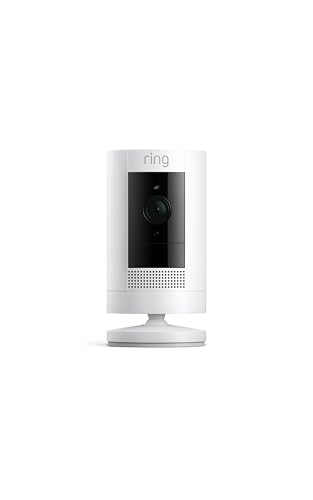
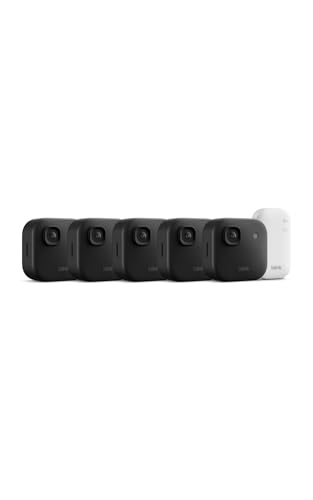
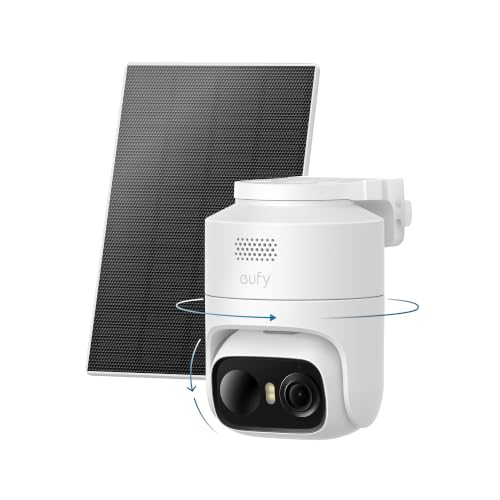
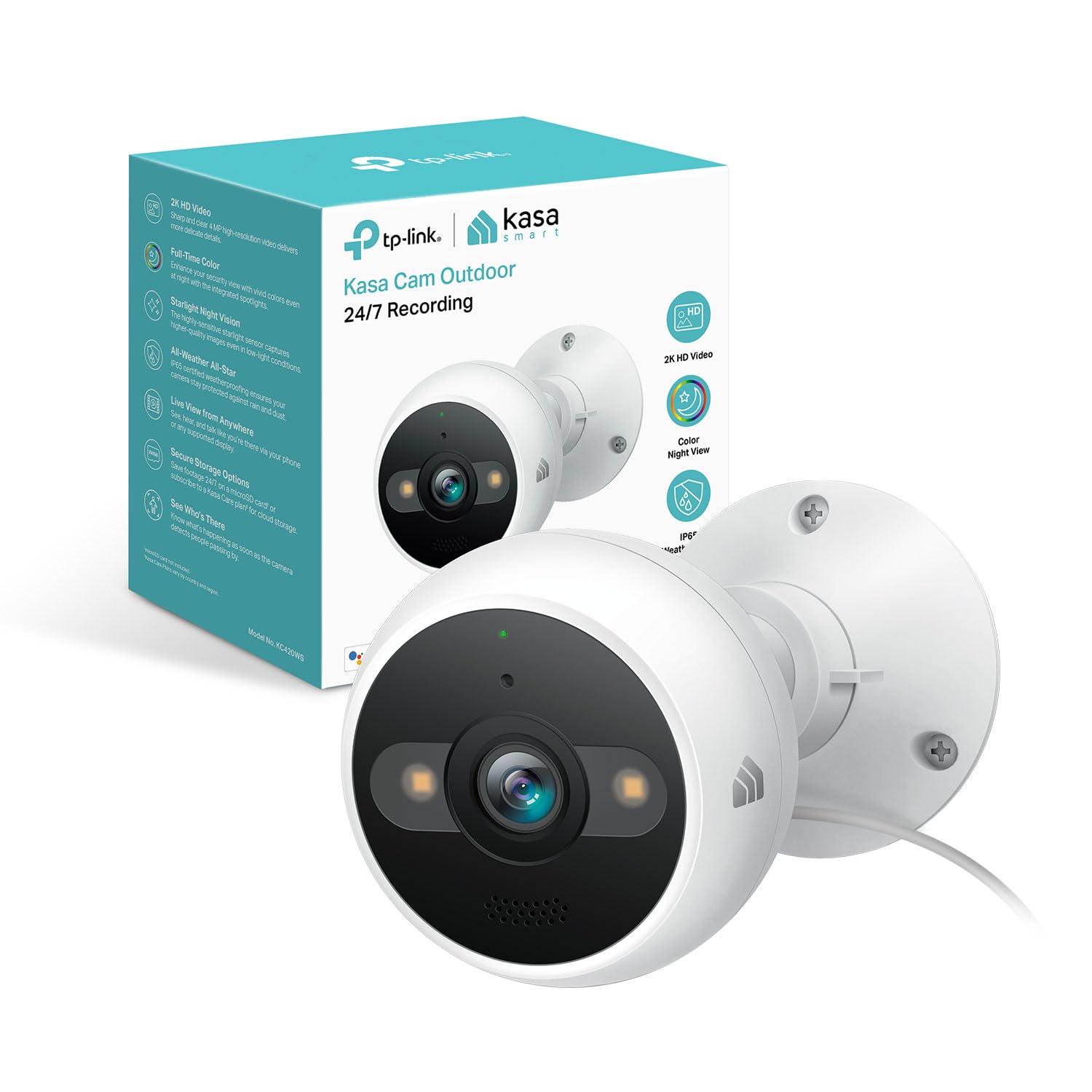


First, What an Outdoor Camera Can and Cannot Do
An outdoor camera is a monitoring and evidence aid, and nothing more. It records what happens and alerts you when it detects motion, which can help you understand an incident and share footage with police or an insurer. It does not prevent break ins, and no camera replaces solid locks, working exterior lighting, trimmed shrubs near doors, or an alarm service that can respond. Anyone who sells you a camera as a guarantee of safety is overselling it.
What you actually capture depends on two fragile links: the storage plan and the connection. Footage kept only in a cloud plan disappears if the subscription lapses, and a camera that loses WiFi or power records nothing at all during the gap. Protect the account side as seriously as the hardware: use a unique password, turn on two factor sign in, and install firmware updates, because a camera on an open or reused password is a window into your yard for strangers.
Rules on recording visitors and especially on capturing audio vary by state and country, so check your local rules, aim cameras at your own property, and tell household staff and regular visitors the cameras are there. A camera pointed across a fence line can create a dispute with neighbors even when the camera itself works perfectly.
Finally, read every range figure as a laboratory result. Detection distances, night vision reach, battery life in months, and weather ratings all come from maker tests under controlled conditions with ideal placement. Real yards have wind blown trees, passing headlights, cold nights, and walls between the camera and the router, and each of those shortens the numbers. The checklist below shows where those gaps matter most.
Key Features to Compare
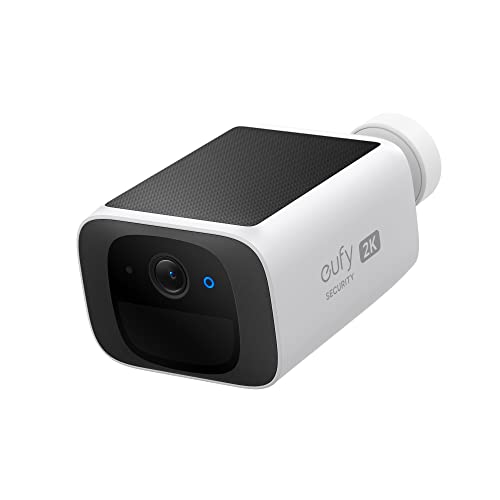
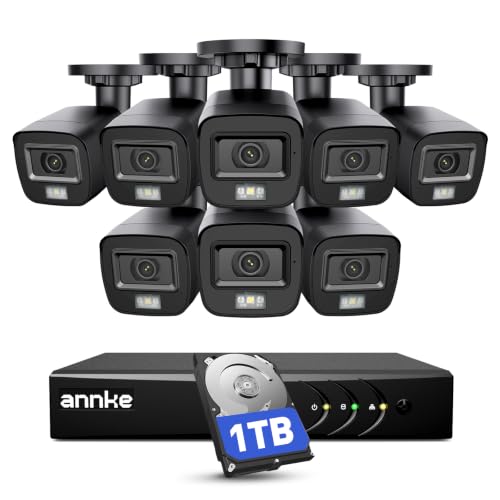
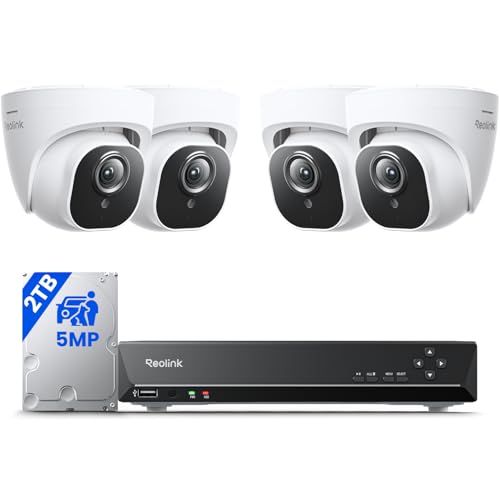
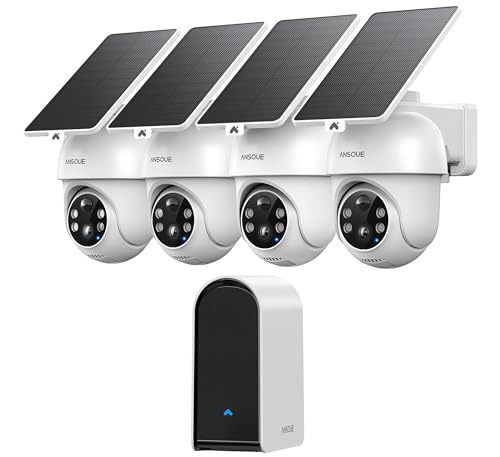
Score each candidate against the same seven points, in this order: whether it fits outdoor duty at all, what the picture really shows, how it is powered, what it sees at night, how it talks back, and where the footage lives. The product table above lists the headline specs, and these notes explain how to read them.
Features That Matter for Outdoor Security
Outdoor duty adds demands an indoor camera never faces. The housing must shrug off rain, dust, and summer heat while the motion sensor ignores swaying branches yet still catches a person crossing the drive. Placement options matter more outside too, because the best viewing angle often sits far from any outlet.
Judge an outdoor model first on weather sealing, operating temperature range, and mounting flexibility, then on app features. A camera with modest resolution and a housing that survives five winters will serve you better than a sharper camera that fogs, corrodes, or loses its seal in the second year outdoors.
Video Resolution and Field of View
2K resolution is the practical sweet spot for most homes, because it identifies faces and clothing at typical driveway distances without the storage and bandwidth appetite of 4K. Field of view between about 130 and 160 degrees covers a yard corner from a single mount, but remember that a wider view spreads the same pixels across more ground, so each face gets fewer of them. For a long driveway or a gate set far from the house, a narrower view aimed down the path often identifies visitors better than a very wide view. Digital zoom only enlarges the same pixels, so never count it as real reach when you compare spec sheets.
Weather Resistance and Temperature Range
An IP65 rating means the housing resists dust and water jets, and IP66 adds protection against stronger spray, so either suits most exposed mounts; under a deep eave, lower ratings sometimes survive, but the rating is your only promise. Just as important is the operating temperature range printed in the manual. A camera rated only down to mild cold may shut off during a hard freeze exactly when you want it watching an empty house.
Check the upper limit too if the camera will bake on a sun facing wall, since heat cooks batteries and softens mounts. Cable entries and the charging port are the weak points, so favor designs that shield them under the body.
Power Options: Wired, Battery, Solar, and PoE
Continuous wired power is the most dependable route, because the camera never sleeps to save energy and records around motion events without waking delays. Where an outlet or doorbell wiring already exists, the best outdoor security cameras wired homeowners choose tend to be fit and forget once installed by someone comfortable with the wiring. Battery models install anywhere in minutes, but their month counts assume only a handful of motion triggers a day on a quiet wall. A busy street can drain the same battery in weeks, and lithium cells lose capacity in cold weather, sometimes a third or more on the coldest nights, so winter range always falls short of the box claim.
Solar panels rescue battery cameras on sunny walls by topping them up daily, and the best outdoor solar security cameras pair a panel sized generously for the camera with a mount that keeps it clear of shade. A panel in partial shade or facing away from the sun may only slow the drain, so treat solar as a strong helper rather than a guarantee. Power over Ethernet, usually shortened to PoE, sends power and data down one cable and suits longer runs to gates or outbuildings, though it needs a compatible switch or injector and more installation effort. Pick the power route your mounting spot can honestly support before you fall for any other feature.
Night Vision: Infrared or Color
Infrared night vision gives a clear black and white picture without any visible light, and it draws insects and spiders toward the lens, so expect the odd web across the frame. Color night vision uses a small spotlight or a very sensitive sensor to keep colors, which helps describe a jacket or a car, but the spotlight announces the camera and can annoy neighbors if it fires all night. Porch lights complicate both modes: a bright fixture beside the camera can wash faces into glare or fool the sensor into thinking it is daytime. Angle the camera so nearby lights sit out of its direct view, and favor models that let you dim or schedule the spotlight.
Two Way Audio and Siren
Two way audio lets you speak to a courier or tell a stranger at the side gate that you can see them, and that voice contact is the one feature that can change an event while it happens. Sound quality varies widely, and wind noise at an exposed mount can bury speech, so a camera with wind reduction or a well placed microphone matters more than speaker volume claims. A built in siren adds a loud deterrent you can trigger from the app, though it will also wake the street if a raccoon sets it off at night. Remember that recording audio is restricted in more places than recording video, so check your local rules before you enable the microphone.
Storage: Local or Cloud
Local storage on a microSD card or a home hub keeps footage in your hands with no monthly fee, but the recording leaves with the camera if a thief takes the unit itself, unless the hub sits safely indoors. Cloud storage keeps clips safe from camera theft and makes sharing easy, at a running cost of roughly a few dollars to about $15 a month per camera or household plan. That fee decides how long clips are kept, often somewhere between a few days and two months, so read the retention limit before a trip, not after an incident. Whatever you choose, test the full path once: trigger the camera, then find and play the clip, ideally over your phone connection away from home, and check the best wifi security cameras outdoor guides if weak signal between the router and the mount is your main worry.
What Each Budget Level Usually Includes
Price bands in this category follow a pattern: as you pay more, you mostly buy fewer compromises in power, detection, and storage rather than a dramatic jump in picture quality. Use these bands to set expectations before you compare individual models.
About $60 to $130: One or Two Cameras, Simple Needs
At this level expect 1080p or basic 2K video, battery or plug in power, and app alerts with short cloud clips or a memory card slot. Motion detection is usually simple pixel change sensing, so passing cars and moving shadows trigger alerts you must tune down. This band suits a single doorway or a small yard, and it is a sensible way to learn your sight lines before spending more. If the plan grows to several positions, check how the best outdoor security cameras system packages price their extra cameras and hub, since a system can undercut several separate units.
About $130 to $300: Smarter Detection and Better Storage
The middle band adds person and vehicle detection that cuts false alerts sharply, stronger night vision, and hubs that store weeks of footage without a subscription. Build quality improves too, with real metal mounts and better seals. Most single family homes land here, covering the front approach and one side or back area with two cameras.
You also start to see useful extras such as adjustable activity zones and richer notifications with a still image attached. For many buyers this is where added money stops buying daily convenience and starts buying polish.
About $300 and Up: Wide Coverage and Long Retention
Higher budgets buy four or more cameras, 4K sensors on the main approach, wired or PoE runs to distant spots, and recorders that keep months of footage. This level fits larger properties, outbuildings, and homes that stand empty for long stretches. Installation becomes part of the cost, whether that is your own weekend on a ladder or a professional visit, so include it in the comparison. The picture gain over the middle band is real but modest in daylight; what you are really paying for is coverage, retention, and hardware that shrugs off years of weather.
Quick Buyer Checklist
Run through these questions for each mounting spot before you order:
- Can this spot see faces along the natural path a visitor takes, not just the top of a head?
- Does the camera housing carry at least an IP65 rating, and does its temperature range cover your coldest and hottest weeks?
- Is there a power route you can honestly maintain, whether that is wiring, a battery you can reach, or a panel in real sun?
- Does your WiFi reach the mount with signal to spare, tested at the exact spot with your phone?
- Do you know where footage is stored, how long it is kept, and what that costs per year?
- Can you set activity zones so the road and the neighbor's yard stay out of the alert area?
- Have you checked local rules on audio recording and on cameras that overlook shared spaces?
- Does the maker publish firmware updates and a clear warranty of at least a year?
Red Flags to Watch For
- Night vision ranges that sound heroic. Claims of very long night reach usually assume a reflective target in perfect darkness, so halve any such figure when you plan.
- No printed IP rating or temperature range. A maker that hides the weather rating is telling you the housing is the cheap part of the design.
- Footage locked behind a subscription with no local option. If the card slot is absent and the free cloud tier keeps clips for a day, the real price is the plan, not the camera.
- An app with stale updates and poor ratings. The app is the product you touch daily, and an abandoned app turns good hardware into a brick.
- Vague detection claims. If the listing never says whether the camera can tell a person from a swaying branch, assume it cannot.
Picking the Right Camera for Different Outdoor Uses
The right choice shifts with the job. A driveway needs a view down the vehicle path and enough resolution to read a plate area as cars slow at the end, while a back garden needs a wide view and a spotlight that does not upset the neighbors. Rural properties add distance and weak connectivity, which pushes toward wired power and local recording. Many households mix roles, and the best indoor outdoor security cameras in a matched family let one app run both the nursery camera and the yard cameras without juggling accounts.
Best Outdoor Security Cameras for Outdoor Home: What to Check
Shoppers comparing the best outdoor security cameras for outdoor home coverage should start with the entry points rather than the yard as a whole. A home layout usually means two or three positions: the front approach, the back door, and a side gate, each close enough to the router that a battery or plug in model stays reliable. Prioritize fast person alerts and a clear picture at conversational distance over extreme zoom, because the goal at home is knowing who is at the door and whether a parcel arrived. Keep at least one camera low enough to capture faces under caps and hoods, and set its activity zone to your own path and drive so alerts stay meaningful.
How to Make Your Outdoor Camera Last Longer
Mount cameras about 8 to 10 feet high, which is high enough to deter casual tampering yet low enough to capture faces rather than hat brims. Tuck the body under an eave or a small shield when you can, and keep it out of direct sun glare during the hottest part of the day, since constant heat and glare shorten the life of both the lens coating and the battery. Every few months, wipe the lens with a soft damp cloth, clear spider webs, and check that cable entries still shed water with a downward loop.
Bring rechargeable batteries indoors to charge during hard freezes, because charging a frozen cell damages it. Finish each season by installing pending firmware updates and confirming the camera still records and plays back a test clip.
Cameras: Your Questions Answered
What features matter most in cameras for outdoor security?
Reliable detection and a power setup you can maintain matter most, ahead of resolution bragging rights. One detail spec sheets bury is the wake up delay on battery models: a camera that takes two seconds to start recording can miss the face that triggered it. If you choose battery power, favor models that pre record a few seconds before motion events or pair the camera with a wired unit on the main approach, so the most important angle never sleeps.
Can outdoor security cameras work without WiFi?
Yes, cameras that record to a memory card or a wired recorder keep filming without WiFi, and you review footage on the card or the recorder screen. What you lose is live viewing, phone alerts, and cloud backup, which for a remote gate or barn may be an acceptable trade. Some models use a mobile data connection instead, but that adds a SIM plan to the running costs. Decide based on whether you need to react in the moment or simply review events later.
Wired or wireless: which is more reliable for outdoor cameras?
Wired cameras are more reliable, because continuous power removes battery gaps and a cable cannot be drowned out by a neighbor's router. Wireless models have closed much of the gap for typical homes, especially those with a hub close to the mounts. The deciding factor is usually your house, not the technology: if you can run cable during a renovation or along an existing conduit, wire the main positions and use wireless only for the awkward corners where a cable simply cannot go.
How much storage do I need for outdoor cameras?
For motion only recording on a typical suburban camera, a 128 GB card commonly holds several weeks of clips, while busy street facing views fill it far faster. Continuous recording multiplies the appetite roughly tenfold, which is why continuous setups use a recorder with a hard drive measured in terabytes. Estimate from your alert count: if your test week produced two hundred clips, size the card or plan so at least a month of similar weeks fits before the oldest footage is overwritten.
Do I need a subscription for an outdoor security camera?
No, a subscription is optional on models with local storage, and many owners run years without one. What the fee buys is cloud backup, smarter person and package detection on some brands, and longer clip history. Read the free tier carefully before you buy, because a few brands restrict even basic playback history without a plan. Add two years of subscription cost to the camera price when you compare brands, since a cheap camera with a costly plan can overtake a pricier model that stores locally.
Are home security cameras easy to hack?
Cameras with default or reused passwords and outdated firmware are the ones that get compromised, and those faults sit with setup rather than the hardware itself. Use a unique password, enable two factor sign in, and let firmware update automatically where the app allows it. Buying from a maker with a published update history also helps, because regular patches are the sign of a company still watching its older models. A camera on a guest network adds one more layer between it and your computers if your router supports it.
Final Thoughts
Work the checklist in order: honest expectations first, then power and placement, then detection and storage, and let the headline resolution come last. The best cameras for outdoor security for your house are the ones matched to your weather, your wiring, and your WiFi, not the ones with the longest feature list. Compare the shortlist in the product table above against each mounting spot on your list, and buy for the yard you actually have.


