Best Battery Outdoor Security Cameras Guide for 2026
Disclosure: We may earn a commission when you buy through links on this page, at no extra cost to you. As an Amazon Associate I earn from qualifying purchases. Learn more

Compare the best battery outdoor security cameras on battery life, video, detection, night vision, and storage, with placement tips for renters and homeowners.
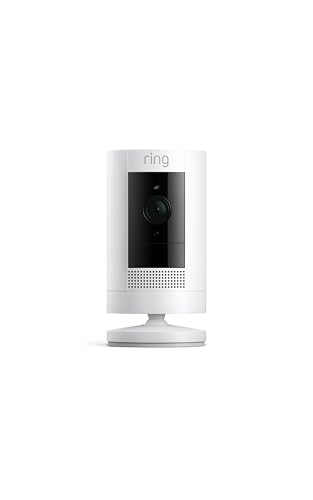
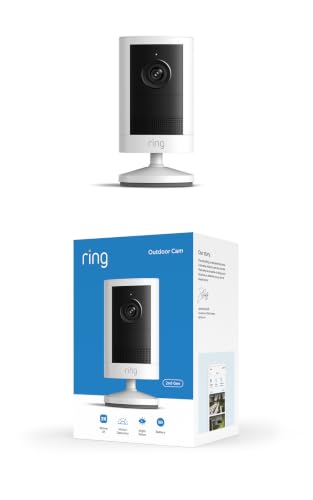
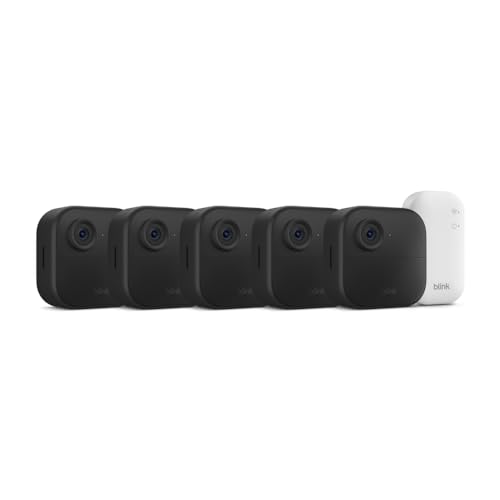
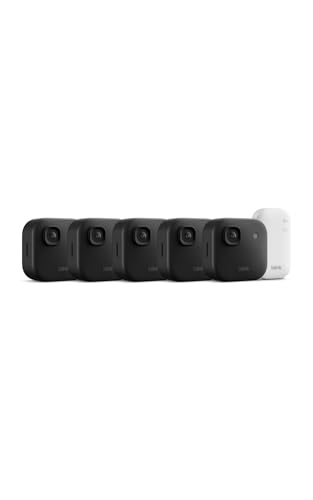
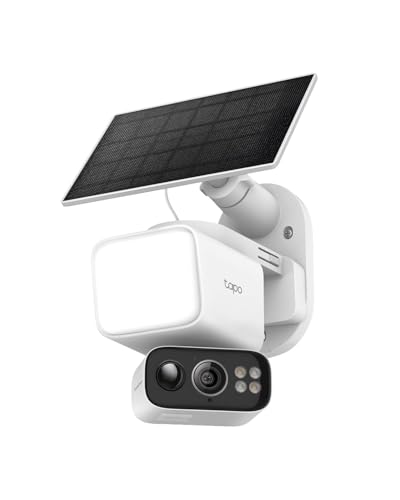
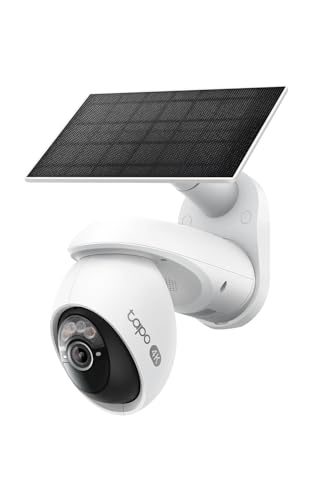
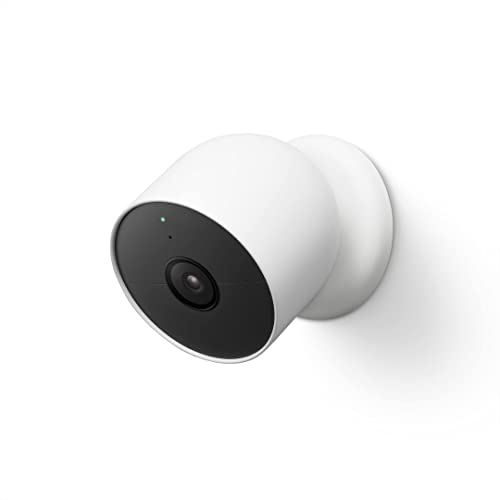
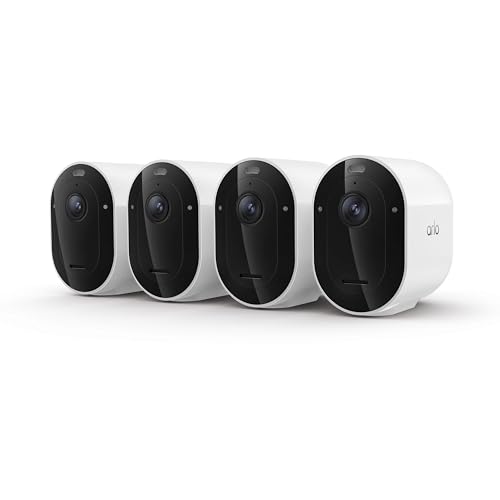
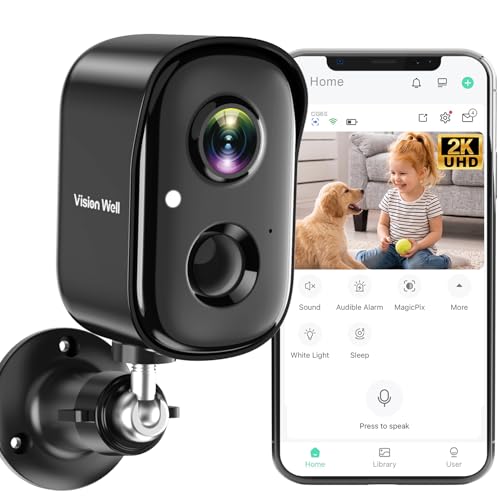
Choosing best battery outdoor security cameras starts with a simple question: where do you need a view, and how will you keep that camera powered through every season? A battery camera can watch a front door, a driveway, a side gate, or a backyard without a nearby outlet, and that freedom makes placement far more flexible than a wired setup. The product table can help you narrow the field before you compare power, video, detection, and storage in detail.
This guide compares types and features rather than ranking individual products, so you can match a camera to your home and climate. You will learn what affects battery life, which detection settings reduce unwanted alerts, and how storage choices affect monthly cost. No camera can guarantee safety, and local placement and recording rules still apply.


Who Should Buy Which Battery Outdoor Camera
Renters Who Cannot Drill or Run New Wiring
Renters often need a camera that mounts with a small bracket or clamp and can be removed without major damage. A battery camera fits that need because it does not require an electrician or a permanent power line, and many models can move from a door to a patio when a lease changes. Check lease and building rules before mounting, and choose a spot that covers an entry without pointing into a neighbor's private space.
Homes Without an Outlet Near the Entry
Many porches, gates, and detached garages have no outlet within easy reach, and running a long cable across a walkway creates a trip hazard. A battery camera solves the power problem at the cost of regular charging, so weigh battery size, solar options, and how easy the battery is to remove. If the camera sits high on a wall, a removable battery or solar panel matters more than a slightly sharper image.
People Who Travel or Spend Long Days Away
Travelers want alerts that mean something, not a phone full of wind and passing cars, so detection zones and person detection matter more than raw resolution alone. A clear alert history can help you check whether a package arrived or a gate was left open, but it cannot replace a neighbor or a lock. Choose dependable alerts, a storage plan you understand, and a mounting spot that stays clear in rain and snow.
Key Features of the Best Battery Outdoor Security Cameras
Video Resolution and Field of View
Resolution affects detail at distance, but a wider field of view can matter just as much for a driveway or a yard. A view of about 130 to 160 degrees can cover a broad porch in one frame, while a narrower view may need careful aiming to catch both a walkway and a door. Remember that a high resolution setting can use more battery and storage than a moderate setting.
Power and Battery Life
Battery life depends on temperature, motion frequency, video length, night vision use, and WiFi signal strength, so a maker estimate is only a starting point. Cold weather can shorten run time, and a camera aimed at a busy street will wake far more often than one aimed at a quiet side door. For power focused models, see our guide to best battery powered outdoor security cameras and compare removable batteries, built in batteries, and solar options. A removable battery is easier to swap on a ladder, while a solar panel can top up a battery in sunny spots.
Detection and Alerts
Smart detection can separate people, vehicles, and animals from general motion, which can cut daily alerts. Detection zones let you ignore a public sidewalk while keeping watch on your own porch, which helps in busy neighborhoods. Check your zones after installation, and adjust sensitivity if wind blown branches or passing headlights keep waking the camera, since every false alert uses battery power.
Night Vision in Color and Infrared
Night vision comes in two main forms: infrared video in black and white, and color video supported by a built in spotlight. Infrared video works in total darkness and uses less power, while a spotlight can add color detail but can also disturb neighbors if it triggers often. Check how far the night view reaches, and avoid aiming a spotlight at a street where passing cars could cause constant triggers.
Two Way Audio and Siren
Two way audio lets you speak through the camera to a visitor or delivery driver, which can be useful when you are away from home. A siren can add a loud warning, but use it with care, since a false trigger at night can disturb your household and neighbors. If you plan to record audio, check local laws first, because audio rules can differ from video rules in some places.
Storage, Subscriptions, and Privacy Controls
Storage choices shape cost and control, with options that include cloud storage, a local memory card, or a home base station. Cloud storage often requires a monthly plan for longer clip history, while local storage can avoid a monthly fee but may be lost if the camera itself is taken. Use a unique password, turn on two factor sign in where offered, and review who has access to shared clips. For broader outdoor options, see our guide to best cameras for outdoor security before you settle on a battery only setup.
Types of Battery Outdoor Cameras
Video Doorbells
A video doorbell combines a doorbell with a camera aimed at visitors, packages, and the area just outside the door. It suits front doors where most activity happens in a small zone, and it gives you a clear way to talk to visitors. Its view is narrower than a wide yard camera, so it works best as part of a wider plan.
Battery Powered Wireless Cameras
A wireless battery camera can mount almost anywhere with a view and a WiFi signal, from a garage corner to a fence post near a gate. That flexibility suits side yards, driveways, and backyards that lack wiring, though you must plan for charging and signal strength at distance. For a model built around battery use, see our guide to best battery security cameras and compare battery size, charging method, and weather rating.
Solar Powered Cameras
A solar powered camera pairs a battery with a small panel that trickle charges during daylight, which can stretch the time between manual charges. Solar works best with several hours of direct sun each day, and poorly under a deep porch roof or in heavy shade. Treat solar as a helper rather than endless power, and keep a charging plan for cloudy weeks and winter.
Wired Camera Systems
A wired system draws steady power and often records continuously, which avoids charging where wiring is already in place. It is less flexible for renters and for spots far from an outlet, and installation can cost more if cables must run through walls. Compare options by total effort, not camera price alone, since installation, storage, and upkeep all add to the real cost.
What Different Budgets Can Buy
Spending Less
A lower cost battery camera usually offers a basic motion alert, a moderate resolution, and a shorter clip history, which can be enough for a single door or small porch. Expect more frequent charging if the camera wakes often, and check whether longer storage or person detection requires a paid plan.
Spending in the Middle
A middle budget often buys a wider view, better night vision, smarter detection, and a larger battery or solar option. This is practical for a main entry or driveway, where false alerts and battery swaps become annoying if the camera is underpowered. Compare total cost, including any storage plan, when you weigh the best battery outdoor security cameras for your budget.
Common Mistakes to Avoid
- Mounting a camera too high to show faces, which leaves you with a view of hats and shoulders instead of useful detail.
- Aiming a camera at a busy street without detection zones, which drains the battery with alerts you do not need.
- Ignoring WiFi signal strength at the mounting spot, which can cause missed clips and delayed alerts.
- Assuming a battery will last as long in winter as it does in mild weather, which leads to a dead camera at the wrong time.
- Forgetting to check local placement and audio recording rules before mounting a camera near a shared boundary.
How to Make Your Battery Outdoor Camera Last Longer
- Mount cameras about 8 to 10 feet high, high enough to avoid easy tampering but low enough to capture faces clearly.
- Turn on two factor sign in for your camera account and keep the app and firmware updated when updates are offered.
- Position the camera away from direct sun glare and from branches that sway into the frame on windy days.
- Set detection zones and sensitivity for your own property first, then widen the view only if you miss real events.
- Check local laws before recording audio, and keep cameras out of bedrooms and bathrooms at all times.
- Charge a spare battery or keep a solar panel in mind for high mounts, so a swap does not require a long ladder climb in bad weather.
Frequently Asked Questions
Do I Need a Subscription for a Battery Outdoor Camera?
No, a subscription is not always required, but it often controls how long clips are stored and whether smart detection is included. Some cameras store short clips locally or offer a short cloud history without a plan, while longer history and person detection may sit behind a paid tier. Before you buy, check free history length, paid plan cost, and local storage availability.
How Much Storage Does a Battery Outdoor Camera Need?
The right amount depends on how often the camera wakes, how long each clip runs, and how far back you want to review events. A quiet side door may need only a small amount of storage, while a busy driveway can fill a card or cloud plan much faster. Look for at least several days of event history for a main entry, and favor local storage or a longer plan if you travel often.
Are Home Cameras Easy to Hack?
Home cameras can be attacked if accounts use weak passwords, shared logins, or outdated software, so account hygiene matters as much as the camera itself. Use a unique password, turn on two factor sign in where offered, update firmware when prompted, and remove access for people who no longer need it. Review privacy settings too, since shared clips can expose more than you intend.
Which Is More Reliable: Wired or Wireless Cameras?
Wired cameras tend to be more steady because they draw constant power and often record continuously, while wireless battery cameras depend on WiFi and battery charge. A wireless camera with a strong signal, a well aimed view, and a charged battery can still be very dependable for an entry or gate. For a battery focused comparison, see our guide to best battery outdoor cameras and weigh steady power against flexible placement.
Can Battery Outdoor Cameras Work Without WiFi?
Most battery outdoor cameras need WiFi for live viewing, alerts, and cloud clips, though some can record to local storage without a live connection. Without WiFi, you may lose instant alerts and remote viewing until the camera reconnects, which limits the camera for travelers. If your spot has weak WiFi, consider a signal extender or a wired option for that location.
Final Thoughts
The right choice comes down to placement, power, and honest expectations about upkeep, not to the highest resolution on the box. Start with the spots that matter most, such as a front door and a driveway, and choose a camera whose battery, detection, and storage fit those spots. Review the product table above, check local placement and recording rules, and pick the best battery outdoor security cameras setup you can maintain through every season.