Best Cell Trail Cameras in 2026: Which Type Is Right for You?
Disclosure: We may earn a commission when you buy through links on this page, at no extra cost to you. As an Amazon Associate I earn from qualifying purchases. Learn more

Compare the best cell trail cameras by type, from single carrier plans to full resolution delivery, and match each style to your land, signal and budget.
Cell trail cameras all promise the same magic trick, photos from the woods delivered to your phone, but the designs behind that promise differ more than the boxes admit. Some lock you to one carrier, some hunt for the strongest signal, and some skip cellular sending entirely and only pretend to belong in this category. This guide compares the types side by side so you can match a style to your land before comparing prices. The best cell trail cameras for you are the ones whose type fits how far your property sits from home and how often you can visit.
The comparison table below sums up the four types, and the sections after it explain each one in plain terms. Sellers also use the longer name best cell phone trail cameras for the same products, so treat the two labels as one shelf at the store. What separates the types is the sending system and the plan behind it, and that is where this guide keeps its focus.
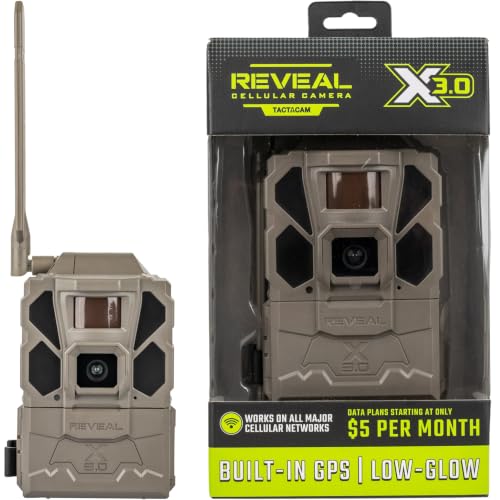

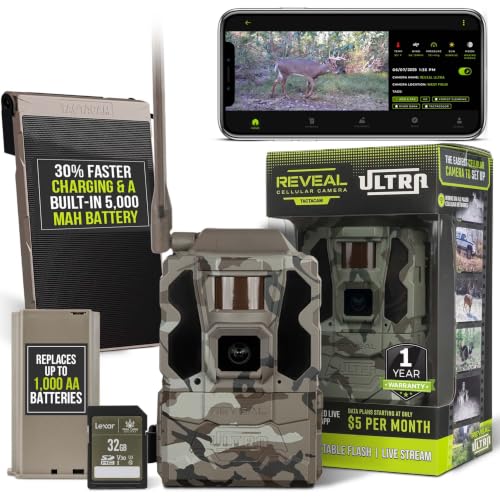


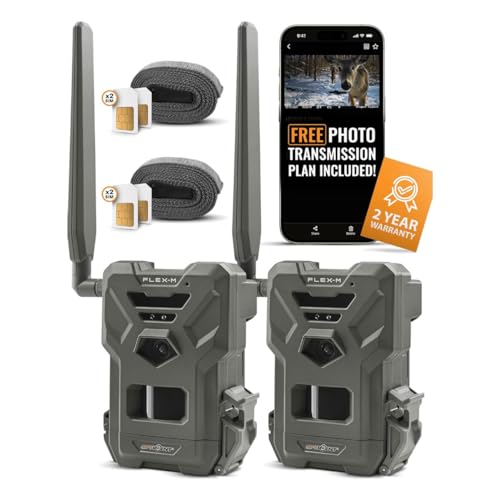
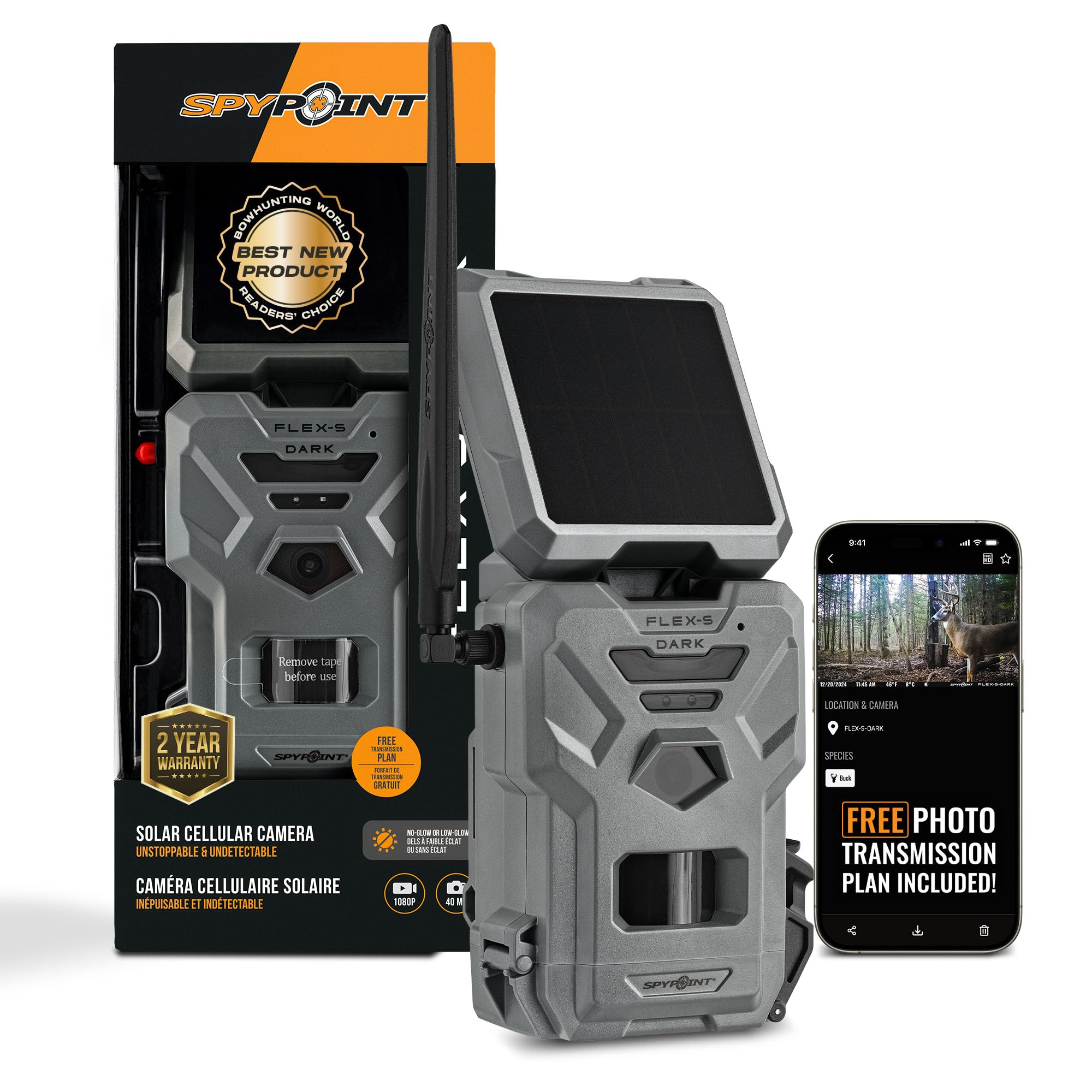


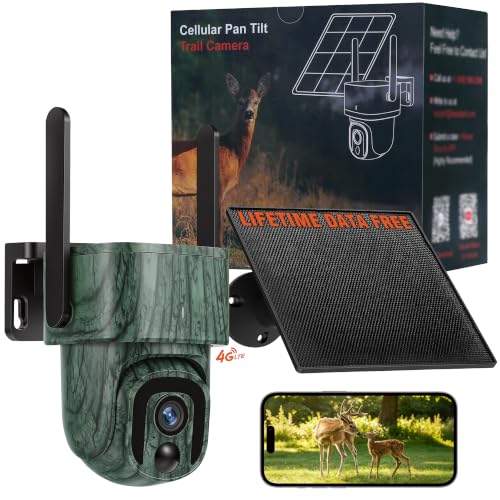
Types of Cell Trail Cameras Compared
Every model on the shelf falls into one of four families. Three send photos over a cellular network in different ways, and the fourth uses short range wireless that buyers often mistake for the same thing.
| Type | Best For | Pros | Cons | Typical Price |
|---|---|---|---|---|
| Single carrier plan cameras | Land with one strong carrier | Simple setup, one bill, plans tuned to the camera | Useless where that carrier is weak | about $100 to $200 |
| Multi carrier cameras | Remote or leased land | Radio picks the strongest network at the site | Higher camera price, plan terms vary by network | about $150 to $300 |
| Full resolution delivery cameras | Scrapes and detailed photo study | Large clear photos and video sent on request | Heavy data use, fast battery drain, pricier plans | about $200 to $350 |
| WiFi and Bluetooth cameras | Feeders near the house | No monthly plan, cheap to run | Cannot send beyond short range of your phone | about $60 to $150 |
Single Carrier Cameras With a Built In Plan
This is the most common type. The radio inside is tied to one network, and the camera maker sells the data plan through its own app, so activation takes minutes and one bill covers everything. The setup is the simplest of the four types, and the plans are usually shaped for trail camera traffic, with photo allowances instead of raw data amounts. For land where that one carrier is strong, nothing else is this easy to live with.
The weakness is just as plain: the camera is only as good as its one network at your tree. If that carrier fades in your valley, the camera cannot fall back on a rival signal, and no setting changes that. Buy this type when you have stood at your hunting spot, checked your phone, and seen steady signal from the carrier the camera uses. Sold at about $100 to $200, it is the sensible default for home land and for any property you have already tested.
Multi Carrier Cameras That Choose the Strongest Signal
Multi carrier models carry a radio and an account arrangement that can connect through more than one network. At setup, and often again whenever signal shifts, the camera joins the strongest carrier it can find at that spot. That flexibility is worth real money on leased land, new properties, and mountain or coastal ground where coverage changes from one ridge to the next. You are buying insurance against the coverage map being wrong.
The insurance is not free. Camera prices run higher, about $150 to $300, and plan terms can differ depending on which network the camera settles on, so read the fine print for each carrier the unit supports. Flexibility also has a limit: if every carrier is weak at a site, this type fails there too, just more gracefully. Test with phones on two networks when you can, and treat this type as the answer for land you cannot scout for signal in advance.
Cameras Built Around Full Resolution Delivery
Most cellular cameras send a small thumbnail to your phone and keep the full file on the memory card. This type flips that habit: it is built and priced to send large photos, and often short video clips, on request or by default. Antler detail, ear tags, and distant markings that vanish in a thumbnail stay readable, which matters at scrapes, for herd study, and for watching a gate or a feeder where detail is the point.
The cost shows up in three places at once. Large files burn plan data quickly, the radio stays on longer for every send, and batteries drain at a pace that surprises owners used to thumbnail models. Plans for this class run pricier, and the cameras themselves sit at about $200 to $350. Choose this type when the detail itself is the job, and budget the data and the power to match from the start.
WiFi and Bluetooth Cameras Are a Different Product
The fourth family wears the wireless label without the cellular radio. These cameras connect to your phone only when you stand within a short walk of the tree, using WiFi or Bluetooth to hand over photos without opening the case or pulling the card. That is genuinely handy at a backyard feeder or a camera near camp, and it costs nothing per month. What it cannot do is send anything to your home from the woods.
Buyers get misled here because listings use the same wireless language for both families. If the product page never names a carrier, a plan, or an app account, it is this type, whatever the headline implies. Judge it on its own honest terms: at about $60 to $150, it is a fine convenience upgrade over a card only camera for cameras you visit anyway. It is not a cheaper route to photos from remote land.
Match the Type to Your Land
If your hunting ground is your own back forty and you walk it weekly, almost any type works, and a single carrier camera on a pausable plan is usually the cheapest honest setup. You can swap batteries and cards on your rounds, so power drain matters less, and a near range camera can cover the feeders close to the house without any plan at all. For the wider family of sending cameras, our guide to best cell cameras maps the neighboring categories that share this shelf.
Leased land hours away changes the math. Visits cost fuel and a full day, so a camera that chooses the strongest carrier earns its higher price the first time it sends from a hollow where your usual network fades. Power becomes the weak point: a solar panel and lithium cells stop being extras and become the system itself. Theft risk also rises on land you cannot watch, so budget a lock box and cable into the type decision rather than after it.
There is also land where no cellular type is the right tool. If signal tests fail on every carrier, a standard card camera still scouts well, and our guide to best trail cameras covers that simpler class. A hybrid habit works too: cellular cameras on the two or three spots you check most, card cameras everywhere else, and all of them read into the same folder on your monthly walk.
A cabin, a barn, or a rural work yard is a fourth situation, and it suits the full resolution type more than the hunting types. What you want there is a clear face of a vehicle or a person at a gate, sent the moment it happens, from a building that may already give the camera shelter and a power outlet nearby. Owners in this situation often run the camera all year rather than by season, so a plan without a pause option costs less over time than a seasonal plan billed in bursts.
Plans, Power, and Honest Specs
Whichever type you choose, the plan outlives the camera deal. Expect about $5 to $15 per month for each camera, with caps on photo counts and extra charges for full resolution files and video. The camera price is the entry fee; the plan, the batteries, and the data are the membership. Our guide to best cell service trail cameras walks through plan structures brand by brand, so compare there before you commit to a family of cameras.
Sending is what empties batteries. A cellular camera set to instant send over a busy crossing can drain a full set in weeks, while the same camera batching its sends twice a day lasts far longer. Solar panels belong in the budget for remote sites, lithium cells for cold ones, and every run time figure from a maker assumes kind weather and strong signal. Weak signal is the hidden drain, since the radio retries and boosts its power to hold a connection it can barely keep.
Judge detection range, trigger speed, and flash reach as maker numbers from ideal tests on open ground. Brush, fog, and cold shorten all of them in real woods. Megapixel ratings deserve open doubt, because most sensors in this class are small and the advertised counts come from interpolation that inflates the file rather than the detail. No glow flash keeps the camera invisible but reaches less far and shoots dimmer than low glow, a trade every buyer should understand before choosing a type.
Mistakes That Cost Buyers a Season
- Buying a WiFi model after reading the word wireless and expecting photos from land an hour away. The two families share shelf language and nothing else.
- Choosing the carrier from the plan you use at home instead of testing signal where the camera will hang, then blaming the camera for a dead zone.
- Signing an annual plan before the first monthly test at the site, which locks the payment in before coverage is proven.
- Budgeting for the camera alone and forgetting the plan, the batteries, the memory card, and the lock box that the first season actually requires.
- Mounting the camera where it photographs a road or a neighbor's gate, which invites complaints, rule trouble, and theft all at once.
Care and Maintenance Tips
Clean the lens and the sensor window with a soft cloth, not a shirttail, because gritty fabric scratches the coating that night photos depend on. Format the memory card in the camera after each download, and retire any card that starts dropping files. Update the firmware when the maker releases it, since sending and battery fixes often ride along with it. Between seasons, take the batteries out, dry the case seals, and store the camera indoors so the gasket stays supple for the next year.
Frequently Asked Questions
What is the difference between a cell trail camera and a regular trail camera?
A regular trail camera stores photos on a memory card that you collect in person. A cell trail camera adds a cellular radio and a paid plan that send photos to an app on your phone. Many cellular models can also run in card only mode, which helps at sites with no signal at all. The trade is cost and battery life against never disturbing the area just to check cards.
Does every cell trail camera need its own data plan?
In most systems, yes: each camera carries its own line and its own monthly photo allowance. A few brands let several cameras share one pooled allowance, which suits owners running many cameras on a single property. Read the terms before buying a second camera, because a shared pool with a low cap can leave every camera silent by mid month on a busy property.
Can a cell trail camera send video clips, or only photos?
Many models can send short video clips, and nearly all store video on the card even when they only send photos. Sending video costs far more data and battery than sending photos, so plans often charge extra for it or limit the clip length. A common setup sends a photo instantly and keeps the matching clip on the card for your next visit, which balances fresh news against cost.
How far from home can a cell trail camera still send photos?
Distance from your house does not matter at all. The camera needs carrier signal at its own tree, and from there the network carries the photos anywhere your phone has service. A camera two states away on strong signal outperforms one in your back woods on none. What limits you is coverage at the site, the data in your plan, and battery life between your visits.
Are cell trail cameras legal to use while hunting?
Rules vary widely by state and by land type, and some states restrict real time scouting aids during an open season or ban cellular cameras on public land altogether. Others allow them for preseason scouting only. Because the rules change, check your current state regulations and the landowner's own rules before hanging a camera, and take it down promptly if a warden or a rule change says to.
Final Thoughts
Start with the type, not the model. One carrier or many, thumbnails or full files, cellular or near range: those four answers narrow the shelf to a handful of cameras that fit your land. Then weigh the plan and the power budget with clear eyes, using the product table above to compare the finalists side by side. Picked this way, the best cell trail cameras are simply the ones still sending clear photos in the last week of the season, long after the bargain choices have gone silent.