Best Center Drive Elliptical Trainers: Buying Guide for 2026
Disclosure: We may earn a commission when you buy through links on this page, at no extra cost to you. As an Amazon Associate I earn from qualifying purchases. Learn more

Compare the best center drive elliptical trainers by stride length, magnetic resistance, footprint and noise, with a clear checklist to choose with confidence.
A center drive layout places the flywheel between the pedals instead of at the front or the back, and that single choice changes balance, footprint, and stride feel. If you want the best center drive elliptical trainers, the right pick depends on your height, your room, and how quietly you need to train. This guide walks through fit, resistance, and build quality, and the comparison table below gathers the key specs in one place.
Center drive trainers suit people who find front drive machines unsteady at high effort and rear drive machines too long for the room. The pedals sit close together, the frame stays compact, and the motion feels planted. The sections below cover who benefits most, the features that matter, and the upkeep that keeps the motion quiet.


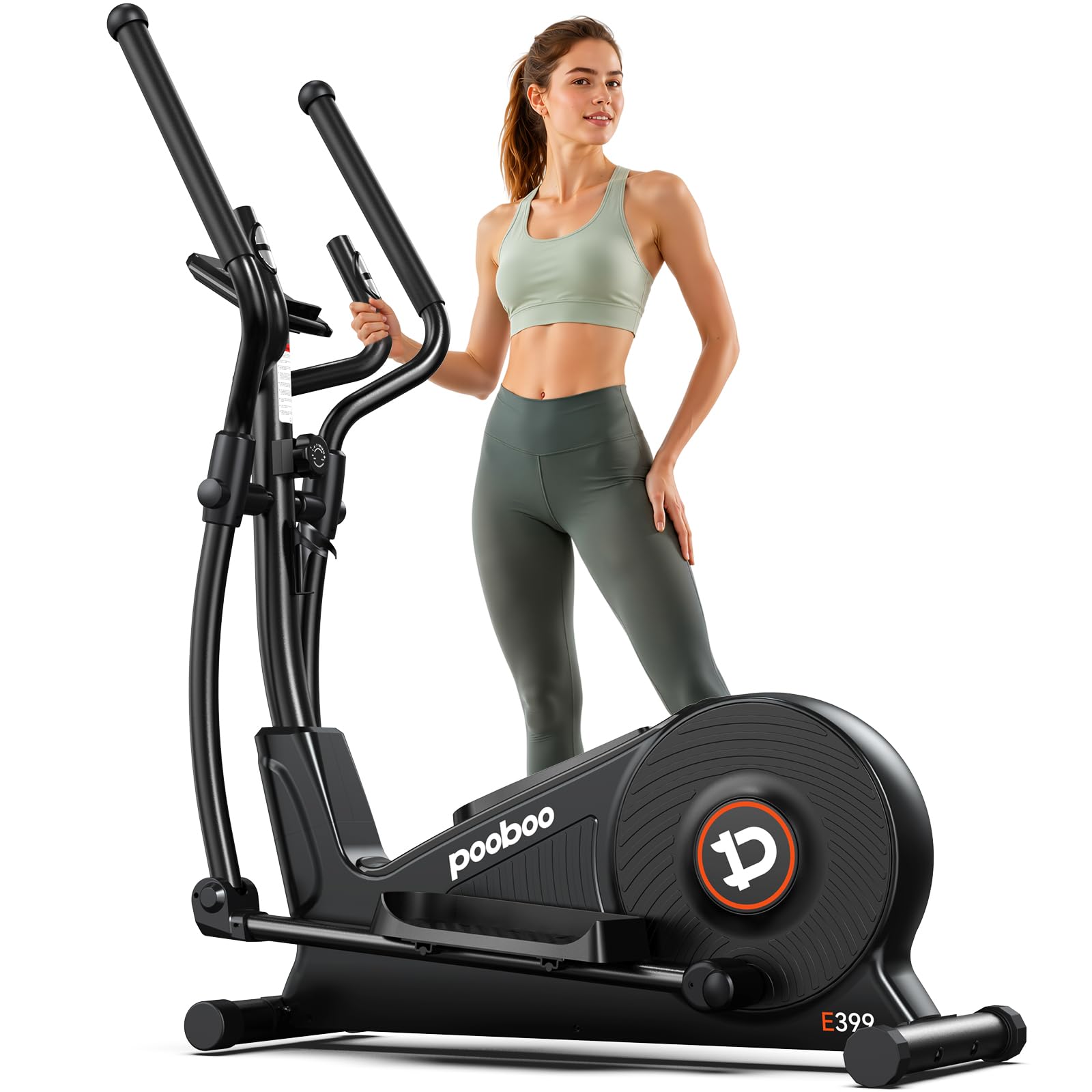


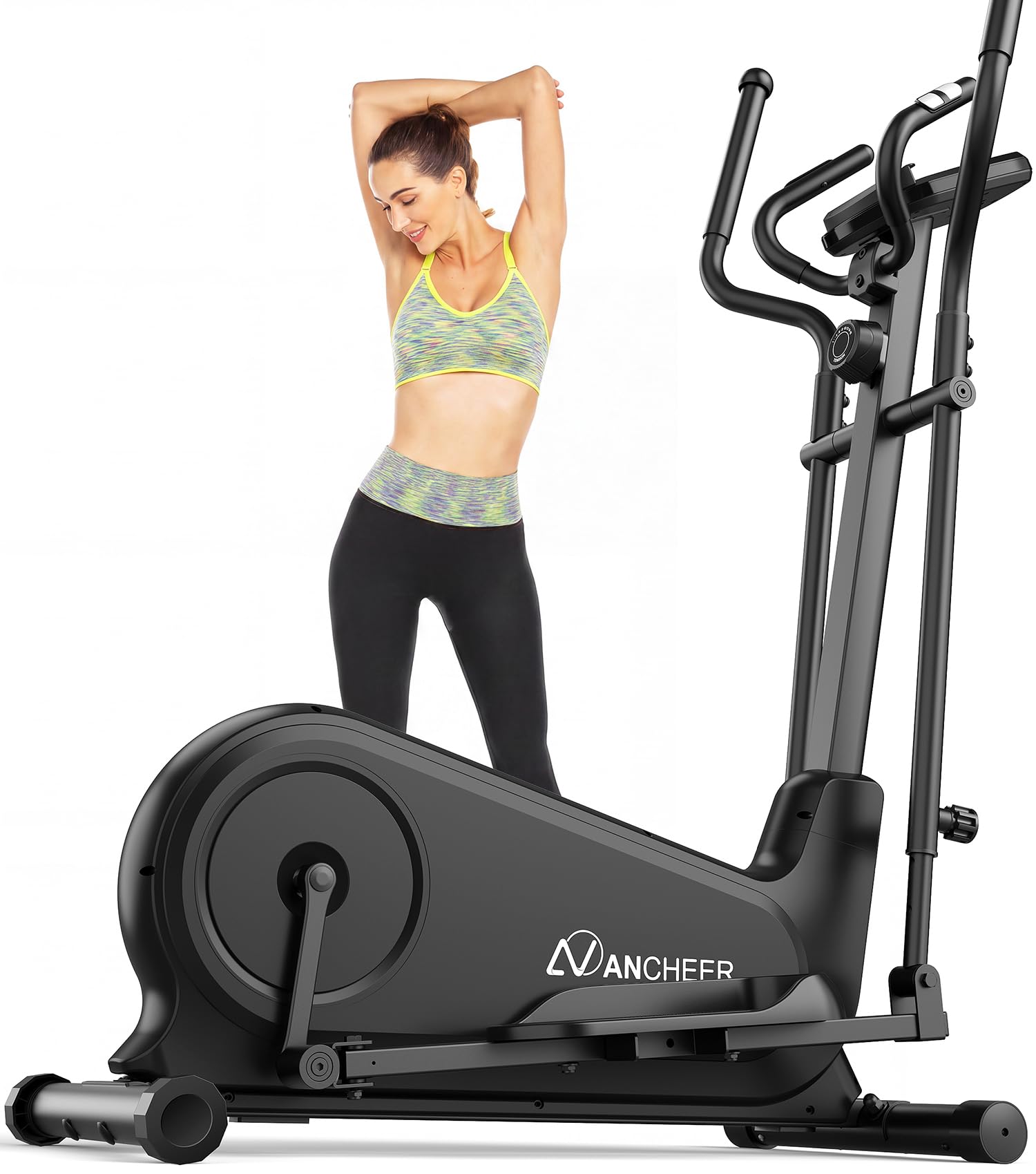
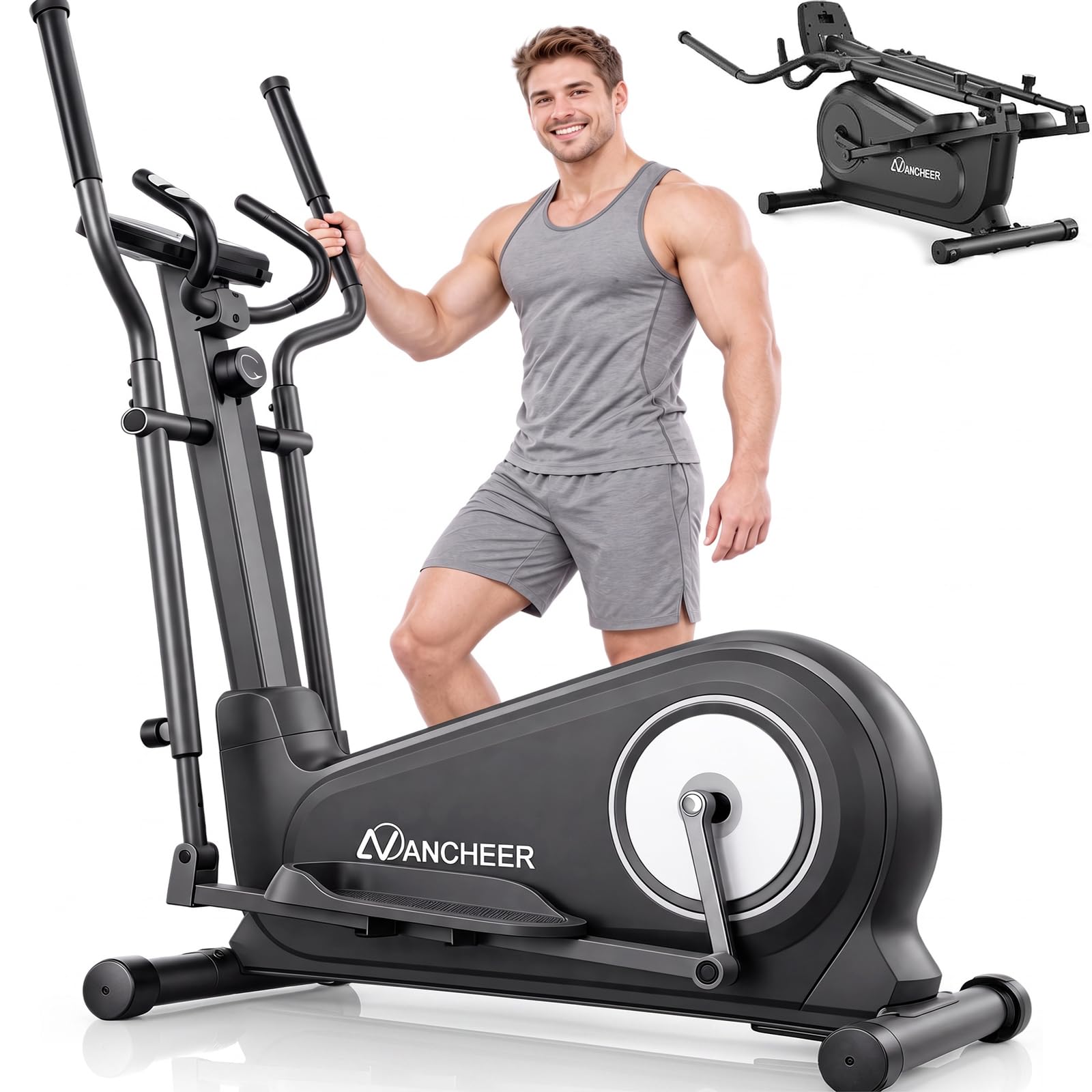

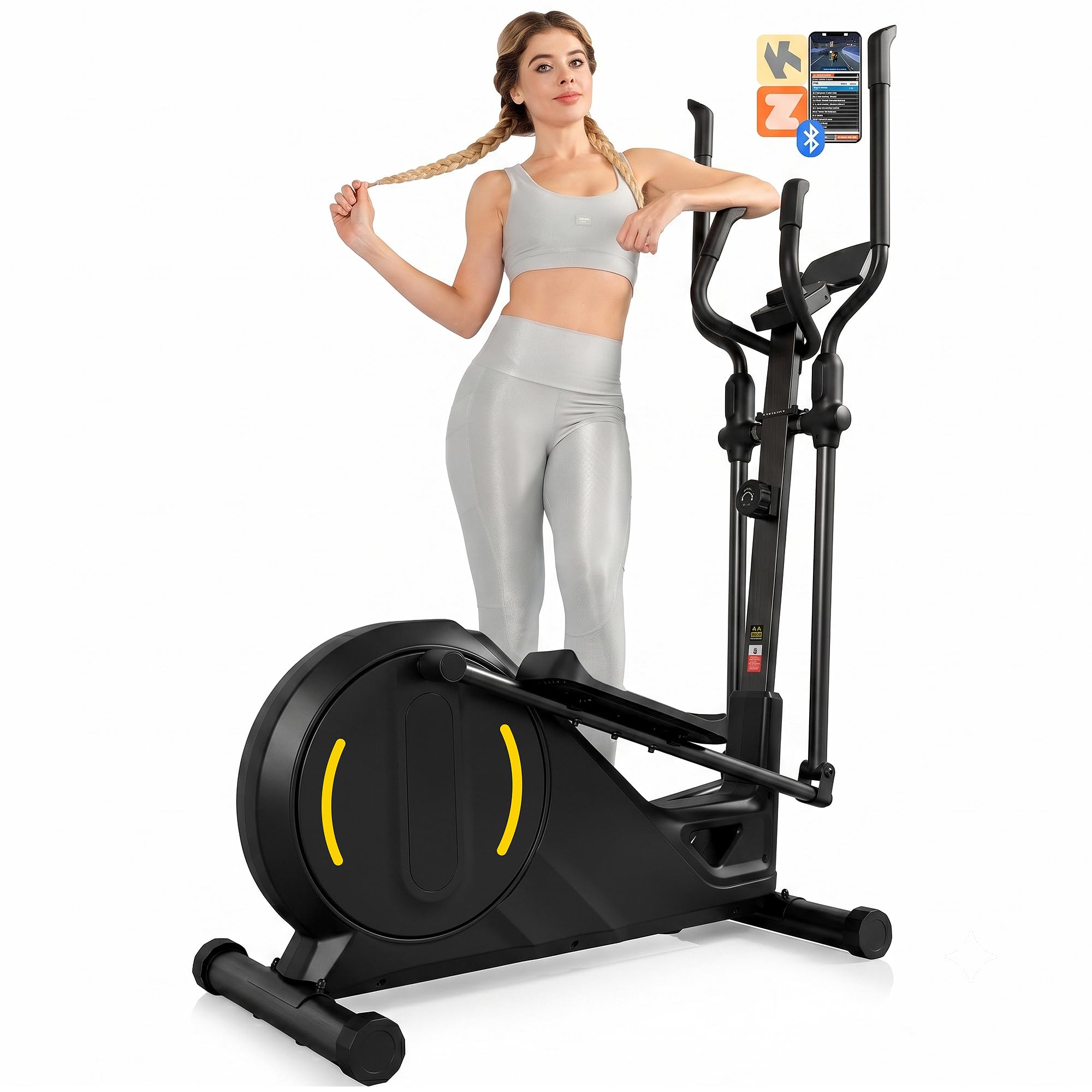
Who Should Buy a Center Drive Elliptical Trainer?
Start with the way you will actually train. If you are still deciding between layouts, see our guide to the best center drive elliptical for how this layout differs from front drive and rear drive designs.
Apartment and Condo Users With Limited Floor Space
You gain the most from the short frame, because a center drive trainer fits rooms where a long rear drive model would block a doorway. The upright posture keeps your weight over the middle of the frame, so the machine rocks less on upper floors. Choose a model with transport wheels, and you can roll it against a wall after a morning session and free the floor.
Taller and Shorter Riders Who Struggle With Stride Fit
Stride fit decides whether an elliptical feels natural, and center drive models offer a smooth, level path that suits a wide range of heights. If you are tall, look for a longer stride so your legs can extend fully. If you are shorter, a moderate stride with pedals set close together keeps your hips aligned and your feet flat.
Joint Sensitive Users Who Want a Quiet Daily Workout
Your feet stay on the pedals for the entire session, so there is no repeated impact through your knees and ankles, and the quiet drive suits early sessions. Start with short, gentle sessions and build time gradually. If you are returning after an injury, or you feel sharp pain, dizziness, or chest pressure during a session, stop and talk with your clinician about personal needs before you continue.
Key Features to Compare
Spec sheets tend to list the same headline numbers, so compare the details that change daily use. When you compare the best center drive elliptical trainers side by side, the six factors below explain most differences in ride feel and noise.
Stride Length and Pedal Spacing
Stride length is the front to back distance your feet travel, and most center drive models offer about 18 to 22 inches. Taller riders usually need the upper end of that range, while shorter riders feel bouncy on a stride that is too long. Pedal spacing matters just as much, because pedals set close together keep your hips, knees, and ankles in one line.
Space, Footprint, and Ceiling Height
Most center drive trainers measure about 45 to 60 inches long and 24 to 30 inches wide, plus clear space behind the pedals for safe step offs. Ceiling height is the check buyers forget. Add your own height to the step up height of the pedals, then leave several inches above your head, because your body rises as the pedals climb.
Magnetic Resistance Type and Resistance Levels
Center drive trainers use magnetic resistance, where a magnet moves closer to a metal flywheel to make pedaling harder without any parts touching. That contact free design keeps these machines quiet and resistance even through the full stride. Look for about 16 to 24 resistance levels, and favor a heavier flywheel, since more rotating mass smooths the small surges in each step.
Build Quality and Weight Capacity
A steel frame with clean welds and wide stabilizers keeps the trainer planted when you push hard on the pedals. Weight capacity runs from about 250 to 400 pounds, and choosing a rating well above your body weight adds stability and slows wear on the bearings. You can also see our guide to the best rated elliptical trainer to compare how owners score frame stability.
Noise Level for Apartments
The magnetic brake itself makes almost no sound, so most noise comes from vibration passing through the frame into the floor and from worn rollers or loose bolts. A thick mat under the machine absorbs much of that hum. Ground floor rooms carry the least sound, and a trainer placed over a joist sounds quieter than one mid room on a springy floor.
Assembly, Portability, and Warranty
Plan on one to two hours of assembly with a second person, because the center drive unit is heavy and awkward to lift alone. Transport wheels let you tip and roll the trainer when needed. Compare frame coverage of ten years to lifetime, parts coverage of about 2 to 5 years, and labor coverage of about 1 to 2 years.
Types of Center Drive Elliptical Trainers
Center drive trainers split into three broad families, and the family matters more than any single spec. For the wider market view, see our guide to the best elliptical trainer machine for the main layouts side by side.
Commercial Grade Models
Commercial grade models use the heaviest steel frames, the highest weight capacities, and the longest warranties, built for shared gyms and heavy daily home use. Prices run about $2,500 to $5,000. Choose this family if several tall or heavy adults will train every day and you want the machine to feel unchanged after years.
Compact and Foldable Models
Compact and foldable models shorten the frame, shrink the flywheel, and in some cases fold or roll away for spare room workouts. Prices run about $700 to $1,400. The trade off is a slightly less planted feel at high resistance. Choose this family if floor space is your hardest limit and most sessions are steady efforts.
Smart Connected Models
Smart connected models add Bluetooth, a larger screen, and app based workouts that change resistance for you as the on screen terrain changes. Prices run about $1,200 to $2,800, and some apps charge a monthly fee after a trial. Choose this family if guided classes and progress tracking keep you consistent.
Common Mistakes to Avoid
Most regrets with this layout come from fit and room checks skipped before ordering.
- Choosing by flywheel weight alone and ignoring stride length leaves a smooth ride that still strains your knees.
- Forgetting ceiling height means your head can brush a low ceiling or a light fixture as the pedals rise.
- Pushing the trainer tight against a wall leaves no safe room to step off the back.
- Chasing the highest count of resistance levels matters little when the jump between low levels is too big for warm ups.
- Skipping a floor mat lets vibration travel into the floorboards, so a quiet machine still annoys the room below.
Care and Maintenance
A short routine keeps the stride smooth and the frame silent.
- Use a mat to protect floors and reduce noise, and vacuum under it monthly so grit stays out of the frame feet.
- Wipe down the pedals, handles, and console after each workout, because dried sweat slowly corrodes metal and clouds plastic.
- Tighten the frame and pedal bolts monthly, since small shifts in bolt tension cause most new squeaks.
- Wipe the pedal surfaces and moving joints weekly with a dry cloth so dust cannot build into a grinding paste.
- Inspect the power cord and console cable twice a year, and replace either one at the first sign of fraying.
FAQ
Is a subscription required to use a center drive elliptical trainer?
No subscription is required to use a center drive elliptical trainer. The built in programs and manual mode work fully on the machine itself. A paid app only adds streamed classes and extra tracking. Many owners place a tablet on the console shelf and follow free videos instead, at no monthly cost.
How much space does a center drive elliptical trainer need in a home?
A center drive elliptical trainer needs a clear patch of floor a little larger than a large yoga mat, plus side room to step on safely. Before you order, measure your doorway width and any tight hallway turn, because the boxed drive unit is the widest part and cannot bend around corners. Photographing the delivery path in advance saves surprises on arrival day.
How long does a center drive elliptical trainer last with regular use?
A well kept center drive elliptical trainer commonly lasts about 7 to 12 years of regular home use. Total workout hours matter more than calendar age, so twice weekly use ages a machine far slower than daily family use. Foot pads and the drive belt are wear items a service technician can replace, and keeping your warranty registration on file simplifies any late claim.
Which type of center drive elliptical trainer suits a beginner best?
A compact model with a fixed stride suits most beginners best, because there are fewer settings to get wrong on day one. Look for a console with a large start button and simple quick keys for resistance, so you can change effort without scrolling menus mid stride. Adjustable stride and complex app dashboards make more sense after a few months, once your preferred stride feel is clear.
Is a center drive elliptical trainer quiet enough for an apartment?
Yes, a center drive elliptical trainer is quiet enough for most apartments, since the magnetic brake makes almost no sound of its own. Most squeaks that appear later come from dry joints or a loose bolt, and basic lubricant or tightening fixes them. A steady cadence also travels less through the floor than hard sprint intervals, so save your loudest efforts for daytime.
Our Verdict
Fit comes first with this layout, so match stride length to your height, confirm the ceiling clearance, and then compare resistance range and frame capacity. Households short on space do best with compact models, and heavy daily users with commercial grade frames. Chosen with those checks in mind, the best center drive elliptical trainers deliver a smooth, quiet, joint friendly workout in a footprint most rooms can spare, so compare your finalists in the product table above.