Best cellular trail camera plans for multiple cameras for 2026: How Plans Work
Disclosure: We may earn a commission when you buy through links on this page, at no extra cost to you. As an Amazon Associate I earn from qualifying purchases. Learn more
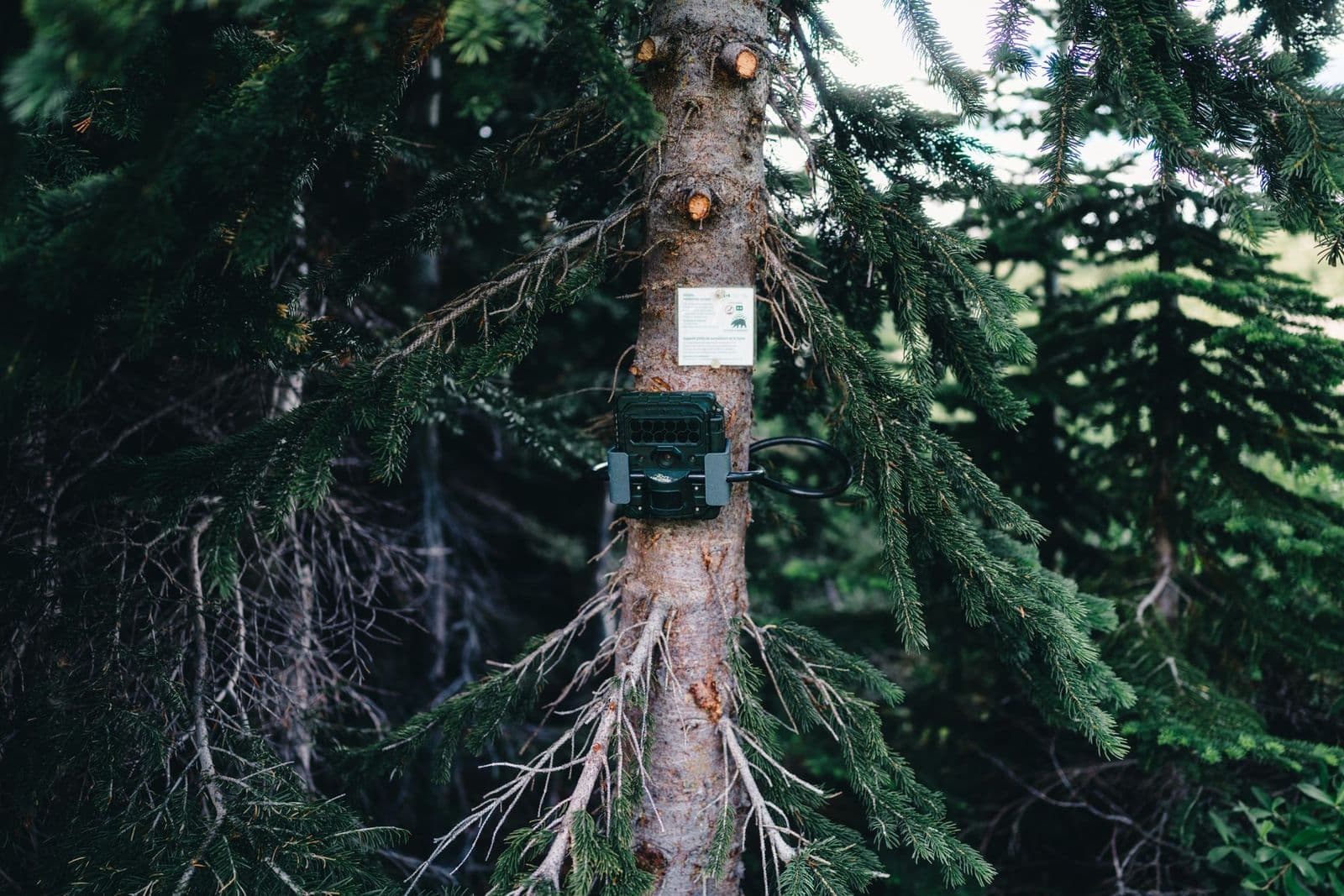
Compare the best cellular trail camera plans for multiple cameras by photo limits, shared data, camera counts, and contract terms before you pay for a season.
One cellular trail camera on a plan is simple. Three or four cameras spread across a lease are not, because every extra camera sends photos through the same account and the costs and limits stack up fast. Choosing the best cellular trail camera plans for multiple cameras means understanding how a plan counts cameras, how photos are shared or capped, and what happens when a busy rut week blows past your limit.
This guide breaks plans down by structure and by the terms that matter once you run more than one camera, so you can match a plan to the way you actually run your cameras.
Who Needs a Multi Camera Plan?
Hunters Running Two to Four Cameras
A small setup of two to four cameras on one property is where most hunters land. You want every camera reporting into one app, one bill, and one pool of photos, so a deer at any stand updates the same feed. A plan that charges full price for each camera adds up quickly at this size, so look for discounted add on cameras or a shared photo pool. Seasonal pausing matters too, since these cameras often sit in a closet from late winter to midsummer.
Land Managers and Lease Groups
When several people share a lease, the plan has to handle many cameras and several viewers. Look for accounts that allow multiple users, let you sort cameras by area or stand name, and keep billing with one person while others only view. Photo volume is the big risk, because ten cameras on food plots can send thousands of pictures a month.
Property Owners Watching Several Spots
Some owners run trail cameras on gates, barns, and remote corners of land for security as much as for game. These cameras run all year, so monthly cost and reliable delivery matter more than seasonal discounts. A plan with steady pricing and instant delivery of human or vehicle photos fits this use.
Plan Terms That Matter Most
How the Plan Counts Cameras
Plans count cameras in three main ways: a fee per camera, a base plan with discounted extra cameras, or one account price covering a set number of cameras. Per camera pricing is easy to predict but grows fast, while bundled camera counts reward you only if you actually run that many units. Ask what happens when you add a camera mid season, and whether removing one stops its charge right away or at the end of the billing cycle.
Photo Limits and Shared Data Pools
Most plans cap how many photos you receive each month, and multi camera plans either give each camera its own allowance or pour every photo into one shared pool. A shared pool suits uneven setups, where one feeder camera sends 800 photos and a quiet trail camera sends 40. Check whether videos count against the same pool, because video delivery often costs several photo credits per clip.
Picture Quality and Delivery Speed
Plans usually send a small preview photo fast, then charge extra or use more allowance for full resolution images and video. Across a fleet, the preview size decides whether you can judge antler points or just confirm a deer passed. Some plans batch deliveries to save data, sending photos every few hours instead of at once. If you hunt the same morning a photo arrives, instant delivery is worth more than a slightly larger photo cap.
Coverage and Carrier Fit
A plan only works where its carrier has signal, and the best priced plan is worthless on a lease in a dead zone. Most services run on one or two national carriers, and some cameras can switch SIM cards while others are locked to one network. Test signal at your camera trees with a phone on the same carrier first.
Contract Terms and Seasonal Pausing
Monthly plans cost more per month but let you pause or cancel when the season ends, while annual plans cut the monthly rate in exchange for a full year commitment. Read the pause rules closely: some plans keep your camera settings and photo history during a pause, others delete the account. Also check renewal terms, since many annual plans renew on their own at full price.
App and Account Management
With several cameras, the app becomes your control room, so it should rename cameras, group them by property, and show battery and signal for each unit on one screen. Guest access lets a hunting partner view photos without seeing your billing details. If you are still choosing hardware, the general roundup of the best trail cameras is a useful place to compare cellular and standard models before you think about plans.
Types of Multi Camera Plans
Per Camera Plans
Each camera carries its own subscription and its own photo allowance. This style is simple to start and simple to stop, since canceling one camera never touches the others. It suits hunters who add cameras slowly over several seasons. The weakness is cost: every camera pays full price, and a quiet camera allowance cannot help a busy camera that runs out mid month.
Shared Pool Plans
A shared pool gives the whole account one photo allowance that every camera draws from. Busy and quiet cameras balance each other, so the allowance matches how deer actually move across a property. This style usually offers the lowest cost per photo once you run three or more cameras. Watch the overage rate, because one camera aimed at a windy feeder can drain the pool.
Bundled Camera Count Plans
These plans set one price for a fixed number of cameras, such as five or ten, with unlimited or very high photo counts. Lease groups like them because the bill never changes and nobody counts photos in November. They only save money if you run close to the full camera count all season.
Seasonal Plans
Seasonal plans run for a set block of months, usually covering the fall hunting season, then stop without a renewal fight. They fit hunters who only care about deer season and pull cameras in January. Monthly cost during the season can be higher than an annual plan, but you pay for five months instead of twelve.
Managing Cost Through the Season
- Set busy cameras to a longer delay between triggers, so one feeder visit sends a handful of photos instead of fifty.
- Drop delivery to standard resolution for scouting cameras, and keep full resolution only where you judge antlers.
- Review the per camera photo counts each month and move cameras that send little but cost as much as your best spots.
- Use lithium batteries and check levels in the app, since a dead camera still on a paid plan is pure waste; the guide to the best batteries for cellular trail cameras explains the options.
- Pause or downgrade plans the week your season ends, not when you remember in spring.
Rules and Placement Notes
Follow your state hunting rules before any camera goes out, because some states limit cellular cameras during season or ban live transmission for hunting. Get written permission on private land that is not yours, and check the rules for public land, where cameras may need a name tag or removal after season. Aim cameras away from roads, houses, and other hunters stands. Rules differ by state and land type, so confirm the current wording with your game agency each year.
Frequently Asked Questions
Can I put several cameras on one cellular plan?
Yes, most services let you run several cameras under one account, but the pricing structure decides whether that saves money. Some plans charge a separate full fee for every camera, while others discount added cameras or share one photo pool across the account. Before you buy a second camera, confirm the add on price, the shared or separate photo limits, and whether all cameras must use the same carrier.
What happens when my plan runs out of photos?
When the monthly photo limit runs out, most plans stop sending new photos until the next cycle or until you buy extra data. The cameras keep saving full images to their memory cards, so nothing is lost if you visit the camera and pull the card. A mid season upgrade usually takes effect at once, which beats paying per photo overage rates for weeks.
Is a shared photo pool or a per camera limit better?
A shared pool is better for most multi camera setups, because deer activity is uneven and one hot spot can send ten times the photos of a quiet trail. The pool lets the busy camera use the allowance the quiet camera would waste. Per camera limits only make sense when you need strict cost control for one special camera, such as a gate camera that must never stop reporting.
Do cellular plans work where my phone has no signal?
Cellular trail cameras need carrier signal at the camera tree, and a plan cannot fix a dead zone. Cameras sometimes manage with a weaker signal than a phone call needs, since they send small data bursts, and an external antenna can help at the edge of coverage. If a spot has truly no service, use a standard camera there and pull the card by hand, as described in the guide to the best non cellular trail cameras.
Can I pause my plan after hunting season?
Most monthly plans can be paused or canceled at the end of a billing cycle, and many services keep your account and camera settings while paused. Annual plans usually cannot pause, which is the trade for their lower monthly rate. Before you pause, download any photos you want to keep, because some services clear stored images after a set time on an inactive account.
Final Thoughts
Count your cameras first, then match the plan structure to that number, and check photo limits, carrier coverage, and pause terms before you look at the monthly price. For most hunters, the best cellular trail camera plans for multiple cameras are shared pool plans that pause cleanly in the off season and deliver photos fast enough to hunt on.