
Best Cell Phone Cameras Ranked at Every Price: What Your Money Really Gets You for 2026
Disclosure: We may earn a commission when you buy through links on this page, at no extra cost to you. As an Amazon Associate I earn from qualifying purchases. Learn more

Compare the best cell phone cameras ranked by price tier, with clear guidance on lenses, night photos, video, storage, and upgrades worth paying for.
Camera phones span an enormous price range, from simple models under about $200 to flagships above $1,000, and the marketing at every level promises stunning photos. Knowing where the real jumps in quality happen saves you from paying for bragging rights you will never see in your pictures. This guide ranks the best cell phone cameras ranked by budget tier so you can see exactly what each step up buys.
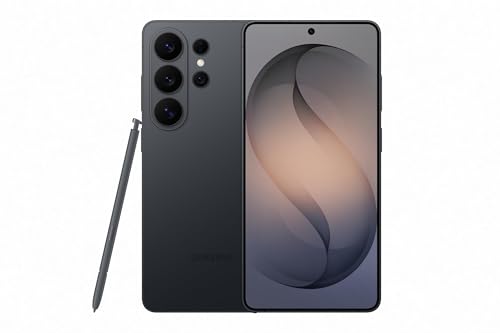
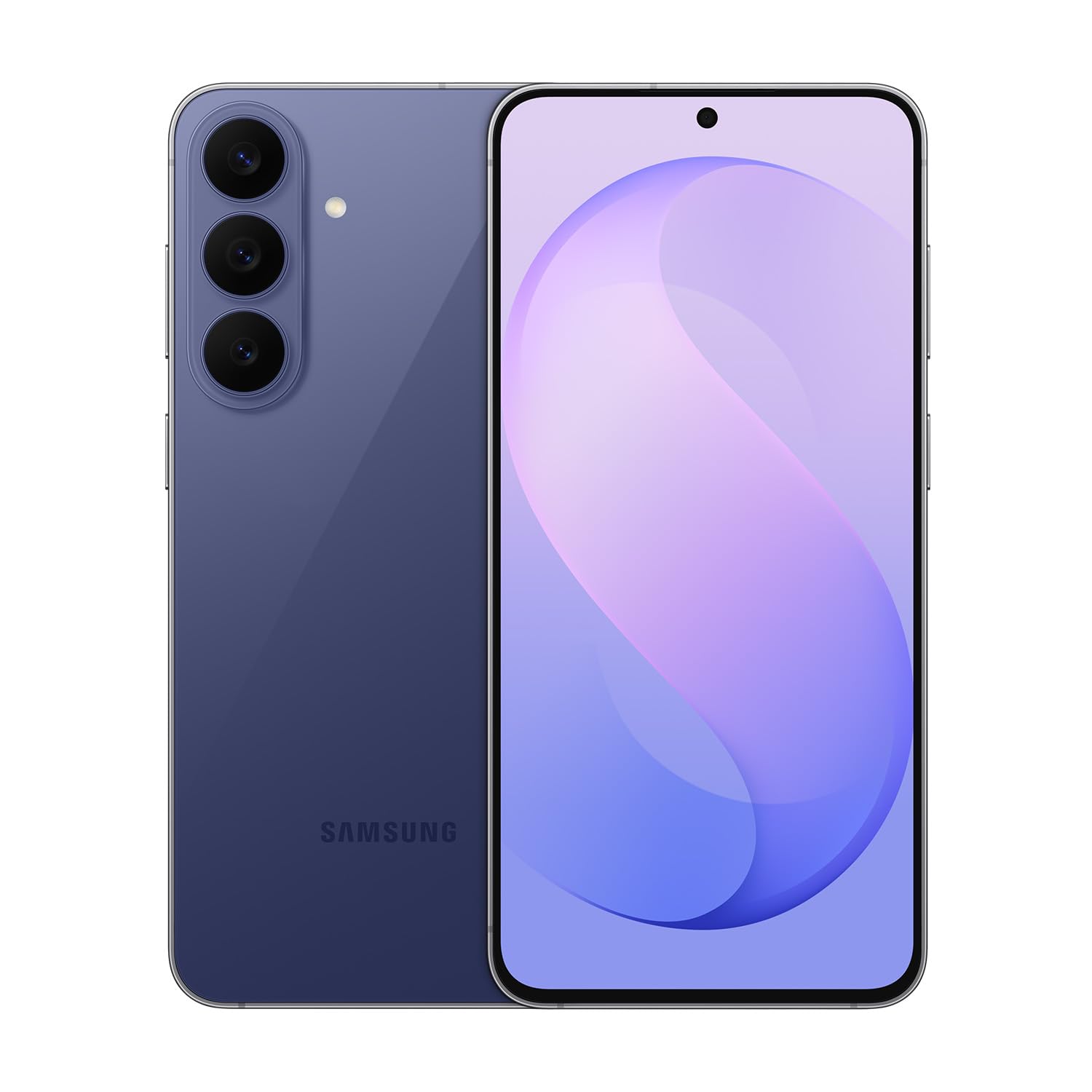
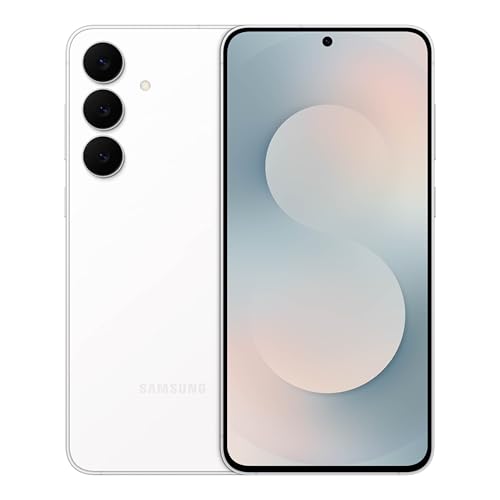
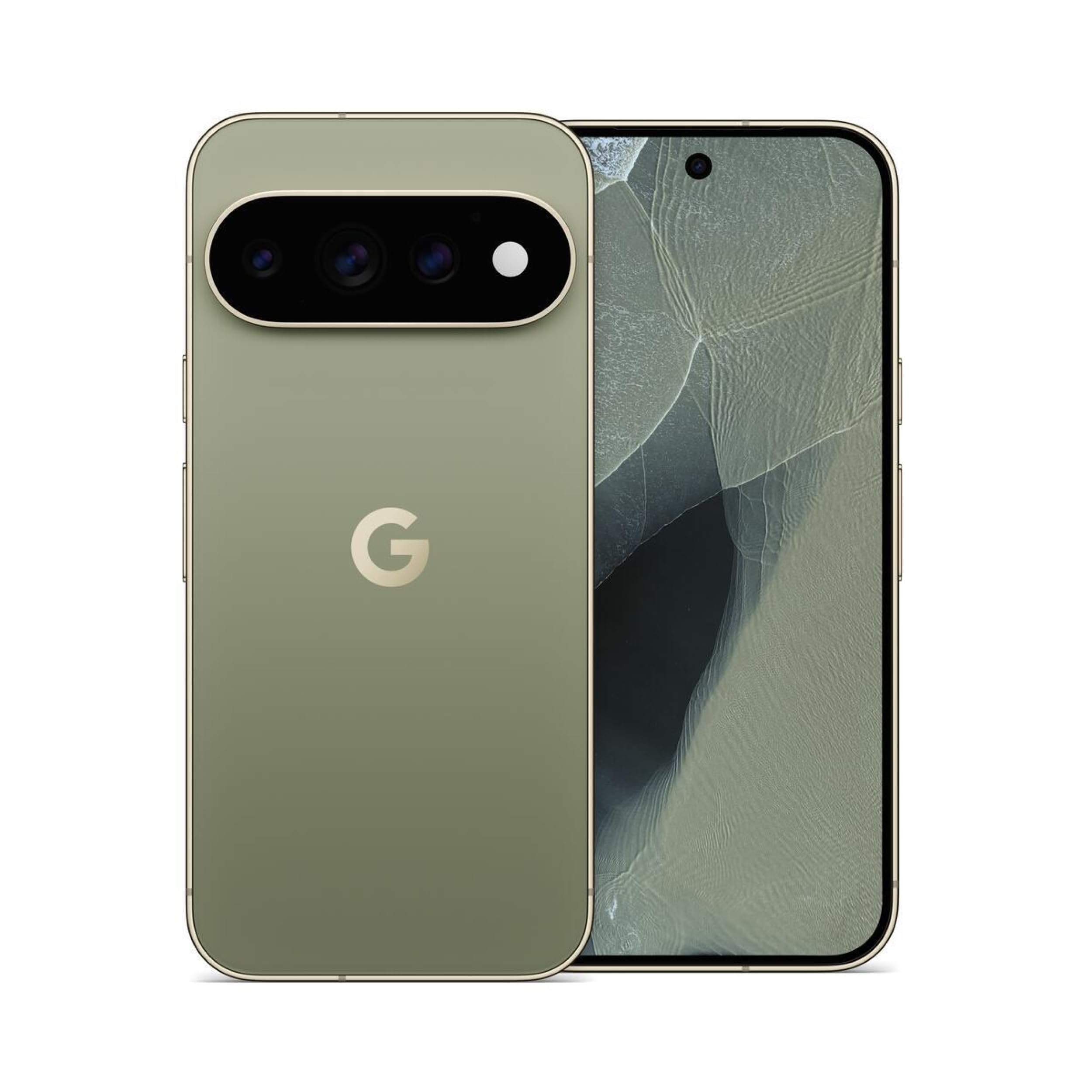
The comparison table below lays out the main camera specifications by tier. Read it alongside the sections here, which explain how sensor size, lenses, and software processing matter more than megapixel counts alone.




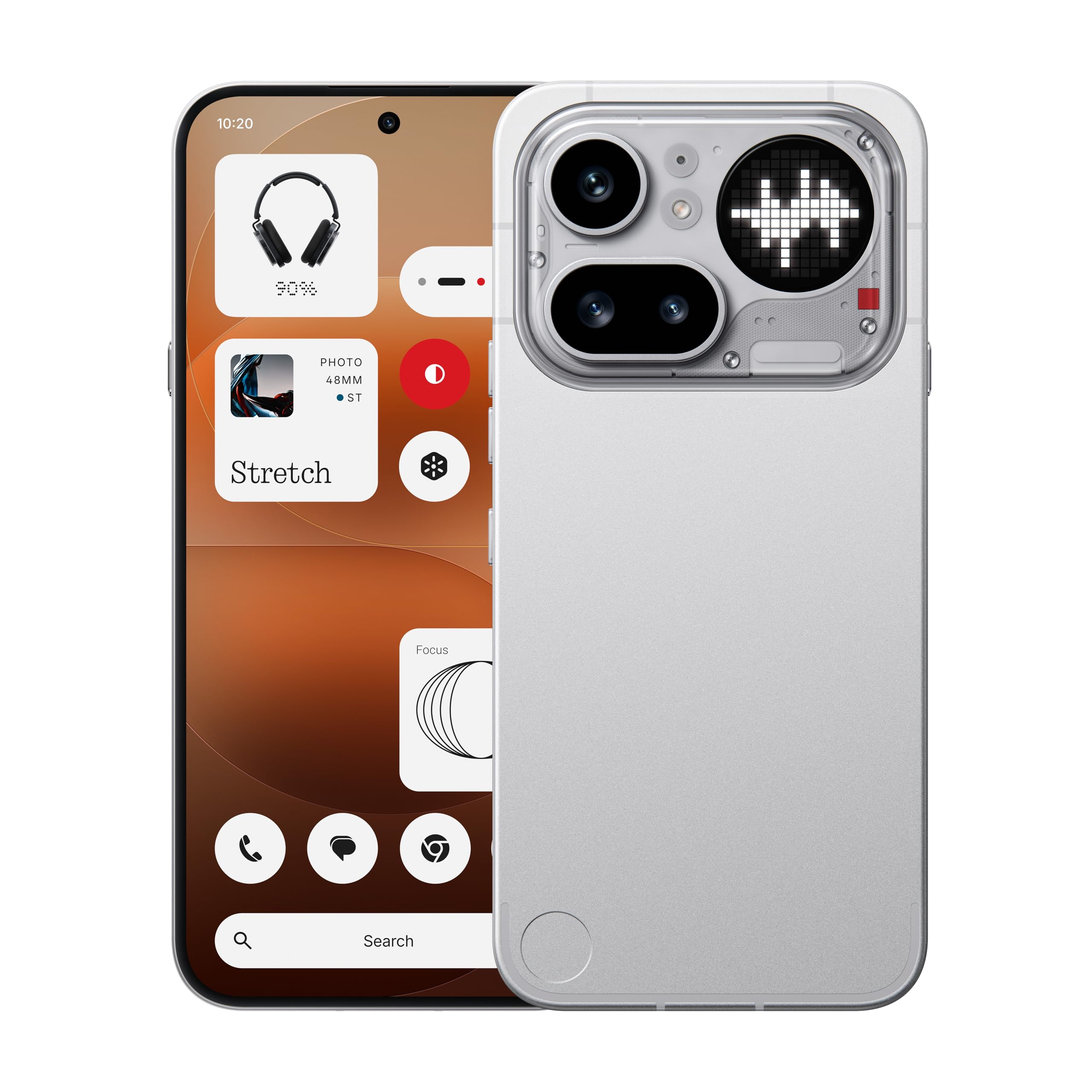
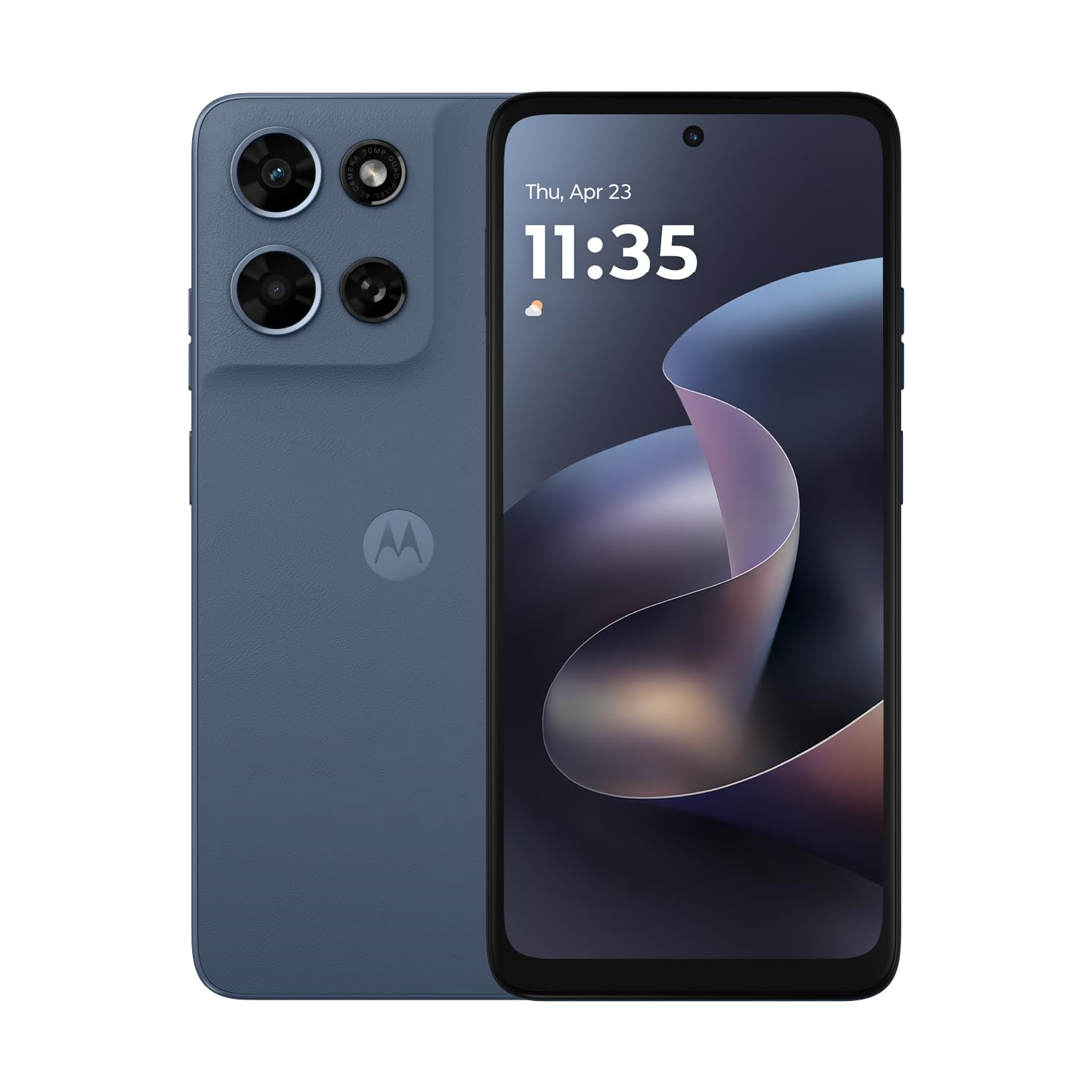
Best Cell Phone Cameras Ranked by Budget Tier
Budget Tier: Capable in Daylight, Limited at Night
Phones under about $300 rely on a single good main camera, sometimes joined by a modest ultrawide lens. In bright daylight they produce pleasing photos for social media and family albums. The limits show up indoors and after dark, where smaller sensors gather less light and processing smears fine detail. Video is usually capped at 1080p with basic stabilization. If you mostly shoot outdoors in good light, this tier can satisfy you for years.
Midrange Tier: The Sweet Spot for Most Buyers
Between about $300 and $700, cameras gain larger sensors, optical image stabilization, and far better night modes that stack multiple frames into one clean image. Ultrawide lenses become genuinely useful, and some models add a modest telephoto lens for portraits and distant subjects. Video improves to sharp 4K with steadier results. For most people, this tier delivers around ninety percent of flagship photo quality for roughly half the price, which is why it anchors any sensible ranking.
Premium Tier: When Spending More Pays Off
Above about $700, you pay for versatility and consistency: a strong main camera, a high quality ultrawide, and a real telephoto lens with optical zoom for sports, travel, and wildlife. Low light results stay cleaner, video gains advanced stabilization and higher frame rates, and processing keeps skin tones and colors natural across all lenses. The gains over midrange phones are real but narrower than the price gap suggests. Buy here if you shoot often in mixed light or rely on zoom.
Features Worth Paying For, and Ones to Skip
Camera System
Judge a camera system by its weakest lens, not its longest specification list. A large main sensor with optical stabilization matters most, because most photos come from that lens. A useful ultrawide should stay sharp at the edges, and a telephoto lens should offer true optical zoom rather than digital cropping. Extra low resolution macro or depth lenses add little. Night mode quality depends heavily on software, so favor brands with a long record of camera updates.
Storage Options
Photos and especially 4K video fill storage quickly, so 128 GB is the practical minimum for a camera focused phone, and 256 GB is the safer choice if you keep a phone for three or more years. Some midrange models still accept microSD cards, a cheap way to expand space for media. Flagships usually drop the card slot, which makes choosing enough internal storage at purchase more important. Cloud backup helps, but it is not a substitute when you shoot offline on a trip.
Display Size and Quality
The display is your viewfinder and your editing screen, so it shapes the whole camera experience. An OLED panel with strong outdoor brightness lets you frame shots in sunlight and judge colors honestly later. A 120 Hz refresh rate makes menus and galleries feel smooth, though it does not change photo quality. Accurate color matters more than extreme resolution here. If you review and edit photos on your phone often, prioritize brightness and color accuracy over a small bump in screen size.
Carrier Compatibility and 5G
An unlocked phone works on any major US carrier and keeps its resale value, while carrier locked models can be cheaper up front but limit your options later. Check that the model supports the 5G bands your carrier uses, especially if you upload large videos away from WiFi. For camera shopping, compatibility matters because the best value model is useless if it drops signal where you live. Readers comparing simpler options can also look at the best basic cell phones with camera for easy to use designs.
How to Judge Camera Claims Before You Buy
Megapixel counts are the weakest guide to photo quality, because a 200 megapixel sensor can still produce soft images if the lens and processing are poor. Look instead for sensor size descriptions, aperture figures where a lower number gathers more light, and whether the main camera has optical stabilization. Sample galleries from full resolution files tell you more than polished advertisements, especially for skin tones, indoor detail, and night skies.
Also test how a phone handles the subjects you actually shoot. A camera that excels at landscapes may struggle with moving kids or pets, where shutter speed and focus tracking matter most. If you can, handle the phone in a store, take a few photos of a person under indoor lighting, and zoom in on the result. That quick check reveals processing habits, such as heavy smoothing or oversharpening, that specification sheets never show.
Long Term Costs to Factor In
The purchase price is only part of what a camera phone costs you. Budget for a protective case and a lens friendly cover, since a cracked camera glass can ruin every photo. Cloud storage plans for full resolution backups add a small monthly cost that grows with your library. Battery health also affects camera use, because heavy shooting drains a phone fast, and a battery replacement after a few years may cost around $50 to $100. Finally, longer software support extends the useful life of the phone, spreading the price over more years.
Software updates deserve special attention in a camera purchase because manufacturers keep improving processing long after launch. A phone that receives four or more years of updates often takes better photos in year three than it did on day one. When you compare tiers, weigh that support window alongside the hardware. Shoppers who want a broader shortlist can cross check our guide to the best phones with good camera quality, which focuses on everyday photo results rather than price bands.
FAQs
Is a mid range phone good enough?
Yes, for most people a mid range phone is good enough, especially for daylight photos, family events, and social media. Modern midrange cameras include large sensors, stabilization, and strong night modes that were flagship features only a few years ago. You give up mainly telephoto reach and the cleanest low light video. If you rarely zoom or shoot concerts at night, the savings are better spent on storage or a longer lasting model.
How many years of updates should a phone get?
Aim for at least four years of security updates and three or more major system upgrades. Updates protect your photos and accounts, and camera software often improves through them as well. Premium phones now promise up to seven years of support, which raises their long term value despite the higher price. Before buying, check the exact promise for that model, because support windows vary even within one brand and one price tier.
Should I buy unlocked?
Buying unlocked is usually the smarter choice because you can switch carriers, travel with local SIM or eSIM options, and resell the phone more easily. Unlocked models also avoid carrier installed apps and sometimes receive updates sooner. The trade off is paying more up front instead of spreading the cost through a carrier plan. If a carrier deal looks much cheaper, read the full term cost, including required plans, before deciding.
How much storage do I need?
Most camera users should choose 256 GB, because photos, apps, and a single hour of 4K video can consume tens of gigabytes. Light users who stream everything and back up to the cloud can manage with 128 GB. Heavy video shooters should consider 512 GB or a model with card expansion. Check your current phone usage in settings before buying; your next phone should offer at least double your current usage to leave room to grow.
Do I need 5G?
You do not need 5G for camera quality, but it helps when uploading large photo sets or video clips away from WiFi. In many areas LTE speeds remain perfectly adequate for sharing and cloud backup. Treat 5G as a convenience feature that will matter more over the life of the phone. Since nearly every midrange and premium phone now includes it, you rarely pay extra specifically for 5G anymore.
Wrapping Up
Rank your priorities before your budget: daylight shooters thrive in the budget tier, most buyers belong in the midrange, and frequent zoom or low light shooters earn back a premium price. Storage and update support decide how long the phone stays useful. Choose the best cell phone cameras ranked option that fits your light, your subjects, and your habits, then compare the finalists in the product table above.


