Best Catering Ovens: What Actually Matters Before You Buy for 2026
Disclosure: We may earn a commission when you buy through links on this page, at no extra cost to you. As an Amazon Associate I earn from qualifying purchases. Learn more
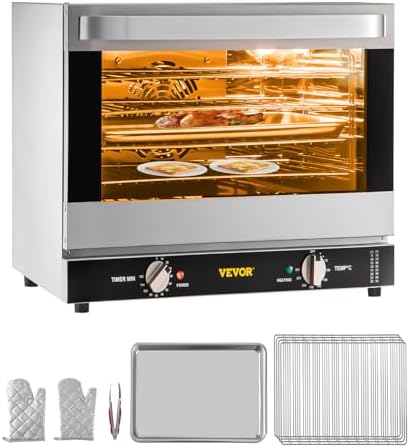
Compare the best catering ovens by pan capacity, voltage, airflow, controls and cleaning needs to match your menu and kitchen.
Catering work punishes the wrong oven quickly. A unit that handles family dinners can fall behind when you are roasting trays of chicken, reheating sides and turning out batches against a hard serving time. The best catering ovens share a few traits: honest pan capacity, even airflow, a power supply your kitchen can actually deliver and controls your whole crew can run without guesswork.
This guide covers the commercial countertop and floor convection ovens caterers rely on, and what separates a dependable one from a frustrating one. Compare the options in the table, then use the sections below to decide which size, fuel and style fits your menu, your space and your hookups.

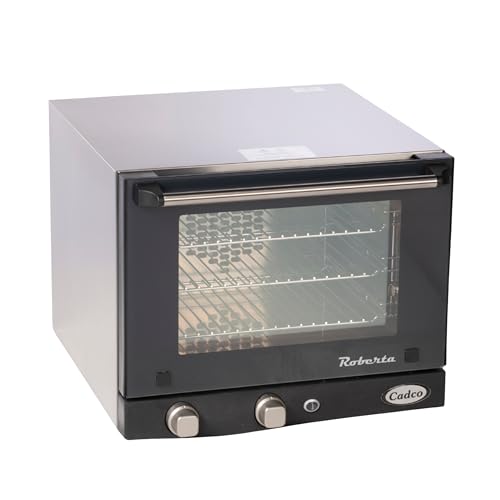


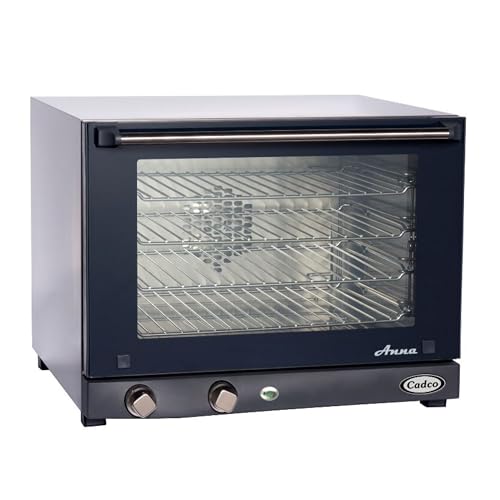
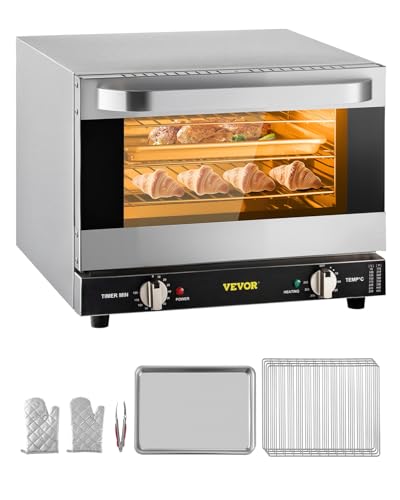


What Counts as a Catering Oven
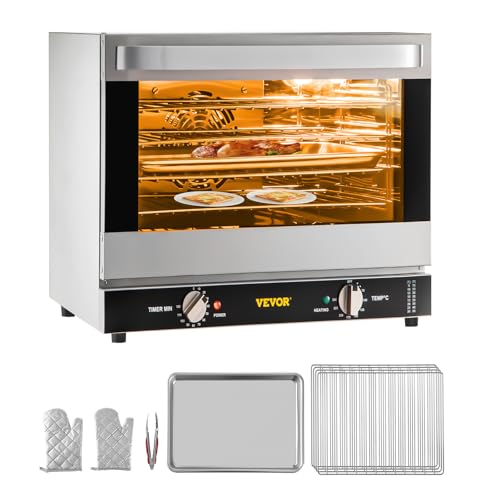
A catering oven is built for repeated, back to back batches rather than one big family meal. Most are convection models, where a fan moves hot air across every rack so trays on the top and bottom shelves finish together. They come in quarter size, half size and full size versions, named after the sheet pans they hold, and in electric or gas versions.
Roaster ovens, hot boxes and warming cabinets also turn up in catering kitchens, but they do different jobs. A roaster handles whole birds and large cuts, a hot box keeps finished food at serving temperature, and a convection oven does the baking, roasting and reheating in between. If you only need a small extra oven for prep, our guide to the best countertop oven covers lighter duty models. For a standard range style oven, see the best conventional ovens.
Choosing Capacity: Quarter, Half or Full Size
Quarter Size Ovens for Small Batches
Quarter size ovens hold small pans and suit pastry, finishing dishes, toasting and small reheating jobs. They plug into a standard outlet in many cases and fit on a prep counter, which makes them a useful second oven. They are too small to carry a full menu for a large event on their own.
Half Size Ovens for Most Caterers
Half size ovens take the 18 by 13 inch pans most small caterers already own, and they hold three or four trays at once. This is the practical choice for home based caterers and food trucks, because it balances capacity against counter space and power draw. Two half size units side by side often beat one oversize oven, since you can run different temperatures at the same time.
Full Size and Floor Models for Volume
Full size ovens take 18 by 26 inch sheet pans and suit kitchens cooking for large guest counts. Floor standing gas models add capacity but need a proper gas connection, ventilation and often a hood. Choose this size only when your event volume justifies the floor space and the installation cost.
Electrical and Gas Requirements
Power is the point that stops more installs than any other. Small countertop ovens often run on a standard 120 volt circuit, but the larger electric models draw more and need a dedicated 208 to 240 volt circuit. Read the nameplate rating on the listing, compare it with the circuit you have, and have an electrician confirm the wiring before you order.
Gas models need a correctly sized gas line, a shutoff valve and proper ventilation, and propane sites may need a conversion kit. Local codes and your insurer may require a licensed installer and a hood for commercial gas equipment. Confirm the delivery path as well: door widths, turns and steps stop installs too, and the oven needs clearance on every side to breathe.
Features That Matter During Service
Airflow and Even Baking
Even heat is the whole reason to buy convection. Look for a fan that covers the full back wall, rack guides that hold pans level, and a door that seals well so heat does not escape every time you reach in. Uneven ovens force you to rotate trays mid batch, which costs time you do not have at an event.
Controls and Timers
Simple dials and a loud timer beat a complex touchscreen in a hot, noisy kitchen. Choose controls your whole team can read across the room, with a temperature range wide enough for baking, roasting and low reheating. A manual dial survives greasy hands better than a panel that needs a clean fingertip.
Build Quality and Cleaning
Stainless steel interiors and exteriors wipe clean and shrug off knocks in a busy kitchen. Look for removable racks and a drip tray you can slide out and wash, because grease buildup is the most common cause of smoke and bad smells. A glass door lets you check progress without opening the oven and losing heat.
Budget, Mid Range and Heavy Duty Ovens
Entry level countertop convection ovens suit new caterers, backup roles and occasional events. They cook well when matched to realistic volumes, though the exterior runs hotter and insulation is thinner. Mid range commercial units add sturdier doors, better airflow and longer warranties, and they fit caterers running several events a month.
Heavy duty and floor models earn their higher price through thicker steel, stronger hinges and burners or elements built for daily service. Buy this level when oven downtime would cancel events, not simply because it looks impressive. Whatever the tier, spend part of your savings on spare racks, sheet pans and a proper installation.
Quick Buyer Checklist
- Do your usual pans fit the oven, with room between racks for tall dishes?
- Does your kitchen have the right circuit or gas line already in place?
- Is there clearance around the oven for heat to escape safely?
- Can every staff member read the controls and hear the timer?
- Are the racks and drip tray removable for cleaning?
- Does the warranty cover parts for at least a full year?
- Have you confirmed the delivery path, including doors, turns and steps?
Red Flags to Watch For
Vague power ratings with no wattage or voltage listed usually hide weak performance or a mismatch with your wiring. Missing safety marks from a recognised testing body are a hard stop for equipment used around paying guests. A warranty under one year on a workhorse appliance signals low confidence from the maker, and repeated reports of door seal failures or control faults point to a design problem rather than bad luck.
How to Make Your Catering Oven Last Longer
Wipe spills once the oven cools so sugar and grease do not bake on. Clean the fan cover, racks and drip tray often, and keep the door gasket free of food residue so it keeps sealing. Do not slam the door on heavy pans, and leave the door slightly open after a deep clean until the interior dries. A small habit of weekly cleaning avoids the smoke and smells that appear when buildup finally burns.
Catering Ovens: Your Questions Answered
Is a convection oven better than a standard oven for catering?
For batch work, yes. Moving air evens out hot spots, so several trays bake at the same rate and you stop rotating pans mid batch. It also shortens roast times slightly, which adds up across an event day. For a single dish at a time, a standard oven does the job, and our guide to the best conventional ovens covers that choice.
What size catering oven do I need?
Choose size from your largest regular pan and your typical guest count, not from your counter alone. Half size covers most small caterers, quarter size works as a finishing or backup oven, and full size suits high volume kitchens. Measure the space with the door open, because a big oven in a tight galley slows everyone down during service.
Do I need a special outlet for a commercial oven?
Often, yes. Smaller countertop models may run on a standard outlet, while larger electric ovens need a dedicated higher voltage circuit. Check the nameplate rating before you order and have an electrician confirm your panel, since an oven you cannot plug in is an expensive return.
How long does a catering oven last?
A well kept commercial oven can last many years, with door hinges, gaskets and control parts wearing first. Keeping it clean and avoiding slammed doors extends service life noticeably. When a repair quote approaches half the price of a new unit and parts take weeks, replacement usually makes better sense.
Our Verdict
Start with fit and power, because no feature rescues an oven that cannot connect or cannot hold your pans. Then insist on even airflow, controls your crew can run and parts you can clean. Chosen that way, the best catering ovens become reliable tools your whole team can trust on event day, and the table above makes it easy to compare candidates against this checklist.