Best Built In Wine Coolers (2026): Sizes, Zones and Fit
Disclosure: We may earn a commission when you buy through links on this page, at no extra cost to you. As an Amazon Associate I earn from qualifying purchases. Learn more

Measure your opening and bottle count to find the best built in wine cooler, from narrow single zone to 24 inch dual zone.
You measured the empty cabinet bay twice, the old dishwasher is finally out, and now you want that space to hold wine at a steady temperature instead of clutter. Choosing the best built in wine cooler comes down to three things: the width of your opening, how many bottles your household actually stores, and whether you serve both reds and whites often. This guide walks through each decision in plain terms.
Use the checklist that follows to narrow your choice before you spend anything. If you are still deciding whether a dedicated unit suits you at all, our overview of the best wine cooler options covers the broader category.
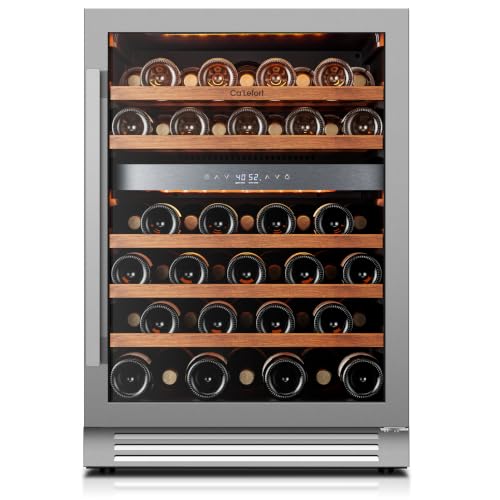

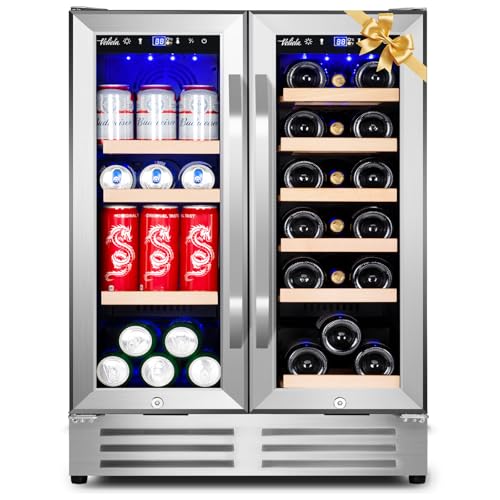
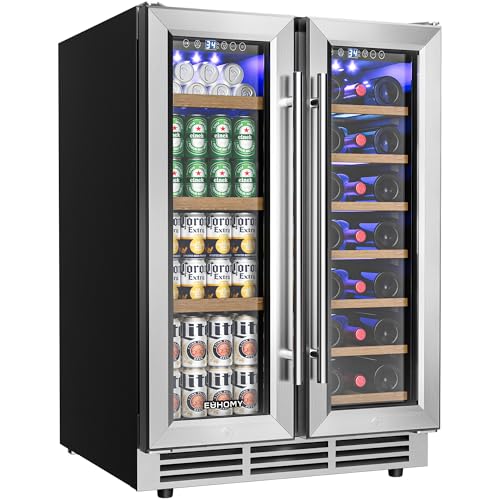

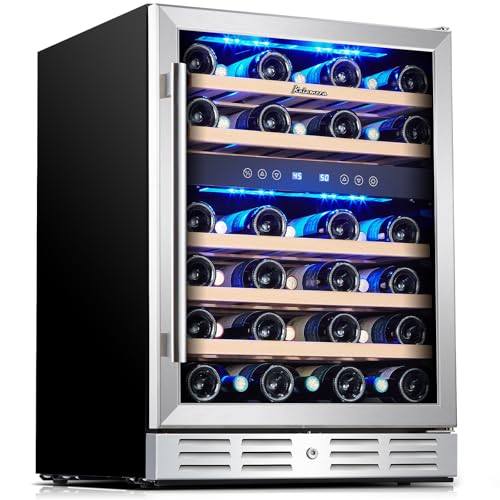


Quick Answer: Three Types in 30 Seconds
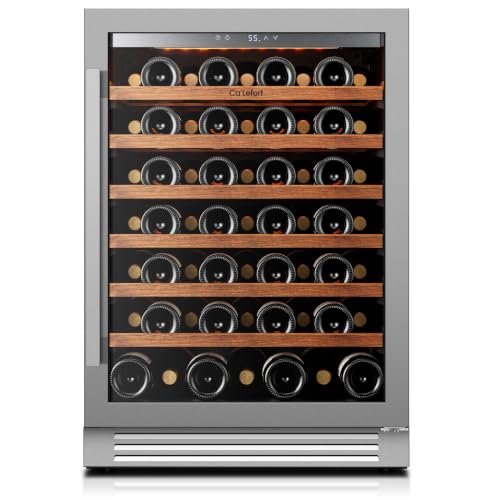
Most homes land on one of three types. A 15 inch single zone model suits small collections and narrow bays left by a trash compactor. A 24 inch dual zone model fits a standard dishwasher opening and stores reds and whites at separate temperatures. A larger 24 inch model with greater depth and more shelves suits households that buy wine by the case and want room to grow. Keep these three in mind as you look for the best built in wine cooler.
- Narrow single zone: about 12 to 20 bottles, one temperature, lowest cost.
- Standard dual zone: about 30 to 46 bottles, two temperatures, the most versatile choice.
- Large capacity dual zone: about 50 bottles or more, for collectors and frequent hosts.
Before You Buy: A Quick Checklist for Choosing a Wine Cooler
Work through these points in order, because size limits everything else.
Size: Match It to Your Space
Built in models are sold by width first and bottle count second. A 15 inch unit usually holds about 12 to 30 bottles, while a 24 inch unit holds about 30 to 50 or more, depending on shelf spacing. Bottle counts assume standard Bordeaux bottles, so wide Burgundy or Champagne bottles reduce the real total. Count the bottles you own now, add the number you expect to buy over the next year, and pick a size that holds that total without forcing every shelf full.
Which Type Fits Your Routine
Single zone models hold one temperature and suit households that drink mostly one style of wine. If your home serves chilled whites on weeknights and reds on weekends, look at the best dual zone wine cooler styles, which keep two zones a few degrees apart. Cooling method matters too, and our guide to compressor vs thermoelectric wine cooler designs explains the trade offs. Compressor models cool further and handle warm kitchens better, while thermoelectric models run with less vibration but suit cooler rooms and smaller capacities.
Features Worth It (and Ones to Skip)
A door lock is worth having in a home with young children or in a shared entertaining space. Interior LED lighting helps you read labels without warming the cabinet, and a reversible door lets the handle sit on the side that suits your kitchen layout. Wooden shelves cradle bottles and absorb small vibrations, while wire shelves slide more easily for cleaning. You can skip decorative tinting upgrades and extra display lighting if the cooler sits behind a closed cabinet run, because guests will rarely see them and they add cost without improving storage.
Wattage, Power and Energy Use
Most built in wine coolers draw modest power, similar to a small refrigerator, and run on a standard household outlet. Energy use rises with capacity, with how often the door opens, and with a warm room, because the compressor cycles more to hold temperature. Check the product listing for an energy rating and estimated yearly use, and leave the unit plugged into a grounded outlet rather than a power strip shared with large appliances.
Safety Features and Certifications
Look for a UL or ETL mark on the listing or the unit label, which shows the appliance was tested against recognized safety standards. A door alarm that sounds when the door stays open protects your wine from a slow temperature rise, and a lock adds a basic safeguard in busy homes. Keep the cooler away from ovens and direct sun, since outside heat makes the motor work harder and can shorten its life.
Counter Space and Dimensions
Measure the opening width, height, and depth, then compare all three numbers with the listed dimensions before ordering. Built in models vent at the front, usually through a grille at the base, so they can sit flush between cabinets without side clearance for air flow. Door swing still needs room, so check that an open door clears nearby handles and corners. For placement ideas in a standard cabinet run, see our guide to the best undercounter wine cooler, and if your opening is narrow, the best small wine cooler styles show what fits a compact bay.
Realistic Budget Ranges
Models priced under $300 usually give you a compact single zone model with basic shelves and a simple control panel. About $450 to $850 covers most 24 inch models, including many dual zone designs with locks and LED lighting. About $700 to $1500 adds larger capacity, quieter compressors, and sturdier shelves. Over $1500, you are paying mainly for capacity, finish, and longer warranty coverage rather than colder temperatures, so spend there only if the extra room or look matters to your home.
Three Types Compared: Styles for Different Homes
Best for Most Homes: The 24 Inch Dual Zone Type
This type fills the opening left by a standard dishwasher and stores reds and whites at their own temperatures in one cabinet. Capacity around 30 to 46 bottles covers a household that keeps a few cases on hand without dedicating a whole wall to storage. It suits families who host dinners and want both styles ready to pour. The main trade off is price, since two cooling zones cost more than one, and the upper zone is often smaller, so plan which style gets the larger space.
Best Value: The 15 Inch Single Zone Type
A narrow single zone model turns a slim gap beside a sink or at the end of a cabinet run into useful wine storage. It holds a modest rotation of bottles, cools evenly, and costs the least to buy and to run. This type suits couples and smaller households that buy wine to drink within a few months rather than to age. The limit is flexibility, because one temperature means either your whites sit a touch warm or your reds sit a touch cool, so pick the setting for the style you serve most.
Best Long Term Investment: The Large Capacity Type
Larger models hold about 50 bottles or more and often add wooden shelves, a stronger lock, and a quieter compressor built for daily use over many years. This type suits collectors who buy by the case and hosts whose guest list keeps growing. Buying capacity ahead of need avoids a second purchase later, which is where the long term value lies. The trade offs are a higher price, more weight to move during installation, and shelves that fill slowly at first, so temperature stays steadier once the cabinet is reasonably full.
Our Selection Process for Built In Wine Coolers
This guide weighs capacity, temperature control, daily ease of use, cleaning, noise, safety marks, and warranty terms, using manufacturer specifications and patterns in verified buyer reviews. The goal is a cooler that fits your opening, holds a steady temperature, and stays simple to live with. Treat the checklist above as your own evaluation tool when you compare listings.
What We Like and What to Watch With Built In Models
Built in models give wine a permanent home inside your cabinetry, which keeps counters clear and puts bottles at a comfortable height for serving. Front venting means the unit breathes through its base grille, so it runs safely in an enclosed bay where a freestanding model would overheat. Temperature also tends to stay steadier, because the surrounding cabinets buffer the unit from room heat swings.
The watch points are real. Installation takes measuring, leveling, and often a helper, because these units are heavy for their size. Repairs can cost more, since a technician may need to slide the unit out of the cabinet run. You also give up flexibility, because the cooler fits one opening and moving it to another room later is a project, not an afternoon task.
Common Mistakes to Avoid
- Ordering by bottle count alone, then finding the listed width does not match your opening.
- Blocking the front grille with a toe kick panel or rug, which traps heat and strains the compressor.
- Setting one temperature for both reds and whites in a single zone model and expecting both to pour at their best.
- Filling every shelf on day one with wide bottles, which crowds air flow and leads to uneven cooling.
- Placing the cooler beside an oven or in direct sun, which forces longer cooling cycles and higher energy use.
Cost of Ownership and Care
Running costs stay modest for most homes, mainly electricity plus an occasional replacement filter or light where the design uses one. Dust the front grille every few months so air moves freely, and wipe shelves with a damp cloth and mild soap, then dry them fully before reloading bottles. Our walkthrough on how to use a wine cooler covers daily settings and loading habits in more detail. Leave a little space between bottles, check the door seal for gaps once a year, and keep the temperature steady rather than adjusting it often.
Your Questions, Answered
How do you clean a wine cooler?
Unplug the unit, remove the bottles and shelves, and wash the shelves in warm water with mild soap. Wipe the interior walls with a soft cloth and a mix of water and a little baking soda, then dry everything before putting bottles back. Clean the front grille with a vacuum brush at the same time, because dust there makes the compressor work harder between cleanings.
Is a wine cooler worth it for a small collection?
Yes, if your kitchen warms up when you cook or your home lacks a cool, dark storage spot. Even a compact unit holds a steadier temperature than a counter or a regular refrigerator, which runs too cold and too dry for wine stored over weeks. For a handful of bottles you plan to drink within days, a dark cabinet away from the stove is usually enough.
How long does a wine cooler last?
A compressor based built in model often serves for about 10 years or more with basic care, while smaller thermoelectric models tend to have a shorter working life. Lifespan depends on room heat, how often the door opens, and whether the grille stays clear. A unit that runs constantly, cools unevenly, or grows much louder is showing signs that a repair visit or replacement is near.
Are built in wine coolers worth the extra cost?
They are worth it when you have a cabinet opening to fill and want a finished look with clear counters. Front venting is the feature you are paying for, because it lets the unit run safely inside cabinetry. If your wine will sit in an open laundry room or garage corner instead, a freestanding model gives similar cooling for less money, so the built in premium buys you placement, not colder wine.
What temperature should a built in wine cooler be set to?
For a single zone model storing mixed bottles, about 55 degrees Fahrenheit is a sensible middle setting that keeps reds ready and whites close to serving range with a short chill before pouring. In a dual zone model, keep the cooler zone lower for whites and sparkling wines and the warmer zone higher for reds. Avoid frequent changes, because steady storage matters more than chasing an exact number for each bottle.
Final Thoughts
The right choice is the one that fits your opening, your household size, and the way you actually drink wine at home. For most readers, the best built in wine cooler is a 24 inch dual zone type, while smaller homes do well with a narrow single zone model and collectors benefit from larger capacity. Compare your measurements and bottle count against the product table above, then order once with confidence.