Best Canadian Dishwashers: What to Check Before You Buy in 2026
Disclosure: We may earn a commission when you buy through links on this page, at no extra cost to you. As an Amazon Associate I earn from qualifying purchases. Learn more
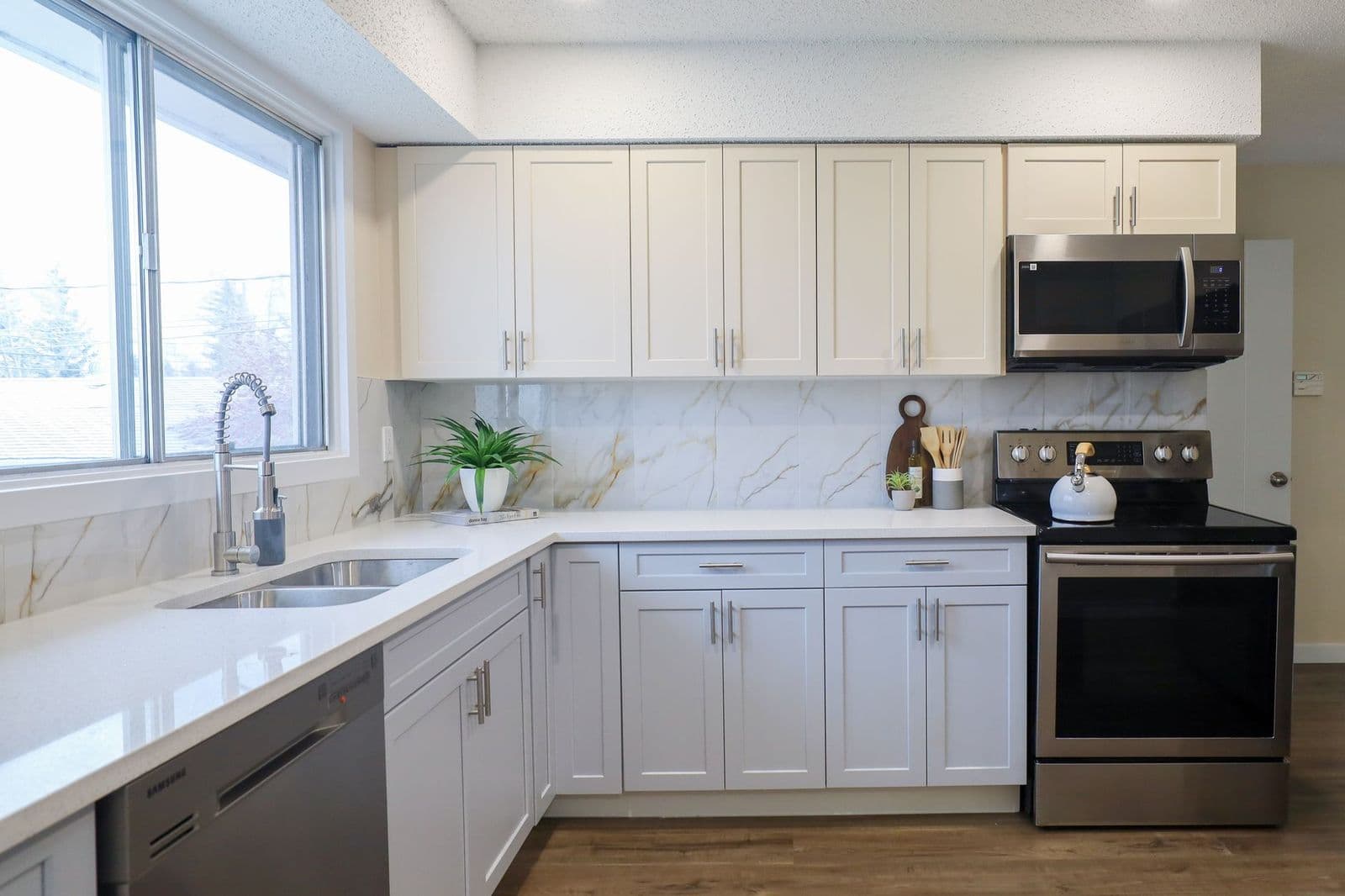
A checklist for the best canadian dishwashers: size, noise, drying, EnerGuide, and service for condos, homes, and cottages.
Buying a dishwasher in Canada brings extra questions that a generic guide skips. Will parts and service reach your town, and will the machine cope with very cold inlet water in January or hard water on the Prairies? The best canadian dishwashers answer those questions as well as the usual ones about noise, size and drying.
Start with your kitchen and household, not a feature list. A quiet compact model suits a small condo, while a large family may value capacity and a strong dry cycle more. The sections below match each Canadian situation to the size, tub and cycle choices that fit it.
Who Needs the Best Canadian Dishwashers?
Your home type decides more than any single spec. Match yourself to one group first, then confirm the details below.
Condo and Apartment Dwellers in Canadian Cities
You likely cook and eat in one open space, so noise and fit come first. Look for a rating of about 44 dBA or lower and an 18 inch or slim 24 inch body that fits a narrow opening. Many condo boards require a leak pan or a shutoff valve, so confirm the building rules before you order. English and French control labels are standard on models sold for Canada.
Large Families in Suburban and Rural Homes
You run the machine daily and load it with baking trays, lunch containers and tall glasses. A full 24 inch model with about 14 to 16 place settings and an adjustable middle rack saves a second daily run. If your home uses well water or town water with heavy minerals, favor a stainless tub and a filter you can rinse by hand, since mineral film builds up faster.
Cottage Owners and Landlords With Rental Units
You need a machine that survives seasonal use and guests who load it carelessly. Choose simple controls and a cycle that finishes between checkout and the next arrival. For a cottage that closes in winter, confirm the manual explains how to drain the unit and protect the inlet valve from freezing. For rentals, parts stocked in Canada shorten repairs.
Key Features to Compare
Work through the six points below in order when you compare best canadian dishwashers for your home. Together they narrow a long list quickly.
Noise Level in Decibels
Noise is rated in dBA, and lower numbers mean a quieter wash. Models at about 38 to 44 dBA let you talk and watch television in the same room, which matters in open plan condos. Ratings of about 45 to 50 dBA suit a closed kitchen. Above 50 dBA, run the machine while you are out. A stainless tub lowers noise, while a food disposer in the base usually raises it.
Size, Fit and Installation in Canadian Kitchens
Most Canadian kitchens are built for a 24 inch opening about 34 inches high, while older condos often fit only an 18 inch model. Measure the opening width, depth and height, and check the path through doors before delivery. Confirm a 120 volt outlet, a hot water line and a drain within reach. Confirm the seller will install in your area and remove the old unit.
Wash Cycles and Soil Sensors
A soil sensor reads how dirty the water is and adjusts time and water use, so light loads finish sooner and baked on loads get more wash time. You need an auto cycle, a heavy cycle for pots, a quick cycle for glasses and a sanitize option for a high heat rinse. Extra named cycles rarely change results. Detergent choice matters too, and our guide to the best dishwasher detergents explains formats for hard water areas.
Energy and Water Efficiency
Look for ENERGY STAR certification and the EnerGuide label used in Canada, which shows estimated yearly energy use on a shared scale. Efficient full size models use about 2.4 to 3.5 gallons per cycle, while older designs may use twice that. A half load option cuts waste on small loads. In provinces with higher electricity prices, check the label rather than guessing yearly cost from the price.
Drying Performance and the Third Rack
Heated dry uses an element to warm the final rinse and speeds drying for glass and ceramic, but it can warp thin plastic on the lower rack. Condensation drying on a stainless wall suits plastic better and uses less energy, though it takes longer. A rinse aid helps water sheet off dishes in both systems. A flat third rack holds cutlery and lids, freeing lower space for pots. If your rack coating is peeling, our guide to the best dishwasher rack covers replacement fit.
Tub Material, Filters and Hard Water Care
A stainless tub resists stains and odors, tolerates high heat and helps condensation drying, while a plastic tub costs less and shows mineral marks sooner in hard water regions. Most models use a manual filter that traps food and needs a monthly rinse under the tap. A self cleaning filter needs no rinsing but runs louder. In hard water towns, a removable filter you can inspect is safer, since scale collects where you can see it.
Types of Dishwashers for Canadian Homes
Format decides fit before features do. The four types below cover nearly every Canadian kitchen.
Compact 18 Inch Dishwashers for Small Kitchens
These slim built in models hold about 8 place settings and fit the narrow opening in many older condos and basement suites. They wash well for one or two people but need frequent runs for families. Choose this type when cabinet space is fixed and a full width model will not fit.
Countertop Dishwashers for Renters
A countertop unit sits beside the sink and connects to the faucet, so it suits renters who cannot alter plumbing. Capacity is small, often about 6 place settings, and large pots rarely fit. Measure your counter depth and faucet type first, since some modern faucets need an adapter.
Built In Dishwashers for Most Family Kitchens
The standard 24 inch built in model is the default choice for houses and larger condos, with about 14 to 16 place settings and the widest choice of noise ratings and tubs. Value focused shoppers can see our guide to the best bargain dishwashers for the lower end. If your opening allows it, this type balances capacity, quiet and service support best.
Drawer Dishwashers for Flexible Loads
Drawer models offer one or two independent drawers, so you can wash a small load without filling a full tub. A double drawer suits households that entertain often. They cost more, and repair networks in Canada are thinner than for standard models. Choose one for the loading style, since the opening size is similar.
Common Mistakes to Avoid
These errors cause most returns and service calls.
- Skipping the opening measurement leaves you with a dishwasher that cannot be installed.
- Choosing by cycle count alone wastes money on programs that wash no better than the auto cycle.
- Ignoring the dBA rating in an open plan condo means wash noise through every evening meal.
- Buying a model with no service network near you turns a simple repair into a wait of weeks.
- Loading tall trays against the spray arm stops it turning and leaves the load poorly washed.
- Using too much detergent in soft water areas leaves a film on glass that looks like a fault.
Keeping a Dishwasher Running Well in Canadian Homes
Clean the filter about once a month, or more often if you wash many pots. Scrape food into the bin instead of rinsing plates under the tap, since the soil sensor needs some soil to read the load. Run hot water at the sink until it feels hot before you start, so the first fill enters warm.
Use rinse aid if glasses dry with spots, and wipe the door seal weekly to clear grit. For rentals, premeasured tablets help guests dose correctly, and our guide to the best dishwasher tablets compares formats. Run an empty hot cycle monthly to clear grease.
FAQ
How quiet should a dishwasher in a Canadian condo be?
A dishwasher in a Canadian condo should rate about 44 dBA or lower. At that level you can hold a normal conversation in the same room while it runs. Check whether your building sets quiet hours, since a delayed wash after 10 p.m. may break condo rules even when the machine is quiet. Setting the timer for early evening solves both problems.
How long do dishwashers last in Canadian homes?
Most dishwashers last about 9 to 13 years in Canadian homes. Hard water shortens that span when scale coats the heating element and inlet valve, so homes on well water sit at the lower end. Descaling when flow slows protects the pump. When a repair costs more than half the price of a new model, replacement usually makes better sense.
Do I need to rinse dishes before loading a dishwasher?
No, you do not need to rinse dishes before loading a dishwasher. Scrape off bones, rice and thick sauce, then load promptly so food does not dry on. Detergents and soil sensors are designed for scraped plates, and a full rinse can make the sensor shorten the wash. If you wait a day before running a load, rinsing egg or oatmeal dishes prevents odors.
Is a third rack worth it in a dishwasher for a large family?
Yes, a third rack is worth it for a large family that washes many small items daily. It holds spatulas, lids and cutlery flat, so the lower basket stays free for bowls and pans. The trade off is height, since it can reduce clearance for tall glasses on the middle rack. Measure your tallest glass against the listed clearance first.
Final Thoughts
For most buyers, three decisions settle the purchase: the format that fits your opening, a noise rating your living space can handle, and a tub and filter setup that suits your water. Check the EnerGuide label, confirm service in your province.
When you choose best canadian dishwashers with those checks in mind, you get a machine that fits your kitchen, your water and your routine for years.