
Best Cast Iron Skillet Sets: Set Sizes, Lids and Storage (2026)
Disclosure: We may earn a commission when you buy through links on this page, at no extra cost to you. As an Amazon Associate I earn from qualifying purchases. Learn more

The best cast iron skillet sets guide: set sizes, preseasoning, lids and storage.
The best cast iron skillet sets become the workhorse of a kitchen, moving from stovetop to oven and lasting for decades with basic care. The appeal is even heat, superb searing and durability, but weight, size and seasoning need honest thought before buying a full set. The product table below shows current sets before the detail that follows.
This guide compares set sizes, preseasoned versus raw finishes, handle styles and lids, so you can buy a set you will actually lift, clean and use often. It also covers seasoning and care in plain terms for first time cast iron owners.


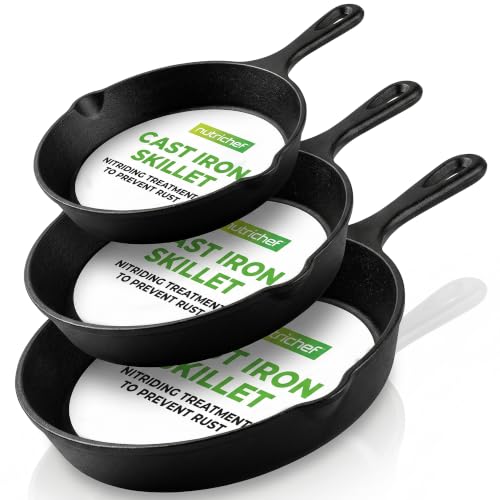

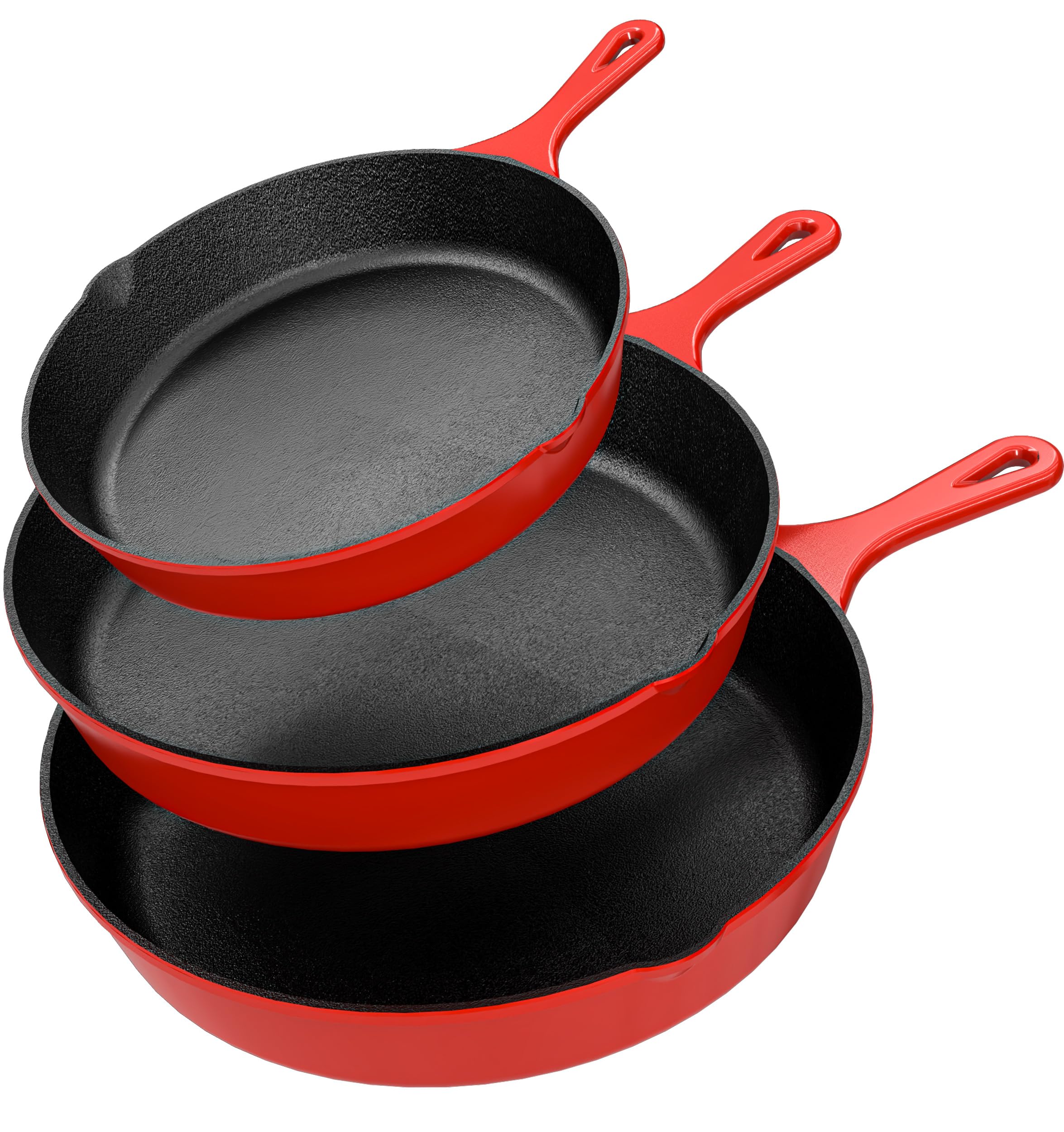


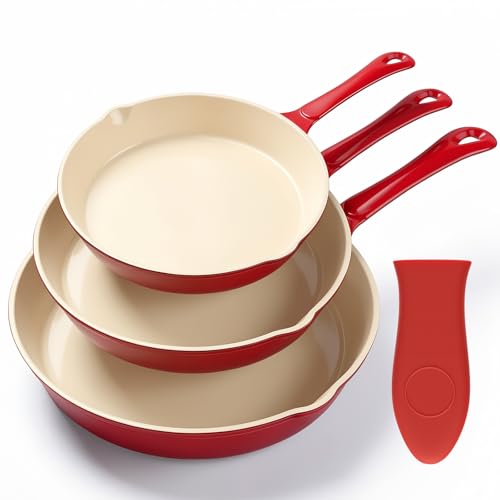
Who Should Buy Cast Iron Skillet Sets
These sets suit home cooks who sear, fry, roast and bake regularly and want pans that hold heat and improve with use. They also suit cooks who like oven to table serving and a pan that can handle high heat without warping. If you cook meat, vegetables and baked dishes often, cast iron earns its cupboard space quickly.
They are a weaker fit for cooks who need very light pans, who struggle with heavy lifting, or who mainly cook acidic sauces for long periods, which can affect seasoning. They also need drying and occasional seasoning, so cooks who want a completely maintenance free pan may prefer another material. Check weight with a lid in hand before buying a large set.
Types of Cast Iron Skillet Sets
Two piece starter sets
Two piece sets usually pair a medium skillet with a larger one, covering most daily cooking without overwhelming storage. They suit first time buyers and smaller kitchens. Start here if you want to learn cast iron care before committing to a full collection.
Multi size family sets
Multi size sets add small, medium and large skillets for different tasks, from eggs to family roasts. They suit keen cooks and larger households who use several pans at once. Make sure you have storage and lifting strength for the largest pan, because a full large skillet is heavy.
Skillet sets with lids
Sets with lids add braising, steaming and oven versatility, turning a skillet into a small Dutch oven style cooker. They suit cooks who braise, bake and finish dishes in the oven. Check lid fit and handle heat, since lids add weight and need oven safe handling.
Key Features to Compare
Size and weight
Size and weight decide daily usability more than any other feature, because a skillet that is too heavy will stay in the cupboard. A 10 inch skillet suits most meals, while larger sizes suit families and roasting. Lift the pan with one hand as you would when cooking, and remember food adds weight.
Preseasoning and surface
Preseasoning gives a starting nonstick layer, but real performance builds with cooking and care over time. A smooth surface releases food more easily than a very rough one, though roughness lessens with seasoning. Avoid harsh detergents and soaking, which strip seasoning and invite rust.
Handle and pour design
Handles should feel secure and balanced, with a helper handle on larger pans for safe two handed lifting. Pour spouts help with fats and sauces, while a long handle stays cooler on the stovetop but needs oven care. Use dry oven gloves always, because cast iron handles get very hot.
Stove and oven compatibility
Cast iron works on most stovetops and in ovens, but check guidance for induction and glass tops, where weight and sliding can matter. Avoid dragging a heavy pan across a glass surface, and lift rather than slide. Oven use is a major advantage, so confirm maximum temperature guidance for handles and lids.
Common Mistakes to Avoid
A common mistake is buying the biggest set available and then avoiding the largest pan because it is too heavy. Another is soaking cast iron or leaving it wet, which causes rust and damages seasoning. A third is cooking only acidic foods at first, when fatty, high heat cooking builds seasoning faster and gives better early results.
Budget and Long Term Value
Cast iron skillet sets are usually affordable for their lifespan, with basic preseasoned sets offering excellent value and premium smooth finished sets costing more. Price differences often reflect finishing, handle design and lid inclusion rather than cooking ability. A midrange starter set, well cared for, can outlast far pricier pans and costs little per year of use. For many households the best cast iron skillet sets are midrange starter sets.
Getting the Most From Your Choice
Season new pans as directed, cook fatty foods early, and build a simple routine of cleaning while warm, drying fully and applying a thin oil layer. Store pans dry, with a paper towel between stacked pans if needed. If rust appears, scrub, dry and reseason rather than discarding the pan, because cast iron is very forgiving.
A Closer Look Before You Buy
Think about storage before you buy a multi piece set, because cast iron is heavy and bulky, and a set that lives in an awkward cupboard will be used less. Plan a low shelf, a hanging rail, or a dedicated drawer where pans can be lifted safely without stacking damage. A paper towel between stacked pans protects seasoning, and a dry store prevents rust in humid kitchens.
Also consider your cooking habits honestly, including whether you sear meat often, bake in the oven, or mainly cook quick weeknight meals. A cook who sears and roasts weekly will use a large skillet constantly, while a cook who mainly steams vegetables may use cast iron rarely. Buy sizes for meals you cook every week, not for occasional showpiece dishes.
Finally, think about who else cooks in your household and whether they are comfortable lifting and caring for cast iron. A very large skillet can be a barrier for smaller or older cooks, while a medium skillet suits almost everyone. Choosing a set the whole household can use means it will be reached for far more often.
Related Guides Worth Reading
If you want a mix of pans and pots, our guide to best cast iron sets covers full cookware collections, and best enameled cast iron cookware sets explains the coated alternative. Buyers who would rather pick pans one at a time can read best skillet sets for other materials, and the best cast iron skillet cleaner guide covers the first tool you will need.
Frequently Asked Questions
Is cast iron hard to maintain?
No, maintenance is simple once it becomes routine: clean while warm, dry fully, and keep a thin seasoning layer. Avoid soaking and harsh scrubbing, and reseason occasionally if food starts sticking. Most owners find the routine takes only a couple of minutes after cooking.
Can I use soap on cast iron?
A small amount of mild soap is generally fine on a well seasoned pan, despite older advice to avoid soap entirely. The key is to rinse, dry immediately, and avoid soaking or harsh detergents that strip seasoning. If seasoning weakens, cook fatty foods and reseason to restore it.
Are cast iron skillets good for induction?
Many cast iron skillets work on induction because iron is magnetic, but check the specific product guidance. Lift rather than drag the pan on glass and induction tops to avoid scratches. Weight is the main practical issue, especially for larger skillets.
What size skillet should I buy first?
A medium skillet around 10 inches suits most households for daily cooking, from vegetables to chicken and eggs. Smaller skillets suit single servings and sides, while larger ones suit families and roasting. Start medium, then add sizes only for tasks you actually do often.
How do I fix rust on cast iron?
Scrub rust off with a non metallic scrubber or salt paste, rinse, dry fully, and apply thin layers of oil with heating to rebuild seasoning. Surface rust is common and fixable, especially on neglected pans. Deep pitting is rarer, but even then a pan can often be restored with patience.
Final Thoughts
The best cast iron skillet sets are the ones you will lift, season and cook with often, in sizes that match your household. Use the product table above to compare starter, family and lidded sets, then start with a manageable size. With simple care, cast iron rewards you with decades of even, reliable cooking.


