Best Ceramic Saucepans (2026): Buying Guide
Disclosure: We may earn a commission when you buy through links on this page, at no extra cost to you. As an Amazon Associate I earn from qualifying purchases. Learn more

Choose the best ceramic saucepan for your kitchen: compare size, base, coating safety, stove fit, lids and budget so sauces and grains cook evenly.
A saucepan earns its place when it heats oatmeal without scorching, simmers tomato sauce without fuss, and still rinses clean after a busy weeknight. If you want the best ceramic saucepan for daily use, the right choice depends less on color and more on size, base construction, and how you actually cook. The product table lists current options so you can narrow your list before you shop.
This guide focuses on real homes rather than show kitchens. You will learn how capacity maps to household size, why the metal under the ceramic coating matters more than the coating alone, and which lids, handles, and stovetop limits change everyday use. By the end, you can match a pan to your burners, your storage space, and your budget with confidence.





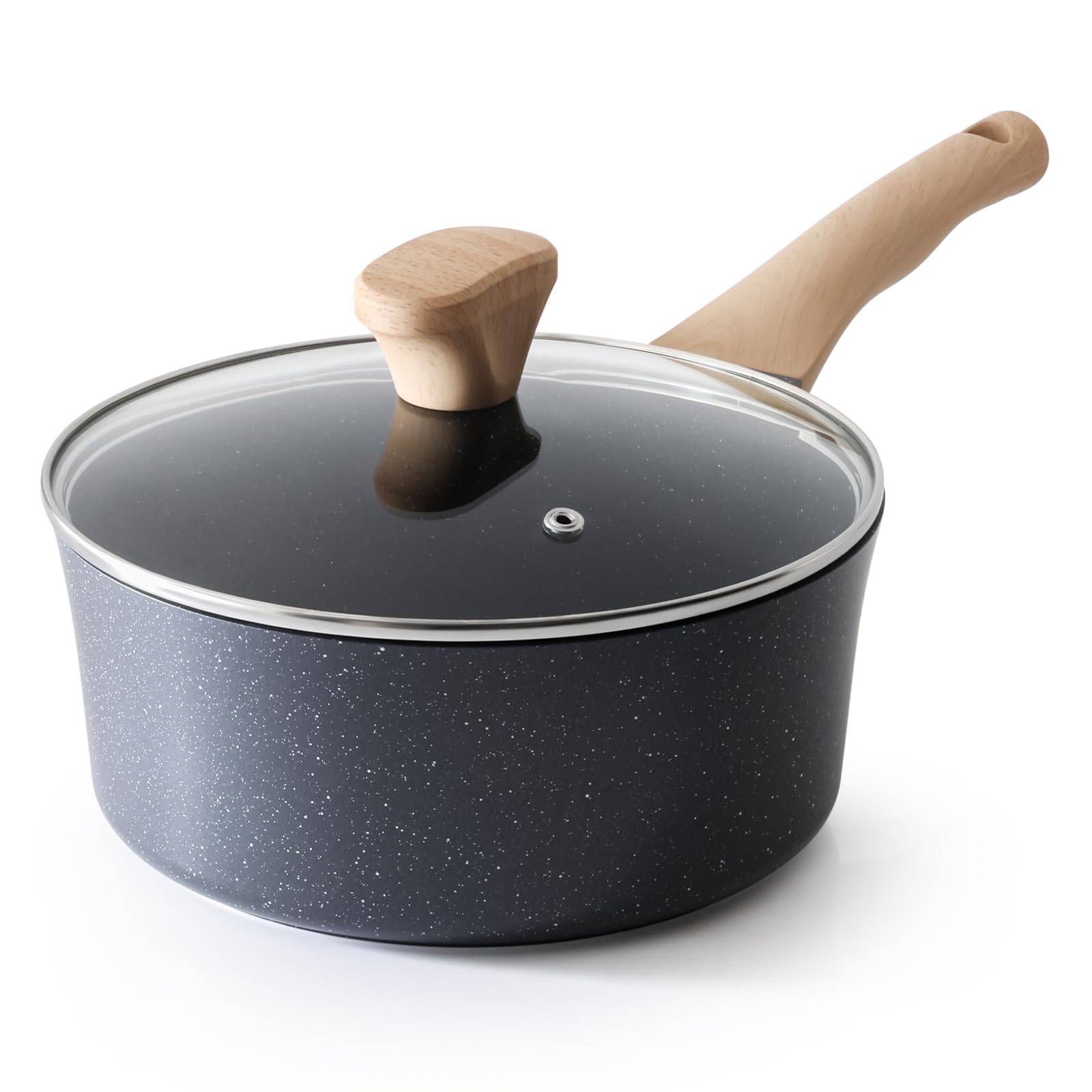

Quick Answer: Start With Size, Base and Coating
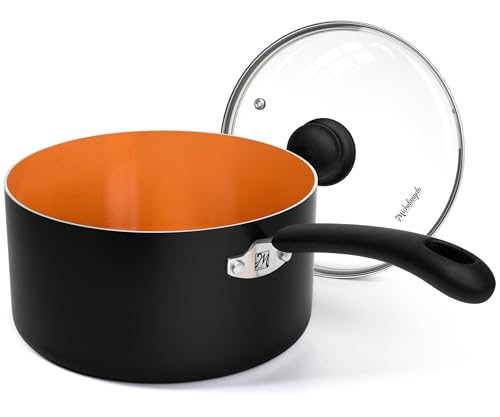
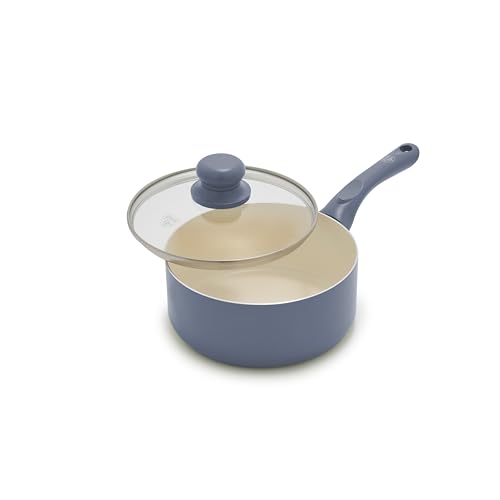
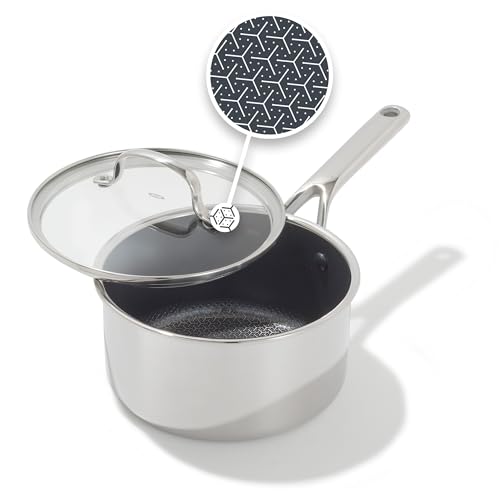
Start with a 2 quart or 3 quart pan if you cook for two to four people, since that range covers sauces, grains, and reheating soup without crowding. Choose a thick aluminum or clad base for even heating, and confirm induction compatibility in the listing if you use an induction cooktop. Treat the ceramic coating as a surface that rewards medium heat and gentle utensils, not as a lifetime finish.
- For one or two people, a 1.5 quart or 2 quart pan covers most daily tasks and stores easily.
- For families, a 3 quart or 4 quart pan handles full batches of sauce, soup, and grains.
- For induction ranges, the base must be magnetic, no matter what the coating is made of.
Before You Buy: A Checklist That Fits Your Kitchen
Work through the points below in order. Size and burner fit rule out more pans than any other factor, while coating details and extras decide how pleasant the pan feels six months later.
Size: Match Capacity to Your Household and Storage
A 1 quart or 1.5 quart pan suits melting butter, warming milk, and cooking a single portion of oatmeal. A 2 quart pan handles rice for two, small batches of sauce, and reheating leftovers for lunch. Step up to 3 quart or 4 quart if you cook soup, pasta sauce, or grains for four or more people.
Measure your cabinet depth and your largest burner before you buy, because a tall pan with a long handle needs more room than its capacity suggests. If you are torn between two sizes, our guide on what size saucepan do i need walks through portion math for common meals.
The Metal Under the Coating Decides Heat Control
Most ceramic saucepans pair a ceramic coating with an aluminum body, and aluminum spreads heat quickly and keeps the pan light. Thin bases can develop hot spots that scorch milk and sugar, so look for a forged or heavy gauge base that feels solid. Some pans add a stainless steel induction plate to the bottom, which adds weight but improves burner contact. A thicker base also resists warping and keeps the pan steady on glass top ranges.
Coating Safety and What Non Toxic Claims Mean
Ceramic coatings are made with a sol gel process and are sold as an alternative to traditional nonstick surfaces that use PTFE. Reputable makers state in plain language that their coatings are made without PFAS, PFOA, lead, and cadmium, and you should look for that wording on the product page. No coating stays slick forever, so judge safety claims alongside care instructions and warranty terms. If a listing cannot say what the coating is made without, treat that silence as a reason to keep shopping.
Stovetop Fit: Induction, Gas and Glass Top Ranges
Ceramic coating alone tells you nothing about induction use, because induction needs a magnetic base. Hold a kitchen magnet to the bottom of the pan in a store, or check the listing for a stated magnetic base material. Gas burners suit most ceramic pans, but flames that climb the sides can discolor the coating and overheat the handle. On glass top and electric ranges, lift the pan instead of sliding it, since grit trapped under the base can scratch the surface.
Lids, Pour Spouts, Handles and Oven Limits
A glass lid lets you watch a simmer without lifting and losing steam, while a metal lid usually tolerates higher oven heat. Pour spouts help with sauces and gravy, and a strainer lid can drain pasta water, though both matter less than a lid that seals well. Check the stated oven limit for both the pan and the lid, because glass lids and phenolic handles often carry lower limits than the body. A helper handle on larger sizes makes a full 4 quart pan far easier to drain safely.
Budget Ranges and What Each Tier Buys You
Under $30, expect a light aluminum pan with a basic coating and a simple lid, suited to occasional use. About $30 to $60 usually buys a heavier base, a better fitting lid, and clearer warranty terms. About $60 to $100 tends to add induction ready bases, stronger handles, and coatings that hold up longer with careful use. Spending more mainly improves construction and support rather than cooking results, so set your budget after you fix size and stovetop fit.
Three Buying Profiles and What to Prioritize
Instead of chasing a single winner, match the pan to the household that will use it every day. The three profiles below cover the patterns that show up most often in real kitchens.
Small Households and Compact Kitchens
If you cook for one or two people and store pans in a shallow drawer, prioritize a 1.5 quart or 2 quart pan with a lid that nests flat. Light weight matters here because you will lift the pan often, and one versatile size beats a bulky set you cannot store. Choose a smooth base that will not scratch a glass top range in a rental kitchen.
Busy Family Kitchens With Daily Sauces and Grains
Families cooking for three to five people should prioritize a 3 quart pan with a thick base and a helper handle. This size simmers a full batch of tomato sauce, cooks rice without boiling over, and reheats soup for lunch the next day. A glass lid earns its place here, since you can check a simmer while helping with homework at the counter.
Careful Cooks Who Want the Pan to Last
If you keep cookware for years, prioritize base thickness, a stated multi year warranty, and a maker that publishes clear care guidance. You will cook on medium heat, reach for wooden or silicone utensils, and wash the pan by hand even if the listing allows a dishwasher. That routine protects the coating, which is the part of the pan that ages first.
How Ceramic Compares With Other Saucepan Materials
Ceramic coated pans release eggs and oatmeal with little fat and rinse clean with a soft sponge, which is why many home cooks choose them for breakfast and reheating. The trade off is lifespan, since the slick surface fades gradually even with gentle care. If durability across decades matters more than easy release, compare the options in our guide to the best stainless steel saucepan before you decide.
Traditional nonstick pans often stay slick longer at first but rely on PTFE coatings that some shoppers prefer to avoid. Our guide to the best nonstick saucepan explains how those coatings differ in care and oven limits. Enameled cast iron holds heat well and lasts for years, but it is heavy for daily pouring and costs more. Ceramic sits in the middle, light and easy to clean, with a coating you should plan to renew every few years.
Common Mistakes to Avoid
Most early coating failures trace back to a short list of avoidable habits.
- Cooking on high heat for everyday tasks, which breaks down the coating and shortens its slick life.
- Using aerosol cooking spray on the hot surface, which leaves a sticky film that plain soap cannot fully remove.
- Buying a large pan for a small burner, which wastes energy and heats the handle and sides unevenly.
- Stacking other pans inside without a cloth or pan protector, which chips and scratches the coating.
- Plunging a hot pan into cold water, which can warp the base and stress the coating over time.
Cost of Ownership and Care
Plan on replacing a ceramic saucepan every two to four years with daily use, because the coating wears even when the body stays sound. That cycle makes a moderate price easier to justify than a premium one, and it also makes warranty terms worth reading before you buy. Keep the receipt and register the pan if the maker offers it, since coating claims often need proof of purchase.
Daily care is simple and cheap. Wash the cooled pan with warm water, a soft sponge, and mild dish soap, and see our guide to how to clean a saucepan for removing browned residue without scouring. Store the pan with a soft cloth between it and any cookware stacked above it. Seasoning is not needed, and harsh powders or steel wool will only shorten the life of the surface.
Frequently Asked Questions
What is the most reliable saucepan brand?
No single brand is the most reliable for every kitchen, because reliability in a ceramic saucepan comes from base thickness, coating quality, and how the pan is used. Look for a maker that publishes oven limits, coating details, and a clear warranty, and that sells replacement lids. Owner comments that describe year two and year three performance tell you more than launch week praise. A modest pan with strong support often outlasts a costly pan with vague terms.
How do you clean a saucepan?
You clean a ceramic saucepan by soaking it in warm soapy water for ten minutes, then wiping it with a soft sponge. For a pale stain from turmeric or tomato, a paste of baking soda and water left for fifteen minutes lifts color without abrasive pads. Dry the base fully before storing, because trapped moisture under a stacked pan can spot the exterior. Never use oven cleaner on the interior, since strong alkalis dull the surface.
Is a saucepan worth it?
A saucepan is worth it if you regularly heat liquids, cook grains, or make sauces, because tall sides reduce splatter and evaporation better than a skillet does. Households that mostly reheat food in a microwave may reach for one rarely. A useful check is your last two weeks of cooking, and if you wanted a small pot four or more times, a dedicated pan will earn its storage space. Renters can start with one 2 quart size and add another later.
How long does a saucepan last?
A ceramic saucepan typically stays usefully slick for about two to four years of regular use, while the metal body can remain sound for much longer. Lifespan drops when the pan is used daily on high heat or cleaned with abrasive pads. You will know replacement time is near when eggs start to stick in the center even with a little oil and gentle heat. If the coating chips or the base rocks on a flat surface, retire the pan right away.
Are ceramic saucepans worth it?
Ceramic saucepans are worth it for cooks who value easy release and simple cleanup and who accept a shorter coating life. They shine for oatmeal, eggs, reheated soup, and delicate sauces that scorch in thin pans. They are a poor fit if you want one pan for high heat searing and decades of service. Think of the purchase as paying for convenience across a few years rather than for a lifetime tool, and the value judgment becomes clearer.
What is the best ceramic saucepan?
The best choice for your home is a pan that matches your burner type, your usual batch size, and your heat habits. For most households that means a 2 quart or 3 quart pan with a thick base, a glass lid, and coating details you can verify on the product page. Start with the size you will use weekly, then compare bases and warranties within your budget. A pan that fits your routine will serve you better than the most advertised option.
Final Thoughts
Choosing well comes down to fit: the right capacity for your household, a base that suits your burners, and a coating you are willing to treat gently. Use the product table above to compare your shortlist against those three checks, and you will land on the best ceramic saucepan for the way your kitchen actually runs. Buy once, cook on medium heat, and let the pan make weeknight sauces and morning oatmeal easier from the first week.