
Best Cast Iron Skillet for Glass Cooktops: Flat Bases, Weight and Budget (2026)
Disclosure: We may earn a commission when you buy through links on this page, at no extra cost to you. As an Amazon Associate I earn from qualifying purchases. Learn more

The best cast iron skillet for glass cooktops guide: flat bases, weight, budget tiers and cooktop care.
Prices for cast iron skillets stretch from a simple bare pan to enameled cookware that costs many times more, and the listings rarely explain what the extra money buys. On a glass cooktop the stakes are higher, because a rough base can scratch the surface you cook on every day. This guide sorts the best cast iron skillet for glass cooktops by budget so you can spend where it matters.
Read the tier sections first to set your budget, then use the feature checks to judge any single pan. The product table below shows current options.


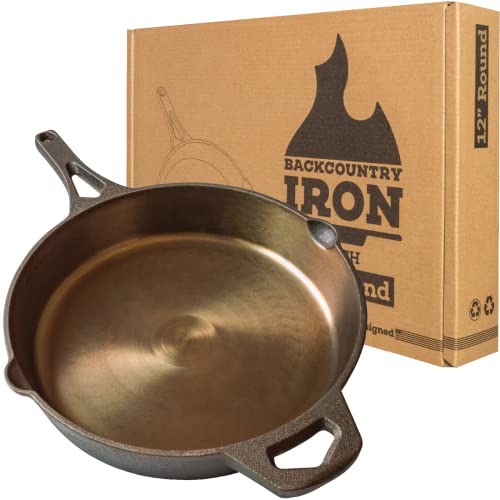


Budget Profiles Worth Your Money
Rather than naming individual pans, this section describes the profile to look for at each budget level. Match the profile to your cooking, then confirm the base smoothness and size on any model you consider. A profile that passes these checks will cook well and treat your cooktop gently.
The Budget Profile
The budget profile is a bare cast iron skillet around $20 to $40, usually 10 to 12 inches, with a machined or well ground base and a helper handle. It suits new cooks and anyone replacing a worn pan without much risk. Strengths are heat retention and a surface that improves with seasoning. The limitation is upkeep, since bare iron needs drying and light oiling after washing, plus care to lift rather than slide the pan on glass.
The Midrange Profile
The midrange profile, around $40 to $120, adds smoother finishing, better balanced handles, and sometimes a poured enamel exterior or a preseasoned surface that starts out more forgiving. It suits daily cooks who use the pan for eggs, searing, and oven finishing. The gain over budget pans is comfort and consistency rather than raw cooking power. The limitation is that enamel and smoother finishes still chip if the pan is banged against a hard edge.
The Premium Profile
The premium profile, around $150 to $300, is usually fully enameled cast iron with a glass smooth base, tight fitting lid options, and refined handles. It suits cooks who want cast iron performance with simpler cleanup and no seasoning routine. Strengths are stain resistance, acidic food friendliness, and presentation at the table. The limitation is price and weight, and enamel can still chip from thermal shock or metal impacts, so gentle handling remains part of the deal.
What Your Money Gets You at Each Price Tier
Understanding the tiers keeps you from paying premium prices for paint or underpaying into rough castings that threaten your cooktop. Each tier below lists the typical features, the trade offs, and the buyers it serves best on the United States market.
Budget Tier: What to Expect
Expect honest bare iron, a slightly coarse texture that smooths with use, and basic packaging. Seasoning layers are thin at first, so early cooking should favor fatty foods while the surface builds. This tier serves students, new homeowners, and second pan buyers well. Spend a few dollars of the savings on a good cleaner, and see our guide to the best cast iron skillet cleaner for options that will not strip seasoning.
Midrange Tier: The Sweet Spot for Most Buyers
Midrange pans refine the casting, polish the cooking surface, and improve handle comfort for long sautés. Many add enamel exteriors in colors while keeping a seasoned or matte interior. This tier serves most households best because the pan feels better every day without reaching luxury prices. If you cook for a family, the larger sizes in our guide to the best cast iron skillet sets show how paired sizes cover more meals.
Premium Tier: When Spending More Pays Off
Premium money buys full enamel inside and out, which removes seasoning duties and handles tomato sauces without reaction. It also buys tighter quality control, flatter bases, and lids that fit precisely. This tier pays off for cooks who dislike maintenance and for anyone whose glass cooktop is new and costly to replace. It does not buy better searing, because the iron core performs much the same across tiers.
Features Worth Paying For (and Ones to Skip)
Some features protect your cooktop and improve results, while others only decorate the listing. Judge each feature below by whether it changes your daily cooking. If a feature does neither, let it go and keep the money.
Cooktop Compatibility (Gas, Electric, Glass, Induction)
Cast iron works on gas, electric coil, glass, and induction because the metal is magnetic and tolerant of high heat. For induction, confirm magnetism with a simple test, since a fridge magnet should cling firmly to the base. For glass, flatness matters more than the heat source, so check that the pan sits without rocking. If you are also shopping the stove itself, our guide to the best glass cooktops explains burner layouts that suit heavy pans.
Material: Stainless Steel, Nonstick, Cast Iron, Carbon Steel, Copper
Stainless steel heats evenly in tri ply designs and forgives rough handling, but it lacks the searing mass of iron. Nonstick pans are easy to use yet wear out in a few years. Carbon steel is lighter and responsive, while copper is fast but costly and fussy. Cast iron wins on heat retention and lifespan, which suits glass tops when the base is smooth. Our comparison of the best skillets for glass cooktops weighs these materials side by side.
Features That Matter for Glass Cooktops
For the best cast iron skillet for glass cooktops, a flat, smooth, clean base matters above all else. Look for a machined bottom without raised lettering or a rough heat ring that can grind grit into the surface. A diameter that matches your burner, usually 10 to 12 inches, prevents hot spots and wasted energy. Always lift the pan to move it, keep the base free of stuck food, and let heavy iron cool before cleaning so thermal stress never reaches the glass.
Nonstick Coating Safety (PTFE, PFOA Free, Ceramic)
Traditional cast iron has no synthetic coating at all, so PTFE and PFOA concerns do not apply to bare or enameled iron. Seasoning is simply polymerized cooking oil bonded by heat, and it is safe at normal cooking temperatures. Enameled surfaces are glass based and stable in the oven within the maker stated limits. If you also own coated pans, keep them below their rated temperatures and retire them when the coating flakes.
Warranty and Expected Lifespan
Bare cast iron can serve for generations, and many makers back it with long or lifetime warranties against defects. Enameled iron often carries similar coverage for the casting, though chips from impacts are usually excluded. Nonstick pans, by contrast, last about 2 to 5 years before performance fades. Keep your receipt and register the warranty, because a pan this durable is exactly the kind you may claim on decades later.
Long Term Costs to Factor In
The purchase price is only the start. Bare iron needs oil for seasoning, a stiff brush or chain mail scrubber, and occasional oven time for a full reseasoning layer. Enameled iron needs gentle cleaners to protect the gloss. Energy costs are modest, since iron retains heat and lets you cook on lower settings once it is hot. Protecting the cooktop itself is the biggest hidden saving, and a suitable product from our guide to the best cleaner for glass cooktops costs little compared with a glass replacement.
FAQs
What features matter most in cast iron skillets for glass cooktops?
A smooth flat base matters most, because it prevents scratches and keeps full contact for even heating. Next comes a size that matches your main burner and a handle arrangement you can grip with a mitt, since these pans are heavy when full. Seasoning quality and enamel condition follow. Test flatness on a counter before first use, and return any pan that rocks or spins freely.
Is it better to buy a cookware set or individual pieces?
Individual pieces are usually better for cast iron, because you can choose the exact size and finish your cooking needs. Sets make sense when the bundled sizes match your burners and the price beats buying separately. Avoid sets padded with small pans you will never use. One great 12 inch skillet earns its storage space more honestly than three rarely touched pieces in a box.
Can a cast iron skillet crack a glass cooktop?
It is uncommon when the pan is handled gently, but impact is the real risk. A skillet dropped onto glass can crack it, and dragging a rough base can scratch it. Set the pan down straight, lift it to move it, and check your stove manual for any weight guidance before you buy a heavy pan.
How do I clean a glass cooktop after cooking with cast iron?
Let the cooktop cool, then wipe away burnt on residue with a cleaner made for glass and a soft cloth. Many marks that look like scratches are stuck on residue, so clean first before you judge. Follow your stove maker instructions, and contact the maker if you see deep scratches or cracks.
How do I know if a pan works on induction?
Hold a magnet against the base of the pan. If it sticks firmly across the bottom, the pan will work on induction, and cast iron passes this test easily. A weak grip at the edges suggests a warped or layered base that will heat unevenly. Check flatness at the same time, since induction and glass surfaces both reward full contact and punish rocking pans with noise and hot spots.
What cookware material is the safest for daily cooking?
Bare cast iron, enameled iron, and stainless steel are all widely regarded as safe for daily cooking when used as directed. They contain no fragile synthetic coating and tolerate normal home temperatures well. Iron can add trace amounts of iron to food, which most people tolerate without issue. If you have a medical condition involving iron intake, ask your doctor whether cast iron suits your personal needs.
The Bottom Line
Choose the tier that matches your tolerance for upkeep, demand a smooth flat base, and size the pan to your burner. Do that and the best cast iron skillet for glass cooktops becomes an easy decision rather than a gamble. Compare your finalists in the product table above, lift with two hands, and enjoy a pan that can outlast the stove it sits on.


