
Best Carpet Sweeper: A First Time Buyer Guide for 2026
Disclosure: We may earn a commission when you buy through links on this page, at no extra cost to you. As an Amazon Associate I earn from qualifying purchases. Learn more
A plain guide to choosing the best carpet sweeper: how it works, which specs matter, what to spend and mistakes to avoid on a first purchase.
Buying your first sweeper can feel confusing because listings use terms you may never have needed before. This guide starts with the plain basics, explains each spec in simple language, and shows you how to match a model to your rooms. You will find the best carpet sweeper for your home by focusing on your carpet type, your space, and how often you clean.
Read the sections below before you order. The product table gathers current models in one place, so you can check size, weight, and features once you know what each term means.





Carpet Sweepers 101: The Basics for New Buyers
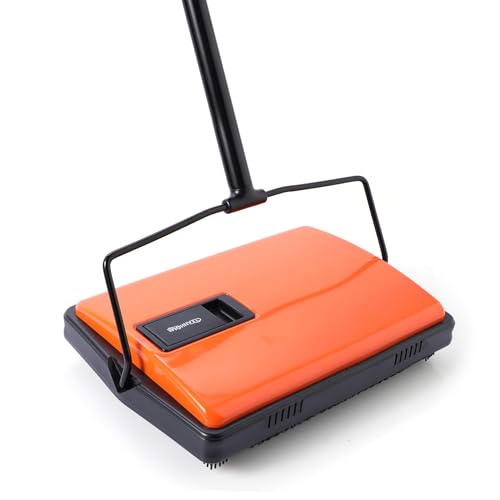
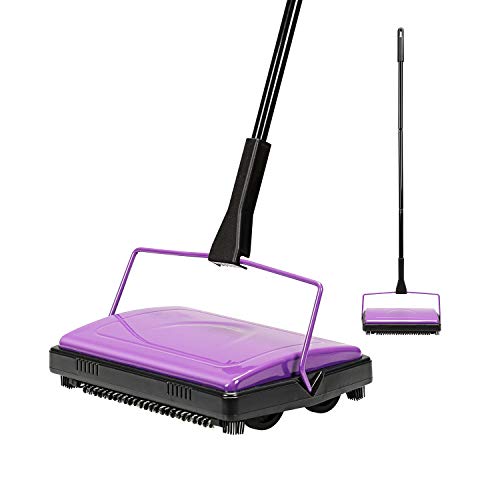
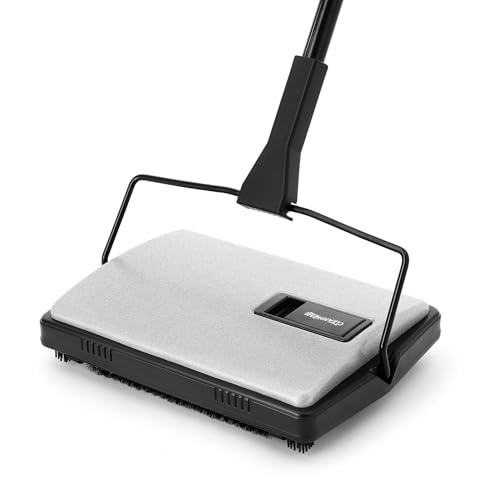
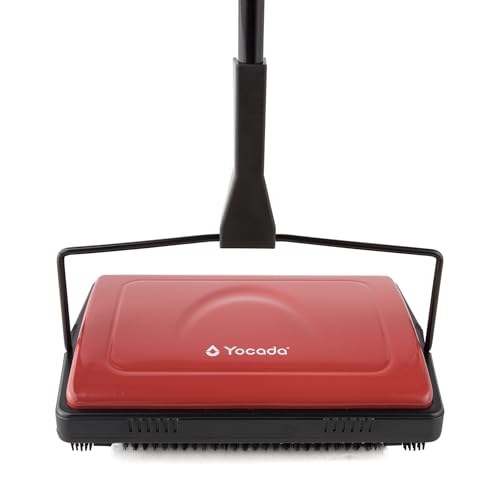
A carpet sweeper is a simple tool that picks up crumbs, hair, dust, and dry debris as you push it across the floor. Most models have no motor and no cord. Inside the body, one or more brushes turn as the wheels roll, and those brushes flick dirt into a small dust bin built into the base.
Because the brushes do the work, a sweeper is quiet and light. You can use it early in the morning, during a nap, or while someone is on a call without the roar of a vacuum. It also starts working the moment you push it, so a quick pass after dinner takes only a minute or two.
A sweeper is not a replacement for deep cleaning. It has no suction, so it cannot pull fine dust from deep in the pile the way a vacuum can. If you are weighing the two tools, see our guide to the best vacuums for carpet for a clear look at what a vacuum adds for weekly deep cleans.
Think of the two tools as partners. The vacuum handles the thorough weekly clean, and the sweeper handles daily crumbs, tracked in grit, and surface pet hair between those sessions. The parts are simple too: the handle gives you reach, the head holds the brushes and the bin, and the wheels drive the brushes as they turn.
Key Specs Explained in Plain English
Spec sheets look technical, but each line answers a simple question about fit, comfort, or cleaning power. The six factors below matter most for a first purchase. Read them in order and note the choices that match your home as you go.
Intended Use and Who a Carpet Sweeper Is For
Start with the jobs you will ask the sweeper to do most often. Most first time buyers want quick daily pickup on low pile carpet and area rugs, plus crumbs on hard floors near the dining table. Homes with pets need brushes that lift hair without wrapping it tightly around the roll, while homes with small children need a bin that opens without spilling.
If your main cleaning area is a bedroom, see our guide to the best bedroom carpet to understand how pile height in that room affects daily pickup. Be honest about frequency too, since a sweeper you use daily should feel effortless to grab, push, and empty.
Build Quality and Materials in a Carpet Sweeper
Build quality decides how the sweeper feels after months of bumps against chair legs and baseboards. Bodies are usually made from sturdy plastic or from metal. Plastic keeps weight down and resists rust, while metal often feels more solid and handles knocks with less flex. Look at the brush roll and wheels next, since those parts do the daily work.
Firm, evenly spaced bristles tend to keep their shape longer than very soft brushes, and rubber coated wheels roll more quietly than hard plastic wheels. A handle that locks firmly and a bin that closes with a clear click also signal quality. Warranty terms add one more clue, so check whether wear parts such as brushes are covered before you buy.
Price Versus Value When Buying a Carpet Sweeper
Prices usually fall into three broad groups. Budget models cost around $25 to $40 and cover basic pickup on low pile carpet. Mid range models cost about $40 to $70 and often add a larger bin, better wheels, and a sturdier handle.
Premium options can cost around $70 to $120 and focus on metal bodies, refined brushes, and compact options for tight storage. Value is not the same as the lowest price, since a cheap sweeper that misses hair or spills dirt will cost you time every day. Manual sweepers also need no bags, filters, or charging, so ongoing costs stay close to zero and your main future expense is a worn brush roll on some models.
Size, Weight, and Fit for Your Space
Size decides where the sweeper can go and where it can live between uses. A wider head covers open rooms faster, while a narrower head slips between chair legs and along rug edges. Measure your tightest spots, such as the gap beside a sofa, before you choose a head width, and check head height if you plan to slide under a bed frame or couch edge.
Weight matters too, because you will lift the tool over thresholds and carry it between rooms, so choose a lighter body if an older adult or a child will use it often. Some handles fold or come apart for narrow closets. For long halls, see our guide to the best carpet runners for lengths and widths that suit busy walkways.
Ease of Use and Setup for a Carpet Sweeper
A good first sweeper should feel easy to use within minutes of opening the box. Most models need only simple handle assembly, often by joining two or three sections and locking them together, with no special tools and no force. Daily handling matters more, though.
The sweeper should roll forward and back with light pressure, turn without lifting, and make only a soft brushing sound, which suits apartments and shared walls. The bin should open over a trash can with one hand or a simple press so dirt drops out instead of scattering. Also check how the head behaves at room edges, since brushes that reach close to the sides leave fewer crumbs along the baseboard and save you a second pass with a broom.
Key Performance Specs of a Carpet Sweeper
Performance comes down to how well the brushes gather debris and how well the bin holds it. Some models use a single central roll, while others add smaller brushes at the corners to pull dirt in from the edges. Pile height is the limit to respect, because sweepers work best on low pile carpet, flat weave rugs, and hard floors, while thick plush pile slows the brushes and leaves debris behind.
Delicate rugs need a gentler touch, so choose softer brushes and use light, slow strokes on fringe and loose weaves. If you own special rugs, see our guide to the best carpet sweeper for oriental rugs for care points that protect the weave. Bin size is the last trade off, with larger bins suiting big rooms and pet hair and smaller bins keeping the head slim.
Rookie Mistakes to Avoid When Buying a Carpet Sweeper
New buyers tend to make the same handful of mistakes, and each one is easy to dodge once you know it exists.
- Expecting vacuum level deep cleaning from a sweeper, which leads to disappointment when fine dust stays in the pile.
- Ignoring pile height at home, which leaves you with brushes that stall or skim over your thickest carpet.
- Choosing the widest head for small, crowded rooms, which makes turns awkward and leaves edges untouched.
- Skipping the bin design, which can mean spills on clean carpet every time you empty the collected dirt.
- Forgetting storage space, which leaves a full length handle leaning in a doorway instead of tucked away.
- Judging only by price, which can saddle you with wobbly joints and soft brushes that wear out fast.
None of these errors needs expert knowledge to avoid. A slow look at your rooms, rugs, and routine before you buy is enough.
Getting Started: Setup and First Use of Your Carpet Sweeper
When your sweeper arrives, read the manual before first use, even though assembly looks simple. The manual shows the correct order for joining the handle sections and the right way to open the bin, and following those steps once prevents loose joints and spills later.
Next, inspect every part. Turn the brushes by hand to check that they spin freely, look for packing material near the wheels, and confirm that the bin latches shut.
For your first clean, pick a room with low pile carpet and clear large items from the floor. Push the sweeper in slow, straight lines with light pressure, then pull it back along the same path. That back and forth motion drives the brushes, so steady strokes pick up far more than fast, random pushes.
Empty the bin as soon as the first pass ends, even if it looks only partly full. This habit shows you how much your rooms collect and keeps dirt from packing around the brushes. If you like a light scent between deep cleans, see our guide to the best carpet freshener for options that freshen carpet before a quick sweep.
Clean and inspect the sweeper itself regularly. Pull hair and thread from the brush roll with your fingers or small scissors, taking care not to cut the bristles. Wipe the bin with a dry cloth, check the wheels for grit, and store the tool in a dry spot.
FAQs About Carpet Sweepers
How much should I spend on a carpet sweeper?
Most first time buyers do well in the mid range, at about $40 to $70. That range usually buys a sturdy handle, a bin that empties cleanly, and brushes that hold their shape. Spend less if your floors are mostly hard with one small rug. Spend more only when you need a metal body, a folding handle, or a very slim head for tight storage.
What features matter most when buying a carpet sweeper?
Brush design, bin access, and head size matter most for daily results. Brushes that reach near the edges cut down on leftover crumbs along walls, and a bin you can open with one hand over a trash can prevents spills. One extra point many buyers miss is handle length, since a handle that suits your height keeps your back comfortable during longer sessions.
Are expensive carpet sweepers worth the extra cost?
Expensive carpet sweepers can be worth it when the higher price buys lasting parts you will feel every day. Metal bodies, smooth wheels, and firm brushes tend to hold up better in busy homes. The extra cost brings less value in a small, quiet home with light traffic, where a simpler model often cleans just as well for years.
How do I maintain a carpet sweeper?
Empty the bin after each use and clear hair from the brush roll once a week. That simple routine keeps the brushes turning freely and stops odors from building up in trapped dirt. Store the sweeper upright or hanging in a dry place. If pickup ever drops, check the wheels first, since a small stone or a wad of thread is the usual cause.
How long does a carpet sweeper last?
A well built carpet sweeper can last for many years because it has no motor to wear out. The brush roll and the wheels age first, especially in homes with gritty entryways. You can extend that life by sweeping up sharp debris with a dustpan instead, since broken glass and metal bits can nick bristles and scratch the inside of the bin.
Final Thoughts on Choosing Your First Carpet Sweeper
Choosing well comes down to three checks. Match the brushes to your pile height, match the head size and weight to your rooms, and pick a bin and handle that make daily use feel effortless.
Use the product table above to compare your shortlist against those checks one last time. The best carpet sweeper is not the one with the longest feature list. It is the one that fits your carpet, your space, and your habits so well that quick daily cleaning never feels like a chore.

