Best Carpet Steam Cleaner for Area Rugs: A Buying Guide for 2026
Disclosure: We may earn a commission when you buy through links on this page, at no extra cost to you. As an Amazon Associate I earn from qualifying purchases. Learn more

The best carpet steam cleaner for area rugs balances heat control and extraction; learn which types suit wool, synthetic and delicate rugs.
Area rugs trap grit, spills and pet accidents deep in the pile, where vacuuming alone cannot reach. Choosing the best carpet steam cleaner for area rugs means matching hot water that loosens soil with extraction that pulls it back out. This guide compares the main types, explains the heat and suction specs that matter, and shows how to protect delicate fibers. The product table lists current machines.
Prices start around $90 for a compact spot machine and reach about $400 for a full size upright with heat control, and the extra money buys tank capacity, adjustable heat and easier handling. Because the wrong heat or solution strength can fade a wool rug in one pass, read on before you spend.




How to Choose: A Buying Guide for Rug Owners
Three things decide how a machine treats a rug: the heat it can apply, the strength of its extraction, and how gently it handles fibers and fringe. Tank size and weight matter too, but they rank below those three. The sections below take each factor in the order it should shape your shortlist.
Heat Comes First: Hot Water and Fiber Safety
Heat loosens soil: hot water and solution soften dried spills, cooking oils and tracked in grit so the brush and suction can pull them free, and cold water rinsing alone rarely matches that result. When you shop for the best carpet steam cleaner for area rugs, start here, because a delicate fiber reads the heat setting first, and wool, silk blends and some natural dyes can shrink or bleed color under water that runs too hot. Machines with adjustable heat, or a rinse mode that skips heat, give you control. Run full heat on a sturdy synthetic hallway rug and low or no heat on a bedroom wool rug.
Extraction Power: Read the Dirty Water Tank
Extraction governs residue. The machine sprays solution into the pile and pulls it back out in the same pass, and strong extraction keeps that dirty water from soaking into the rug backing and drying there as a stiff gray film. Weak extraction leaves the pile damp for a day or more and can leave detergent behind, and that film attracts fresh soil faster than before. The dirty water tank shows the result honestly: dark, gritty water means the machine lifted what vacuuming left behind, while nearly clear water over a visibly dirty rug suggests the spray never reached the base of the pile, so strong suction, a powered brush and a plain water rinse mode are the specs to compare.
Machine Types: Upright, Portable and Compact
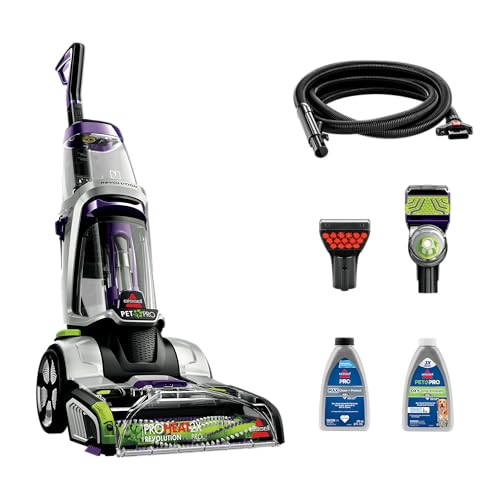
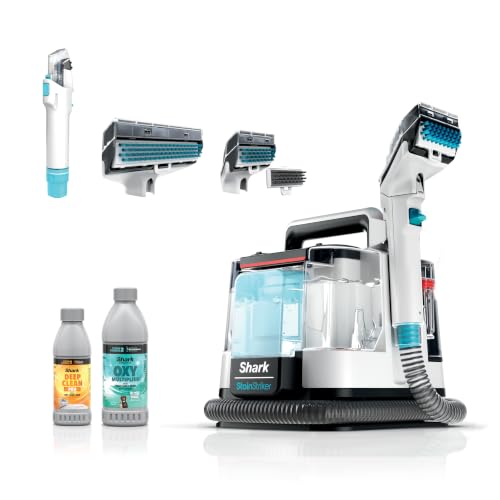
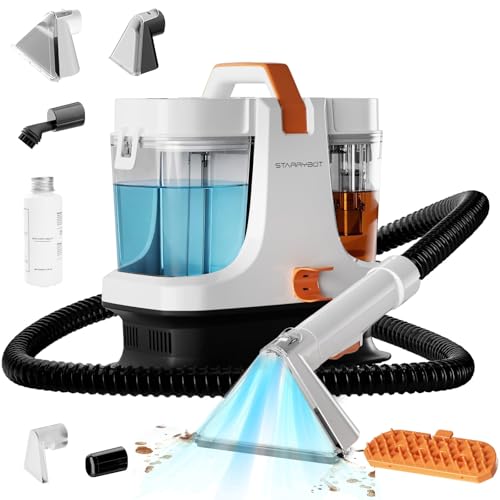
Full size uprights hold the largest tanks, about 1 to 1.5 gallons split between clean and dirty water, and they wash a whole living room rug without a refill stop. Portable spot cleaners weigh far less, store in a closet and suit stairs, car mats and single spills; our guide to the best small carpet cleaner for area rugs compares that compact class. Canister extractors sit between the two, with a long hose that reaches under sofas and beds, and if heat is the headline feature you want, our best steam cleaner for area rugs guide narrows the field to heated models only. Buyers who want one machine for rugs, stairs and upholstery often land in the wider best carpet cleaner machine for area rugs category, where hose length matters as much as tank size.
Weight and Maneuverability
An upright that weighs about 18 to 25 pounds feels stable on a thick pile rug but tiring on stairs, while a portable at about 8 to 12 pounds trades tank size for easy carrying. Wide cleaning paths, around 10 to 12 inches, cut passes on open rugs, and edge brushes matter along baseboards. A cord of about 15 to 25 feet lets you finish most rooms without changing outlets, and large rear wheels help it climb onto a rug edge without catching fringe.
Tank Size, Solution and Drying Time
Separate clean and dirty tanks keep the spray honest, and a lift out tank beats one fixed in place. Solution dosing matters more than brand claims: too much concentrate leaves residue, too little leaves soil, so a metering system takes the guesswork out. Drying time runs about 2 to 6 hours depending on pile depth and room airflow, and a strong extraction pass with plain water at the end shortens it. A fan or an open window makes the rug walkable again the same day.
Steam Cleaners Compared With Other Options
Not every rug problem needs heated extraction. The three options below solve narrower jobs, and the right one depends on how much soil, and how much rug, you face.
Cold Water Carpet Cleaner Machines
A cold water extractor skips the heating element, costs less and still lifts everyday soil from synthetic rugs. It is the safer default for wool and dyed rugs that dislike heat. Shoppers leaning that way can compare the unheated machines in our best carpet cleaner for area rugs guide. Pick this route when your rugs are mostly natural fiber or the steam feature would stay unused.
Steam Only Units
Steam only units push hot vapor through a pad or nozzle and sanitize hard surfaces well, but they extract nothing, so loosened soil stays in the pile unless you blot it away. Our best steam cleaners for rugs guide covers that class separately. Choose steam only for light freshening, and a hot water extractor when the goal is removing soil rather than moving it around.
Dry Shampoo Systems and Rental Machines
Dry shampoo systems brush a moist powder into the pile and vacuum it out after it dries, using very little water. They suit rugs that cannot get wet at all, though they lift less deep soil than extraction. Rental uprights offer strong suction for about $30 to $50 a day, a fair deal once a year, but you inherit a machine of unknown cleanliness and no adjustable heat.
Before the First Full Clean: Try a Hidden Patch
Try a hidden patch before a whole rug. Pick a corner that sits under a sofa, run one slow pass at your planned heat and solution strength, then let it dry fully and check for color change, shrinkage or a stiff feel. Wool, silk and antique rugs deserve the most caution: if the care label says no hot water, skip steam and use cold extraction or a professional rug cleaner instead. The patch check takes about five minutes plus drying time, and it is the cheapest insurance in the purchase, because heat damage only shows itself after the rug dries.
Common Mistakes to Avoid
- Running full heat on a wool rug, which can shrink the fibers and set dye bleeding in a single pass.
- Making pass after pass until the backing is soaked, which stretches drying past a day and invites mildew.
- Skipping the vacuum pass first, so loose grit and pet hair turn into muddy clumps under the brush.
- Doubling the solution dose for a stubborn stain, which leaves residue that pulls in fresh dirt faster.
- Dragging the cleaning head across fringe, which tangles and tears the strands a rug is valued for.
- Washing a rug over hardwood without a barrier, which lets moisture creep under the edges and mark the floor.
Care and Maintenance
Empty both tanks after every session and rinse them, because standing dirty water grows odor fast. Pull hair and thread off the brush roll weekly, rinse or replace the filter on the schedule the manual sets, and run a plain water pass through the machine before storing it so solution cannot dry in the spray jets. Store the cleaner dry with the cord loose. Fan the pile until the rug is fully dry, and rotate it twice a year so traffic and sunlight wear it evenly.
Frequently Asked Questions
Can steam cleaning damage a wool area rug?
Yes, steam cleaning can damage a wool area rug if the water runs too hot or the rug stays wet too long. Wool fibers can shrink and felt, and a jute backing can pucker as it dries. Check the care label first, choose the lowest heat or a cold rinse, and dry the rug flat with airflow across both sides. Valuable rugs are safer with a professional cleaner who washes them off site.
How long does an area rug take to dry after steam cleaning?
Most area rugs dry in about 2 to 6 hours after steam cleaning. Thick wool piles sit at the slow end, while thin synthetic rugs dry fastest. Lift the rug corners onto blocks so air reaches the backing, and keep furniture off the rug until it is fully dry, because metal feet can leave rust marks on damp fibers.
Does a carpet steam cleaner remove pet odor from an area rug?
A carpet steam cleaner removes most pet odor when the accident is recent and the solution reaches the base of the pile. Use an enzyme based solution made for pet messes, because plain detergent masks the smell without breaking down the source. Old urine soaked into the backing needs repeated extraction passes, and an odor soaked rug pad underneath should be replaced, since it recontaminates the rug from below.
How often should an area rug be deep cleaned?
An area rug in an entry or hallway benefits from deep cleaning about every 6 months, while a bedroom rug can go a full year. Traffic, pets and kids shorten the gap, and light colored rugs show the need sooner. Clean on schedule, because grit at the base of the pile acts like sandpaper with every step. Between sessions, vacuum slowly in two directions and blot spills the day they happen.
Can I use a carpet steam cleaner on a rug over hardwood floors?
Yes, you can use a carpet steam cleaner on a rug over hardwood if you protect the floor first. Lay a waterproof rug pad or plastic sheet under the rug so extraction water cannot creep past the backing, and move the rug to a sealed surface when you can. Afterward, lift the rug and check the floor, because moisture trapped under a slow drying rug can cloud some finishes.
Final Thoughts
Heat control, strong extraction and a careful patch check matter more than any headline spec. Match the machine size to the rugs you own, compare the classes in the product table above, and choose the best carpet steam cleaner for area rugs whose gentlest setting your most delicate rug can handle, because that rug sets the limit for the whole house.