Best Carpet Cleaner for White Rugs at Every Price in 2026: What Your Money Gets You
Disclosure: We may earn a commission when you buy through links on this page, at no extra cost to you. As an Amazon Associate I earn from qualifying purchases. Learn more

Choose the best carpet cleaner for white rugs that lifts stains without yellowing, with guidance on rinse power, brush safety, tanks and price.
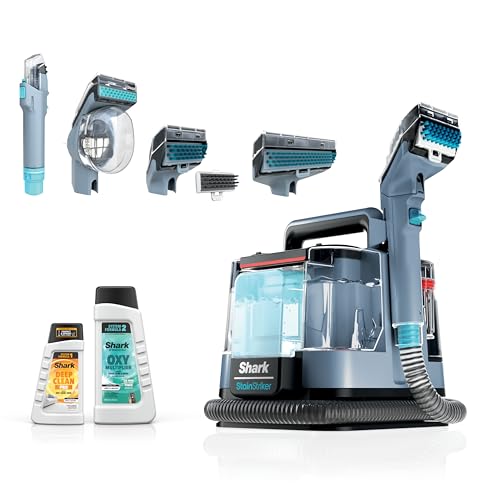
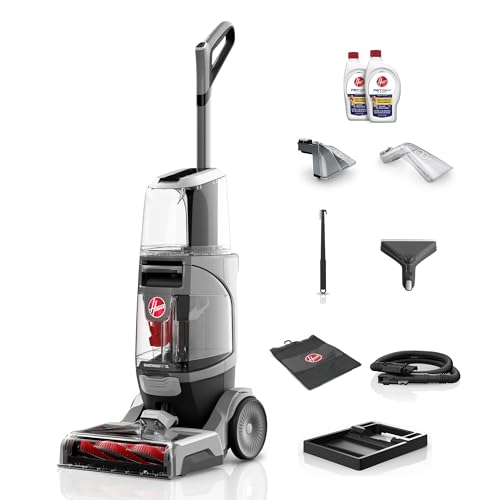
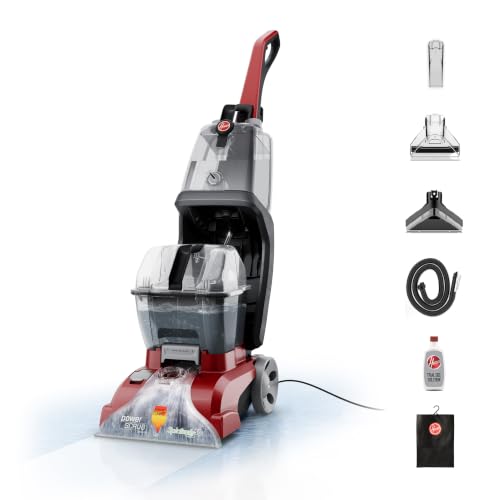
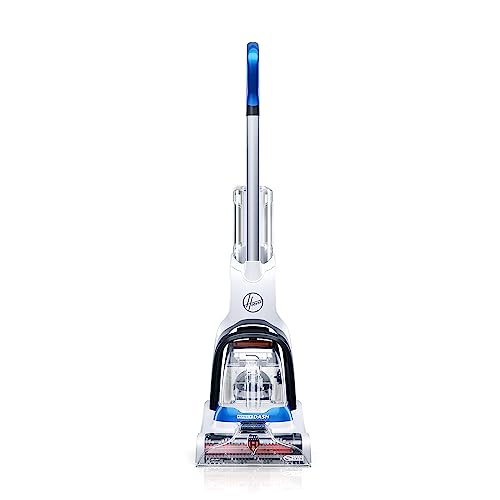
White rugs show every footprint and splash, so the best carpet cleaner for white rugs must lift soil without leaving yellow marks or gray residue. Use the product table below to match rinse control, extraction strength and tank size to your rug.
Start with your fiber and your stain pattern. A synthetic rug in a busy hall needs strong extraction and fast drying, while a wool rug in a quiet bedroom needs soft brush action and careful solution control.



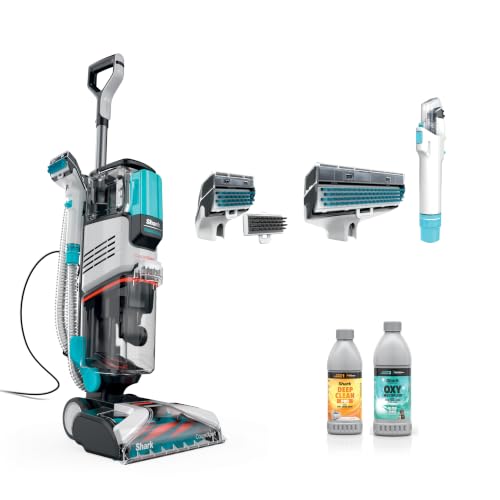


Who Should Buy a Cleaner for White Rugs?
Your household pattern decides how much machine you need.
Homes With Kids and Daily Foot Traffic
You deal with juice, food and muddy shoes that stand out at once on a pale rug. Choose an upright extractor with a wide path and a large dirty water tank so you can cover a play area without stopping often. Fast extraction matters most, because a rug that dries quickly returns to daily use the same day.
Pet Owners Worried About Odor and Stains
You need cleaning that reaches below the surface, where litter, dander and accident moisture settle. Choose strong extraction and a rinse pass with plain water so solution and odor do not stay in the pile. Keep a portable spot unit nearby for quick response, and keep pets off the rug until drying is complete.
Owners of Delicate Wool or Vintage White Rugs
You own fibers that can shrink, lose dye from a colored backing or felt when scrubbed too hard. Choose gentle brush action and low solution output. If your white rug anchors a dining room, see our guide to the best carpet cleaner for oriental rugs for care points on older pieces. A professional cleaner is safer for silk blends and fragile jute backing.
What Each Cleaner Tier Trades: Tank, Suction and Brushes
Each tier trades tank size, extraction strength and brush control. The best carpet cleaner for white rugs for your budget is the one that rinses cleanly, not simply the one with the largest motor claim.
Budget Tier: Basic Spot and Surface Cleaning
Machines at about $80 to $150 are mostly portable spot cleaners with small tanks and a short hose. They suit single spills, rug edges and stairs, and they store in a closet. You will refill often on a large rug, so plan extra plain water passes. For a small rug with light use, this tier covers most needs.
Midrange Tier: Deeper Cleaning With Better Rinse Control
Models at about $150 to $300 usually add a powered brush, separate clean and dirty water tanks and stronger pickup. That mix lifts traffic lane soil more evenly and leaves less damp pile behind. Most households with one or two large white rugs find this tier practical. Look for a brush you can switch off for delicate fibers.
Premium Tier: Larger Tanks and Stronger Extraction
Cleaners at about $300 to $500 offer bigger tanks, wider paths and sturdier hoses and tools, with heated air to assist drying on some models. The gain is fewer refills and drier results on thick pile. Choose this tier if you clean several rooms or host often.
Key Features to Compare
Compare these factors before price, because each one changes how a pale rug looks after cleaning and how soon marks return.
Gentle Cleaning Without Bleach or Harsh Brighteners
White fibers tempt owners to reach for bleach, but many fibers and backings react with yellowing, weak spots or uneven color. Choose a machine that works well with color safe, fiber safe solutions and lets you control how much solution reaches the pile. Wool needs solutions labeled for wool, while most synthetic rugs accept a wider range.
Rinse and Extraction Power for White Fibers
Extraction is how strongly the machine pulls dirty water back out of the pile, and it matters more on white rugs than solution output. Weak pickup leaves soil and detergent deep in the fibers, which dries into a gray cast and draws new dirt sooner. Make slow passes, then add dry passes with suction only until little water enters the tank. A rug left only slightly damp will dry with a brighter, more even tone.
Brush Action and Pile Safety
Brushes loosen soil, but stiff or fast spinning bars can fuzz wool, tear loop pile and crush delicate fibers. Look for soft bristles, adjustable height or a suction only mode for fragile rugs. Long pile needs a brush that lifts without tangling, and see our guide to the best carpet cleaner for shag rugs for pile specific advice. Low pile synthetic rugs accept firmer action, which helps lift packed traffic lanes.
Tank Size and Clean Water Separation
Separate clean and dirty water tanks keep fresh solution from mixing with soil you just removed, which protects a pale finish. Small tanks of about half a gallon suit spot work, while tanks of about one gallon or more reduce stops on large rugs. Choose a tank you can lift when full and rinse easily, because leftover dirty water causes odor.
Solution Control and Residue Prevention
Too much solution is a common cause of fast resoiling on light rugs, since sticky residue holds dust and footprints. A trigger or dial that releases solution only when you choose gives you control for light and heavy areas. Measure concentrate exactly as the label directs, and never add extra for a tough stain. For methods across rug types, see our guide to the best cleaner for rugs and compare residue handling.
How to Clean a White Rug Without Yellowing or Damage
Vacuum slowly first, with no beater bar on delicate pile, so loose grit does not turn into mud once water touches it. Blot a fresh stain with a clean white cloth, working from the outer edge inward so the mark does not spread. Never rub, because rubbing pushes pigment deeper across pale fibers.
Work in small sections, apply solution on the forward pass and extract on slow back passes, then follow with a plain water rinse and extra dry passes. Point a fan across the surface and keep feet and pets off until dry. If your white rug covers most of a room, see our guide to the best carpet cleaner for area rugs for coverage and cord reach planning.
Ongoing Costs: Solution, Brushes and Spare Parts
Solution, brush wear and replacement hoses and tools add to the purchase price over time. A household that cleans two or three times a year spends modestly, while pet homes that clean monthly spend more. Check parts prices and warranty length for the motor and pump before you buy. Store solution indoors away from freezing, because damaged solution cleans poorly and leaves more residue.
Common Mistakes to Avoid
- Using bleach on a white rug yellows many fibers and weakens the backing.
- Soaking the pile with excess water lets moisture reach the pad and cause odor.
- Adding extra solution for a tough stain leaves residue that draws dirt back fast.
- Scrubbing a fresh spill spreads pigment and pushes it deeper into pale fibers.
- Skipping the plain water rinse leaves a gray cast once the rug dries.
- Walking on a damp white rug sets new footprints into wet pile.
Care and Maintenance for White Rugs and Your Cleaner
Empty and rinse both tanks after every use, then leave the lids open until the insides dry, because dirty water left overnight grows odor. Wipe the brush and suction opening, remove wrapped hair and fibers, and rinse any filter or screen the manual lists. Replace a brush when bristles bend flat.
Between deep cleans, vacuum often and blot spills at once with a white cloth so dye from a colored cloth cannot transfer. Rotate the rug twice a year if sun and traffic fall unevenly. Store the cleaner indoors with tanks empty and the cord loosely coiled.
FAQ
What features matter most in a carpet cleaner for white rugs?
Strong extraction, a plain water rinse option and gentle brush control matter most for white rugs. Together they remove soil without leaving residue or roughened fibers. One point many buyers miss is tank visibility, because clear walls show when recovered water turns clear and a section is truly done.
Can you use bleach on a white rug to remove a stain?
No, you should not use bleach on most white rugs, even when the surface looks pure white. Backings, stitching and wool or silk content can yellow or weaken before surface damage shows. Safer options include a fiber safe solution matched to your rug label and longer dwell time. For an unknown fiber, a hidden test spot that dries fully gives the clearest answer.
How long does a white rug take to dry after extraction cleaning?
A white rug usually dries in about 4 to 8 hours after extraction cleaning, depending on pile depth and room airflow. Thick pile and humid rooms take longer, even with strong extraction. You can shorten the wait by opening windows on a dry day and running a fan across the surface. Test dryness by pressing a dry white tissue into the pile.
How often should you deep clean a white rug?
Deep clean a white rug about every 6 to 12 months, and sooner when traffic lanes turn gray. Homes with pets or young kids may need a light clean every 3 to 4 months on busy areas only. Cleaning too often wears fibers and backing, so spot treat single marks between full cleans. A door mat and a shoe free habit cut tracked soil.
Are portable spot cleaners enough for a large white rug?
Portable spot cleaners are enough for single spills on a large white rug, but they are slow and uneven for a full clean. Their small tanks need frequent refills, and lower extraction can leave thick pile damp for many hours. Use one for fast response, then plan a full size machine for whole rug work.
Final Thoughts on Choosing Carpet Cleaner for White Rugs
Protecting a pale rug comes down to gentle chemistry, strong water pickup and a full rinse, matched to your fiber and traffic level. Weigh brush safety and tank design before motor claims. Use the product table above to compare extraction, tank size and weight.
When you compare best carpet cleaner for white rugs options with those checks in mind, stains lift more cleanly and the surface stays brighter between cleans.