Best Carpet Cleaner for Oriental Rugs in 2026: Types Compared and How to Choose
Disclosure: We may earn a commission when you buy through links on this page, at no extra cost to you. As an Amazon Associate I earn from qualifying purchases. Learn more

Compare the best carpet cleaner for oriental rugs by type, with fiber and dye safety checks, suction and moisture guidance, and simple care steps.
Oriental rugs punish the wrong cleaner. Wool pile, silk blends, cotton backing and plant based dyes all react badly to harsh heat, strong solution and rough brush action. The best carpet cleaner for oriental rugs lifts soil while leaving fiber, color and fringe unharmed. This guide compares each type by water, heat and agitation, so you can use the product table below with confidence.
Start with what your rug is made of. A sturdy machine made wool rug tolerates gentle wet extraction, while a hand knotted or antique piece may need dry care and professional help only.





Types of Carpet Cleaners Compared
Four cleaner families do most home rug care, and they differ mainly in how much water, heat and brush force they bring to the pile. Judge each one by what it leaves behind in the rug, not by headline power alone.
Carpet Cleaners and Steam Cleaners
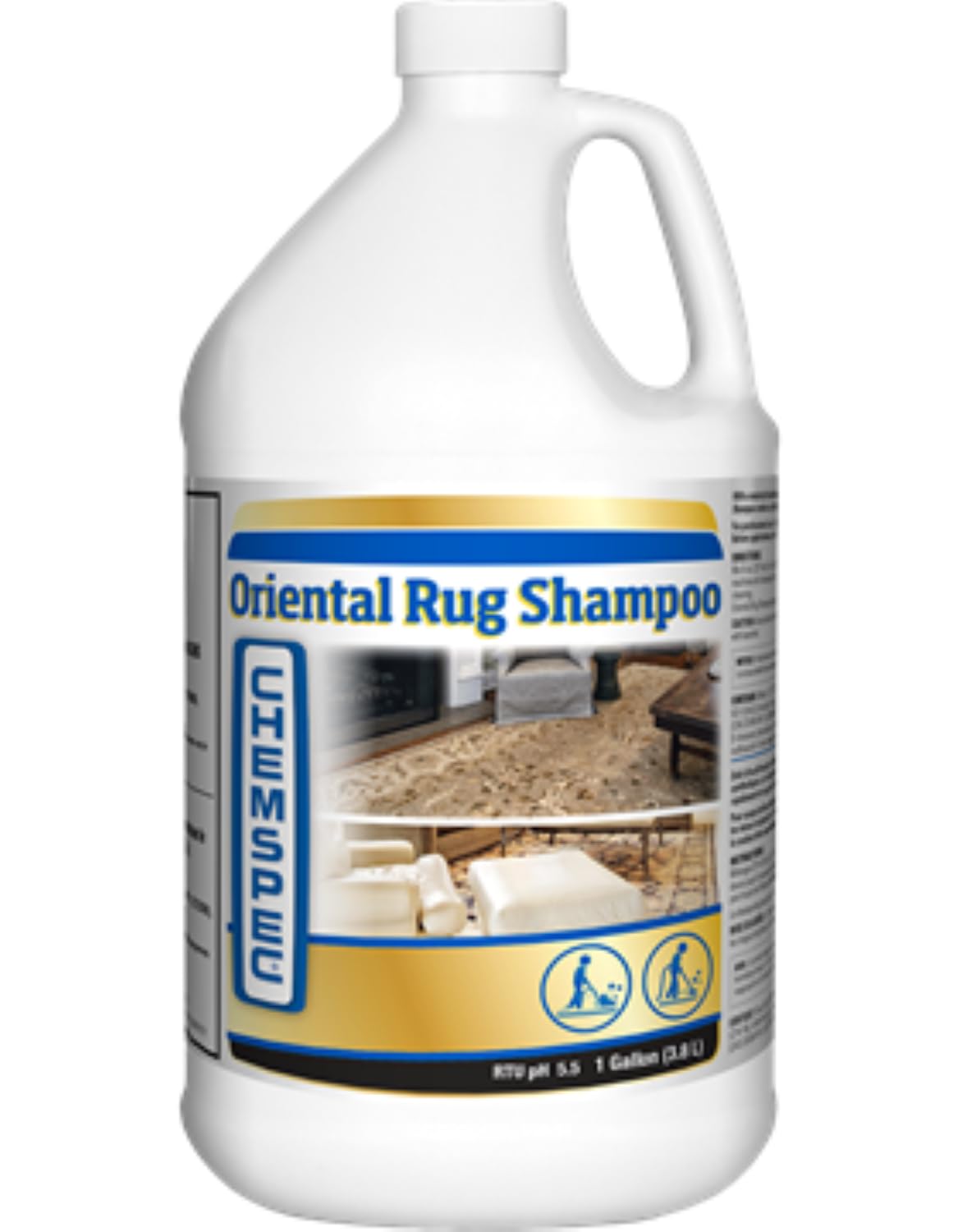
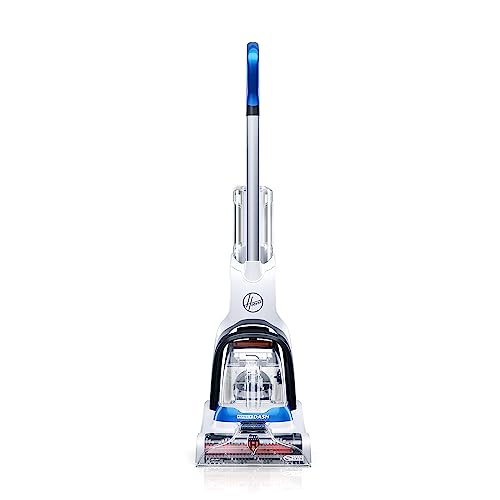
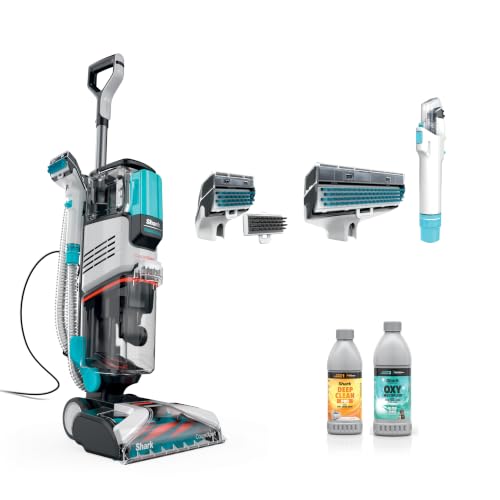
Wet extraction cleaners spray solution, loosen soil with a soft brush and pull dirty water back out. Used with cool water and a wool safe solution, they suit sturdy wool rugs with stable dyes and cost about $150 to $400. Steam machines differ, because high heat vapor can shrink wool, dull silk and move loose dye, so treat steam as a risk rather than a default deep clean.
Handheld Vacuums
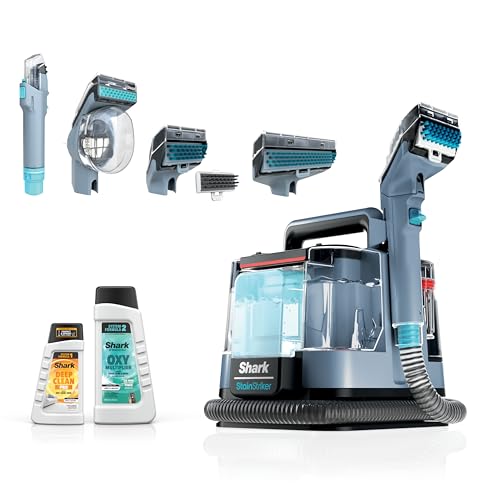
Handheld units cover two small jobs well. Dry handheld vacuums pick up crumbs, grit and pet hair along borders where a full size head cannot reach. Small handheld spot extractors add a tiny tank and treat one fresh spill with very little water. Expect to pay about $40 to $150, and choose this type for spots and edges only.
Canister Vacuums
A canister vacuum is the safest dry cleaner for most oriental rugs. A suction dial lowers pull on thin or worn pile, the hose head glides without a heavy motor on the rug, and the brush roll switches off so only suction lifts grit. Canisters wash nothing, so they pair with rare gentle wet cleaning. Most cost about $200 to $500. If dry care is your main plan, see our guide to the best vacuum cleaner for oriental rugs.
Upright Vacuums
Upright machines promise strong suction and a wide path, and that power is the problem as often as the benefit. A stiff beater bar can fuzz wool pile, high suction can lift and stretch a light rug, and a wide head tends to catch fringe. An upright suits an oriental rug only when suction adjusts down and the brush roll switches off. Most cost about $120 to $350.
Carpet Cleaners and Steam Cleaners vs Handheld Vacuums: Which Should You Choose?
Compare these two on soil size, moisture and risk. A full size wet machine treats soil across the whole field, but every inch of pile and dye faces water and solution. A handheld spot unit wets only the spill area, yet it cannot refresh a dull room size rug.
Choose the handheld route for one fresh spill on a rug with dyes you have already tested. Choose gentle extraction when tracked soil covers most of a sturdy wool rug and you can dry it fully the same day. That balance between coverage and caution, not raw power, defines the best carpet cleaner for oriental rugs in most homes. For silk, antique or fragile rugs, choose neither and call a rug specialist.
How to Choose the Right Carpet Cleaner
Work through these factors in order, starting with the rug itself. Fiber and dye decide which methods are even safe, and only then do shape, power source and upkeep costs matter.
Vacuum Type: Upright, Canister, Stick, Robot and Handheld
Match the shape to your rooms and rug count. A canister follows you from rug to rug, while a stick suits quick daily passes in one small flat. A robot seems easy, but rotating side brushes snag fringe and bump raised pile edges, so most oriental rug owners should skip it. Pick the shape you can control slowly, because slow passes lift more grit than fast ones.
Features That Matter for Oriental Rugs
Four controls matter more than headline suction power or air watts. Adjustable suction protects thin pile and loose weave. A brush roll shutoff, or a soft bristle head, stops the bar from chewing pile and fringe. Temperature and solution controls keep water cool and dilution mild, at a pH neutral level wool tolerates. A head with height adjustment rides over thick pile instead of plowing into it.
Floor Types Around Oriental Rugs
Most oriental rugs sit on hardwood or tile, so the cleaner must cross bare floor and pile in one session. A soft roller avoids scratching boards, while strong edge suction picks up grit that gathers where rug meets floor. Check pile thickness against door swing and head clearance before you buy. If the same machine must also serve plainer floor coverings, see our guide to the best carpet cleaner for area rugs for the wider comparison.
Noise and Maintenance
Wet machines and vacuums alike run at about 65 to 80 decibels. Maintenance decides the real cost. Tanks need rinsing after each use or old solution turns sour, filters need care on the maker schedule, and solution, bags and spare filters add yearly cost. A removable anti tangle brush roll makes hair removal simple. Budget for those parts before you judge two similar prices as equal.
Corded vs Cordless Runtime
Corded extractors run as long as you need with steady suction. Cordless sticks and handhelds run about 20 to 60 minutes per charge, and the hardest pulling modes drain the battery fastest. A removable battery doubles working time if you own a spare. For one large rug, corded power is the safer bet. For daily pickup on a small rug, cordless freedom is worth the shorter runtime.
Common Mistakes to Avoid
Most oriental rug damage comes from a short list of habits.
- Using steam or hot water on a wool or silk blend rug can shrink fibers and push loose dye across the pattern.
- Skipping the color test in a hidden corner lets one wash turn a small dye weakness into bleeding over the whole field.
- Scrubbing a spill with a stiff brush spreads the stain outward and frays the pile where you worked hardest.
- Leaving soap residue in the pile draws fresh soil back fast, so the rug looks dull again within weeks.
- Running a powered brush over the fringe tangles the ends and can tear the threads that finish the rug.
- Soaking the backing and replacing furniture too soon traps moisture that weakens cotton backing and leaves a sour smell.
Setup and Care Tips for Oriental Rugs
Before any wet cleaning, dry vacuum slowly with suction only, then test your solution on a hidden corner and wait about 10 to 15 minutes for color change. Work from the outer edge of a stain toward its center, extract until the water runs clearer, and check that the pad stayed flat and dry. If your pad is worn or bunching, see our guide to the best carpet pads for oriental rugs before the next wash.
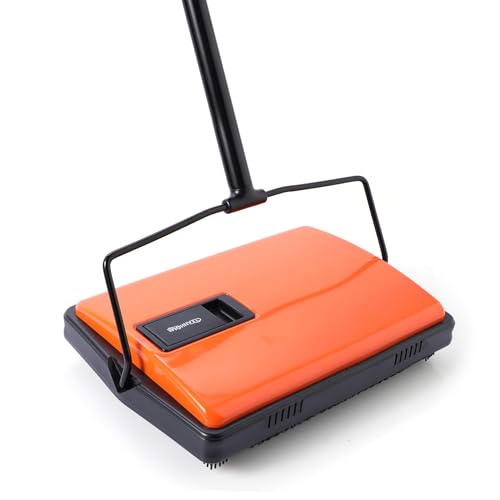
Dry the rug flat with air moving across both faces, and keep furniture off it until the backing feels dry. Between deep cleans, a quiet daily pass keeps grit from grinding into the base of the pile, and our guide to the best carpet sweeper for oriental rugs covers that light tool. After each session, empty and rinse the dirty tank, and cut wrapped hair off the brush roll.
Carpet Cleaners: Your Questions Answered
What features matter most in carpet cleaners for oriental rugs?
Gentle control matters most, led by adjustable suction and a brush you can switch off. One point buyers often miss is the edge tool. A narrow tool with soft edges cleans along the binding and under the fringe line without pulling threads, reaching the grit band a wide head bridges over.
Are cordless vacuums strong enough for oriental rugs?
Yes, a cordless vacuum is strong enough for surface soil on most low and medium pile oriental rugs. Try a simple grit test before you trust one as your only cleaner. Scatter a pinch of dry sand, make two slow passes, and check what remains with a white cloth. If grit stays deep, keep a corded machine for monthly work.
Is HEPA filtration necessary in a carpet cleaner for oriental rugs?
No, HEPA filtration is not necessary for the safety of an oriental rug itself. It matters for people, because fine rug dust and dander trigger symptoms in sensitive homes. Look for a sealed system around the filter, since air that leaks past the casing never gets filtered at all.
How often should you replace the filter in a carpet cleaner for oriental rugs?
Replace the filter on the schedule for its type, and sooner when suction drops. Washable foam stages usually need a rinse about once a month and replacement about once a year, while sealed HEPA stages often last about 6 to 12 months and should never be washed. A musty smell that survives a clean tank is a clear sign the filter is spent.
What type of carpet cleaner is best for a home with oriental rugs?
A canister vacuum with adjustable suction is the best base type for most homes with oriental rugs. Room layout settles the rest. Several smaller rugs in separate rooms favor canister hose reach and a light head, while one large rug in an open room may justify a gentle extractor as a second machine.
Final Thoughts on Choosing Carpet Cleaner for Oriental Rugs
Three checks decide this purchase. Fiber and construction tell you which methods are safe, a dye test tells you whether water can touch the rug at all, and moisture control tells you how clean you can get it without harm. Match those checks against the cleaner types and prices in the product table above, and favor the gentlest machine that still lifts your soil.
For most wool rugs in family rooms, the best carpet cleaner for oriental rugs is a controlled, cool water routine built on weekly suction and rare gentle extraction. Buy for control first, and treat power as a managed risk.