
Best Carpet Cleaner for Upholstery in 2026: Types and Buying Guide
Disclosure: We may earn a commission when you buy through links on this page, at no extra cost to you. As an Amazon Associate I earn from qualifying purchases. Learn more
Compare the best carpet cleaner for upholstery by machine type, hand tool, suction and tank size, and avoid common mistakes.
A spill on a sofa cushion behaves very differently from a spill on a hallway rug. Liquid sinks into padding, spreads along seams, and can leave a ring if you scrub too hard or leave the fabric too wet. Choosing the best carpet cleaner for upholstery means looking past floor cleaning power and focusing on the hand tool, the suction at the nozzle, and how gently the machine treats fabric.
This guide compares three types of machines by tank capacity, cleaning performance on furniture, and ease of use. Use the product table below to see how the types differ, then read on for the features that matter most on sofas, chairs, stairs, and car seats.


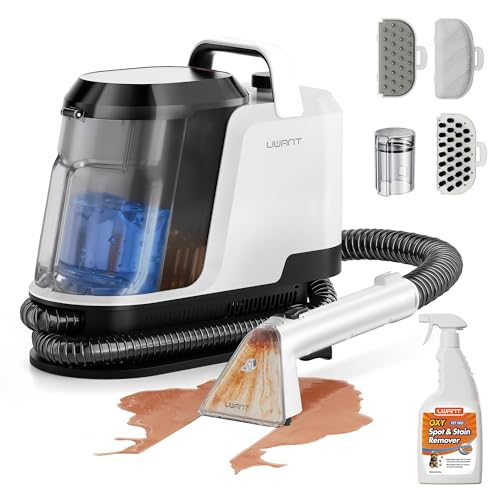


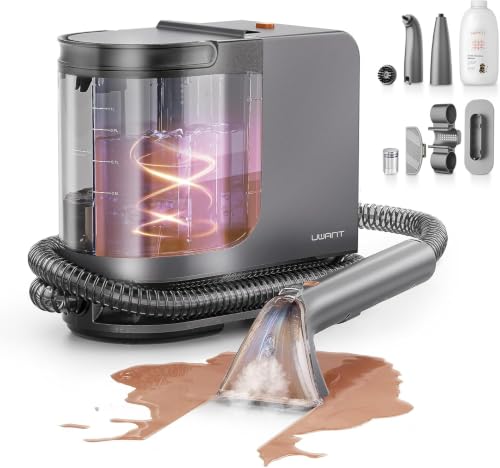
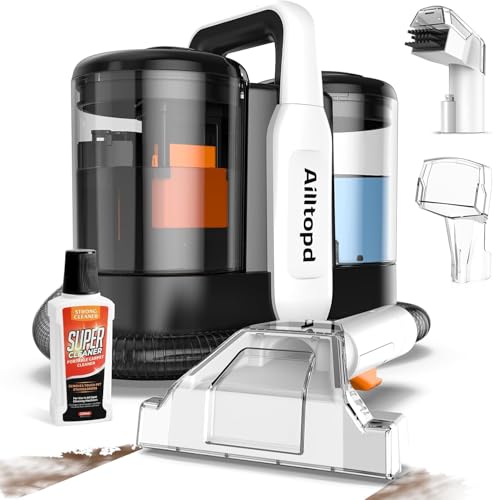
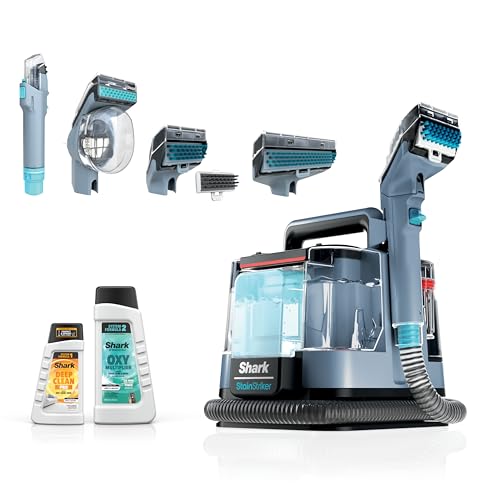
Machine Types at a Glance
Three machine types cover most homes. Portable spot cleaners suit most homes and handle single cushions and spills. Upright machines with a hose and hand tool suit large households that clean whole rooms plus furniture. Compact cordless models suit small apartments and cars where storage and quick access matter more than tank size.
Three Types Compared for Upholstery
Portable Spot Cleaners for Everyday Furniture
A portable spot cleaner is a small machine with a short hose and a handheld scrub tool. You carry it to the sofa, set it on the floor or a sturdy side table, and work cushion by cushion. Tank capacity is modest, often enough for one chair or a few cushions before you refill. That limit is rarely a problem for spills and pet accidents, and the small tanks are easy to fill, empty, and rinse at a sink. If portability is your main concern, our guide to the best portable carpet cleaner explains the size and weight differences in more detail.
The main strength of this type is control, since the tool fits armrests, seat edges, and tight curves. The weakness is pace. Cleaning a large sectional means several refills, so this type suits targeted jobs far better than whole room sessions.
Upright Machines With a Hose and Hand Tool
An upright carpet cleaner is built for floors, but many models add a hose and a separate upholstery tool for furniture. The tanks are larger, the motor is stronger, and you can move from the rug to the sofa without switching machines. That makes this type a sensible choice if you already plan to clean carpets often and want one machine for both jobs. Check that the hose reaches the top of a sofa back while the base stays flat on the floor.
The trade off is bulk. The hand tool is often wider than a portable tool, which feels clumsy in tight seams, and the base is heavier to carry between floors. Choose this type when floor cleaning is the priority and upholstery work is regular but not delicate.
Compact and Cordless Options for Small Jobs
Compact and cordless cleaners trade tank size and suction strength for speed and convenience. They are light, store in a small closet, and are ready in seconds when a drink tips over. That quick response matters, since a fresh spill lifts far more easily than one that sat overnight. These models suit studio apartments, car interiors, and dining chairs.
The limits show up on older stains and thick padding. Weaker suction leaves more moisture behind, so cushions take longer to dry. Treat this type as a first response tool for fresh messes, not a replacement for a fuller clean on heavily soiled furniture.
How to Evaluate a Carpet Cleaner for Upholstery
Start with the hand tool, because that is the only part that touches your furniture. Look for a tool width that matches your cushions, bristles that are firm enough to work solution into fabric without fraying it, and suction slots that pull water from the surface as you draw the tool back. Then compare tank capacity, noise level, cord or hose length, and the warranty terms.
Cleaning performance claims are hard to compare across brands, since each maker tests differently. Verified buyer reviews that mention sofas or car seats specifically are more useful than general praise, especially comments about drying time and leaking hoses.
How to Choose the Right Carpet Cleaner for Upholstery
Reach, Weight, and Working Position
Upholstery cleaning happens at odd angles. You kneel beside a sofa, reach across a wide cushion, and climb stairs with the machine in one hand. A long hose lets the base stay in one place while you cover a whole sofa, and a long cord keeps you from hunting for outlets mid job. Weight matters more than the listed specifications suggest, because you lift the machine every time you move between rooms or climb to a landing.
Think about where the machine will sit while you work. A portable unit perched on a cushion can tip and spill dirty water, so a flat, stable base is worth having. Measure tall sofa backs against the stated hose length before you order.
Features Worth Paying For
A dedicated upholstery tool with gentle bristles is the feature that earns its cost first. A crevice style edge on the tool helps along seams and piping where dirt collects. Dual tanks keep clean solution separate from dirty water, so you never spray grime back onto fabric. A pet stain tool with enclosed spray can help on accidents, and our guide to the best carpet cleaner for pet stains covers that need in depth.
Heated cleaning, where the machine keeps solution warm during use, can loosen greasy marks on armrests, but it is an extra rather than a must have. Skip extra floor attachments and scent packages if upholstery is your only job, because they raise the price without improving furniture results.
Power, Suction, and Energy Use
Wattage figures tell you how much electricity a machine draws, not how well it cleans. For upholstery, suction at the hand tool matters far more, because pulling water out of padding is what prevents lingering damp smells and slow drying. A machine can feel strong on a flat rug yet weak through a long thin hose, so reviews that mention water recovery from cushions are the best guide you have.
Energy use for one furniture session is small, since the machine runs for minutes rather than hours, though heated models draw more power. Shorter sessions with overlapping slow passes use less electricity than repeated full cleanings, and they usually leave fabric cleaner as well.
Safety Features and Fabric Care
Look for a recognized safety certification such as UL or ETL on the label, which shows the machine was tested for electrical safety. Automatic shut off when the dirty water tank reaches its fill line helps prevent overflow into the motor.
Fabric safety is your side of the bargain. Find the cleaning code on the furniture tag, usually a letter such as W, S, WS, or X. Water based cleaning suits W and WS fabrics, while S means solvent only and X means vacuum only, so a carpet cleaner should not touch those last two. Always test solution on a hidden area first and let it dry fully before treating the visible surface.
Storage Space and Dimensions
Measure the closet or shelf where the machine will live before you buy. Portable units often fit on a utility shelf, while uprights need floor space and height for the handle. A hose that wraps neatly and a tool that clips onto the body keep the setup tidy.
Also consider sink access. Tanks that lift off easily and fit under a standard faucet save real effort, while bulky one piece designs are awkward to rinse in a small sink. That small annoyance often decides whether a machine gets used or left in storage.
How Much Should You Spend?
Basic portable models sell for under $100 and handle fresh spills and light marks well, with a small tank and modest suction. Step up to about $100 to $200 and you gain stronger suction, better tools, larger tanks, and heated cleaning on some models. That middle range suits most households.
Spending about $200 to $300 usually buys an upright with a hose or a premium portable with longer reach and sturdier parts, which makes sense if you clean often. Above that level you mostly pay for floor features and extras that do little for furniture.
What Matters Most in a Carpet Cleaner for Upholstery
Furniture differs from carpet in three ways that shape your choice. First, the surface is vertical or curved as often as it is flat, so the tool must seal against fabric at an angle without losing suction. Second, padding under the fabric holds water, so strong extraction matters more than aggressive scrubbing. Third, many upholstery fabrics are thinner and more delicate than carpet pile, so gentle bristles and controlled solution flow protect the surface you are trying to save.
Drying deserves special attention. A cushion that stays damp inside can develop a musty odor within a day or two. Work in a ventilated room, aim a fan at the cleaned area, and avoid sitting on cushions until they feel dry all the way through.
Steam is the main alternative people consider, and the comparison in our carpet cleaner vs steam cleaner guide explains where each method fits. In short, extraction washing removes dirty water from the fabric, while steam loosens soil but leaves much of it behind unless you blot carefully. For food spills, pet accidents, and ground in dirt on washable fabric, extraction is usually the safer bet.
Before your first session, read the maker directions, and our walkthrough on how to use a carpet cleaner covers the basic sequence. A slow pull toward you with the trigger released extracts the most water and prevents the common error of soaking the same spot twice.
FAQ
What is the best carpet cleaner for upholstery?
For most homes, a portable spot cleaner with a narrow upholstery tool and strong suction is the best carpet cleaner for upholstery, because it balances control, storage size, and drying speed. Choose an upright with a hose instead if you also clean whole carpeted rooms every month.
What should I look for in a carpet cleaner for upholstery?
Look first at the hand tool, the hose length, and how easily the tanks lift out for rinsing. One point buyers often miss is cuff flexibility where the hose meets the tool, because a stiff joint fights you on curved cushions. Also check that replacement solution and spare tools are easy to order.
How long does a carpet cleaner last?
A well kept machine often lasts about five to eight years of household use. Seals, hoses, and brush strips wear first, especially if dirty water sits in the tank between jobs. Storing the machine dry slows that wear. When suction drops despite clean filters and empty tanks, worn seals are the usual cause.
Is a carpet cleaner worth it?
It is worth it if you clean furniture at least a few times a year. One visit from a professional upholstery service can cost about as much as a basic portable machine, so the purchase often pays for itself after two home sessions.
How do you clean a carpet cleaner?
Empty the dirty water tank right after each job, rinse both tanks, and run plain water through the hose and tool to clear residue. Wipe the tool face, remove trapped hair from the suction slots, and leave the tanks unlatched so air can dry the seals. Our guide on how to clean a carpet cleaner adds storage steps.
What is the most reliable carpet cleaner brand?
No single brand is most reliable for every buyer, so judge reliability by evidence rather than name. Look for a warranty of at least one year, spare parts listed for sale, and reviews praising the same model over several years. A brand that sells replacement hoses and tanks for older models is usually a safer long term choice.
Final Thoughts
Match the machine type to your furniture, check the fabric code before you buy, and favor suction and tool design over headline wattage. If you do that, the best carpet cleaner for upholstery for your home becomes an easy call, and the product table above can help you compare the types side by side. For readers who also need floor coverage, see our overview of the best carpet cleaner options for whole rooms.

