
Best Carpet Cleaner for Shag Rugs in 2026: A Clear Buying Guide for First Time Buyers
Disclosure: We may earn a commission when you buy through links on this page, at no extra cost to you. As an Amazon Associate I earn from qualifying purchases. Learn more

A simple guide to the best carpet cleaner for shag rugs: learn key terms, compare machine types and avoid the rookie mistakes first time buyers make.
Shag rugs feel soft because the pile is long, and that same length traps grit and pet hair near the base where a surface clean cannot reach. The best carpet cleaner for shag rugs washes deep into that pile and pulls the dirty water back out. This guide explains each choice in plain language so you can use the product table below with confidence.
You only need to match a few things to your rug: its pile height, its fiber, its size and how dirty it gets each month. The sections below take those points in order.

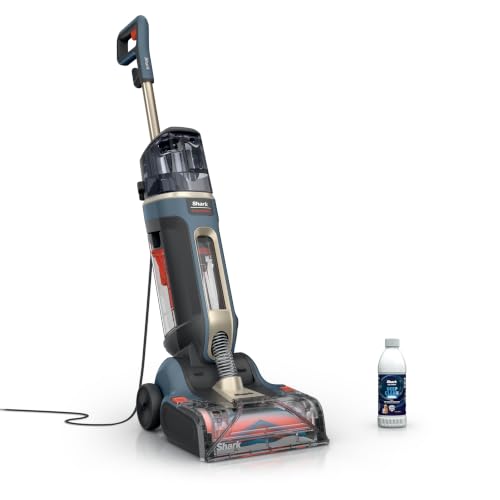

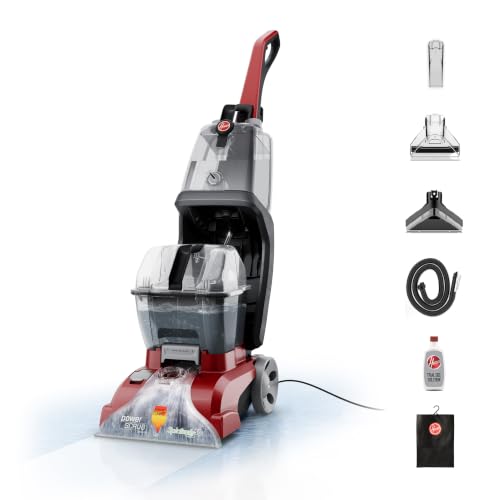
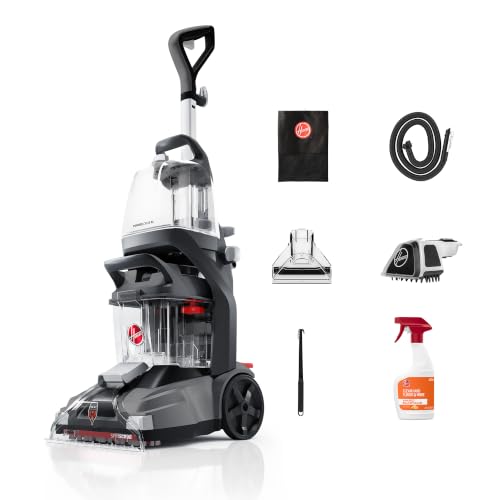


Carpet Cleaners 101: The Basics for Shag Rugs
A carpet cleaner in this guide means a wet extraction machine. It sprays warm water and solution into the pile, loosens soil, and uses suction to draw the dirty water into a separate tank. That last step matters most on shag, because water left in a deep base dries slowly and leaves the rug feeling stiff.
Dry vacuuming and wet cleaning do different jobs, so most shag owners need both. Dry pickup lifts loose hair before it works deeper, and for that weekly job you can see our guide to the best vacuum cleaner for shag rugs. Wet cleaning comes later, when lanes look dull or a spill soaks in. Measure your pile to the backing before you shop, since that number drives several choices below. If you are still choosing the rug itself, see our guide to the best shag rugs.
Who Should Buy a Carpet Cleaner for a Shag Rug?
Start with the rug you own and the room it lives in. Pet mess changes the choice again.
Homes With a Large Shag Rug in the Living Room
You clean a wide area in one session, so a full size upright format with larger tanks saves trips to the sink. Look for a cleaning path of about 10 to 12 inches and a cord long enough to cross the room. If your shag piece covers most of the floor, see our guide to the best carpet cleaner for area rugs.
Pet Owners Whose Dogs and Cats Sleep on Shag
Pet hair winds deep into long fibers, and accidents soak to the base, so you will clean more often than most owners. Choose strong extraction, a hand tool you can press into one spot, and tanks that rinse without fuss. A machine that is annoying to clean after use will sit in a closet, so simple parts matter as much as power.
Small Homes With One Shag Rug and Little Storage
You may not need a large upright machine taking up closet space all year. A compact portable cleaner handles spills and traffic lanes on one rug, stores on a shelf, and costs less. Smaller tanks mean more refills when you clean the whole rug at once.
Key Features to Compare
These five factors decide how well a machine handles long pile. Read them in this order, because choosing the best carpet cleaner for shag rugs starts with pile clearance and brush design.
Pile Height Clearance and Adjustable Head Height
Shag pile often stands about 1 to 3 inches tall, far above the short pile most cleaners are built around. The cleaning head must ride over that pile without plowing into it or pressing it flat in wet clumps. Look for adjustable height settings or a head that floats across long fibers, and start on the tallest setting first. If the head drags, the brush grabs fibers instead of gliding. Owners of thick plush shag should treat clearance as the first filter.
Brush Roll Design That Is Gentle on Long Fibers
The brush loosens soil at the base of the pile, but stiff bristles can pull long fibers loose or wrap them around the roll. Look for softer bristles, a brush pattern that resists tangle, or a suction only mode for delicate rugs. Wool shag and older rugs with weak backing need the gentlest option, while synthetic shag can handle firmer brushing. Check the roll after each clean, since wrapped fibers left in place make the next clean rougher.
Extraction Suction That Pulls Water From the Base of the Pile
Suction in a wet cleaner is about water recovery, not about lifting dry dust. Strong extraction pulls sprayed water and loosened soil up from the backing, which shortens drying time and stops dirt settling back as the rug dries. Judge it by how the rug feels after two slow passes: damp is normal, soaked is a warning sign. Humid rooms should value extraction most, because a deep base can stay wet for a full day when recovery is weak.
Clean Water and Dirty Water Tanks
Two separate tanks keep fresh solution apart from the gray water pulled out of the rug, so you never spray dirty water back into clean pile. Larger tanks of about 1 gallon or more suit whole room cleans, while compact tanks suit spot work. Check how each tank lifts out, empties and rinses, because shag releases much grit and hair into the dirty water. Clear walls help you see the fill line and wash out sediment that would smell if left behind.
Solution Control, Fiber Safety and Drying
More solution does not mean a cleaner rug. Too much soap left in long pile attracts new dirt and makes fibers feel crunchy once dry, so look for clear dosing marks and a rinse pass with plain water. Check the rug label first: wool shag needs a wool safe formula, while most synthetic shag accepts standard carpet solution. If your shag rug is white or cream, see our guide to the best carpet cleaner for white rugs.
Getting Started: Setup and First Use on a Shag Rug
Move light furniture off the rug, pick up toys and cords, and give the rug a slow dry vacuum pass before any water touches it. Test your mixed solution on a hidden corner and wait about 10 minutes to check the color holds.
- Fill the clean water tank to the marked line and add solution only to the dose shown on the tank.
- Start at the far corner and work in straight rows toward the door, so you never walk on wet pile.
- Move slowly, overlap each row a little, spray on the forward pass and extract on the pull back.
- Finish with one extra extraction pass without spray over the dampest lanes.
Empty the dirty water tank at its fill line, since extraction weakens once it is full. Run a fan across the rug afterward to speed drying.
Common Mistakes to Avoid
Most first time problems come from rushing or using too much water and soap.
- Soaking the rug with extra spray passes leaves the backing wet for days and invites a sour smell.
- Using stiff brush settings on delicate shag pulls fibers loose and thins the pile in traffic lanes.
- Skipping the dry vacuum pass first turns loose grit into mud that the machine spreads through the pile.
- Pouring in extra solution beyond the dose leaves residue that attracts new dirt within weeks.
- Putting furniture back on a damp rug traps moisture and can mark the backing and floor.
Care and Maintenance for a Carpet Cleaner Used on Shag Rugs
Rinse both tanks after every use and leave them open to dry, because dirty water left overnight grows odor inside the machine. Pull wrapped fibers off the brush roll, and wipe grit from the nozzle where long pile leaves the most buildup. Rinse the small filter under plain water once it looks gray, and let it dry fully before you refit it.
Store the machine dry, with the cord loose and the hose drained. Check the hose and hand tool for clogs of hair before storage, since a partial block weakens extraction on the next clean.
FAQ
What features matter most in a carpet cleaner for shag rugs used by first time buyers?
Pile clearance and a gentle brush matter most in a carpet cleaner for shag rugs. Add one point many new buyers miss: check the cleaning width against your rug size, because a narrow head on a wide rug doubles your passes.
How often should the filter in a carpet cleaner for shag rugs be cleaned or replaced?
The filter in a carpet cleaner for shag rugs should be rinsed after each full rug clean and replaced on the maker schedule, often about every 3 to 6 months of regular use. A filter that stays dark after rinsing is ready to change. A clogged filter can also hold a stale smell that returns on the next clean.
Which type of carpet cleaner for shag rugs suits a small home versus a large home?
A portable carpet cleaner for shag rugs suits a small home, while a full size upright suits a large home with wide rugs. Measure your storage closet door before you decide, because a machine that cannot pass the door will live in a hallway and get used less.
Are portable carpet cleaners strong enough for a full shag rug?
Yes, portable carpet cleaners are strong enough for a full shag rug, but the job takes longer. Work in small sections, refill the tanks as you go, and give each finished section a head start on drying. For a rug you clean whole several times a year, frequent cleaners may prefer the larger format.
Are steam cleaners safe for shag rugs?
Steam cleaners are not always safe for shag rugs. High heat can soften some synthetic fibers, loosen glued backing and set certain stains, so check the rug care label before you use heat at all. If the label allows it, test a hidden corner first and let it dry fully before you judge the result.
Final Thoughts on Choosing Carpet Cleaner for Shag Rugs
Match clearance to your pile height first, choose a brush that treats long fibers gently, and insist on extraction strong enough to leave the base only damp. Then pick tank size and format for your home, using the product table above.
With those checks done, the best carpet cleaner for shag rugs for your home is the one that fits your rug, your storage and your routine. Start gently, let the rug dry fully, and enjoy how much softer deep pile feels underfoot.

