
Best Carpet Cleaner for Wool Rugs in 2026: Types and Buying Guide
Disclosure: We may earn a commission when you buy through links on this page, at no extra cost to you. As an Amazon Associate I earn from qualifying purchases. Learn more

Compare the best carpet cleaner for wool rugs by machine type, moisture control, brush action and suction, and avoid mistakes that shrink or fade wool.
Wool rugs trap dust and grit deep in the pile, yet wool itself reacts badly to heat, harsh agitation, strong alkaline solutions, and too much water left in the fibers. A machine that works well on synthetic carpet can shrink, felt, or fade a wool rug in one careless pass. Choosing the best carpet cleaner for wool rugs therefore means valuing gentle extraction and moisture control far more than raw scrubbing power or the hottest water.
This guide compares cleaner types by tank capacity, brush action, water temperature control, and ease of use, so you can match a machine to your rug size, pile, and dye sensitivity. Use the product table below to see how the main types differ before you read the detailed criteria.

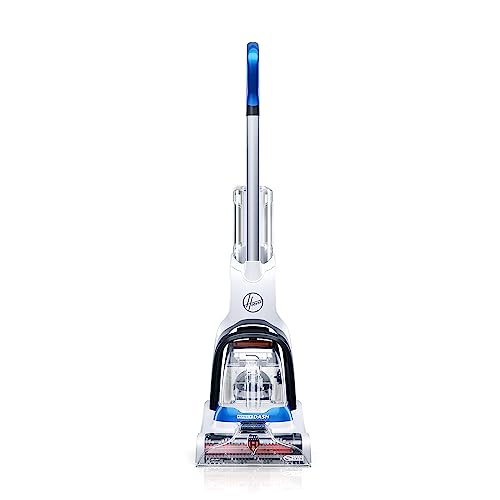
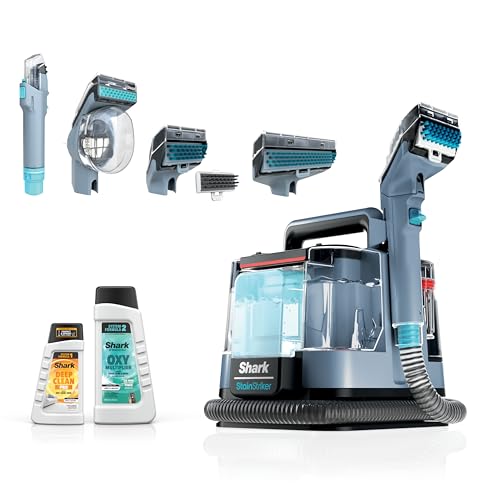
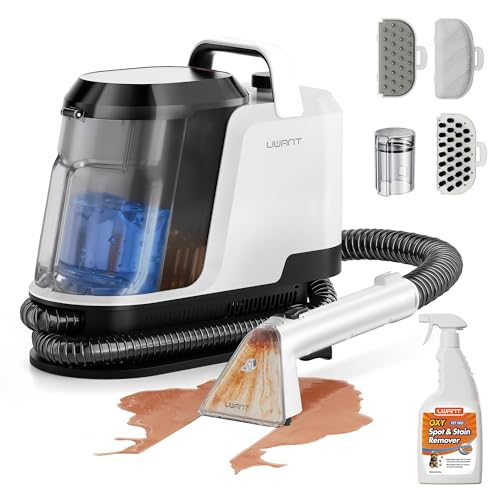

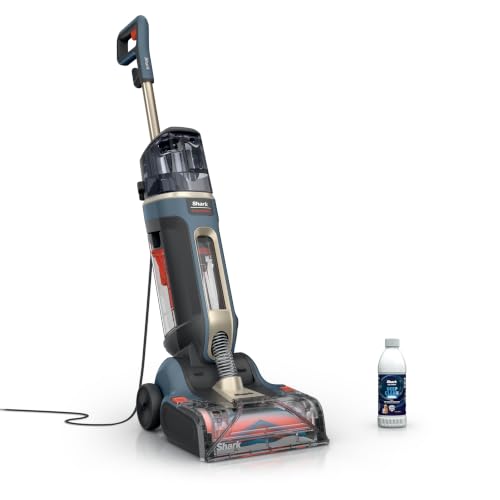

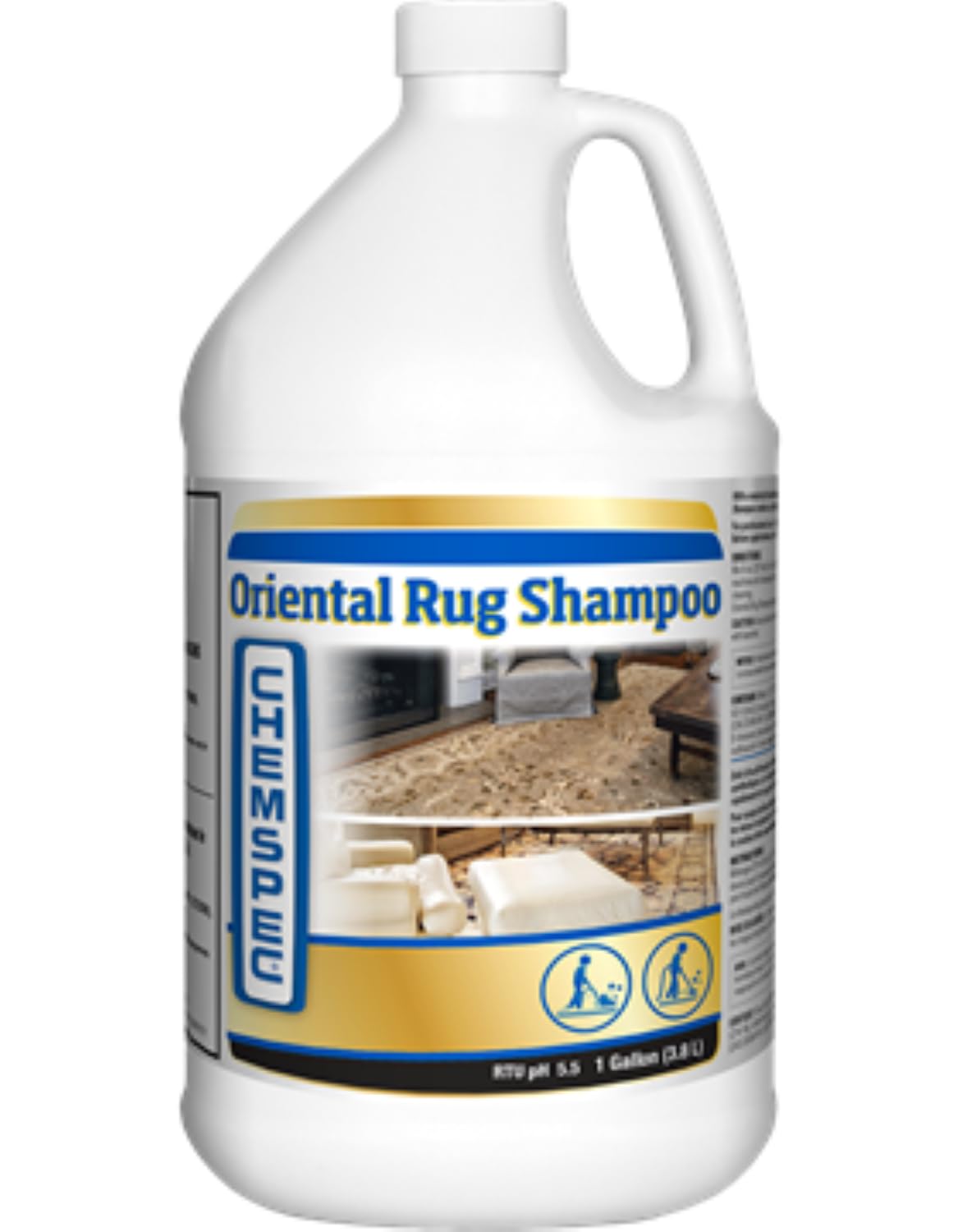

Types Compared for Wool Rugs
Three broad types cover most homes. None is right for every rug, because a small flatweave runner and a large thick pile rug place very different demands on water volume, suction, and handling.
Portable Spot Cleaner Type
A portable spot cleaner uses a small tank, a short hose, and a handheld tool to treat spills and small stained areas without wetting the whole rug. That limited wet area suits wool well, since you can work on one spot, extract promptly, and let the rest stay dry. Portability also helps on stairs and in entryways. The trade off is frequent refilling and slower progress on large rugs. If most of your needs are spills and pet accidents, start with our guide to the best portable carpet cleaner for size and hose comparisons.
Upright Extractor Type
An upright extractor covers a full room rug in steady passes and holds more clean and dirty water, so you stop less often to refill or empty. Look for a model that lets you turn the brush roll off or switch to a gentle mode, because constant aggressive scrubbing can fuzz wool pile. Strong and even suction matters more here than brush speed, since pulling water back out quickly shortens drying time and lowers the risk of dye movement or a musty odor.
Compact Lightweight Extractor Type
A compact lightweight extractor sits between the two types above. It offers a wider cleaning path than a spot cleaner, yet it stores more easily than a full size upright and is easier to lift when stairs or a small apartment are involved. Tank capacity is modest, so it suits one medium rug at a time rather than several rooms in a row. For many wool rug owners, this balance of control, coverage, and storage is the most practical everyday choice.
How Options Were Compared for Wool Rugs
Options were compared on capacity, ease of use, gentle cleaning action, suction and moisture recovery, noise, safety features, and warranty support. The comparison draws on manufacturer specifications and verified buyer feedback about wool and other delicate fibers. A cleaner scored well only if it gave you control over water, heat, and agitation, because those factors decide whether wool stays soft or gets damaged during cleaning.
How to Choose the Right Carpet Cleaner for Wool Rugs
Type and Rug Size
Match the type to the rug you actually clean most often. A spot cleaner is enough for a small rug that mainly suffers spills, while a large living room rug justifies an upright that can complete the job before the first cleaned section sits wet for too long. Consider placement too. A rug under heavy furniture may be cleaned in exposed sections only, which favors a hose and a compact tool over a wide upright head that cannot reach those areas.
Features Worth Paying For
Separate clean and dirty water tanks are worth paying for, because dirty water is never put back onto wool fibers and you can see at a glance how much solution you have applied. A hose with a small upholstery style tool helps on edges, fringes kept clear of suction, and raised pile patterns. Adjustable solution flow is also valuable, since a light application followed by a plain water rinse pass removes detergent residue that would otherwise attract soil and stiffen the pile over time.
Power, Suction, and Energy Use
Motor wattage alone tells you little about results on wool. What matters is steady suction at the tool or cleaning head, because good recovery leaves less water in the pile and cuts drying time. A machine that sprays heavily but recovers poorly forces you to make extra dry passes and still leaves the rug damp. Energy use rises with built in water heating, yet wool rarely benefits from that heat, so a model that runs well with cool or lukewarm water can do the job with less power.
Safety Features and Certifications
Look for a recognized electrical safety listing such as UL or ETL on the label, plus practical protections like a float that stops suction when the dirty tank is full and a cord and hose setup that keeps water away from the motor housing. An automatic shut off when the clean tank runs dry also helps, since running a pump dry can damage it. These details matter more on wool, because a mid job failure can leave part of a rug wet and soapy while you troubleshoot.
Storage Space and Dimensions
Measure where the machine will live before you buy, then compare that space with the listed height, width, and depth, including the hose wrapped for storage. An upright needs closet height and floor room, while a portable unit can sit on a shelf but may have a hose that resists tidy coiling. Weight matters as well if you must carry it between floors. A cleaner you dread lifting tends to be used late, after a spill has already set into wool fibers.
How Much Should You Spend?
Models under $100 are usually basic spot cleaners with small tanks and few controls, suited to occasional spills on a single small rug. Spending about $100 to $200 typically adds larger tanks, better suction recovery, and a useful hose tool. At about $200 to $300, you generally get stronger extraction, more flow control, and sturdier construction for regular full rug cleaning. Paying more makes sense only when those gains match your rug size and how often you clean, not for extra heat or harder scrubbing.
What Matters Most for Wool
Wool fibers absorb a lot of water and hold it, so moisture control is the single most important factor. Apply solution sparingly, work in small sections, and follow each wet pass with slow dry passes until the tool window or the feel of the pile shows little water returning. Good extraction protects the rug backing, limits shrinkage, and helps dyes stay put. If a section still feels very wet, pause and improve ventilation rather than adding more cleaning passes.
Detergent choice matters just as much. Use only a solution labeled safe for wool, at the dilution the maker states, and avoid bleach, strong alkaline products, and scented boosters meant for synthetic carpet. Test any solution on a hidden corner first and wait for it to dry, because dye movement in wool sometimes appears only after drying. Heat needs the same caution, and our explainer on carpet cleaner vs steam cleaner shows why steam and very hot water are poor matches for wool pile and many natural dyes.
Drying completes the job. Lift the rug edges if you can, run a fan across the surface, and keep foot traffic off the rug until the pile and backing feel dry throughout, not just on top. A rug put back under furniture while still damp can develop odor and mildew in the backing. For a general overview of machine categories beyond wool, see our guide to the best carpet cleaner and then return to the wool specific limits above before deciding.
Common Mistakes to Avoid
- Using steam or the hottest water setting, which can shrink wool and set some stains and dyes.
- Soaking the rug until the backing is wet, which slows drying and raises the risk of shrinkage and odor.
- Scrubbing one spot repeatedly with a stiff brush, which can fuzz or felt the pile in that area.
- Choosing a strong alkaline or bleach based solution, which can strip wool oils and fade color.
- Skipping a hidden area test, which leaves dye stability unknown until the whole rug is wet.
- Putting furniture back on a damp rug, which traps moisture and can mark the pile.
Care and Maintenance
Routine care reduces how often deep extraction is needed. Vacuum slowly with suction only or with the brush set high, blot spills at once with a clean white cloth, and rotate the rug a few times each year so wear and light exposure stay even. Keep a full extraction for ground in soil or a spill that blotting cannot lift, since every wet cleaning adds some stress to wool fibers and dyes.
Care for the machine protects the next rug you clean. Empty and rinse both tanks after use, clear lint and wool fiber from the tool and intake screens, and let parts dry before storage so residue does not sour. Our step by step guide on how to clean a carpet cleaner covers flushing the hose and cleaning filters, which also prevents old dirty water smells from transferring back onto a clean rug.
FAQ
What is the best carpet cleaner for wool rugs?
The best choice is the type that gives you control over water amount, temperature, and brush action for your rug size, rather than the most powerful machine. A portable spot cleaner suits small rugs and spills, while an upright with a gentle brush setting suits large rugs. Check that any model you consider works with a wool safe solution and extracts strongly, then confirm those points against the product table above before you order.
What should I check on the rug label before using a carpet cleaner on wool?
Read the maker label for fiber content, cleaning codes, and any warning against wet cleaning, because some handmade, antique, or plant dyed wool rugs should go to a specialist instead. Note whether the rug is pure wool or a blend, since blends can react differently to moisture and solution strength. If the label is missing, treat the rug as delicate, test a hidden corner, and ask a rug specialist when the piece is valuable or very old.
How long does a carpet cleaner for wool rugs usually last?
A home extractor used a few times a year often lasts many years if tanks are rinsed, filters are cleaned, and the hose is stored without sharp bends that can crack it. Life shortens when dirty water is left sitting in the machine or when the pump runs dry often. Watch for falling suction, leaks at tank seals, and a pump that sounds strained, since those signs usually appear before a complete failure.
Is a carpet cleaner worth buying if you own only one wool rug?
It can be, if spills are frequent, children or pets use the room, or professional cleaning visits cost more than a modest machine within a short period. Ownership also means you can treat a spill within minutes, which matters for wool because liquids move along the fibers. If your single rug is antique or very valuable, the money is better spent on specialist cleaning, and a small rented or borrowed unit is still a poor substitute for that expertise.
How do you use a carpet cleaner safely on a wool rug for the first time?
Start by vacuuming thoroughly, testing solution on a hidden area, and cleaning a small section at the rug edge so you learn how much water your machine leaves behind. Work slowly, overlap passes slightly, and check the pile and backing as you go. Our guide on how to use a carpet cleaner walks through pass speed and tank emptying in order, and you should adapt each step to the low moisture approach described above.
Final Thoughts
For wool, gentle control beats power. Choose the type that fits your rug size, keep water cool and limited, use a wool safe solution, extract thoroughly, and dry the rug fully. The best carpet cleaner for wool rugs is ultimately the one you can operate slowly and carefully, with settings you understand, rather than the one with the longest feature list. Compare your finalists in the product table above, confirm tank size and brush control, and buy the calmer machine.

