Best Carpet Cleaner Machine for Area Rugs of 2026: Complete Buying Guide
Disclosure: We may earn a commission when you buy through links on this page, at no extra cost to you. As an Amazon Associate I earn from qualifying purchases. Learn more

Compare the best carpet cleaner machine for area rugs by gentle suction, brush control, tank size and drying time, with tips for every budget.
Area rugs trap mud, pet accidents and drink spills in fibers that are often more delicate than wall to wall carpet. A machine built for deep extraction can refresh them, but one with a harsh brush or excessive heat can distort wool, fade dyes or damage a thin backing. Finding the best carpet cleaner machine for area rugs means balancing cleaning power against gentleness, and this guide walks through that balance step by step.
Start with the product table below to see tank sizes, weights and intended uses side by side. Then use the buying guide sections to match the machine to your rug materials, your storage space and the messes you clean most often.




Three Price Tiers at a Glance
Balanced Tier
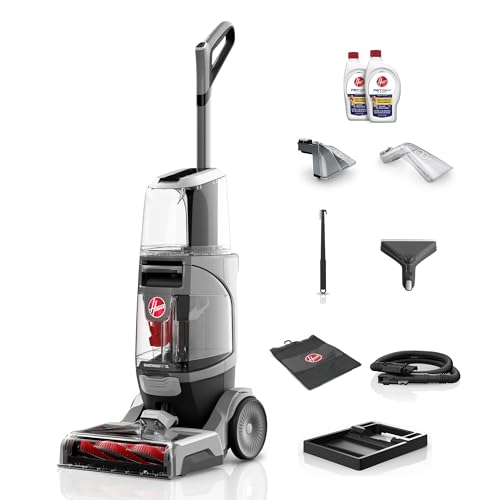
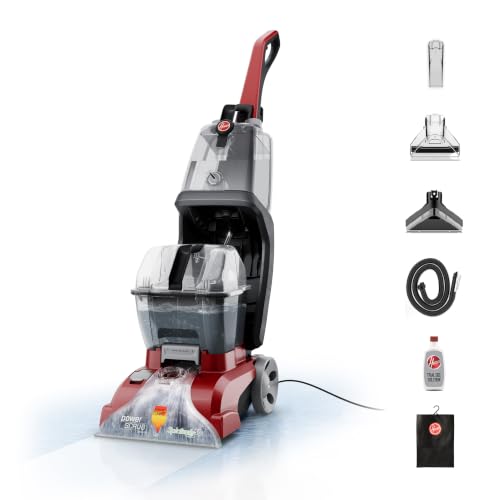
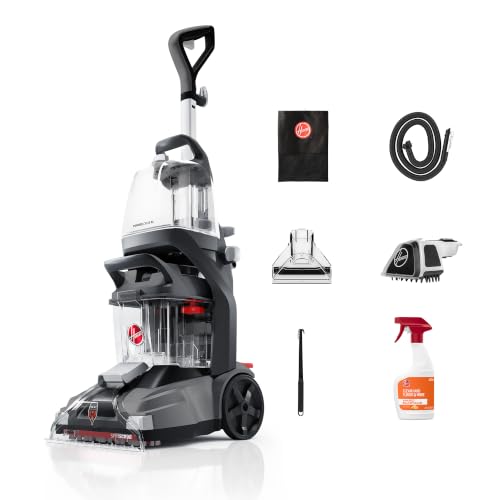
Full size upright extractors around $200 to $350 form the balanced tier. You generally get separate clean and dirty water tanks of about a gallon each, a motorized brush you can switch off, and a hose with hand tools for edges and stairs. This tier suits homes with several large rugs and regular pet messes. The trade off is storage and weight, since a filled machine is heavy to carry and slow to set up for one small spill.
Value Tier
Value machines around $120 to $200 clean the same way with smaller tanks, simpler controls and lighter construction. They are a sensible choice if you own two or three rugs and deep clean a few times a year. Expect more refill trips on big jobs and fewer specialized tools in the box. If the brush can be switched off and the suction is strong enough to leave rugs only lightly damp, this tier covers most households without paying for capacity you will rarely use.
Starter Tier
Compact spot cleaners around $100 to $160 are the friendliest starting point. They weigh little, store on a closet shelf, and handle a single spill or one small rug without a long setup. Beginners also make fewer mistakes with them, because the smaller solution tank limits how much water you can put down. The limit is coverage. A large living room rug will take many passes and several tank refills, so treat this tier as a starter or a companion to a bigger machine.
How to Choose the Best Carpet Cleaner Machines: Buying Guide
When you shop for the best carpet cleaner machine for area rugs, work through the factors below in order. Gentleness for your specific rugs comes first, because the strongest cleaner is the wrong cleaner if it ruins the fibers it touches.
Features That Matter for Area Rugs
Rugs differ from fitted carpet in three ways. They have finished edges and backings that water can damage, they often use dyes and fibers such as wool or silk blends that react badly to heat and strong chemicals, and they can bunch or creep under a heavy machine. Look for adjustable suction or a delicate mode, a brush roll you can turn off, solution control that prevents soaking, and a cleaning width that lets you work in passes without standing on a wet rug.
Machine Type: Upright, Portable and More
Full size upright extractors cover large rugs fastest and suit open rooms. Portable spot cleaners trade coverage for storage ease and quick response to spills. Canister style extractors sit between the two, with a separate body and wand that reach under furniture well. Shampooers and rental style machines add weight and water volume that most area rugs do not need. Choose by your largest rug and your storage reality, not by the most dramatic spill you can imagine once a year.
Noise and Maintenance
Most extractors are loud, roughly like a full power vacuum, so plan cleaning when the household can tolerate it. Maintenance decides long term cost and hygiene. Choose a machine with a removable brush roll you can clear of hair, a lint filter you can rinse, and tanks that come apart fully for drying, because a sealed damp tank grows mildew smells quickly. Budget for replacement filters and belts, and favor models whose parts are sold widely rather than through a single source.
Bin and Tank Capacity
For wet extraction, capacity means clean and dirty water tanks rather than a dust bin. Around half a gallon suits spot work and single rooms. One gallon or more reduces refill trips on large rugs but adds real weight, since a gallon of water weighs about 8 lb. Separate tanks are easier to keep hygienic than single bladder designs. If you also vacuum with the same brand ecosystem, our narrower guide to the best carpet cleaner for area rugs compares simpler non machine options for light soil.
Suction Power and Airflow
Manufacturers quote suction in air watts or inches of water lift, and the numbers are hard to compare across brands. A more useful test is drying time. A good machine leaves a low pile rug damp, not wet, and the rug should feel dry within about 4 to 8 hours in a ventilated room. Strong extraction matters more for rugs than for fitted carpet, because water trapped under a rug can damage the floor beneath and feed mildew growth.
Corded vs Cordless Runtime
Nearly all full size extractors are corded, and that is fine, because water, suction and a powered brush drain batteries quickly. Cordless spot cleaners offer grab and go convenience for small messes, with typical runtimes of about 20 to 30 minutes per charge, which covers several spots but not a whole rug. If you choose cordless, check whether the battery is replaceable. For heated deep cleaning questions, our guide to the best carpet steam cleaner for area rugs covers when heat helps and when it risks dye and fiber damage.
Floor Types: Hardwood, Carpet and Area Rugs
Your machine will likely clean more than rugs. Check that brushes and wheels will not scratch the hardwood or tile the rug sits on, and never park a filled, dripping machine on a wood floor. On the rug itself, turn the brush off for loop pile, fringe and delicate weaves, and clean fringe by hand with the hose tool instead. When you next buy a rug, the advice in our guide to the best area rugs for carpet on backings and pile height will also make future machine cleaning easier.
Types of Carpet Cleaner Machines
Handheld and Spot Cleaners
Small portable extractors spray solution, scrub lightly and suck the dirty water back in one pass. They excel at pet accidents, food spills and entryway rugs, and they store almost anywhere. Their weakness is scale, since tank size and cleaning width make whole room jobs slow. If compact size is your top priority, our guide to the best small carpet cleaner for area rugs focuses on that format alone.
Robot Vacuums
Robot vacuums maintain area rugs between deep cleans by removing surface grit that would otherwise grind into fibers and dull colors. They do not extract stains or wash anything, and thick pile or dark patterned rugs can confuse their sensors. Think of a robot as prevention that extends the time between wet cleanings, not as a cleaner machine in its own right. Homes with shedding pets benefit most from this daily upkeep.
Carpet Cleaners and Steam Cleaners
True extractors use water, solution and suction, and they are the right tool for ground in soil and odor in washable rugs. Steam cleaners use heat and vapor with little water, which suits surface freshening but can set protein stains and harm heat sensitive fibers and backings. Always check the rug care label first. If the label allows only dry cleaning or solvent products, keep both machine types away and use a professional service instead.
How to Make Your Carpet Cleaner Machine Last Longer
- Empty and rinse both tanks after every use, then leave the lids open until everything is fully dry.
- Wash or replace filters on the schedule in the manual, because clogged filters cut suction and strain the motor.
- Cut hair and thread off the brush roll regularly so it spins freely and cleans evenly.
- Test any new solution on a hidden corner of the rug first and wait for it to dry before the full clean.
- Store the machine empty, upright and indoors, and run clean water through the spray line before long storage.
- For routine freshening between deep cleans, the gentler methods in our guide to the best rug cleaner for area rugs reduce wear on both rug and machine.
Carpet Cleaner Machines: Your Questions Answered
What features matter most in a carpet cleaner machine for area rugs?
Adjustable suction, a brush roll you can switch off and controlled solution flow matter most. Together they let you clean a sturdy synthetic rug firmly and a delicate wool rug gently with the same machine. Tank size and weight come next, since they decide how tiring a full room job feels. Heat is optional and often best left off for dyed or natural fiber rugs.
Is HEPA filtration necessary in a carpet cleaner machine?
It is helpful but not essential. HEPA filtration matters most on the vacuum you use for dry upkeep, because that is where dust and allergens become airborne. Extractors mainly move water, so a cleanable filter and fully drying tanks protect air quality more than a HEPA label does. Households with asthma should pair either machine type with good room ventilation during and after cleaning.
What type of carpet cleaner machine is best for my home?
Match the type to your largest regular job. One or two small rugs plus occasional spills point to a portable spot cleaner. Several large rugs, kids or pets point to a full size upright extractor with a hose. If storage is tight and messes are rare, a value tier portable plus a professional cleaning once a year often beats owning a big machine.
How often should I replace the filter in a carpet cleaner machine?
Rinse washable filters after every few uses and replace them about every 3 to 6 months with regular use, or sooner if suction drops and cleaning does not restore it. Non washable filters should never be rinsed, since trapped moisture ruins them. Keep one spare filter on hand so a cleaning day never stalls, and let a washed filter dry fully before reinstalling it.
Are cordless carpet cleaner machines strong enough for area rugs?
Cordless spot cleaners are strong enough for spills, pet spots and small rugs, and their convenience means messes get treated before stains set. They are not strong or capacious enough for a whole large rug in one session. For deep cleaning big rugs, a corded extractor still wins on sustained suction and unlimited runtime, so many homes sensibly use one of each.
Final Thoughts on Choosing Carpet Cleaner Machine for Area Rugs
Choose gentleness first, extraction strength second and capacity third, and confirm every choice against your actual rug labels. A machine that respects backings, dyes and pile will keep rugs looking right for years, while the strongest model used carelessly can ruin one in an afternoon. Matched that way, the best carpet cleaner machine for area rugs becomes an easy decision, and the product table above is the fastest place to compare your finalists.