
Best Carbon Steel Pans for Steak (2026): How to Choose for Your Kitchen
Disclosure: We may earn a commission when you buy through links on this page, at no extra cost to you. As an Amazon Associate I earn from qualifying purchases. Learn more

Choose the best carbon steel pan for steak by size, weight and heat retention, with plain advice on preheating, searing and care for home cooks.
Two ribeyes are thawing on the counter, guests arrive in an hour, and your thin pan just turned the last crust gray instead of deep brown. Steak rewards a pan that holds heat, and choosing the best carbon steel pan for steak comes down to size, weight, and the stove and oven you already own. This guide helps you match a pan to your kitchen space, the number of people at your table, and your budget, using the product table as a quick starting point.
If you want the wider picture first, our guide to the best carbon steel pan covers the category as a whole. Here the focus stays narrow, on searing steak at home without buying more pan than your burners and cabinets can handle.


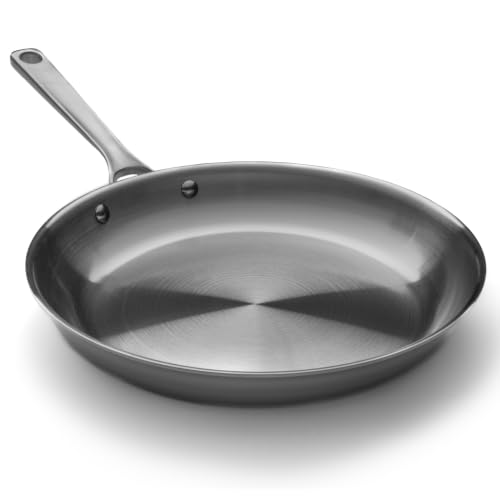
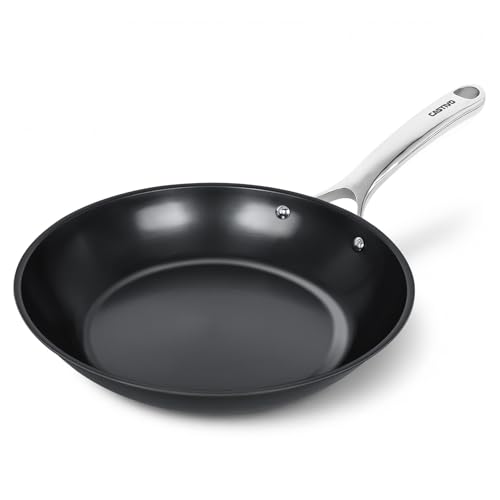
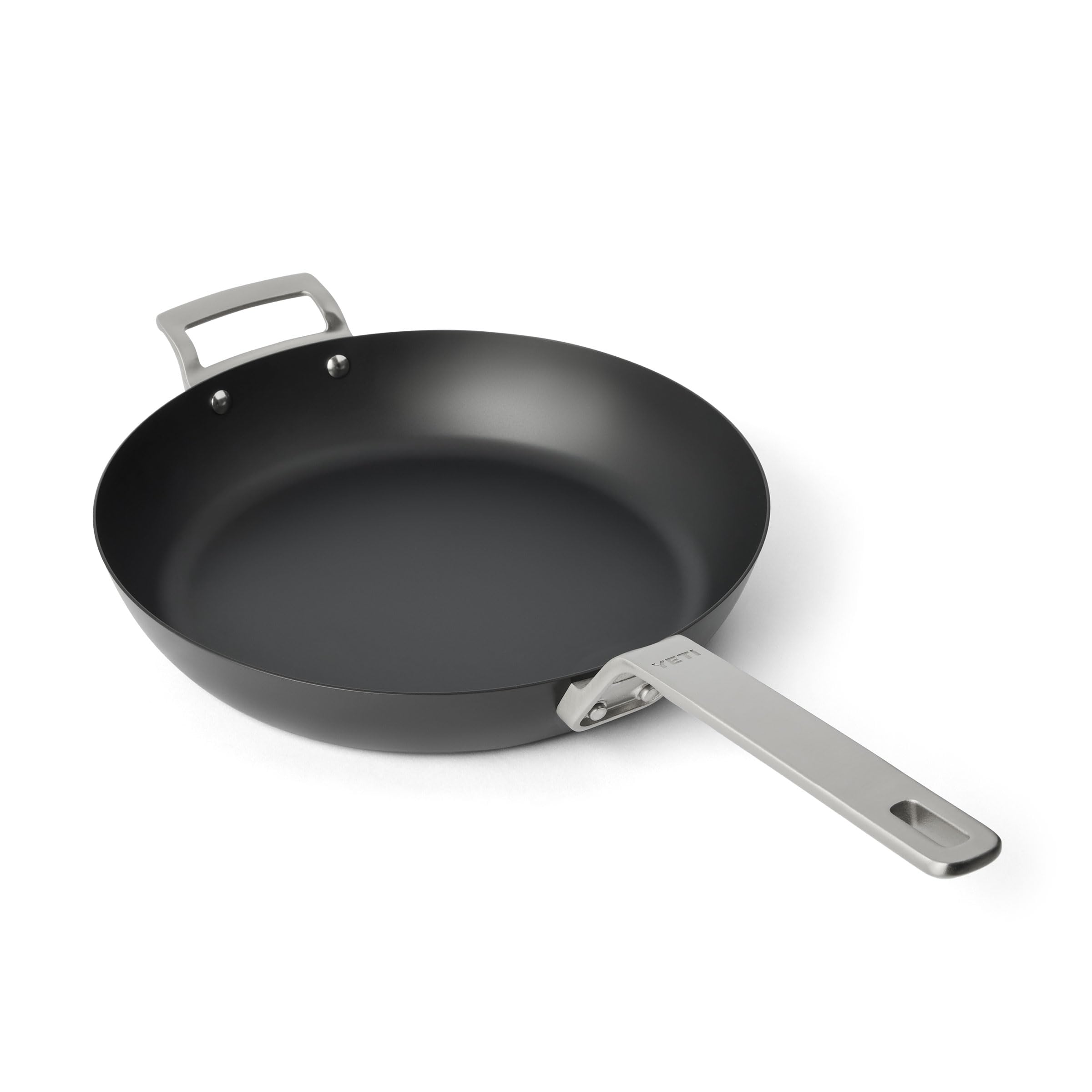

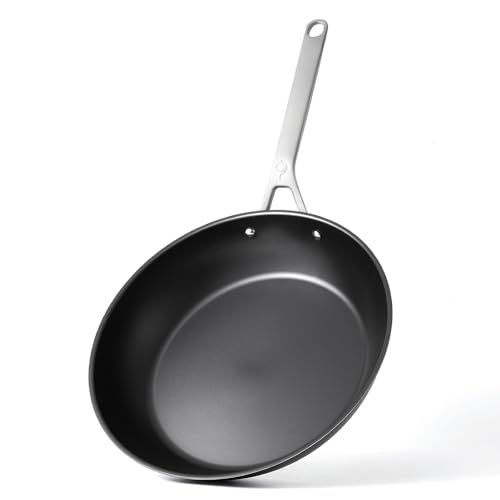
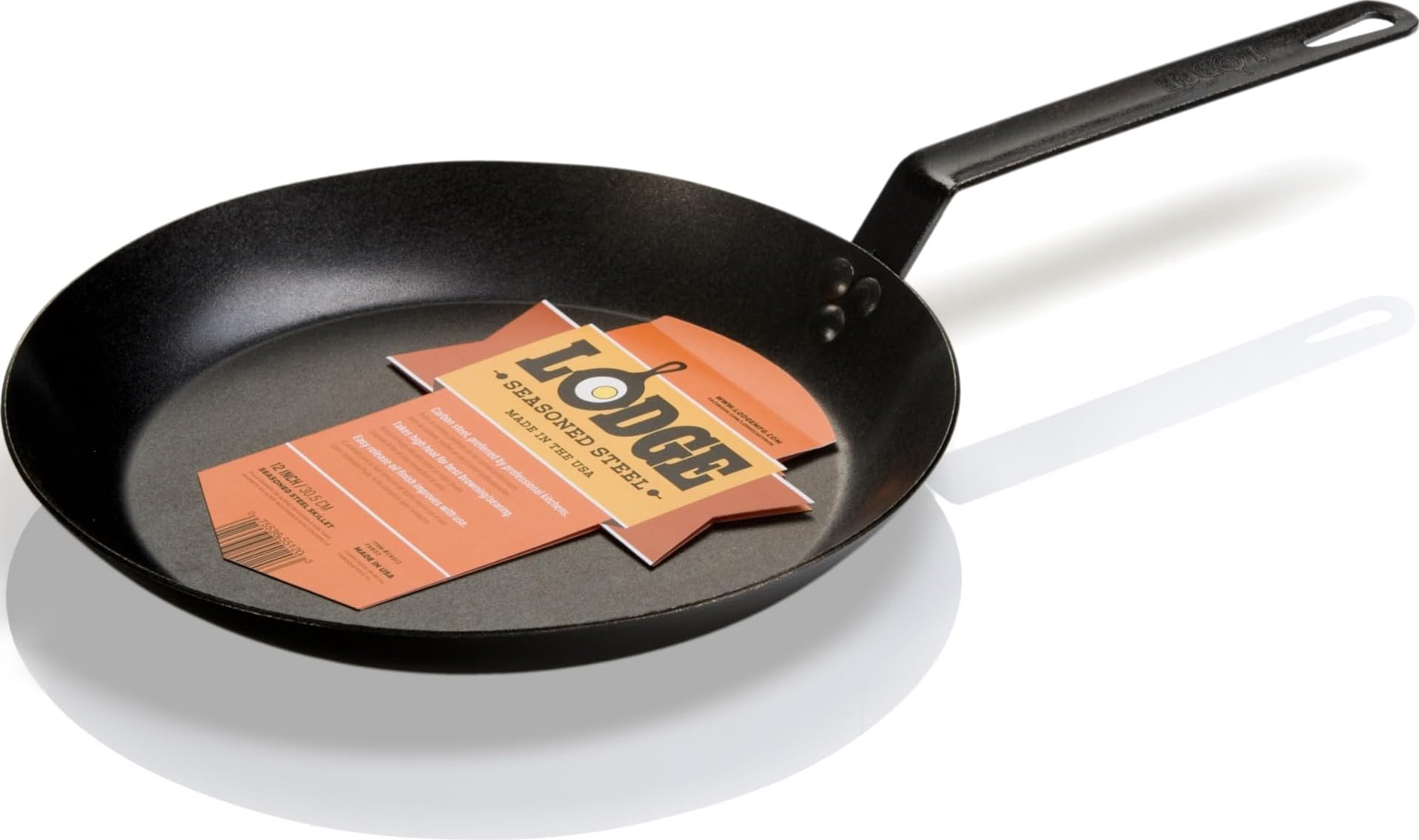
Quick Answer: The Three Types Worth Considering
Most home cooks end up choosing between three types. A classic rolled steel pan in a medium weight suits most households and most stoves. A lighter pan suits smaller kitchens and anyone who finds heavy pans hard to lift when hot. A thicker, heavier pan suits cooks who sear often and want maximum heat retention between batches. Use the product table to shortlist by size and weight before you read the detail below.
Before You Buy: A Quick Checklist for Choosing a Carbon Steel Pan for Steak
Work through these points in order. Size and fit come first, because a pan that crowds your steaks or rocks on your burner will frustrate you no matter how good the steel is. Type, surface, compatibility, handles, and budget follow from there.
Size: Match It to Your Space
An 8 inch pan sears one small steak and suits single servings, but it crowds anything larger and traps steam. A 10 inch pan handles one generous steak or two smaller cuts and fits most burners well. An 11 or 12 inch pan gives two steaks room to brown without touching, which is what a family dinner usually needs. Measure your largest burner and your cabinet depth before you buy, and remember that a wide pan needs a wide burner under it, or the edges will run cooler than the center.
Which Type Fits Your Routine
Blue carbon steel arrives with a heat treated surface and still needs seasoning before the first steak. A best pre seasoned carbon steel pan skips the first rounds of seasoning, so it suits cooks who want to sear on day one, though the factory layer still builds strength with use. Lightweight pans tilt and move easily for pan sauces after searing. Induction ready pans have a flat, magnetic base, which matters only if your cooktop needs one. Pick the type that matches how often you cook and how much setup you will tolerate.
Is Carbon Steel Free of Synthetic Coatings?
Yes. A carbon steel pan has no PFAS or PTFE coating, no ceramic layer, and nothing to peel or flake into food. Its release surface is seasoning, a layer of oil bonded to the steel by heat, and you can renew it at home whenever it wears thin. Stainless steel is also coating free but tends to stick more during a hard sear, and cast iron holds heat well yet weighs more. If you are weighing the two everyday options, our comparison of carbon steel vs nonstick explains how the surfaces age differently over years of use.
Induction, Gas and Glass Top Compatibility
Carbon steel is magnetic, so it works on induction, and it also suits gas and electric coil burners. The catch is the base. A pan that warps even slightly will spin or rock on a glass top and heat unevenly on induction, so look for a flat base and a thickness that resists warping. Our guide to the best carbon steel pan for induction goes deeper on base fit. On gas, check that the pan sits stable on your grate and that flames stay under the base rather than licking up the sides.
Oven Safe Temperature and Handles
Many cooks finish a thick steak in the oven after searing, so confirm the oven limit the maker states for the whole pan, handle included. Plain steel handles tolerate high oven heat, while handles with a coated or wrapped grip often carry a lower limit. A long handle gives leverage with a heavy pan, and a small helper handle on the opposite side makes two handed lifting safer when the pan holds hot fat. Check also that the handle angle clears your oven rack and that the pan fits through the oven door with room to spare.
Realistic Budget Ranges
Under about $50, expect a solid basic pan with plain seasoning and a simple handle, which is enough for weekly steak nights. Between about $50 and $100, you usually get thicker steel, a smoother finish, and seasoning applied before shipping. Over about $100, you are paying for heavier gauge steel, refined handles, and tighter quality control. None of these tiers changes the basic job. A modest pan with the right size for your burner will sear better than a costly pan that is too large for the heat under it.
Types Compared: Finding Your Best Carbon Steel Pan for Steak
Instead of chasing a single winner, match a type to your household. For most homes, a medium weight pan around 11 inches is the practical center of the range. It sears two steaks, fits a standard burner, and still moves without a struggle. This is the type most cooks should buy first when they want a dependable best carbon steel pan for steak result without special storage or strong wrists.
For value, a thinner pan under about $50 from the basic tier earns its place if you cook steak a few times a month and store pans in a tight cabinet. It heats fast and stores flat, but it loses heat when a cold steak lands, so let it recover between batches. For a long term investment, a thick pan holds heat through back to back searing and resists warping for years, at the cost of real weight. Choose it if steak night is a weekly ritual and you have the storage and lifting strength it asks for.
What to Weigh in a Carbon Steel Pan for Steak
Compare pans on heat distribution, durability, material safety, stovetop and oven compatibility, and how simple they are to clean and season. Maker specifications and patterns in verified buyer reviews are the best evidence, and a pan fits real homes, including small kitchens, glass cooktops, and family sized meals, when its stated size, weight, and oven limit match what owners report in daily use.
Living With It: What Really Matters in a Carbon Steel Pan for Steak
The daily reality is simple. You preheat the pan until it is properly hot, pat the steak dry, and leave it alone until a crust forms. Carbon steel rewards that patience because the surface releases the meat once browning is done, and it goes straight from burner to oven for thick cuts. Compared with a coated pan, there is no temperature ceiling to watch and no surface to baby with soft tools, but you do manage seasoning. Our step by step guide on how to season a carbon steel pan walks through the process when the surface needs a refresh. For most households the trade is worth it, since five minutes of care after cooking protects a pan that can serve for decades.
Common Buying Mistakes to Avoid
- Buying a pan larger than your biggest burner, which leaves the outer steaks pale while the center scorches.
- Choosing by diameter alone and ignoring weight, so the pan you loved in the listing stays in the cabinet because lifting it hurts.
- Skipping the oven limit on the handle, then learning mid recipe that your finishing plan exceeds it.
- Expecting a factory fresh surface to release like a mature one, and blaming the steel for sticking that better seasoning and preheating would fix.
- Paying for extra features you will never use, such as decorative finishes, while skimping on the thickness that actually holds heat.
Cost of Ownership and Care
Ownership costs stay low. There is no coating to replace and no special cleaner to buy, just hot water, a brush, and a thin coat of oil now and then. Dry the pan on the burner after washing so moisture cannot start rust, and store it dry. Our full routine for how to clean a carbon steel pan covers stuck bits and rust spots in detail. The only recurring cost is a little cooking oil for seasoning and the gas or electricity for preheating, which any heavy pan needs. Treated this way, one pan replaces a string of worn coated pans over the years.
Your Questions, Answered
What makes a carbon steel pan brand reliable for steak?
Reliability shows up in consistent steel thickness from pan to pan, honest oven limits, and a warranty the maker actually honors. Brands that publish gauge, weight, and base diameter make your decision easier, since you can match the pan to your burner before ordering. Clear seasoning and care instructions matter too. A maker that explains how to restore the surface expects you to keep the pan for years, and that support is worth more than a famous name.
How do you clean a carbon steel pan after searing steak?
Pour off the fat while the pan is warm, then add hot water and let the fond soften for a few minutes. Lift the residue with a wooden spoon or brush, dry the pan on the burner, and wipe in a trace of oil. For a stubborn patch, a paste of coarse salt and a little oil scrubs without stripping much seasoning. Soap is fine for an occasional deep clean, but expect to add a quick stovetop seasoning round afterward to restore easy release.
Is a carbon steel pan worth it for home steak cooking?
For most home cooks, yes, because the pan spreads its cost over a very long life. A coated pan used at steak searing heat may need replacing every few years, while one carbon steel pan keeps going with basic care. The worth depends on habit, though. If you sear steak only twice a year, a pan you already own may do. If steak is a regular dinner, the crust quality and the lack of replacement costs make the purchase easy to justify.
How long does a carbon steel pan last?
There is no fixed expiry date. A pan usually ends its useful life through damage rather than age, most often a warped base from heating it empty on full power or cooling it fast under cold water. Deep pitting from long rust neglect can also ruin the surface. Avoid those two habits and the steel itself keeps searing for decades, with seasoning rebuilt whenever it thins. Many owners hand these pans down, which tells you more than any stated lifespan.
Can a carbon steel pan go under the broiler to finish a steak?
Yes, if the whole pan, handle included, is rated for broiler heat. Plain steel handles handle the broiler well, while coated grips may not, so check the maker limit first. Leave space between the steak surface and the element, since fat can spatter at close range. A broiler finish gives thick cuts a deep crust without overcooking the center on the burner, and it keeps splatter inside the oven instead of across your cooktop.
Final Thoughts
Start with size and burner fit, then choose the type that suits your routine and strength. A medium weight pan near 11 inches covers most homes, a basic pan keeps costs down, and a thick pan rewards frequent searing. Whichever route you take, the best carbon steel pan for steak is the one that fits your stove, your storage, and your table, so check the product table once more before you order and buy the pan you will actually reach for every steak night.


