
Best Carbon Steel Pans for Eggs (2026): How to Choose for Your Kitchen
Disclosure: We may earn a commission when you buy through links on this page, at no extra cost to you. As an Amazon Associate I earn from qualifying purchases. Learn more

Choose the best carbon steel pan for eggs by size, weight and seasoning, with plain tips on preheating, release and care for daily breakfasts.
Breakfast in a busy home rarely goes to plan. Eggs stick, the small pan crowds two omelets into one, and the big pan you bought for steaks barely fits your burner or your cupboard. Choosing the best carbon steel pan for eggs is really about fit: fit for your stove, your storage, and the number of people eating.
This guide sorts the choice by home first. You will see which sizes suit small and large households, which types match a daily routine, and what each budget level actually gets you. Start with the product table, then use the checklist that follows to narrow your pick. If you want the wider view beyond breakfast, our guide to the best carbon steel pan covers the full category.

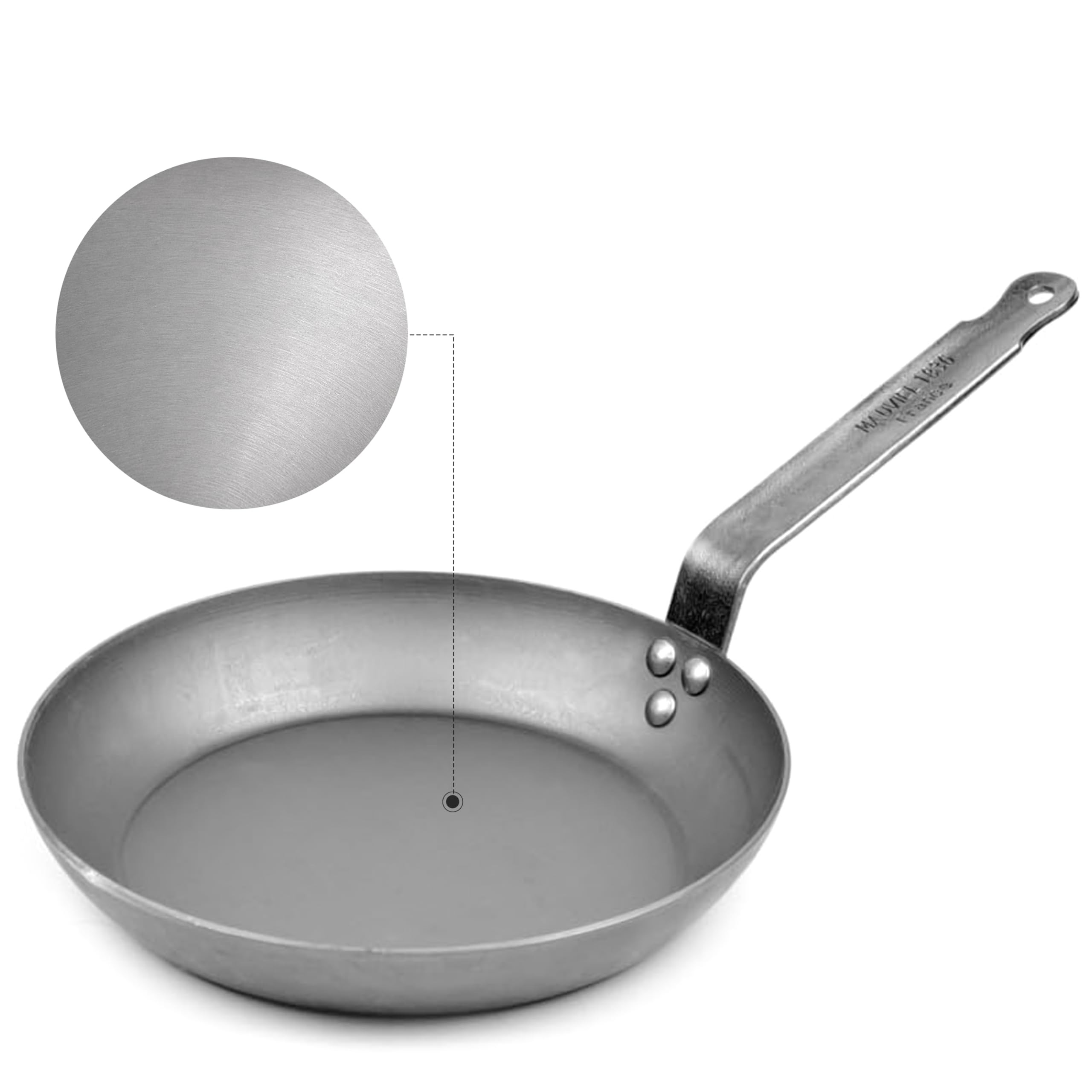

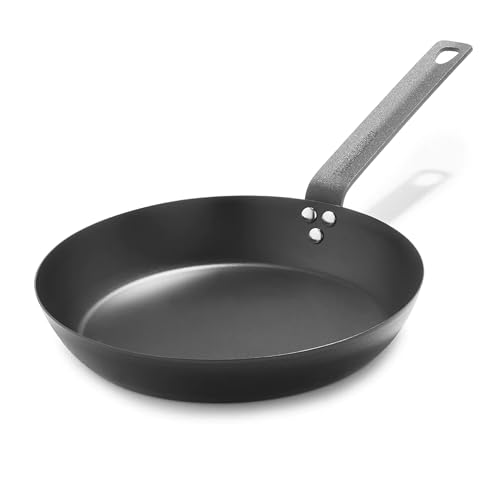

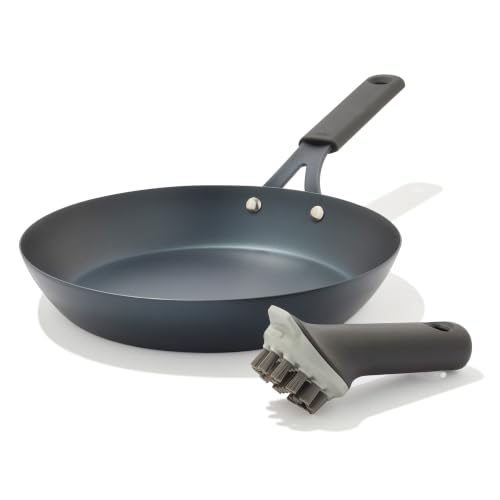
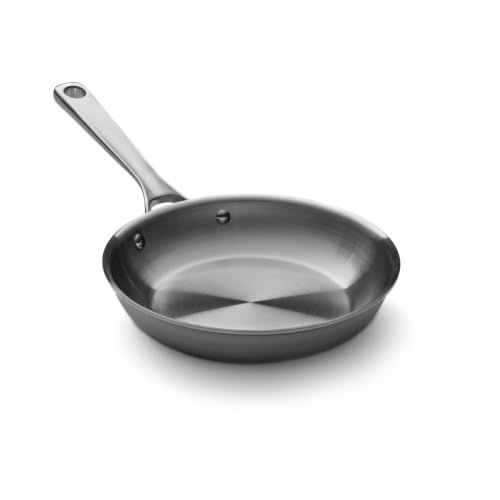
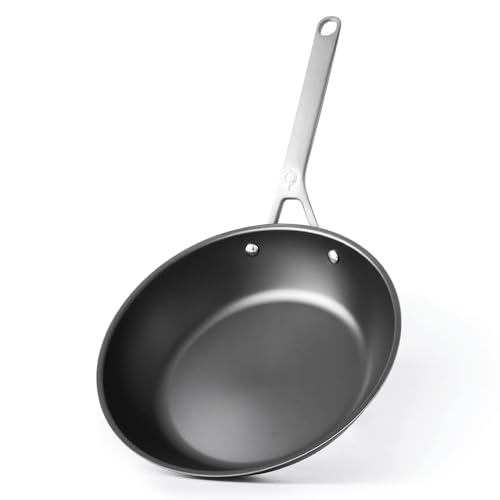
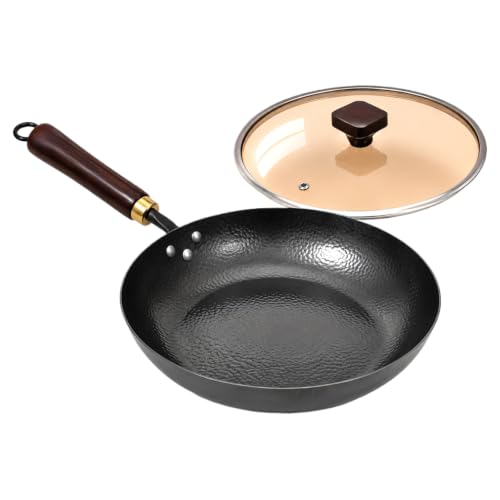
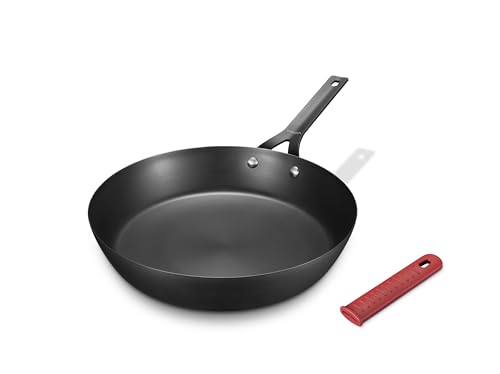
Quick Answer: The Three Types That Fit Most Homes
If you need the short version, most egg cooks end up with one of three types. None of them is a coated pan, and all three improve as the seasoning builds with regular use.
- Pre seasoned midweight pan: the easiest start for most homes, with a head start on egg release and steady heat for daily scrambled and fried eggs.
- Lightweight blue steel pan: the budget friendly and space saving choice, quick to heat and easy to tilt when you slide an omelet onto a plate.
- Heavy French style pan: the long term buy, with thick steel that holds gentle heat well for delicate eggs and for cooks who breakfast every day.
Before You Buy: A Quick Checklist for Choosing a Carbon Steel Pan for Eggs
Six checks cover almost every regret buyers mention. Work through them in order and you will know your size, your type, and your budget before you look at any single pan.
Size: Match It to Your Space
An 8 inch pan cooks one or two eggs and suits a single person household, a small burner, and a tight cupboard. A 10 inch pan is the flexible middle ground, with room for two or three eggs or a folded omelet. An 11 or 12 inch pan serves a family cooking four or more eggs at once, but it needs a large burner and real storage space. Bigger pans also weigh more, so check that you can lift the size you want with one hand while it holds food.
Which Type Fits Your Routine
Your mornings decide the type. If you want eggs with the least learning curve, a best pre seasoned carbon steel pan guide is worth reading, since a factory seasoning layer shortens the early weeks when eggs release less easily. Blue carbon steel pans are usually thinner and lighter, so they heat fast for quick weekday breakfasts. Heavier pans heat more slowly but hold a calm, even temperature once warm.
Is It Safe and Free of Synthetic Coatings
Carbon steel is simply iron with a small amount of carbon, and it carries no synthetic nonstick coating such as PFAS or PTFE. The dark surface you build is seasoning, a layer of oil bonded to the metal by heat, and you can renew it at home whenever it wears thin. Ceramic coated pans can feel slick at first, but that coating wears and cannot be renewed. Cast iron is durable too, though its weight makes tilting and sliding eggs out harder for many cooks.
Induction, Gas and Glass Top Compatibility
Carbon steel is magnetic, so it works on induction, and a flat base keeps full contact with the coil. If induction is your main stove, our guide to the best carbon steel pan for induction explains what to check before buying. Gas burners forgive a slightly uneven base and suit every pan here. On a glass top stove, choose a flat base, lift the pan instead of sliding it, and avoid thin steel that can warp and then rock or spin on the smooth surface.
Oven Safe Temperature and Handles
Plain steel bodies and steel handles tolerate high oven heat, which lets you finish eggs in the oven or keep them warm. Some handles carry a coating that lowers the safe limit, so always check the maker rating for the exact pan rather than assuming. Long handles give leverage and keep your hand away from the flame, but they need deeper storage or a hanging rail. On 12 inch pans, a small helper handle on the opposite side makes a two handed lift far safer when the pan is full and hot.
Realistic Budget Ranges
Under $50 you can expect a solid basic pan with thinner steel, a plainer finish, and seasoning you build mostly yourself. In the range of about $50 to $100 you usually get thicker steel, a smoother cooking surface, and a handle that feels better balanced. Spending more mainly buys weight and refinement rather than a different material. For eggs alone, the middle range serves most homes well, and the lower range still cooks beautifully once you learn the preheating routine described below.
Types Compared: Which Style Suits Your Eggs and Your Home
With the checklist done, compare the three types directly. Each one below is a style of pan, not a single model, so you can shop any brand that matches it.
For Most Homes: A Pre Seasoned Midweight Pan
This is the balanced choice for a household cooking eggs several times a week. The factory seasoning gives you usable release early, while you add your own layers simply by cooking. Midweight steel, often in a 10 or 11 inch size, spreads heat evenly enough for scrambled eggs without scorching the edges, and it still responds when you lower the flame for a soft fold. It suits couples and small families who want one pan for breakfast that also sears dinner foods well.
For Tight Budgets and Small Kitchens: A Lightweight Blue Steel Pan
Thin blue steel pans cost less, store in shallow drawers, and hang easily on a hook. They heat within a minute or two, which suits a fast omelet before work, and their light weight makes the tilt and slide motion easy even for smaller hands. The trade off is control: thin steel forms hot spots sooner and can warp if you blast it on high heat while empty. Treat it gently, warm it on medium heat, and it rewards you with nimble egg cooking at the lowest cost of the three types.
For a Long Term Investment: A Heavy French Style Pan
Thick French style pans carry the most steel, and that mass is the point. Once warm, the base holds a low and steady temperature, so delicate eggs cook evenly without sudden browning when the burner cycles. The sloped sides are shaped for sliding and flipping, and the build quality usually supports decades of daily use. Expect to pay about $50 to $100 or a bit more, and expect real weight on the stove.
What to Compare in Egg Pans
Judge candidate pans on heat distribution, durability, material safety, stovetop and oven compatibility, and how simple they are to clean and season again. Maker specifications and patterns in verified buyer reviews are the best evidence, especially comments about egg release, warping, and handle comfort.
Living With It: What Really Matters Day to Day
Technique matters more than brand once the pan is home. Warm the empty pan on medium low heat for a minute or two, add your fat, let it shimmer or foam, and only then add the eggs. This order is the single habit that stops most sticking, and it works on every type above. Release improves week by week as your seasoning deepens, so early breakfasts need a little more fat and a little more patience.
Readers often weigh this learning curve against a coated pan, and the carbon steel vs nonstick comparison lays out that trade clearly. In daily life, the sloped sides earn their keep: eggs slide onto the plate without a spatula fight, and the same pan flips pancakes at lunch. That daily routine is where the best carbon steel pan for eggs earns its place.
Common Buying Mistakes to Avoid
- Buying a 12 inch pan for a small burner, so the edges run cool and eggs cook unevenly.
- Expecting coated pan release on the first morning, then blaming the steel when eggs stick to fresh seasoning.
- Cooking eggs on high heat, which tightens the proteins fast and bonds them to the surface.
- Leaving the washed pan wet in the rack, so rust spots form on the cooking surface overnight.
- Choosing the thinnest pan for induction, where hard and fast heating can warp a light base.
- Ignoring handle length, then finding the pan only fits the cupboard placed in sideways.
Cost of Ownership and Care
Running costs stay low because there is no coating to replace and no special cleaner to buy. You need a brush or a plain sponge, a little cooking oil for upkeep, and a few minutes after each wash. Wash the pan warm with water and mild soap if needed, dry it on a warm burner until every drop is gone, and wipe on the thinnest film of oil before storing.
When the surface looks dull or patchy, a fresh oven seasoning restores it, and our walkthrough of how to season a carbon steel pan covers each step in full. For stuck residue and rust spots, the guide on how to clean a carbon steel pan shows gentle methods that protect the seasoning.
Your Questions, Answered
How do you rescue a carbon steel pan after eggs stick badly?
Fill the warm pan with a shallow layer of water and let it simmer for two or three minutes, and most stuck egg will lift away with a wooden spoon. For a stubborn patch, a paste of coarse salt and a little oil scrubs well without stripping much seasoning. Dry the pan on the burner right away, since a rescue soak left standing is the fastest route to rust.
What oil or fat works best for eggs in a carbon steel pan?
Butter gives the best flavor for fried and scrambled eggs at low heat, but it browns quickly, so watch the pan closely. A neutral oil with a higher smoke point suits hotter omelet work and lets you preheat a touch longer without burning. Many cooks use both: oil first to coat the surface, then a small knob of butter for taste just before the eggs go in.
Is a carbon steel pan worth it if you mostly cook eggs?
For daily egg cooks, yes, because the cost spreads over years of breakfasts and the pan never needs its coating replaced. The honest trade is the first few weeks, when release is uneven while your seasoning builds. If you cook eggs only a few times a month and want instant release with no routine, a coated pan may suit you better, even though it will need replacing sooner.
How long does a carbon steel pan last with daily egg cooking?
A sound carbon steel pan can last for decades, because the cooking surface is the metal itself and worn seasoning can always be built back. Daily egg cooking is gentle work that adds seasoning rather than wearing the pan out. In practice, a pan only reaches the end through neglect, such as deep rust and pitting, or through warping from repeated thermal shock under an empty pan on high heat.
Can you finish eggs in the oven in a carbon steel pan?
Yes, and it is the easiest way to make a frittata for a group. Start the eggs on the stove until the edges just set, then move the pan to a moderate oven so the center finishes gently. Remember that the whole pan, handle included, comes out at oven temperature, so keep a thick dry towel on the handle as a warning to everyone in the kitchen.
Final Thoughts
Match the pan to your household and the rest follows. Small homes do well with a lightweight 8 or 10 inch pan, most families are happiest with a pre seasoned midweight model, and daily cooks who want a keeper should look at heavy French style steel. Check your shortlist against the product table, confirm the size fits your burner and your cupboard, and the best carbon steel pan for eggs for your kitchen will be an easy call.


