
Best Carbon Steel Pans for Induction (2026): How to Choose for Your Kitchen
Disclosure: We may earn a commission when you buy through links on this page, at no extra cost to you. As an Amazon Associate I earn from qualifying purchases. Learn more

Choose the best carbon steel pan for induction by base flatness, thickness and size, with plain advice on preheating, warping and seasoning.
You set a new pan on your induction hob, press start, and nothing happens, or the heat pulses and the base rocks on the glass. That frustration is common when a pan looks right but sits wrong. Finding the best carbon steel pan for induction is mostly about a flat magnetic base, the right size for your burner, and a thickness your arms and your routine can handle. The product table lists current pans.
This guide is written for real homes rather than test kitchens. It helps you choose by kitchen space, household size, and budget, and it explains what daily use and upkeep actually involve. Start with the checklist, then match a type to the way you cook most nights.
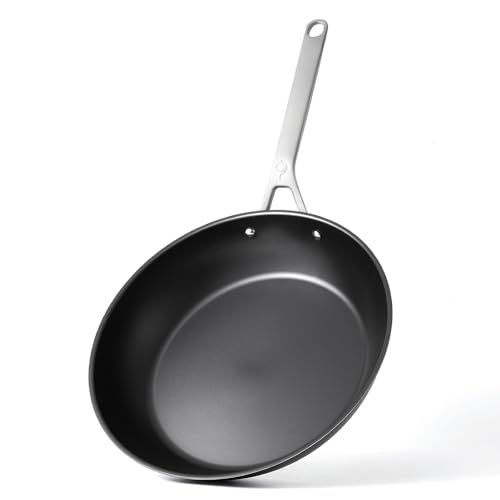


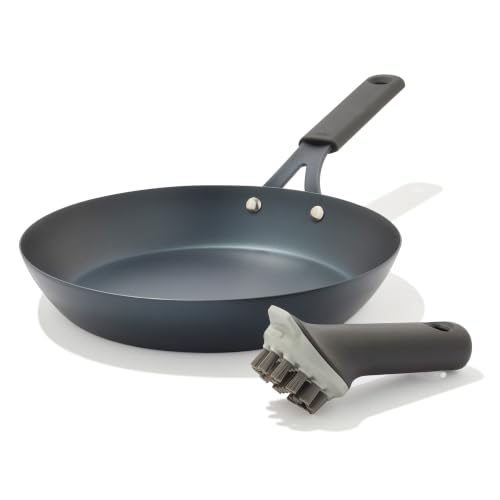
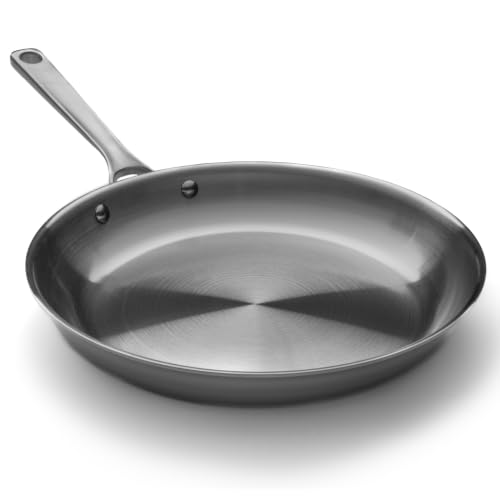

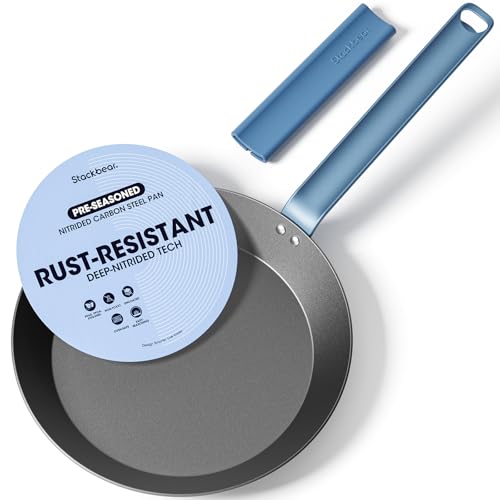
Quick Answer for Busy Homes
For most homes, choose a 10 inch or 11 inch pan with a flat base about 2.5 to 3 mm thick. That size covers eggs, grilled sandwiches, and two chicken breasts without crowding, and the thicker base resists warping under fast induction heat. Smaller homes can drop to 8 inches, while larger families often do better stepping up in size. Seasoning, weight, and handle comfort matter after that basic fit is right.
Before You Buy: A Quick Checklist for Choosing a Carbon Steel Pan for Induction
Work through these points in order. Fit for your burner comes first, because no amount of good seasoning fixes a base that the hob cannot read well.
Size: Match It to Your Space and Your Burner
Pan size is measured across the top rim, but induction cares about the flat base, which is always smaller. An 8 inch pan suits one or two eggs and small kitchens with little storage. A 10 inch or 11 inch pan is the daily driver for most couples and small families. A 12 inch pan gives room for batch cooking, yet it needs a large burner and a deep cabinet or hanging space. If you cook big batches often, our guide to the best 12 inch carbon steel pan covers that size in detail.
Which Type Fits Your Routine
A best pre seasoned carbon steel pan choice arrives with an initial coating of oil baked on, so you can start cooking sooner and build seasoning through normal use. An unseasoned pan costs less and lets you control the first layers yourself, but it needs seasoning before regular use. Blue carbon steel is heat treated for some rust resistance and a darker finish. Lightweight pans feel easier on the wrist, while heavier pans hold heat better for searing.
Materials and Coating Safety in Plain Terms
Carbon steel is simply iron with a small amount of carbon, and it contains no synthetic nonstick coating. That means there is no PTFE layer and no PFAS based coating to wear away over time. The dark surface you see after months of use is polymerized oil, built up from cooking fats rather than a factory coating. If you are weighing this material against coated options, remember that coated surfaces slowly wear out, while seasoned steel improves with steady use.
Induction, Gas and Glass Top Compatibility
Carbon steel is magnetic, so most pans work on induction as long as the base is flat and wide enough for the burner sensor. Test any pan you already own with a kitchen magnet. If the magnet grips the base firmly, the hob should detect it. A warped or strongly domed base reduces contact, which can cause slow heating, buzzing, and hot spots. The same flat base sits safely on a glass top and works on gas, although gas flames licking up the sides can discolor the walls.
Oven Safe Temperature and Handles
Most carbon steel pans can go into the oven, which makes them useful for finishing a frittata or keeping food warm. Check the stated limit for the exact pan, because coated or wooden handles lower that limit a lot. A long steel handle stays cooler on the hob but still gets hot near the pan body, so keep a mitt nearby. On larger sizes, a small helper handle opposite the main handle makes lifting a full pan with two hands far more secure.
Realistic Budget Ranges
Expect to pay about $30 to $50 for a thinner pan in a common size, which suits occasional use and lighter cooking. Spending about $50 to $100 usually buys a thicker base, better warp resistance on induction, and a more comfortable handle. Price alone does not promise flatness, so product details about base thickness and induction suitability matter more than the number on the tag. Budget a few dollars for a neutral cooking oil for seasoning as part of the total cost.
Types Compared for Different Homes and Routines
Instead of ranking individual models, compare these three broad types. Each one suits a different mix of space, household size, and cooking habit.
Compact Pans for One or Two People
An 8 inch or 10 inch lightweight pan heats fast, stores in a shallow drawer, and is easy to wash in a small sink. It handles eggs, a single grilled sandwich, or vegetables for two without wasted space. Many people who start here use it every morning, and for that routine the advice in our guide to the best carbon steel pan for eggs is worth a look. The trade off is capacity, since crowding even two extra pieces of food drops the surface temperature and steams instead of browns.
Mid Size Pans for Daily Family Cooking
A 10 inch or 11 inch pan of medium weight is the workhorse choice for households of three or four. It sears meat for weeknight dinners, browns potatoes, and still lifts comfortably with one hand when it holds food. This is the size most people mean when they picture a best carbon steel pan for induction for everyday use, because it matches the most common burner size on home hobs. Choose this type if you want one pan that covers breakfast through dinner.
Larger and Thicker Pans for Batch Cooking
A 12 inch pan with a base near 3 mm thick holds heat through big batches of onions, mushrooms, or meatballs. The extra mass smooths out the pulsing that some induction hobs produce at lower settings, giving steadier browning. It is also the heaviest option, and a full load can be hard to move with one hand. Pick this type when you cook for five or more people, entertain often, or meal prep on weekends and have the burner and storage space to match.
How Options Are Compared
Sound comparisons for this category weigh heat distribution, base flatness after repeated heating, material safety, stovetop and oven compatibility, and how simple the pan is to clean. Maker specifications and verified buyer reports about warping and hob detection tell you more than marketing claims. If induction is only part of your cooking, our broader guide to the best carbon steel pan covers gas and electric use in more depth.
Living With It: What Really Matters Day to Day
Induction heats carbon steel very fast, often faster than you expect from gas. Preheat on a medium setting for a minute or two, then add oil, because blasting a cold pan on maximum power is the most common cause of a warped base. Once you learn that rhythm, the pan rewards you with quick searing and fast response when you lower the heat. Some hobs hum softly under heavy pans, and that sound is normal.
The cooking surface improves with use. Food may stick during the first weeks, especially eggs and fish, while the seasoning is thin. Use enough fat, let food release on its own before you move it, and keep cooking. Within a few months of regular meals, the surface turns darker and more forgiving, and cleanup gets quicker.
Common Buying Mistakes to Avoid
- Buying by rim size alone, so the flat base ends up too small for the burner sensor and heats unevenly.
- Choosing the thinnest pan for a powerful induction hob, which raises the risk of warping in the first months.
- Ignoring storage, because a 12 inch pan with a long handle needs far more room than many small kitchens have.
- Expecting a factory fresh pan to release eggs like a coated pan, which leads to disappointment before seasoning builds.
- Forgetting the cost of basics such as oil for seasoning and a soft brush, which every owner needs from the start.
Cost of Ownership and Care
Ongoing costs are low. There is no coating to replace and no special cleaner to buy, so most owners spend only on cooking oil and an occasional new brush. Wash the pan with hot water and a soft brush, dry it on a warm burner, and wipe on a very thin layer of oil while it is still warm. Our step by step guide on how to season a carbon steel pan walks through building strong early layers.
Rust is the main enemy, and it comes from water left sitting in the pan. Dry the pan every time, store it in a dry cabinet, and place a cloth between stacked pans to protect the surface. If a rust spot appears, scrub it off, dry the pan fully, and season the bare spot again. The full routine in our guide on how to clean a carbon steel pan covers daily washing and storage in detail.
FAQ
How do you clean a carbon steel pan after sticky food?
For stuck bits, add water to the warm pan and let it simmer on a low induction setting for a few minutes. The residue loosens and lifts with a brush, so you rarely need force. Empty the pan, dry it on the warm hob, and finish with a thin wipe of oil. This simmer trick works better than soaking, and soaking overnight is what most often invites rust on this material.
Is a carbon steel pan worth it for a small household?
Yes, if you cook at home several times a week and want one pan that lasts for years. A small household gets the most value from an 8 inch or 10 inch pan, because it heats only the space you need and washes up fast. It is less worthwhile if you cook rarely and prefer to put every pan in a dishwasher, since carbon steel needs hand washing and quick drying after each use.
How long does a carbon steel pan last on induction?
The steel body can last for decades, because there is no coating with a fixed life span. The parts that usually limit life are loose rivets or a handle that works loose after years of heavy loads, so check handle movement once a year. A base that warps early from overheating can also shorten useful life on induction, which is one more reason to preheat gently on medium power.
What should I look for first in a carbon steel pan for induction?
Start with the base. Look for a stated thickness near 2.5 to 3 mm, a flat base with no dome, and a base diameter that suits your largest everyday burner. One detail many shoppers miss is the minimum burner size some makers list in the specifications, which tells you the smallest ring the pan will activate. Check that detail before you weigh handle style, finish, or price.
What is the best carbon steel pan for induction for a family of four?
For four people, the strongest all round choice is usually an 11 inch pan with a thick flat base that you can still lift when it is full of food. Try the lift test in your head by picturing the pan loaded with potatoes and oil, not empty. If that load sounds hard on your wrist, a slightly lighter 11 inch pan will serve you better than a heavier one you avoid using.
Final Thoughts
Match the pan to your burner, your household, and your storage first, and the rest of the decision gets simple. A flat base, honest thickness, and a size you will reach for daily matter more than any finish or extra feature. When you are ready to choose the best carbon steel pan for induction for your own kitchen, use the product table to compare options side by side and pick the one that fits your routine.


