
Best 12 Inch Carbon Steel Pan (2026): How to Choose
Disclosure: We may earn a commission when you buy through links on this page, at no extra cost to you. As an Amazon Associate I earn from qualifying purchases. Learn more

A practical guide to the best 12 inch carbon steel pan: what matters, what to skip and how to avoid common buying mistakes.
Picture a weeknight dinner for four in a kitchen where cabinet space is already tight. You need one pan that can brown chicken, crisp potatoes, and slide into the oven without a second dish. That is the job the best 12 inch carbon steel pan has to earn. This guide judges that size by the space it takes, the people it feeds, and what it costs to own.
Use the comparison table below to check weight, thickness, and handle style side by side, then read on for the fit questions a spec sheet cannot answer. If you are still weighing the material itself, our guide to the best carbon steel pan covers the broader category across all sizes.
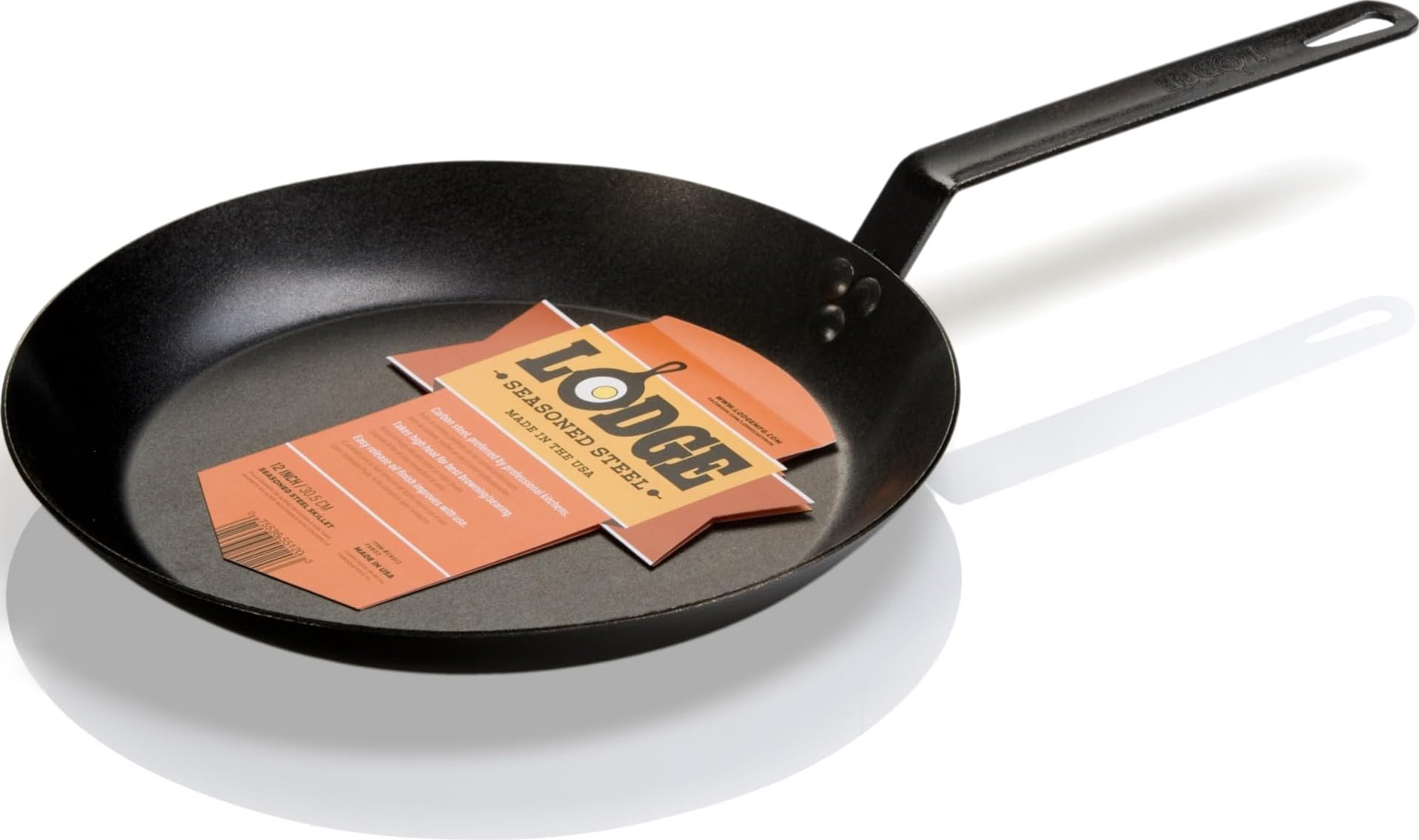

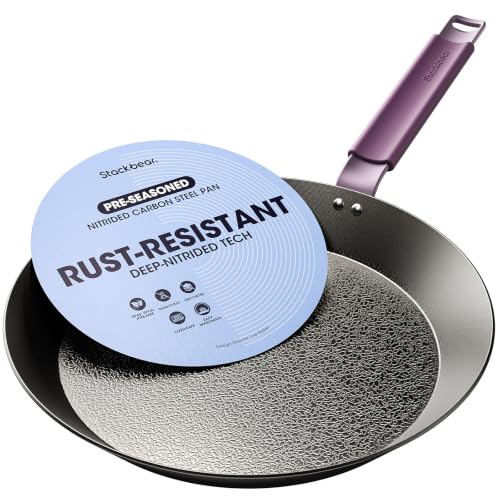

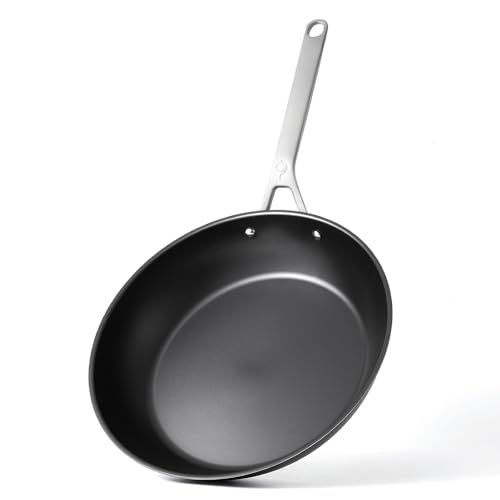
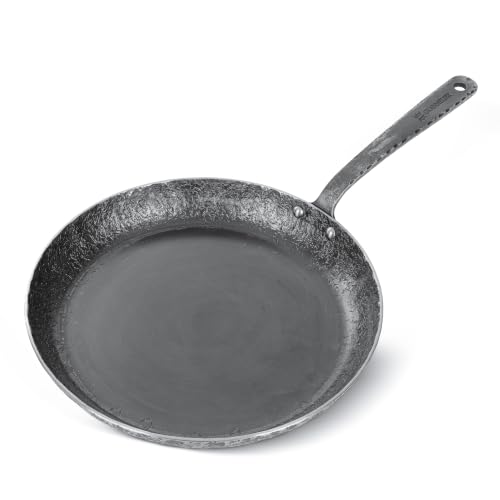
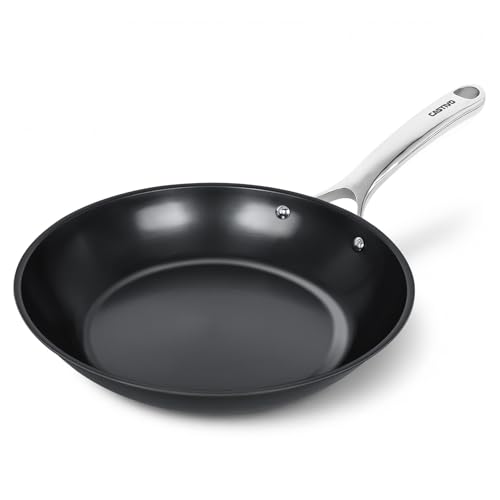

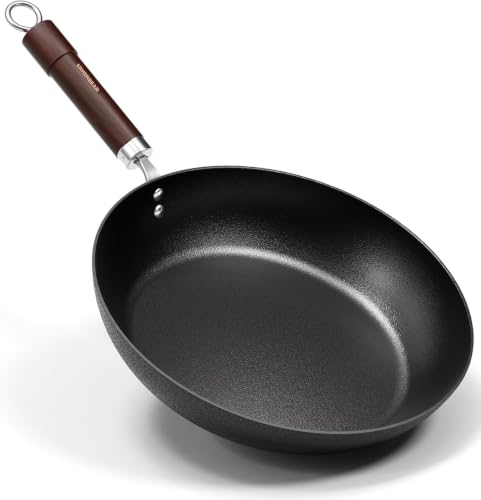
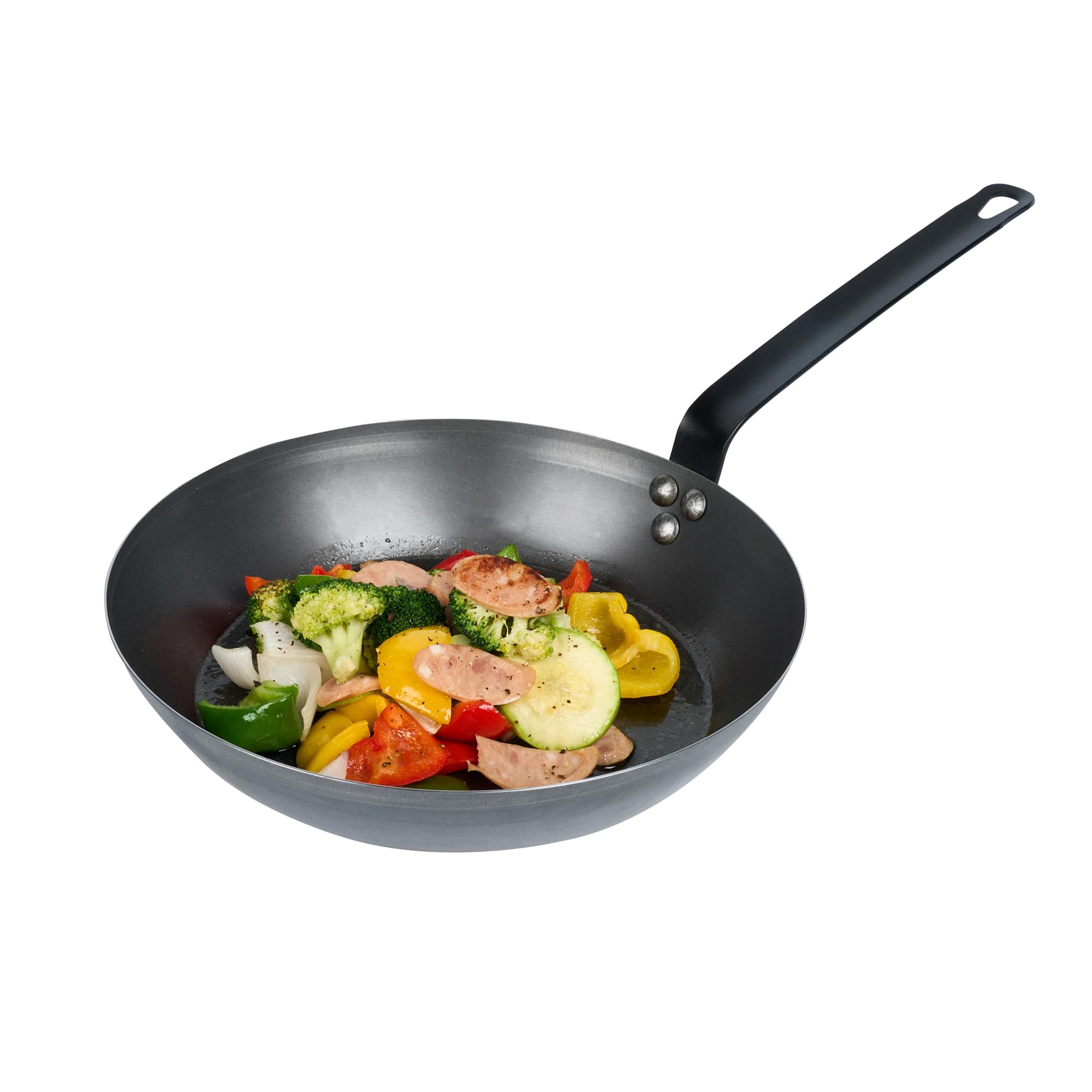
Quick Answer: Three Builds Worth Considering
There is no single build that suits every home, so start with the pattern that matches yours. A heavy gauge pan holds heat for thick steaks and oven finishing. A lighter pan is kinder to wrists during daily stovetop work. A pan sold already seasoned shortens the learning curve for cooks who want eggs and fish sooner rather than later.
- Heavy gauge: steady heat and strong searing, at the cost of more weight to lift and store.
- Lighter build: easier tossing and pouring, with heat that responds faster when you lower the burner.
- Already seasoned: a head start on release, though the coating still grows with your own cooking.
Before You Buy: A Quick Checklist for Choosing a Carbon Steel Pan
Work through these points in order, because the first two rule out more pans than any later detail. A pan that fights your storage or your stove will annoy you daily, no matter how well it sears.
Size: Match It to Your Space
The 12 inch figure is the rim diameter, not the flat cooking surface. Sloped sides mean the base that touches food is closer to 9 to 10 inches across, which still fits four chicken thighs or a generous batch of sliced peppers without crowding. Measure your largest burner, your oven width, and the cabinet or drawer where the pan will live. The handle usually brings the total length close to 20 inches, and that length is what surprises most buyers.
Which Type Fits Your Routine
Pans sold already seasoned arrive with several baked on layers of oil, so early meals stick less. Blue steel pans get their color from a heat treatment that slows rust, but the surface is still bare steel that you season yourself. Lightweight pans use thinner steel and suit cooks who lift, tilt, and pour often. Induction ready models simply have a flat, magnetic base, which matters again in the compatibility notes below.
Is Carbon Steel Free of Synthetic Coatings?
Yes. The pan body is iron with a small amount of carbon, and the dark surface is oil baked into a hard layer, not a synthetic nonstick coating. That means there is no PFAS or PTFE layer to wear out, which is one reason cooks compare this material in our carbon steel vs nonstick guide. The trade is upkeep. Bare steel can rust if it sits wet, and acidic sauces simmered for a long time can strip seasoning.
Induction, Gas, and Glass Top Compatibility
Carbon steel is magnetic, so most pans work on induction, but the base must sit flat to heat evenly and avoid buzzing. Warped bases rock on glass tops and spin on smooth surfaces, so check that the listing states a flat milled or machined base. Gas burners forgive minor unevenness, though flames licking past the base waste heat on the sides. For model level detail, see our picks for the best carbon steel pan for induction.
Oven Safe Temperature and Handles
A plain steel handle can go from stove to oven without a second thought, and its length keeps your hand away from the rim while cooking. Some handles carry a coating that lowers the oven limit, so read the stated limit for the exact model instead of assuming the steel rating applies to the whole pan. Helper handles opposite the main grip matter at this size, because a full 12 inch pan plus food is a two hand lift for many people.
Realistic Budget Ranges
For pans under $50, expect thinner steel, a simpler handle, and seasoning you build yourself, which is fine for a first pan. About $50 to $100 usually buys thicker steel around 2.5 to 3 mm, a flatter base, and a finish that needs less early work. Above that range you pay for refinement, such as smoother edges and better balance, rather than a different cooking result.
Types Compared: Which Build Fits Your Home?
With the checklist settled, match the build to your household rather than chasing the thickest steel on the page. The three patterns below cover most real homes.
Heavy Gauge Pans for Larger Households
If you regularly cook for four or more, a heavier pan earns its storage space. The extra steel evens out the cold spot that a large batch of meat creates, and the pan stays put when you stir. The cost is effort. Lifting it one handed is unrealistic for most cooks, so plan on two hands and a clear path to the stove.
Lighter Pans for Compact Kitchens and Daily Use
A thinner, lighter pan suits one or two person homes, smaller burners, and cooks who make eggs, grilled sandwiches, and sautéed vegetables most days. It heats and cools quickly, which helps when a sauce is about to catch, and it stores easily in a shallow drawer stack. You give up some heat reserve, so sear in smaller batches and let the pan recover between them.
Already Seasoned Pans for an Easier First Month
If the seasoning process is the only thing putting you off, start with a pan that arrives seasoned. Our roundup of the best pre seasoned carbon steel pan options explains how those factory layers differ. Expect to cook fatty foods first, use a little extra oil, and accept that the surface improves over weeks. This route suits busy households that will actually cook daily, because regular use is what turns a decent factory finish into a reliable one.
What Separates One Pan From Another
Heat distribution, durability and material safety come first, then stovetop and oven compatibility, handle comfort at full load, and cleaning demands. Manufacturer specifications, stated oven limits and patterns in buyer reports about warping, rust and seasoning are the best inputs, so claims should rest on specs and documented owner experience.
Is a 12 Inch Carbon Steel Pan the Right Size for You?
Choose this size if you cook for three to five people, batch cook proteins for the week, or want one pan that can hold a whole spatchcocked chicken under the broiler. The wide base gives food room to brown instead of steam. Two large steaks, four salmon fillets, or a full layer of potato slices all fit in a single layer.
Skip it if your largest burner is much smaller than the base, because the outer ring will lag on electric and induction tops. Skip it also if storage is a single narrow cabinet, or if a pan weighing about 4 to 7 pounds before food feels risky for your wrists. A 10 inch pan serves one or two people better.
Common Buying Mistakes to Avoid
- Buying by rim diameter alone, then finding the flat cooking area is too small for your usual batch.
- Ignoring total length with the handle, so the pan fits neither the oven nor the drawer you planned.
- Choosing the heaviest pan available when a wrist or shoulder problem makes every lift a strain.
- Expecting release like a new nonstick pan on day one, then giving up before the seasoning builds.
- Paying extra for bundled tools you already own instead of putting that money toward thicker steel.
- Placing the pan on a small burner and blaming the steel for pale, uneven browning.
Cost of Ownership and Care
Ownership costs stay low after purchase. There is no coating to replace and no special detergent to buy, so your running costs are cooking oil for occasional seasoning, a brush or scrubber, and a dry storage spot. A thin film of oil after drying on low heat keeps rust away in humid kitchens. Store the pan fully dry, and place a cloth between it and any stacked cookware to protect the seasoned surface.
Seasoning is a skill worth learning once, and our walkthrough on how to season a carbon steel pan covers the full process. Day to day washing is simpler than many new owners fear, and our guide on how to clean a carbon steel pan explains what to do when food sticks.
Your Questions, Answered
How can you tell whether a carbon steel pan maker is reliable?
Look for a maker that publishes steel thickness, base diameter, weight, and a clear oven limit rather than vague claims. A written warranty against defects, a real returns window, and care guidance on the maker site are also good signs. Brands that hide basic measurements make comparison hard, and that lack of detail often shows up later when you need support.
How do you clean a carbon steel pan after cooking eggs?
Let the pan cool until warm, then wipe out residue with a paper towel while the surface is still slick. If egg has set on the surface, add hot water, let it sit for five minutes, and lift the residue with a flat wooden spatula. Dry the pan on low heat right away. Avoid a long soak, because standing water is what starts rust spots on bare steel.
Is a carbon steel pan worth it for a home cook?
It can be, if you cook several times a week and want one pan to keep for years instead of replacing a coated pan as its surface wears down. The value case weakens if you mostly reheat food or cook delicate sauces, where a stainless pan asks less of you. Think of the payoff as cost spread over years of use, weighed against a few minutes of care each time.
How long does a carbon steel pan last?
A sound pan can serve for decades, because there is no coating to fail and thin surface rust can be scrubbed off before you season again. The usual end comes from warping after repeated thermal shock, such as cold water hitting a ripping hot pan, or from a handle rivet working loose. Let the pan cool before washing and it avoids the most common cause of an early retirement.
What size carbon steel pan does a household actually need?
Match the pan base to your largest burner first, then to your headcount. One or two people usually cook happily in a 10 inch pan, while three to five people benefit from the 12 inch size covered here. If you own one pan only, the larger size is the safer buy, because you can cook a small portion in a big pan but cannot stretch a small pan for guests. Renters with small ranges are the exception.
What is the best 12 inch carbon steel pan for a first time buyer?
For a first pan, favor a moderate weight, a flat base, and either a factory seasoning or a price low enough that early mistakes feel cheap. A helper handle is worth having at this diameter. Skip the thickest professional style pans until you know you enjoy the routine, because their weight is the top reason new owners stop reaching for the pan. Start simple, cook often, and upgrade only if a real limit shows up.
Final Thoughts
The right choice comes down to fit. Match the base to your burner, the weight to your arms, and the finish to how much patience you have in the first month. Do that, and the best 12 inch carbon steel pan for your home stops being a guess and becomes the pan you grab without thinking. Compare the finalists in the product table above once more, checking total length and weight before you order.


