Best Carbon Monoxide Monitors in 2026: What Each Price Range Really Buys
Disclosure: We may earn a commission when you buy through links on this page, at no extra cost to you. As an Amazon Associate I earn from qualifying purchases. Learn more

Compare carbon monoxide monitors by price range, sensor and power type, and learn the placement, testing and alarm response rules that matter most for safety.
A carbon monoxide alarm is one of the cheapest safety devices in a home, yet prices run from under $20 to more than $150, and the differences are not obvious from the box. This guide sorts the best carbon monoxide monitors into clear price ranges so you can see what extra money actually buys. It also covers the alarm response and placement rules that matter more than any feature list.
Plug in, battery powered, hardwired and combination units are explained side by side below, along with sensor types, display readings and long term costs. The product table gathers key specs in one place, and the final section answers the questions buyers ask most often before they pick a tier.




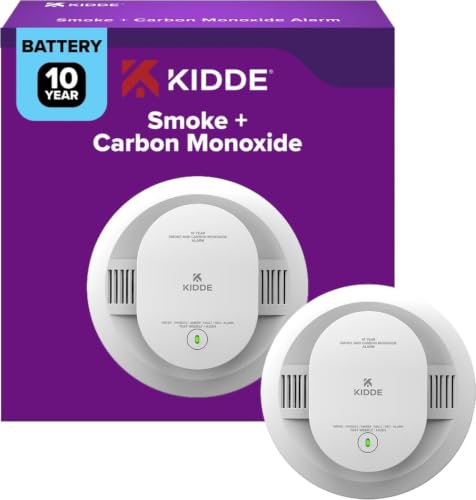

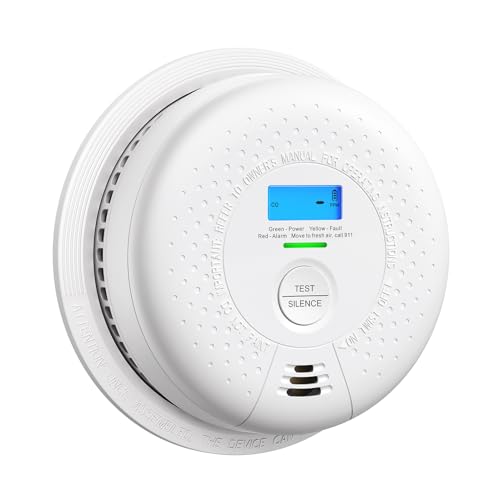

Safety First: What a CO Alarm Can and Cannot Do
Carbon monoxide is a colorless, odorless gas produced whenever fuel burns without enough air. Furnaces, water heaters, gas stoves, fireplaces, portable generators and cars in attached garages can all produce it. You cannot see it or smell it, so a working sensor is the only warning a household gets.
An alarm is a warning device, not protection. It does not remove the gas, and it does not repair the appliance making it. When an alarm sounds, get everyone and every pet outside, then call emergency services or the fire department from outside or from a neighbor. Never go back inside to hunt for the source, and never silence the alarm and go back to sleep.
The early symptoms of exposure, such as headache, dizziness, nausea, weakness and confusion, look a lot like the flu. If several people in the house feel ill at the same time, or symptoms fade once you are outdoors, treat it as an alarm even if a unit has stayed quiet, leave at once and call for help. No monitor replaces appliance care either: fuel burning equipment still needs service from a qualified technician, and renters should note that landlord duties for alarms vary by state and local law.
One scenario deserves its own warning, because it causes a large share of fatal poisonings: the portable generator during a power outage. A generator must run outdoors, well away from windows, doors and vents, never in a garage, basement or enclosed porch, even with the door open. The same rule applies to charcoal grills, camp stoves and cars warming up in an attached garage, since fumes find their way indoors fast. If an outage pushes you toward any fuel burning backup heat or cooking, an alarm on every floor stops being optional.
What Your Money Gets You at Each Price Range
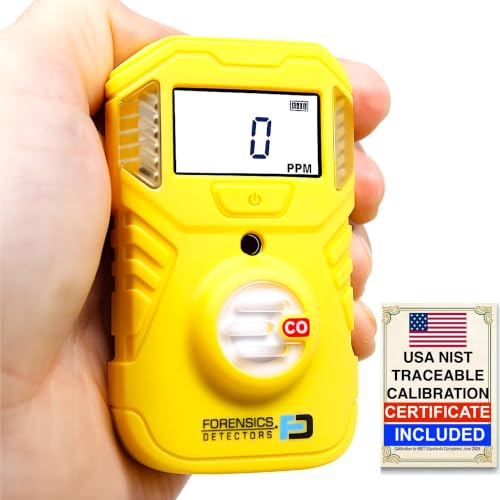
Almost all of the best carbon monoxide monitors sold in the US fall into three price bands. Every band still has to meet the same national safety standard, so extra money buys information, convenience and whole house coverage rather than a louder or faster warning. Choose the band by how many rooms and floors you need to cover and how much upkeep you are willing to do.
About $20 to $35: Single Room Plug In and Battery Basics
The entry band covers simple plug in units with battery backup and basic battery powered models. You get an electrochemical sensor, a loud alarm and a small status light, but usually no display and no memory of past readings. The trade offs show up over time: replaceable batteries need swapping, warranties are short, and the sensor reaches the end of its life sooner than on pricier models. If the budget only stretches to this band, buy two basic units for two floors rather than one fancy unit for one floor.
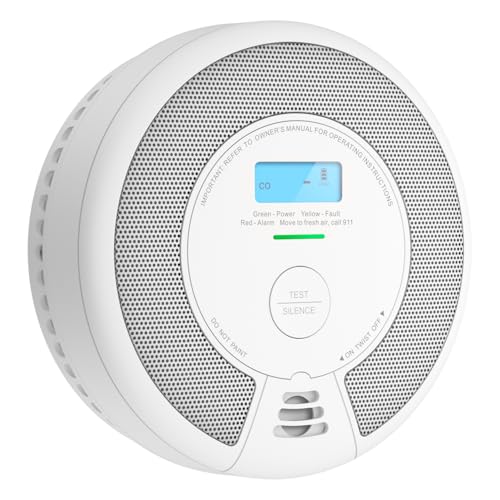
About $35 to $65: Digital Displays, Voice Alerts and Sealed Batteries
The middle band adds the features most households actually use. A digital display shows the current carbon monoxide level in parts per million and remembers the highest level recorded, which helps a technician track down a slow leak later. Voice alerts announce the hazard out loud, a hush button quiets a known nuisance alarm, and many models in this band carry a sealed battery rated for the life of the unit, so there are no battery swaps at all.
End of life signals are clearer here too, with a display message instead of a mystery chirp. For a typical house with two or three units, this band is where the upkeep burden drops the most per dollar.
About $65 to $150: Combination, Interconnected and Smart Units
The top band pays for coverage and information across the whole home. Combination units sense smoke and carbon monoxide in one housing, and guides to the best carbon monoxide and smoke detectors explain how the two sensors share one mount and one power source. Interconnected models link wirelessly, so when one unit alarms, every unit in the house sounds and a voice can name the room. Smart versions add phone alerts, which matter for second homes, landlords and anyone who leaves pets home alone.
The honest catch is scale: a three floor house may need four or five units, and at this band the full set costs real money.
Features Worth Paying For (and Ones to Skip)
Retailers mix the words monitor, detector and alarm across the same shelf of products, and our guide to the best carbon monoxide detectors untangles the naming. Whatever the box calls it, the checks below separate a sound purchase from a decorative one.
Certification Is Not Optional
Look for the label of a recognized testing laboratory showing the unit meets the current national standard for carbon monoxide alarms, and the matching smoke standard on combination models. Certified alarms are built to sound based on the gas level over time, since harm depends on both concentration and exposure length, so they resist false alarms from brief cooking fumes while still catching slow leaks. Skip uncertified imports sold under unknown names, even when the price looks tempting. A safety device is the wrong place to gamble on unverified claims.
Sensor Types, Explained Plainly
Nearly every quality CO alarm uses an electrochemical sensor, which produces a small electrical current when carbon monoxide reaches it. The type is accurate, sips power and rarely cries wolf, but the sensing cell wears out, which is why every unit has an end of life date. On combination units, the smoke side uses either a photoelectric sensor, which responds best to smoldering fires, an ionization sensor, which responds fast to flaming fires, or both in a dual sensor design. Cheap semiconductor CO sensors exist in some travel and novelty gadgets and drift far more, so treat them as extras, never as the home alarm.
And note that carbon dioxide is a different gas entirely: units sold as best carbon dioxide monitors track stuffy indoor air for ventilation, and they cannot warn you about carbon monoxide at all.
Power Source: Plug In, Battery or Hardwired
Plug in units with battery backup are the easiest upgrade, since any open outlet works, though the outlet position fixes the height and a switched outlet can cut power by accident. Sealed battery models mount anywhere and run for the life of the unit with zero battery chores, which suits renters and high ceilings. Hardwired units tie into house wiring with battery backup and are common in newer construction, where building codes often require interconnected alarms. Replacing a hardwired unit is a simple swap for a handy homeowner, but new wiring runs belong to a licensed electrician.
Interconnection and Phone Alerts
Interconnection solves the oldest weakness of a single alarm: sound does not travel well through closed doors and floors. When linked units all sound together, a basement furnace problem wakes the bedrooms upstairs. Our guide to the best carbon monoxide alarms compares tone and voice options in more depth. Phone alerts add a second layer for empty houses, since the app can reach you at work while the alarm reaches nobody at home.
Remember that smart alerts ride on your WiFi and power, so the local siren still has to be loud enough on its own.
Displays and Peak Level Readings
A parts per million display will not change what you do in an emergency, but it earns its keep in quieter moments. Readings that creep up when the furnace runs, then fall when it stops, point a technician straight at the source. Peak level memory preserves the highest reading even after the air clears, which answers the question every firefighter asks on arrival. Treat small short readings near a gas stove with calm rather than panic, since brief traces during ignition are common, but log anything that climbs or keeps coming back.
Hush Buttons and Nuisance Alarm Control
Steam from a shower and vapor from a busy stove are the usual triggers when an alarm complains about ordinary life, and on combination units the smoke sensor is often the side that protests. A hush button silences a nuisance event for several minutes while you air the room out, without removing the battery or unplugging the unit. Better designs also resume full sensitivity on their own, so a silenced alarm never stays silenced by accident. If nuisance alarms keep happening, the fix is placement, not tape over the sensor: moving the unit a few feet farther from the kitchen or bathroom door usually ends the pattern.
Extras You Can Safely Skip
Some upcharges buy nothing that protects you. Decorative finishes, built in night lights and novelty shapes add cost without touching sensor quality. App dashboards full of graphs look impressive for a week and then go unread, so pay for alerts, not charts. Extended warranties make little sense on a device you will replace on a fixed schedule anyway.
Put the savings toward one more unit for the floor you almost skipped.
Placement, Testing and Replacement
Where Monitors Belong
Start with the maker manual and your local code, because both outrank general advice. The standard pattern is one unit on every level of the home and one outside each sleeping area, so an alarm is audible through a closed bedroom door. Carbon monoxide mixes evenly with air rather than pooling high or low, so follow the height the manual specifies instead of old rules of thumb. Keep units out of bathrooms, where steam stresses the sensor, and not directly above a stove or furnace, where heat and cooking vapor shorten sensor life and provoke nuisance alarms.
Monthly Testing and Simple Upkeep
Press the test button once a month; it proves the horn and electronics work, though it cannot prove the sensor still reads gas accurately, which is one more reason the end of life date rules. Vacuum the vents gently or wipe them with a dry cloth to keep dust out of the sensing chamber. Never paint a unit, never cover it during renovations without removing it first, and write the install date on the label the day it goes up.
End of Life Is Printed on the Unit
Electrochemical cells age whether they ever sense gas or not, so every monitor carries a manufacture or end of life date, with typical sensor lives of about 5 to 10 years depending on the model. When the date passes, replace the whole unit, not just the battery. Learn the difference between the low battery chirp and the end of life signal in your manual, since they sound similar and mean opposite things: one needs a battery, the other needs a new alarm.
Special Cases: Furnace Rooms, Garages and Second Homes
Do not mount a monitor inside the garage itself, where every cold start would flood it with exhaust; the right spot is just inside the house door that leads to the garage. Basements with a furnace or water heater deserve their own unit on that level, since that is where fuel burns longest each day. Vacation homes and short term rentals benefit most from smart models, because a phone alert reaches the owner while the house sits empty. Whatever the setting, the rule is unchanged: one working unit per level, placed per the manual.
Common Mistakes to Avoid
- Buying one unit for a multilevel home, which leaves whole floors with no warning at night.
- Mounting the alarm inside the garage or right beside the furnace, where daily fumes cause nuisance alarms and early sensor wear.
- Assuming every chirp means a low battery, when the unit may be signaling the end of its sensor life.
- Unplugging an alarm after a nuisance event instead of airing out the house and having the appliance checked.
- Believing a smart thermostat or smoke only detector also senses carbon monoxide, when the spec sheet never promised it.
- Installing a plug in unit on a switched outlet that family members turn off without thinking.
Long Term Costs to Factor In
The purchase price is the small part of owning CO alarms. The real cost is the replacement cycle: a house with four units on a cycle of about 7 to 10 years needs a steady budget for renewals, roughly the price of one midrange unit every couple of years. Models with replaceable batteries add a few dollars per unit per year plus the labor of ladder work, while sealed battery models move that cost into a higher sticker price and then ask nothing until replacement day.
Combination units trim the total device count, which trims both upkeep and renewal cost, and hardwired systems may add a one time electrician fee when you change brands or wiring styles. Smart alarms rarely charge for basic alerts, but some brands reserve history and extra users for a paid plan, so check before you build a whole house on one app.
Run the ten year math before you call the sealed battery models expensive. A basic unit bought twice in a decade, plus two battery changes, often lands within a few dollars of one sealed unit bought once, and the sealed unit never chirps for a battery at 3 in the morning. The cheapest decade is still the budget band bought on schedule; the most expensive mistake is the premium unit whose replacement gets postponed year after year. Prices and availability can change, so check the product page before ordering.
Carbon Monoxide Monitors: Your Questions Answered
Do I need separate smoke and CO alarms, or is one combination unit enough?
One listed combination unit per location is enough for most homes, and it saves ceiling space and one set of batteries. The catch is placement compromise: smoke rises fast, while your manual may favor a specific height for the shared housing, so mount a combination unit exactly where its instructions say. Separate units still win in kitchens, where a smoke alarm can sit farther from the stove while the CO unit stays near the sleeping area it protects.
Hardwired or battery powered: which carbon monoxide monitor should I choose?
Choose hardwired if your home already has interconnected alarm wiring, because the system alarms as one and never sleeps through a dead battery. Choose a sealed battery unit for older homes and rentals, where it mounts in minutes with no wiring work. A local code check matters here: many areas require hardwired interconnected alarms after major renovations or when a home changes hands, even if battery units were fine before.
How long does a carbon monoxide monitor last before it needs replacement?
Most units last about 5 to 10 years from the date of manufacture, and the label on the back states the limit for your exact model. Buy fresh stock: a unit that sat in a warehouse for two years has already spent part of its sensor life before you hang it. When you shop, compare the printed dates, and pick the newest stock when prices are equal.
Can a carbon monoxide monitor also detect gas leaks or smoke?
No. A CO sensor reacts to carbon monoxide only, and it stays silent for natural gas, propane and smoke. Separate explosive gas alarms exist for fuel leak detection, and they mount differently because natural gas rises while propane sinks. If you ever smell the rotten egg odor added to natural gas, skip the investigation: leave the house and call the gas utility or emergency services from outside.
What does a low parts per million reading on the display actually mean?
A low reading means the sensor sees a trace of carbon monoxide right now, below the level and duration that trigger the alarm. Brief traces appear when a gas oven lights or a car starts in an attached garage, and they should fall back to zero. Keep a simple log of the time, the reading and what was running; that pattern is gold for a service technician. If readings climb, persist for hours, or anyone feels unwell, leave and call for help instead of logging.
Final Thoughts
Strip away the marketing and the decision comes down to three things: a certified electrochemical sensor, a tier that matches how much upkeep you will honestly do, and enough units to cover every floor and sleeping area. The product table pulls the specs together so you can compare the best carbon monoxide monitors for your layout without guessing. Install them the day they arrive, test them monthly, and if you are ever unsure about placement or a reading that will not settle, your local fire department non emergency line and a qualified appliance technician are the right next calls.