Best Carbon Monoxide Alarms: Reviews and Buying Guide for 2026
Disclosure: We may earn a commission when you buy through links on this page, at no extra cost to you. As an Amazon Associate I earn from qualifying purchases. Learn more

The best carbon monoxide alarms for your home: sensors, power options and placement explained, plus three reliable picks.
Carbon monoxide is colorless, odorless and produced by everyday appliances that burn fuel, from gas furnaces and water heaters to fireplaces, generators and attached garages. Because you cannot see or smell it, a working alarm is the only reliable way to know when levels rise. Choosing among the best carbon monoxide alarms is mostly about picking the right power source, placement and features for your home, then keeping them working for their full lifespan.
This guide starts with three picks, then explains sensor types, interconnection, displays, power options, placement and replacement timing. You will also see how CO only, smoke only and combination alarms differ, plus setup and care tips. Always follow the maker's installation instructions and your local building codes.



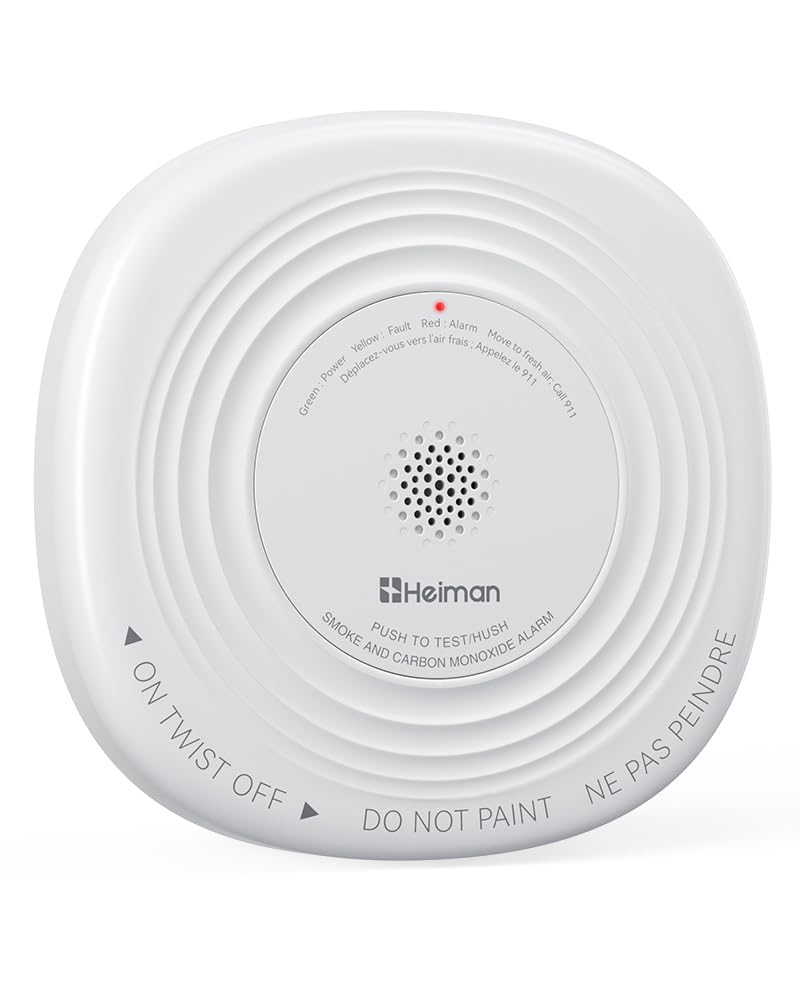
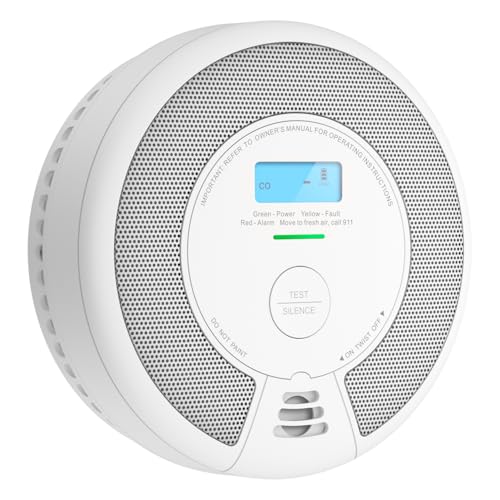
Our Top 3 Picks at a Glance
These three come from the product table above and cover a set and forget battery alarm with a display, a low cost alarm for every level of the home and a combination unit that adds smoke detection. Each is a current model sold new on Amazon US from an established safety brand, with a recognized safety listing.
We compared sensor type, power source, display and memory features, listings against UL standards and warranty terms, along with the overall pattern in owner feedback. We did not run our own trials; the notes reflect maker specifications.
How many alarms do you need? A typical two story home with a basement needs at least three CO alarms, one per level, plus extra units outside separate sleeping areas. Multi packs often lower the price per alarm, which makes full coverage more affordable.
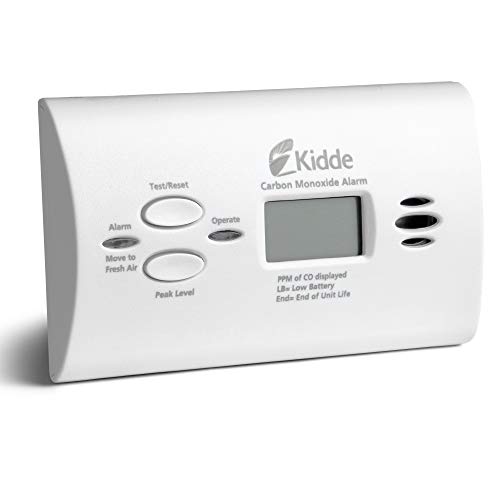
Best Overall: Kidde 10-Year Battery CO Alarm with Digital Display
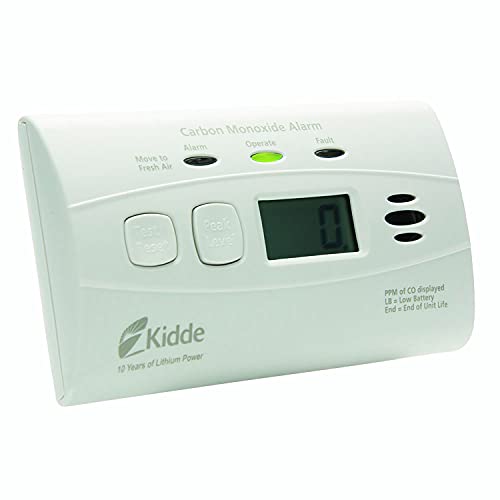
The Kidde 10-year battery carbon monoxide alarm suits homeowners and renters who want a reliable alarm they never need to rewire or feed batteries, at around $45. It uses an electrochemical sensor, an 85 decibel alarm and a sealed 10-year lithium battery, so it keeps working during power outages.
Two features stand out: a digital display that updates every 15 seconds to show CO levels, and Peak Level Memory that records the highest reading since the last reset. Three LEDs show normal operation, CO presence and end of life. The limitation is that it is a standalone unit, so it does not interconnect with other alarms. Skip it if your home already has a hardwired interconnected system you want to expand.

Best Value: Kidde AA Battery CO Alarm
The Kidde AA battery carbon monoxide alarm is a simple, affordable way to add protection to every level and sleeping area, at around $25. It uses an electrochemical sensor, runs on two AA batteries that keep it working during power failures and mounts on a wall or sits on a tabletop.
Its strengths are price, flexibility and a UL listing, with a 10-year limited warranty on the alarm. A combined check and hush button lets you confirm it works each month or silence a low battery chirp temporarily. The trade off is that you replace the AA batteries periodically, and it has no numeric display. Skip it if you want to see actual CO levels or prefer a sealed battery.
Best Upgrade Pick: X-Sense SC01 Smoke and CO Combo
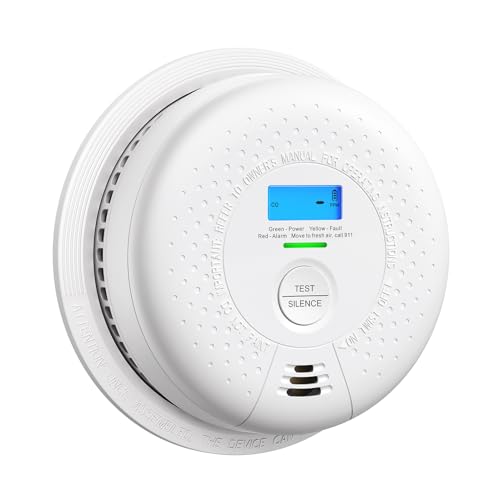
The X-Sense SC01 is for households that want smoke and carbon monoxide protection in one device, at around $36 for a single unit. It combines a photoelectric smoke sensor with an electrochemical CO sensor and is ETL listed to the UL 217 smoke and UL 2034 carbon monoxide standards.
The appeal is fewer devices on your ceiling and a large LCD that shows real time CO levels, battery level and status. It mounts on a wall or ceiling with the included hardware and needs no wiring. The limitation is placement: combination units must suit both smoke and CO guidance, which can be tricky near kitchens. Skip it if local code requires hardwired interconnected alarms in your situation.

How to Choose the Best Carbon Monoxide Alarms: Buying Guide
Carbon monoxide alarms look similar, but differences in sensors, power and features change how well they protect your household. Here is what to compare.
Sensor Type (Ionization, Photoelectric, Dual Sensor, Electrochemical CO)
Carbon monoxide alarms use electrochemical sensors, which react to CO and trigger the alarm when levels stay elevated over time. This is the standard technology in modern CO alarms and the one to look for on the label.
Ionization and photoelectric sensors detect smoke, not carbon monoxide. Dual sensor smoke alarms combine both smoke technologies. Combination alarms pair a smoke sensor, usually photoelectric, with an electrochemical CO sensor in one housing. Check that any CO alarm lists UL 2034 compliance, and that combination units list both UL 217 and UL 2034.
Interconnection and Smart Alerts
Interconnected alarms sound together, so a CO alarm in the basement also sounds in the bedrooms upstairs. Hardwired systems interconnect through wiring, while some battery alarms use wireless interconnection. This feature matters most in larger homes where an alarm on another floor might not be heard.
Smart alarms send alerts to your phone, which helps when you are away or have family members who might not respond. Make sure smart alarms still sound locally and do not rely only on Wi Fi for basic protection.
If you are adding alarms to an older home without wiring, wireless interconnected battery models offer a practical middle ground. When one alarm detects a problem, all linked units sound, so a bedroom alarm warns you about a basement furnace problem even with doors closed.
Nuisance Alarm Reduction
CO alarms are designed to ignore brief, low level exposure and sound when CO stays elevated, which reduces false alarms from momentary sources. Combination smoke and CO alarms placed too close to kitchens or bathrooms may still trigger nuisance smoke alarms from cooking or steam.
Follow the maker's placement distances from cooking appliances and fuel burning equipment. A hush button lets you silence a nuisance alarm temporarily, but never ignore a CO alarm: treat every alarm as real until you are sure it is safe.
Voice Alerts and Displays
Voice alerts announce the type of danger, such as "Warning, carbon monoxide," which helps everyone respond correctly, especially children and guests. Digital displays show current CO levels in parts per million, helping you spot low but persistent readings before they reach alarm levels.
Peak level memory records the highest level detected since the last reset, which is useful for diagnosing intermittent problems from a furnace or water heater. These features are worth paying a little extra for in homes with several fuel burning appliances.
Displays are especially helpful for people with health conditions that make them sensitive to lower CO levels, since they can see rising readings before an alarm sounds. If you have concerns about low level exposure, talk to your doctor and have appliances inspected.
Power Source (Hardwired, 10 Year Sealed Battery, Plug In)
Hardwired alarms connect to household power with a battery backup and often interconnect, which is common in new construction. Installation may require an electrician. Sealed 10 year battery alarms install anywhere and never need battery changes for their lifespan.
Plug in alarms use a wall outlet and usually include a battery backup, making them easy to move. Replaceable battery alarms using AA or 9 volt batteries cost less upfront but need regular battery changes. Choose based on your home's wiring, how easily you can reach mounting spots and how much maintenance you want.
Placement Requirements
Safety organizations generally recommend a CO alarm on every level of the home and outside each sleeping area, and many local codes require this. Install alarms according to the maker's instructions, which specify mounting height and distances from fuel burning appliances, bathrooms and vents.
Avoid placing alarms right next to furnaces, water heaters or stoves, in dead air spaces or near windows and fans that dilute air. Garages and attached workshops need special attention if you run vehicles or generators nearby, but never run generators inside or near open windows.
Bedrooms deserve priority because carbon monoxide is most dangerous when people are asleep and cannot notice early symptoms such as headache, dizziness or nausea. An alarm in the hallway outside bedrooms, loud enough to be heard through closed doors, is the minimum; many families add one inside each bedroom as well.
Lifespan and Replacement
Electrochemical CO sensors wear out, typically after 7 to 10 years. Many alarms include an end of life warning, such as a chirp pattern or amber light, to tell you when to replace the unit. Check the manufacture date on the back and write the install date on the alarm.
Replace any alarm that fails its monthly check, shows end of life signals or has passed the maker's recommended lifespan, even if it still seems to work.
Keep a simple record of when each alarm was installed, either on the alarm itself or in a phone note. When replacing, consider upgrading to sealed battery or interconnected models so the next decade of protection needs even less maintenance.
Types of Carbon Monoxide Alarms
Alarms come in three broad types. Understanding them helps you plan full coverage for your home.
Smoke Only Alarms
Smoke only alarms detect smoke from fires but do not detect carbon monoxide. Every home needs smoke alarms, but they do not replace CO alarms. If you use smoke only alarms, add separate CO alarms on every level and near sleeping areas.
CO Only Alarms
CO only alarms focus on carbon monoxide and can be placed according to CO specific guidance, such as near bedrooms and on each level. They suit homes that already have good smoke alarms or want flexible placement independent of smoke alarm locations.
Plug in CO only alarms are handy for renters and travelers, since they move easily between rooms, apartments or vacation rentals and need no tools to install.
Smart Connected Alarms
Smart alarms connect to your phone and smart home system, sending alerts and sometimes performing self checks. They suit busy households, vacation homes and anyone who wants remote notification. Confirm local alarm sounding and battery backup so protection continues during internet outages.
Smart alarms can also report low battery or end of life status to your phone, so you are not woken at night by a chirping alarm you cannot find.
Setup and Care Tips
Install alarms as soon as you bring them home, following the included instructions for height and placement. Press the alarm's check button after installation and once a month to confirm it sounds. Replace replaceable batteries at least once a year or when the low battery chirp starts.
Vacuum the outside vents gently every few months to remove dust, and never paint over an alarm. Make sure everyone in the home knows the CO alarm sound and the plan: leave the home immediately, call 911 from outside and do not re enter until emergency responders say it is safe. Have fuel burning appliances inspected yearly by a qualified technician.
Know the common sources in your home: gas furnaces, boilers, water heaters, gas stoves and dryers, fireplaces, wood stoves and vehicles in attached garages. Keeping vents and chimneys clear, never using grills or generators indoors and having appliances serviced regularly reduce the chance of a dangerous buildup in the first place.
Carbon Monoxide Alarms: Your Questions Answered
Where should I install smoke and CO detectors?
Install carbon monoxide alarms on every level of your home and outside each sleeping area, plus wherever local codes require. Smoke alarms go inside each bedroom, outside sleeping areas and on every level. Follow the maker's height and distance guidance, keeping alarms away from cooking appliances, bathrooms and air vents to reduce nuisance alarms.
How long do detectors last?
Most carbon monoxide alarms last 7 to 10 years before the sensor needs replacing, and many have an end of life warning. Smoke alarms typically last about 10 years. Check the manufacture date on the back of each alarm and replace units that are past their recommended lifespan or fail monthly checks.
Hardwired or battery: which is better?
Both protect well when installed and maintained correctly. Hardwired alarms with battery backup often interconnect, so all alarms sound together, which is ideal for larger homes and often required in new construction. Battery and sealed 10 year alarms are easier to install anywhere, suit renters and older homes, and keep working during power outages.
Do I need separate smoke and CO alarms?
Not necessarily. Combination alarms detect both smoke and carbon monoxide in one device, reducing clutter. However, placement guidance differs slightly, and some homes benefit from separate units, such as a CO only alarm near bedrooms and smoke alarms inside bedrooms. Make sure you have both types of protection where your local code requires them.
Our Verdict
The best carbon monoxide alarms are the ones you install in the right places and keep working. Focus on three things: an electrochemical sensor with a UL 2034 listing, a power source that suits your home, and coverage on every level and outside sleeping areas. The Kidde 10-year battery alarm with display is our best overall pick, the Kidde AA alarm offers great value for full coverage, and the X-Sense SC01 combo is a smart upgrade for smoke and CO protection in one.
For related safety gear, see our guides to the best smoke and carbon monoxide detector, the best carbon monoxide monitors, the best smart smoke and carbon monoxide detectors and the best combination smoke and carbon monoxide detectors. Then compare current prices in the product table above.