
Best Black Ceiling Fan in 2026: Sizes, Motors and Finish
Disclosure: We may earn a commission when you buy through links on this page, at no extra cost to you. As an Amazon Associate I earn from qualifying purchases. Learn more
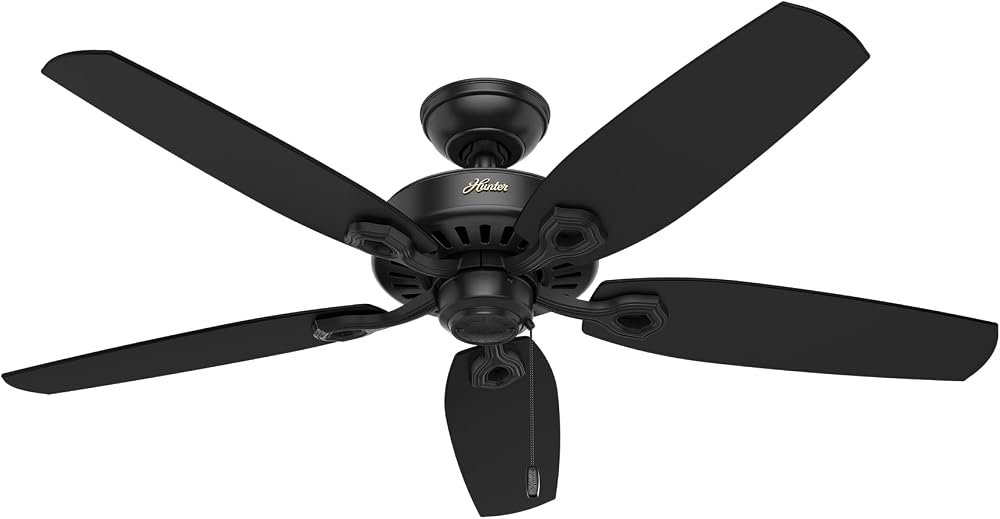
Flush mount, downrod and large format fans compared on airflow, noise and light, to help you choose the best black ceiling fan.
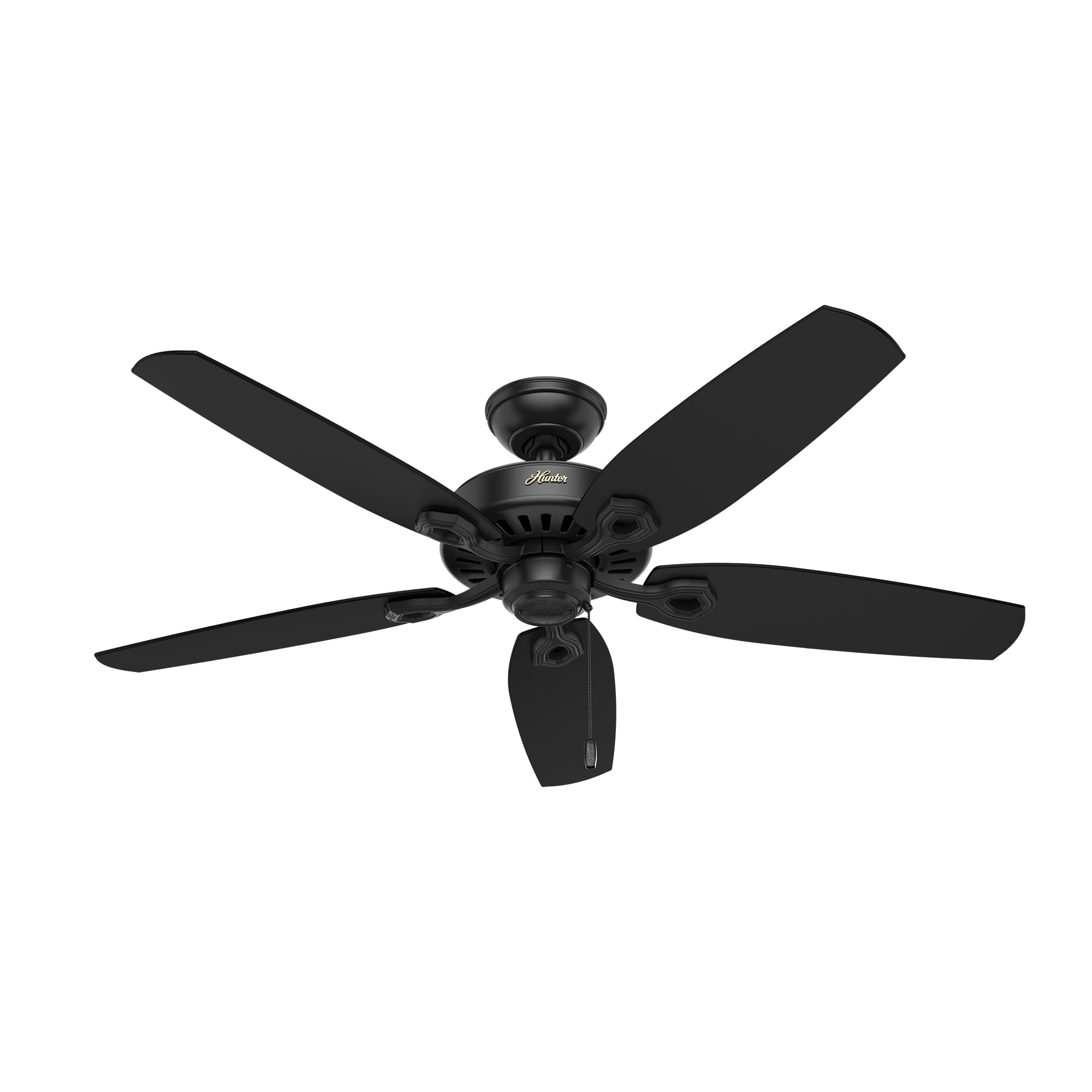
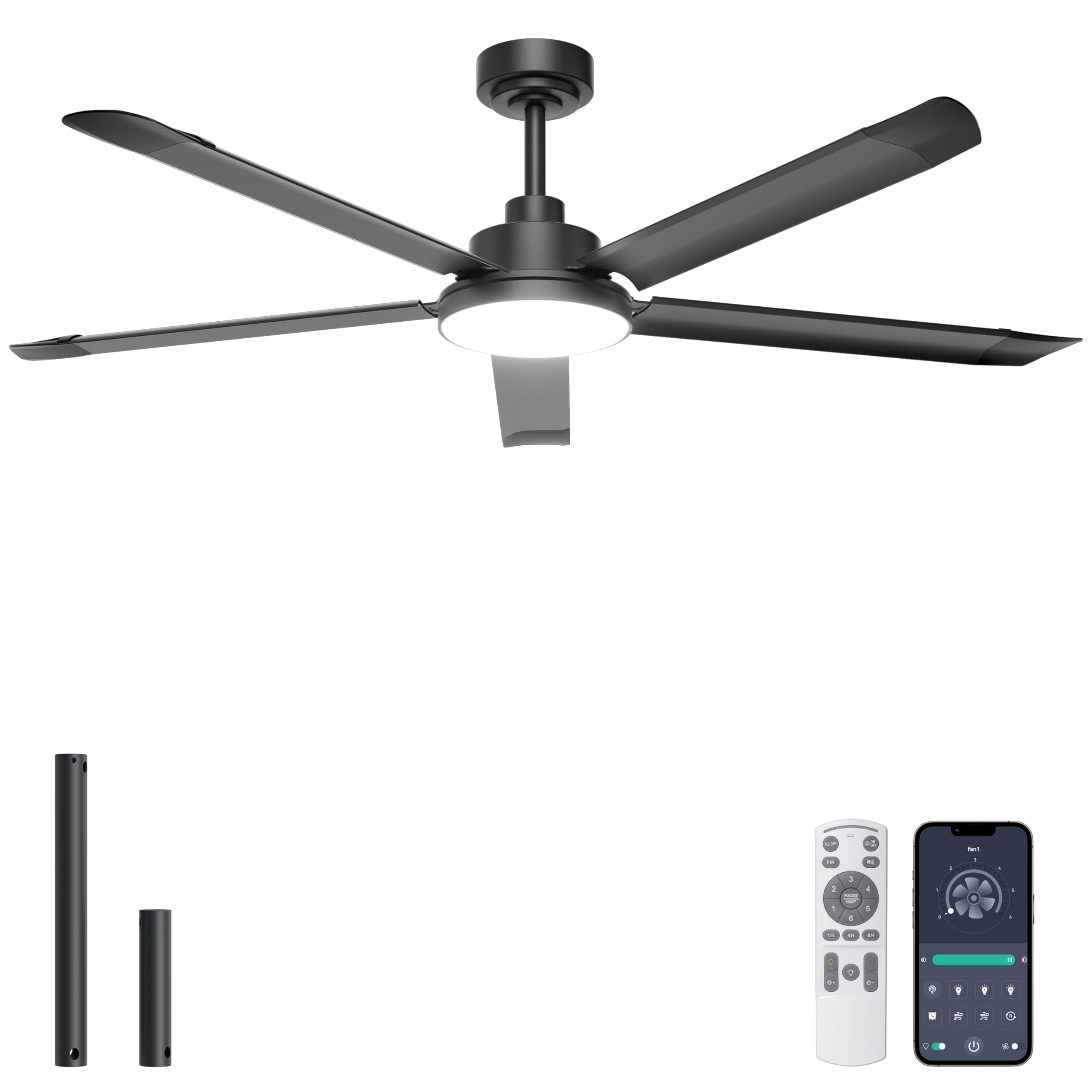
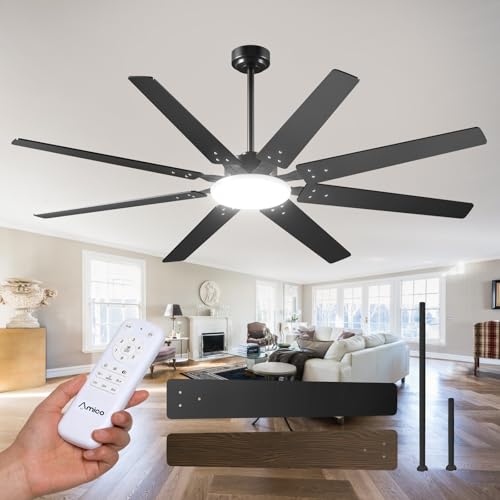
A black finish can anchor a room, but color alone tells you nothing about airflow, noise, or light quality. Choosing the best black ceiling fan means matching blade span to your room, picking a mount that fits your ceiling height, and checking that the dark finish suits your lighting. The product table below sums up the main types side by side so you can narrow your shortlist fast.
This guide walks through sizes, motor types, light output, and controls in plain terms, plus the practical side of living with a dark finish, from dust visibility to cleaning.



Who Should Buy a Black Ceiling Fan?
Homes With Dark Accents and Exposed Beams
If your room already has black window frames, dark beams, or matte black hardware, a matching fan ties the ceiling into the rest of the scheme instead of leaving a white unit floating on its own. Start with our broader guide to the best ceiling fan if you are still weighing finishes. Choose a matte finish when your other accents are matte, since mixing gloss levels can make the same color look like two different shades.
Bedrooms Where a Bold Focal Point Works
In a bedroom with light walls and bedding, a black fan becomes the one strong contrast overhead, and that suits modern and farmhouse schemes equally well. Quiet operation matters more here than raw power, so favor models with a low speed that moves air gently while you sleep. Our guide to the best ceiling fan for bedroom covers quiet picks in more depth. Pick an integrated light with warm output so the bold fixture does not feel harsh at night.
Covered Porches and Sunrooms That Need Contrast
On a porch with white siding or a pale ceiling, a black fan reads clearly and hides pollen film better than a white finish between cleanings. Outdoor use is a hard requirement, not a style choice, so the fan needs a damp or wet location rating that matches its exposure. See the best outdoor ceiling fan guide for rated options. Blades should be plastic or another weather resistant material, since wood blades can warp in humid air.
Black Ceiling Fan Types Compared
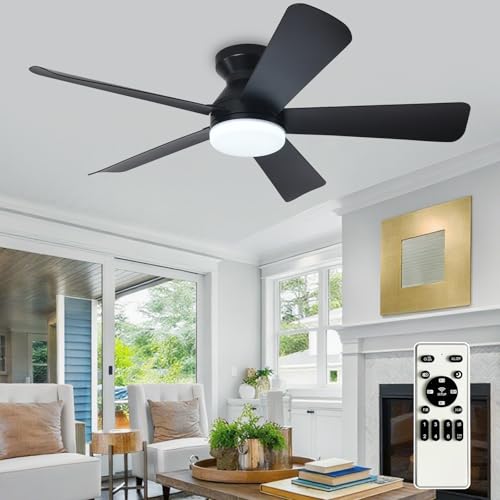
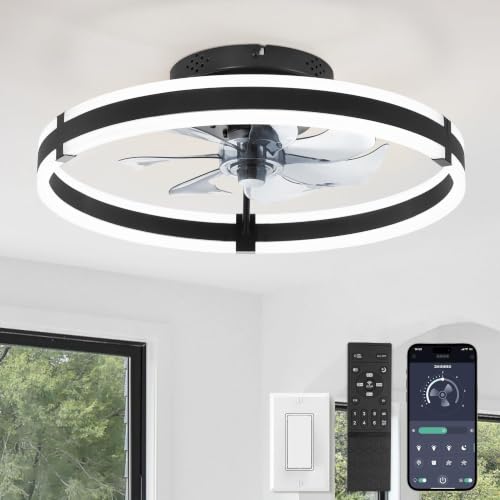
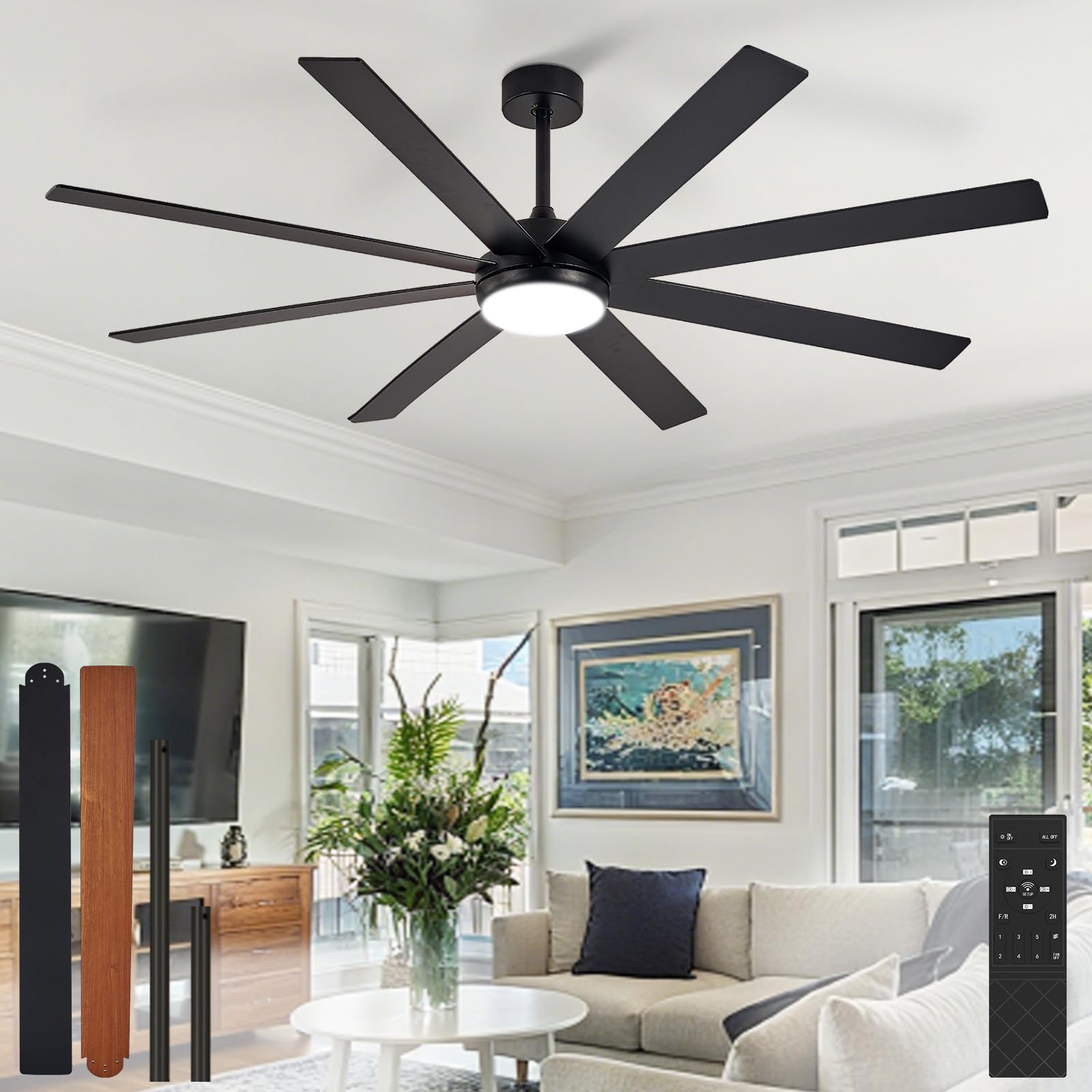
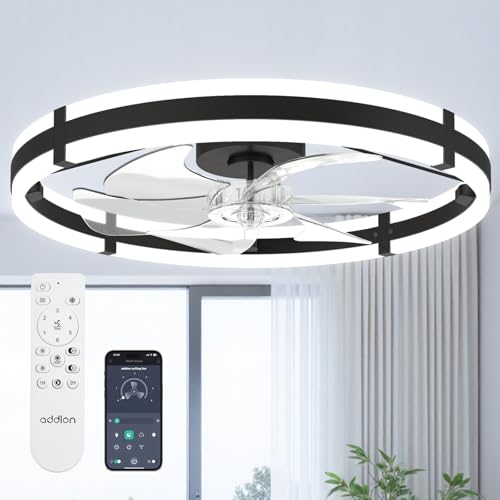
Black fans come in three broad types, and the right one depends mostly on ceiling height and room size rather than looks. A flush mount type hugs the ceiling and keeps blades at a safe height in rooms with low ceilings. A standard downrod type hangs the motor lower, which helps air circulate in rooms with standard or high ceilings and on sloped ceilings when paired with a longer rod. A large format type uses a wider span and a stronger motor for open plan spaces, vaulted ceilings, and covered outdoor areas.
Each type is sold with and without a light kit, and most accept a remote even when a pull chain is standard. Flush mount models usually offer less airflow because the blades sit close to the ceiling. Large format models cost the most, yet they move enough air that you can run them at a lower, quieter speed. Compare types in the product table above before you compare individual listings.
Key Features to Compare
Size and Airflow
Blade span should match room area. A 42 inch fan suits rooms up to about 100 square feet, a 52 inch fan covers about 144 to 225 square feet, and spans of 60 inch or more suit larger open spaces. Airflow is rated in cubic feet per minute, and higher numbers mean stronger cooling at top speed. For a big shared space, our best ceiling fan for living room guide explains sizing in context. An undersized fan run at full speed still feels weak, so size up when a room falls between two ranges.
Motor Type and Noise
AC motors cost less and use a simple three speed setup in most models. DC motors cost more, draw less power, and often offer six speeds plus a smoother reverse, which helps if fan noise bothers you at night. The dc vs ac ceiling fan comparison breaks down running costs and control options. Listen for rated noise levels where makers publish them, and remember that a loose mount or an unbalanced blade set causes more noise than the motor itself in many homes.
Light Brightness and Color Temperature
Integrated LED kits are now standard, and brightness is given in lumens. About 800 lumens replaces a single old bulb, while a main living space often needs 1,600 lumens or more from the fan light plus other lamps. Color temperature shapes the mood: 2700K looks warm, 3000K is a neutral warm white, and 4000K reads cooler and brighter. A black fixture absorbs some reflected light around it, so do not rely on the fan light alone in a dark finished room. Choose a kit with replaceable output settings if you can.
Finish and Blade Material
Matte black is the most common finish and it hides fingerprints better than gloss black, which can show smears under bright light. Powder coated metal parts resist chips, while painted parts can show wear at the blade edges over time. Blade material affects both weight and use: wood and plywood blades suit indoor rooms, and ABS plastic blades handle humidity in bathrooms and porches. Check that replacement blades in the same finish are sold separately, in case one blade gets damaged years later.
Controls and Smart Options
A remote is the most useful upgrade, since it lets you change speed and dim the light from bed or sofa without a wall switch rewire. Wall controls give a fixed, tidy option that cannot get lost. Smart models connect to WiFi and voice assistants, letting you set schedules and group the fan with lights, though they need a stable signal at the ceiling. Whichever control you choose, confirm it can reverse the fan, because some basic remotes omit the reverse button and force you to use a switch on the motor housing.
Size, Placement, and Installation
Ceiling Height and Mount Choice
Blades should sit at least 7 feet above the floor, and 8 to 9 feet is the comfort range for airflow and safety. Rooms with ceilings under 8 feet need a flush mount or low profile model. Standard ceilings around 8 to 9 feet work with a short downrod, while higher ceilings need a longer rod so the fan pushes air down to where you sit. Sloped ceilings need a mount rated for the slope angle, plus enough rod length to keep blades level and clear of the ceiling surface.
Placement, Clearance, and Wiring
Center the fan in the room or over the main seating or sleeping area, and keep blades clear of tall furniture, bunk beds, and hanging light fixtures. The ceiling box must be fan rated and fixed to a joist or brace, since a standard light box may not carry the weight and vibration. Our walkthrough on how to install a ceiling fan shows each wiring step. Turn power off at the breaker before you start, and hire a licensed electrician if the wiring looks damaged or unfamiliar.
Black Versus Other Finishes: Pros and Cons
Black fans offer strong contrast, pair well with dark hardware, and make a large fan look deliberate rather than bulky. The main tradeoff is dust. Pale dust shows clearly on dark blades, so a black fan needs wiping more often to look clean, especially above cooking areas where grease settles. Gloss finishes also show scratches sooner than matte ones.
- Pro: strong contrast on light ceilings, and the fan reads as a design feature.
- Pro: matches black hardware, rails, and light fixtures already in the room.
- Con: dust and pollen stand out, so cleaning needs to happen more often.
- Con: shade varies between makers, so parts bought later may not match exactly.
Common Mistakes to Avoid
- Buying by color alone and ignoring blade span, so the fan cannot move enough air for the room.
- Fitting a standard indoor fan on a covered porch, where moisture can damage the motor and warp the blades.
- Mounting on a plain light fixture box, which can loosen under fan vibration and become unsafe.
- Choosing a bright cool white light kit for a bedroom, so the room feels stark at night.
- Skipping the balance check after fitting blades, which leaves a wobble that gets louder over time.
- Ordering a downrod fan for a low ceiling, leaving blades too close to head height.
How to Make Your Black Ceiling Fan Last Longer
Dust the blades every few weeks with a soft cloth or a long handled duster, working from the motor outward so debris falls to the floor and not into the housing. Check blade screws and the mount once a year and tighten any that have worked loose. A slight wobble is an early warning, so fix the cause rather than running the fan faster to mask it.
Run the fan counterclockwise in warm months to push air down, then switch to clockwise at a low speed in cold months to move warm air off the ceiling without a draft. Keep the motor vents clear when you clean, and never spray cleaner or water directly onto the housing. If the fan starts to hum, click, or smell hot, switch it off and have it inspected before using it again.
FAQ
What is the best black ceiling fan for most homes?
For most homes it is a 52 inch downrod or flush mount model with a DC motor, an integrated LED light of about 1,600 lumens, and a remote. That mix fits the most common room sizes and ceiling heights. Prioritize a fan rated listing from a recognized safety lab, since that detail is easy to check on the box and tells you the wiring and mount meet a tested standard.
Are black ceiling fans worth it?
Yes, if the color fits your room and you accept a little extra dusting. The finish does not change airflow or efficiency, so worth comes from how the fan looks and how long the finish holds up. A powder coated matte finish tends to age best. If your ceiling is dark wood or a deep paint color, a black fan can nearly disappear overhead, which some buyers prefer over contrast.
How long does a black ceiling fan last?
A quality ceiling fan often runs for about 10 to 15 years, and the motor usually outlasts the light kit and the remote. Finish life depends on sun exposure and cleaning habits, since harsh cleaners can dull black paint over time. Many motors carry long warranties, while light kits and electronics carry shorter ones, so read both terms before you buy rather than assuming one warranty covers the whole fan.
Is a ceiling fan worth it if you have air conditioning?
Yes, because moving air makes a room feel cooler on your skin, so you can set the thermostat a few degrees higher while staying comfortable. The fan itself does not lower room temperature, and it only helps when people are in the room, so switch it off when you leave. Ceiling fans also help in winter by moving warm air down from the ceiling at a low clockwise speed.
How do you clean a black ceiling fan without spreading dust?
Turn the fan off and let the blades stop fully. Slip an old pillowcase over one blade at a time and pull it toward you, so the dust stays inside the fabric instead of falling onto bedding or floors. Shake the case outside and wash it after. This method works well on dark blades because you can see exactly which spots you missed and go over them once more.
What makes a ceiling fan brand reliable?
Look for clear signs rather than a famous name: published airflow and energy data, safety certification, spare blades and light kits sold separately, and warranty terms that state motor and parts cover in plain language. A maker that sells replacement remotes years later is easier to own long term.
Final Thoughts
Start with room size, ceiling height, and location rating, then use finish, light output, and controls to choose between the models that fit. Run your shortlist against the product table above one more time before you order. Picked that way, the best black ceiling fan for your home will cool the room quietly, light it well, and keep its dark good looks with simple, regular care.


