Best Bolt Down Home Safes (2026): Anchoring, Locks and Fire Ratings
Disclosure: We may earn a commission when you buy through links on this page, at no extra cost to you. As an Amazon Associate I earn from qualifying purchases. Learn more
Anchor points, lock and fire rating advice for choosing the best bolt down home safe, plus how to bolt a safe to the floor.
A safe only protects your valuables if it is still in your home when you need it. A light safe that one person can carry off gives a thief all the time in the world to open it somewhere else. That is why anchoring matters, and why shoppers comparing the best bolt down home safe options are asking the right question. This guide explains how anchoring works, which safe types bolt down well, and what to check before you drill.
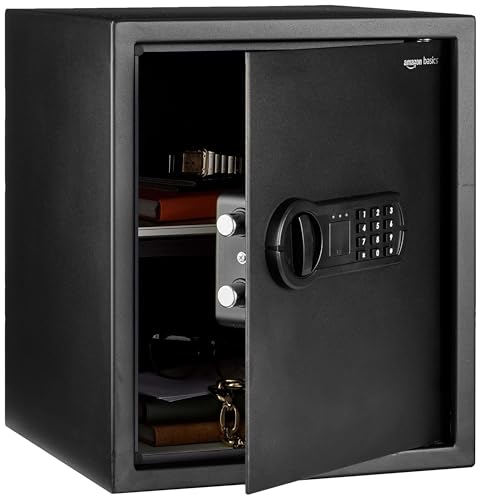
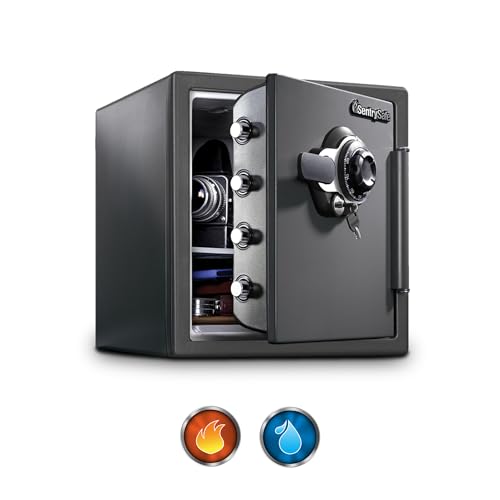
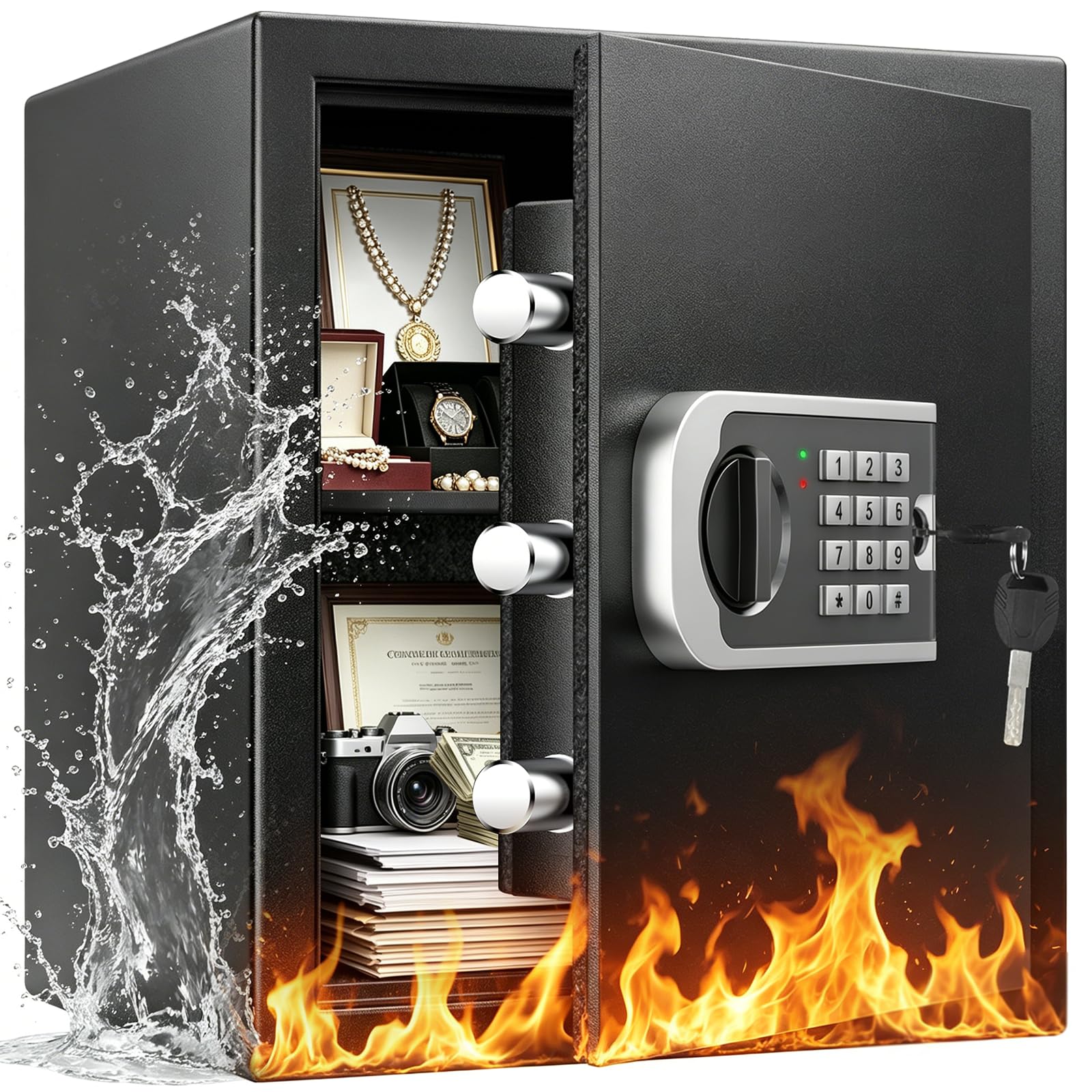
Use the product table below to scan real options side by side, then read on for sizing, lock, and rating guidance. If you are still deciding whether you need a safe at all, our overview of the best home safe choices covers the wider category.



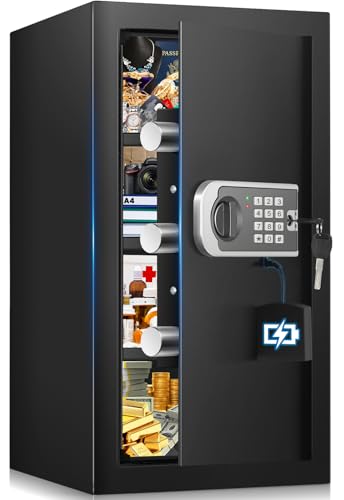
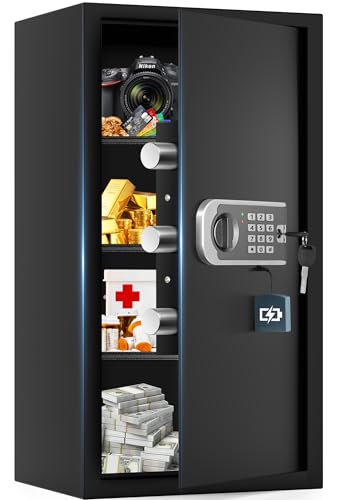
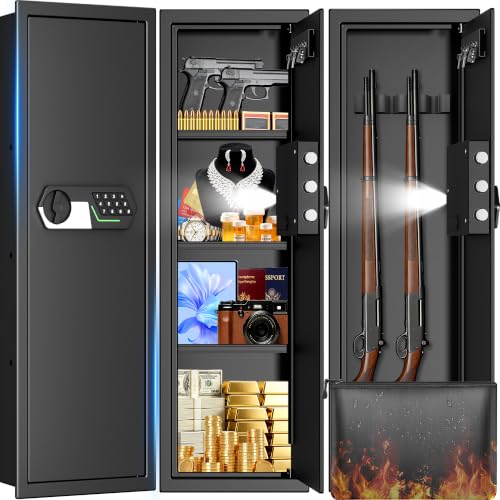
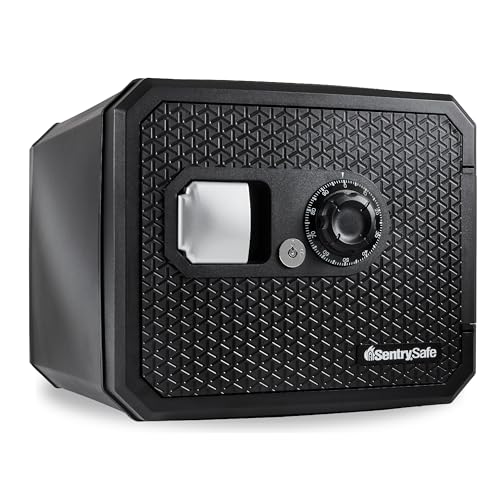
Bolt Down Safe Types Compared
Bolt down safes fall into a few broad types, and the right one depends on what you store and where the safe will sit. The sections below compare types and criteria rather than naming specific models, so you can match the format to your space with confidence.
Floor safes that anchor through the base
The most common bolt down design is a standard box safe with holes in its base. You set it on the floor, mark the hole positions, drill into concrete or through wood into a joist, and fasten it with lag bolts or concrete anchors. This type suits documents, cash, and mixed valuables in a closet, garage, or office corner with a solid floor.
Wall and in floor safes
Wall safes sit between studs and screw into the framing, while in floor safes set into a concrete slab and gain protection from the concrete around them. Both hide well, which adds security beyond the lock itself. Storage space is limited, though, and in floor models need professional cutting if your slab was not prepared for one.
Compact safes for small storage needs
A compact safe bolts down just as securely as a large one, and its small footprint makes it easier to hide inside a wardrobe or cabinet. If your list is passports, spare keys, and a small amount of cash, look at the best small home safe options and confirm the model has base holes and included hardware.
How to Choose the Right Bolt Down Home Safe
Size and interior layout
Measure what you plan to store before you shop, then add room for future items, since most owners outgrow a safe that fits today and nothing more. Capacity is listed in cubic feet, and common home sizes run from about 0.5 to 2 cubic feet. Check the interior height as well as total volume, because a binder or a jewelry case may not fit even when the volume sounds generous. Adjustable shelves help you split the space between flat documents and bulkier items.
Anchor points and mounting hardware
This is the feature that defines the category, so look past marketing words and check the details. Good designs offer at least two anchor points, and four is better because the safe resists rocking and prying from any corner. Holes should pass through the steel base rather than thin tabs. Check whether bolts or concrete anchors are included, and note the bolt diameter the holes accept, since thicker hardware holds far more firmly. Concrete anchoring resists removal far better than screws into a wood subfloor alone, so plan the location around your strongest floor.
Lock types and backup entry
Electronic keypads are the most popular choice because they open fast and let you change the code without a locksmith. Biometric fingerprint locks open faster still, but cost more and can struggle with wet or dirty fingers. Dial combination locks need no batteries and last for decades, though they are slower to open. Whichever lock you choose, confirm there is a backup entry method, usually a key, and store that key outside the safe.
Fire and water protection
Anchoring stops theft, but fire is the other risk most owners want covered. Fire ratings describe how long the interior stays below a set temperature, commonly 30 to 60 minutes, and ratings certified by an independent body carry more weight than unverified claims. Water resistance matters if the safe sits in a basement that could flood. If fire protection is your top priority, compare the dedicated options in our guide to the best fireproof home safe models first.
Steel construction and door design
Thicker steel slows down cutting and prying, and door construction matters as much as the walls. Look for solid locking bolts that extend into the frame on more than one side, and a door that sits flush so a pry bar cannot gain a gap. Weight is a useful clue here, since a heavier safe of the same size usually carries more steel, although weight alone never replaces anchoring.
How much should you spend?
Basic compact safes with a keypad and two anchor points sell for about $60 to $120. Mid range models with better steel, a fire rating, and four anchor points run about $150 to $350. Large safes with long fire ratings and heavy doors cost about $400 to $900. Spending more mainly buys steel thickness, certified protection, and capacity, so pay for the risks you actually face.
Who Should Buy a Bolt Down Home Safe?
Renters and apartment dwellers with landlord permission
If you rent, a small safe you cannot anchor is easy for a burglar to carry away, so bolting down adds real protection. Get written permission first, because drilling into a floor can affect your deposit. A closet floor over a joist often works well, and smaller holes are easier to repair when you move out.
Owners storing jewelry and heirlooms
Jewelry is small, valuable, and easy to fence, which makes it a prime target in a quick break in. An anchored safe with a lined interior and small compartments keeps pieces separated and protected from scratches. For storage ideas focused on the pieces themselves, see our guide to the best home safe for jewelry.
Home office users with documents and drives
Tax records, property deeds, and backup drives are hard to replace even when they have little resale value. A bolt down safe with a fire rating protects them from both theft and fire. Choose an interior that fits folders flat, since bending documents to fit a small safe gets old quickly.
Bolt Down vs Other Home Safes: Pros and Cons
The case for bolting down is simple. A burglar working against the clock wants items that are easy to grab, and a safe fixed to concrete or framing cannot be grabbed at all. Anchoring also stops the safe from tipping when the door is open and loaded. The trade offs are real, though. Installation takes tools and time, the safe becomes hard to move later, and drilling is not always allowed in rentals or possible in every floor type.
Compared with a heavy safe that relies on weight alone, a bolted lighter safe often wins, because weight only slows a thief with a hand truck while anchors defeat one outright. Compared with a hidden wall safe, a bolted floor safe holds more but is easier to spot, so many owners bolt the safe down inside a closet where it stays out of sight.
How to Bolt Down a Home Safe
- Choose a spot with a solid floor, ideally concrete, and enough room for the door to swing fully open.
- Set the safe in place, open it, and mark the floor through the anchor holes in the base.
- Move the safe aside and drill the marked points to the depth your hardware requires.
- Clear dust from the holes, set the safe back in place, and drive the bolts or anchors through the base into the floor.
- Tighten each bolt firmly in turn, then tug the safe from several angles to confirm it does not rock or shift.
Our step by step walkthrough on how to install a home safe covers tricky floors and hardware choices in more depth if your situation is unusual. Always check for pipes and wiring before you drill, and stop if you are unsure what sits below the surface.
Common Mistakes to Avoid
- Bolting into a wood subfloor only, which lets a determined thief pry the whole safe loose with the floorboards flexing.
- Using only two anchor points when the base has four holes, leaving corners free to rock and work the bolts loose.
- Placing the safe where everyone can see it, since anchoring helps most when a burglar does not find the safe quickly.
- Skipping the fire rating because theft feels like the main risk, even though house fires are far more common than break ins.
- Storing the backup key inside the safe or in the same room, which defeats the point of having a backup.
- Forgetting to check local rules and insurance terms, since some policies set requirements for how a safe must be anchored.
Care and Maintenance
Twice a year, open the safe and check each anchor bolt for tightness, since small vibrations can loosen hardware slowly over time. Replace keypad batteries on the same schedule rather than waiting for a low battery warning at a bad moment. Wipe the door seal with a dry cloth so it keeps its shape, and keep the interior dry with a small moisture absorber if your room runs humid. Finally, change your code after anyone outside the household has had access.
FAQ
What is the best bolt down home safe for most households?
For most households it is a mid size keypad safe with at least four base anchor points, steel locking bolts on two sides of the door, and a certified fire rating of 30 minutes or more. That mix covers theft, fire, and daily convenience without paying for capacity you will never fill. Match the interior to your largest item first, then check that your floor can take the anchors.
Are bolt down home safes worth it?
Yes, for almost any safe light enough for one or two people to lift, which covers most home models. Anchoring costs little beyond an hour of work and basic hardware, and it removes the easiest theft method entirely. The main exception is a very heavy safe of several hundred pounds, where weight alone already discourages removal.
How long does a home safe last?
A steel safe body can serve for 25 years or more, because little wears out beyond the lock and the door seal. Electronic keypads are usually the first part to fail, often after about 10 to 15 years of daily use, and many can be replaced without replacing the safe. Keep the original paperwork, since it lists the lock type and serial number a locksmith will ask for.
How do you clean a home safe?
Wipe the outside with a soft cloth dampened with water and a drop of mild soap, then dry it fully so no moisture sits on the steel. Vacuum the interior with a brush attachment and leave the door open for an hour to air it out. Skip harsh sprays inside, because residue can transfer to documents and jewelry stored against the walls.
Can you bolt down a home safe on a second floor?
Often yes, but the anchor must bite into a joist rather than only the floorboards, and you should confirm the floor can carry the loaded weight near a wall, where joists are best supported. A compact safe is usually the safer choice upstairs. If you rent, get permission in writing first, since upstairs drilling can affect the ceiling of the unit below.
Will bolting down a safe damage my floor?
It leaves holes where the anchors pass through, and that damage is permanent in concrete and usually repairable in wood. Carpet hides the holes well because the safe compresses the pile around them. If resale worries you, place the safe in a closet, where patched holes attract the least attention.
Final Thoughts
Anchoring turns a portable box into a fixed obstacle, and that single step does more for real world security than most lock upgrades. Choose the size that fits your largest item, demand at least four anchor points, and match the fire rating to the risks in your area. Compare your shortlist against the product table near the top, and you will land on the best bolt down home safe for your home without overspending on features you will never use.