
Best Carbon All Mountain Bike by Budget: Smart Picks for 2026
Disclosure: We may earn a commission when you buy through links on this page, at no extra cost to you. As an Amazon Associate I earn from qualifying purchases. Learn more

Compare the best carbon all mountain bike at every price point. Learn what you get at budget, midrange, and premium levels and where spending more pays off.
Carbon all mountain bikes span an enormous price range, from around $2,000 to well past $8,000, and the price gap is not just about the frame material. Suspension quality, brakes, wheels, and the drivetrain all change as you climb tiers, and some upgrades transform the ride while others only trim grams. This guide explains what your money actually buys at each level, so you can place the best carbon all mountain bike for your trails and your wallet without overspending on parts you will never notice.
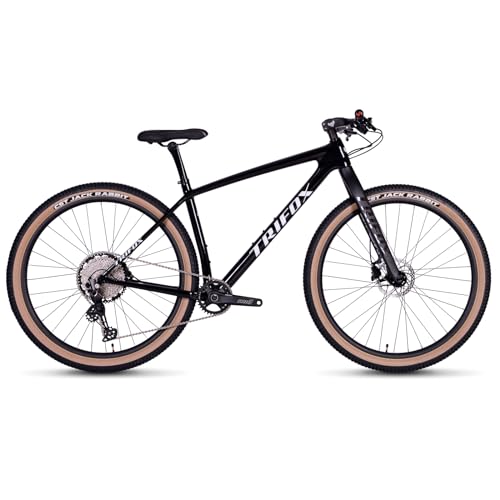
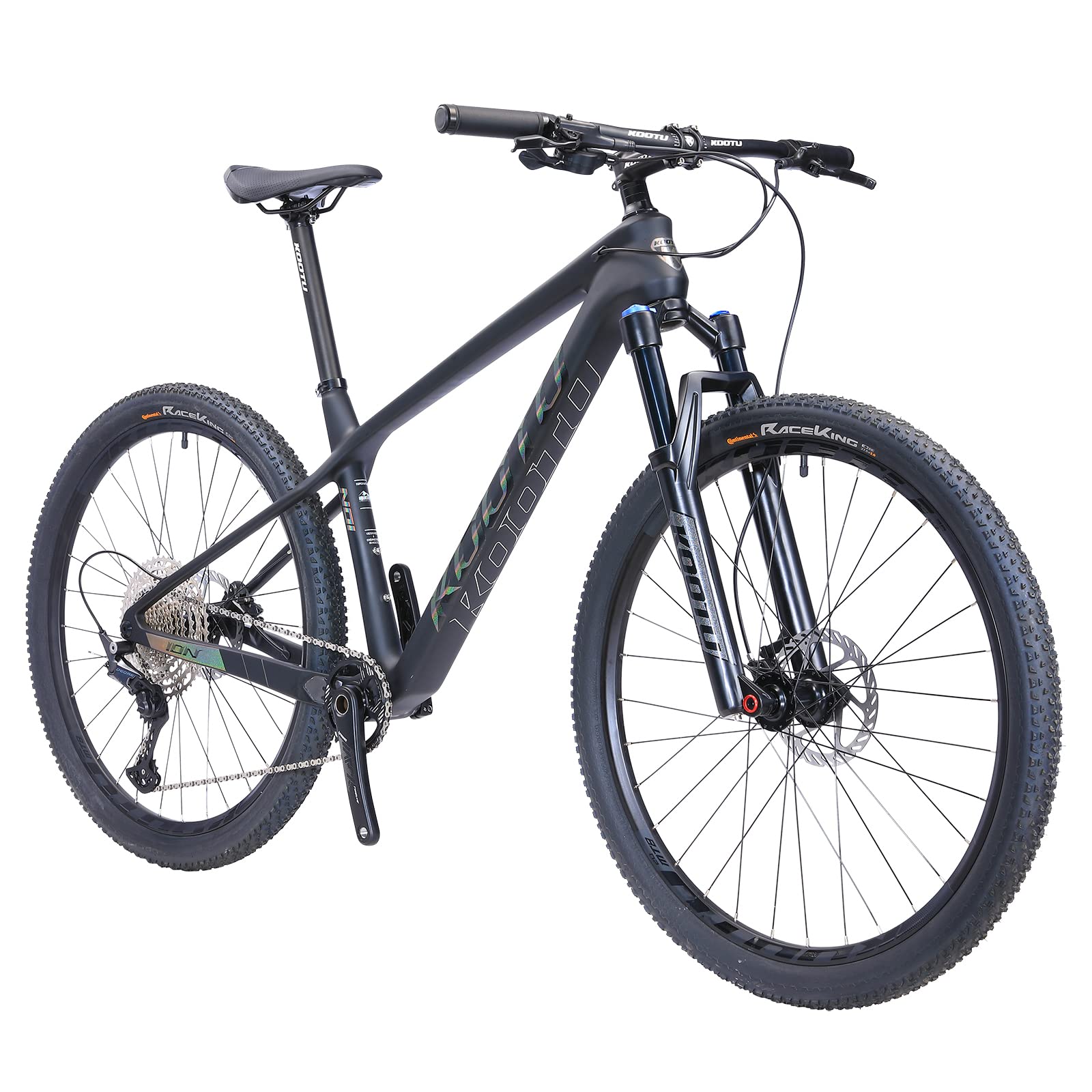
Start with the comparison table below to see how current models spread across the tiers. Then use the sections that follow to decide which tier matches your terrain, your riding frequency, and how long you plan to keep the bike.
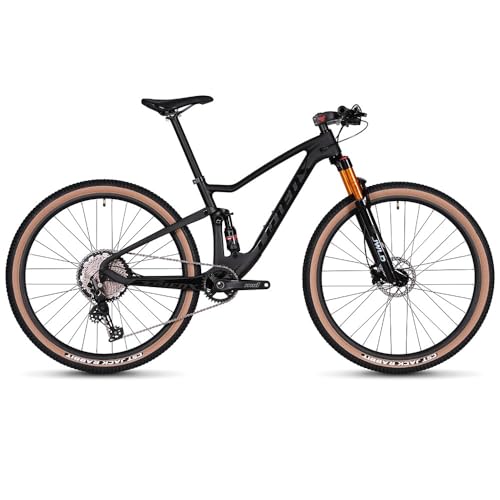

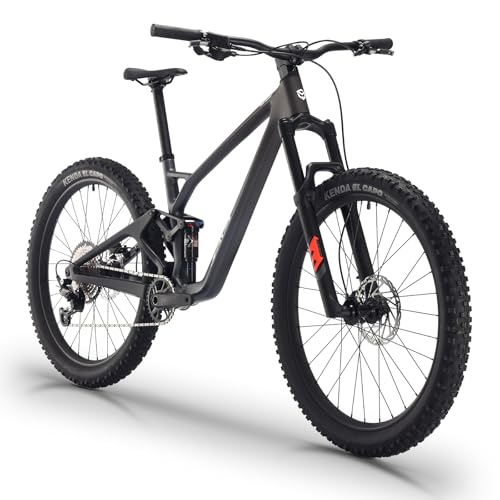
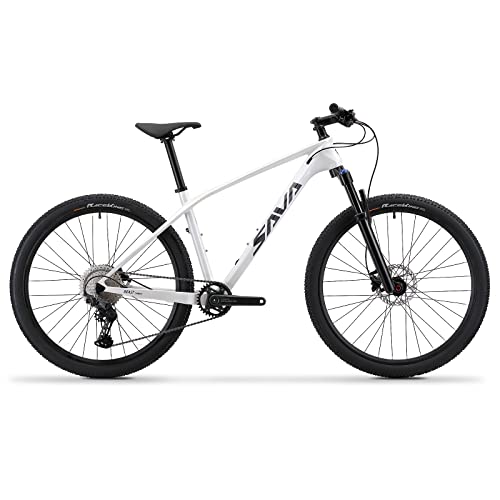
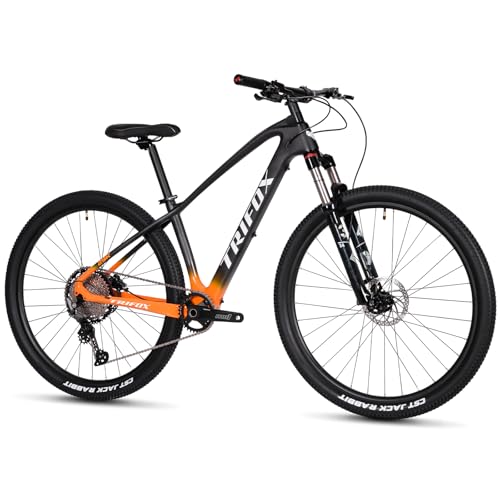
How to Set Your Budget Before You Shop
Budget Shoppers: Protect the Frame and Brakes
If your ceiling sits near the entry tier, spend on the carbon frame and hydraulic disc brakes first, because those two shape every ride and are the costliest to change later. Accept a heavier wheelset and a simpler drivetrain, since wheels and cassettes are wear items you can upgrade as they wear out. A sensible budget build still gives you modern geometry and a dropper post on many models. What you should not accept at any price is a fork with no rebound adjustment, because an uncontrolled fork makes rough descents tiring and sketchy.
Midrange Shoppers: Buy Suspension Quality
In the middle of the market, your extra money should go to the fork and shock before anything cosmetic. Better dampers track rough ground, hold a line through rock gardens, and leave your hands fresher on long descents. This tier is also where tubeless ready wheels and four piston brakes become common, both of which pay off every ride. If you ride twice a week or more, the midrange tier usually delivers the lowest cost per ride over the life of the bike, because parts last longer and need less adjustment.
Premium Shoppers: Pay for Weight and Refinement
At the premium end you are buying lighter carbon wheels, electronic or top tier mechanical shifting, and suspension with separate high speed and low speed compression adjustment. These upgrades are real but incremental, shaving effort on long climbs and adding control at race pace. Premium makes sense if you ride demanding terrain several days a week, compete, or simply keep bikes for many years. If your trails are mellow, the same money often serves you better as a midrange bike plus a skills clinic, better tires, and a travel fund.
What Your Money Gets You at Each Price Tier
Budget Tier: What to Expect
Around $2,000 to $3,500, expect a sound carbon front triangle or full carbon frame with an aluminum rear end on some models, air suspension with basic damping adjustment, and a reliable 12 speed drivetrain from a single maker. Wheels are usually aluminum and somewhat heavy, and tires may need upgrading sooner than you would like. The ride is genuinely capable on most trails. The trade offs are weight, suspension suppleness on repeated hits, and more frequent tuning to keep shifting crisp.
Midrange Tier: The Sweet Spot for Most Buyers
Around $3,500 to $5,500, you typically get a full carbon frame, well damped suspension with more adjustment, four piston hydraulic brakes, and tubeless wheels that are worth keeping for years. Complete bike weight drops noticeably, which you feel most on climbs and when lifting the bike onto a rack. For riders exploring the component side of this tier, our guide to the best carbon mountain bike wheels explains when carbon hoops are worth their price. Most riders who shop carefully in this tier never feel pushed to upgrade.
Premium Tier: When Spending More Pays Off
Above about $5,500, gains come from carbon wheels, lighter cranks and cockpit parts, top level suspension, and sometimes electronic shifting. The bike accelerates faster, changes direction with less effort, and holds speed through rough sections with less feedback to your hands. Spending more pays off when your terrain is steep and technical, your rides run long, or you value a quiet, refined feel. It pays off least for occasional riders, because the difference between good and excellent suspension only shows up when the trail gets demanding.
Features Worth Paying For (and Ones to Skip)
Bike Type and Riding Style
All mountain sits between trail and enduro: enough travel, usually about 140 to 160 mm, to descend rough terrain, yet light and efficient enough to climb all day. If your riding is mostly smooth cross country miles, a shorter travel trail bike will feel faster and cost less. If you mostly ride bike parks and shuttle days, an enduro bike with more travel suits you better. Be honest about your typical ride, not your most extreme day, because the bike you buy serves the typical day far more often.
Sizing and Fit
Fit decides comfort and control more than any component. Use the maker size chart with your height and inseam, then check reach and standover height against your body. Riders between sizes usually size down for playful handling or up for stability at speed. A carbon frame cannot be bent or adjusted later, so a test ride or a shop fit session is money well spent. Cockpit changes are cheap by comparison, and our guide to the best carbon mountain bike handlebars covers width and rise choices once the frame size is right.
Brakes (Hydraulic vs Mechanical Disc)
Hydraulic disc brakes are the clear standard at this level, giving strong, one finger stopping with far less hand effort and better control in wet conditions. Four piston calipers add power and heat capacity for long descents, and larger rotors help heavier riders. Mechanical disc brakes appear only on the cheapest builds and feel vague by comparison, so treat them as a sign to look elsewhere. Budget for quality brake pads and a brake bleed about once a year to keep the feel consistent.
Wheel Size and Tires
Most all mountain bikes now run 29 inch wheels for rollover and momentum, while some models mix a 29 inch front with a 27.5 inch rear for quicker turning. Smaller riders may prefer full 27.5 inch setups for easier handling. Tubeless tires are a genuine upgrade, letting you run lower pressure for grip without pinch flats, and they seal small punctures on the trail. Tire tread matters more than wheel material for most riders, so match the tread to your soil, and consider how a lighter build compares with the options in our guide to the best hardtail carbon mountain bike if your trails are smooth.
Long Term Costs to Factor In
The purchase price is only the start. Plan for a helmet, a shock pump, tubeless sealant, and a basic tool kit in the first month, often around $150 to $300 total. Suspension needs service at intervals the maker specifies, commonly every 50 to 200 riding hours for lower leg and air can work, and chains, cassettes, brake pads, and tires wear out on a predictable cycle. Carbon frames also deserve a careful look after any hard crash, since impact damage can hide under paint. A warranty that covers the frame for many years, plus a local shop that stocks parts, lowers the true cost of ownership more than a small discount at checkout. Riders comparing frame materials across categories may also find our guide to the best carbon fiber mountain bike useful background.
Frequently Asked Questions
How much should I spend on my first bike?
Spend enough to get safe brakes, an air fork with rebound control, and a frame that fits, which usually means the upper budget tier or the lower midrange tier for carbon. First time buyers who ride weekly tend to outgrow the cheapest builds within a season, which makes a slightly higher starting point cheaper in the end. Reserve part of the budget for a helmet, pedals, and a fit check rather than putting every dollar into the bike itself.
Hardtail or full suspension for beginners?
Full suspension suits the all mountain purpose better, because rear suspension keeps the wheel tracking rough ground and forgives line choices while you learn. A hardtail costs less, weighs less, and teaches smooth technique, and it shines on mellow trails. Beginners with rocky, root filled local trails usually progress faster and ride more often on full suspension, simply because it hurts less and inspires confidence. If budget forces a choice, buy the better fork before the rear shock.
What size bike do I need?
Start with the maker size chart, which pairs height ranges with frame sizes, then confirm with reach and standover numbers. As a rough guide, riders around 5 ft 6 in to 5 ft 10 in often land on a medium, but proportions vary enough that the chart for your exact model rules. If you fall between sizes, choose based on riding style: smaller for agility, larger for stability. A short parking lot ride reveals more than any chart, so test when you can.
How much suspension travel does an all mountain bike need?
Most all mountain bikes use roughly 140 to 160 mm of travel. That is enough to soak up rough descents while still pedaling well on long climbs. Less travel suits smoother trails and more travel suits steeper, rougher terrain.
Is a carbon frame worth it on an all mountain bike?
Carbon can make the frame lighter and stiffer, which helps on long climbs and in technical corners. The benefit depends on frame quality and fit, so judge the build, warranty and geometry together instead of the material alone. A well fitted aluminum bike can still beat a poorly fitted carbon one.
Wrapping Up
Set the budget by your terrain and riding frequency, protect the frame, brakes, and suspension quality in that order, and let fit make the final call. Most riders land happily in the midrange tier, where the ride feels close to premium for far less money. Compare the models in the product table above against your tier, and you will choose the best carbon all mountain bike for your trails with no wasted dollars.


