Best Car Speakers for Music 2026: A Clear Beginner Buying Guide
Disclosure: We may earn a commission when you buy through links on this page, at no extra cost to you. As an Amazon Associate I earn from qualifying purchases. Learn more

New to car audio? This plain guide explains the specs, mistakes and first steps behind the best car speakers for music, from fit to sensitivity.
Buying car speakers for the first time feels harder than it should. Boxes shout watt numbers, sizes come in fractions, and every listing claims to be an upgrade. This guide slows the process down and explains the best car speakers for music in plain language, one decision at a time.
You will learn what the parts are called, which specs deserve your attention, and which ones are mostly marketing. Then you will see the rookie mistakes that waste money, the first steps after the box arrives, and answers to the questions new buyers ask most.





Why Fit Comes Before Sound
By the end, the comparison table below will read like a short menu instead of a puzzle. Keep your vehicle year and trim handy as you read, because fit is the first decision and the easiest one to get right.
Car Speakers 101: The Basics
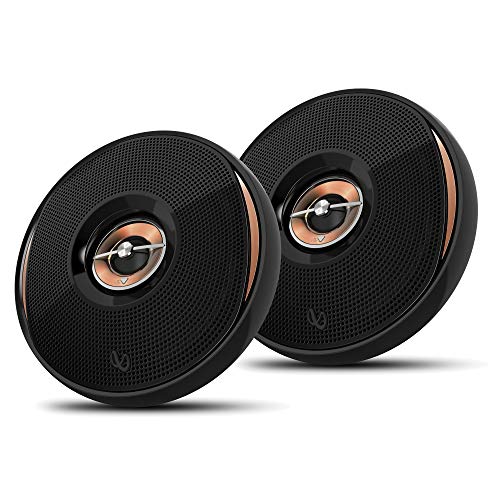
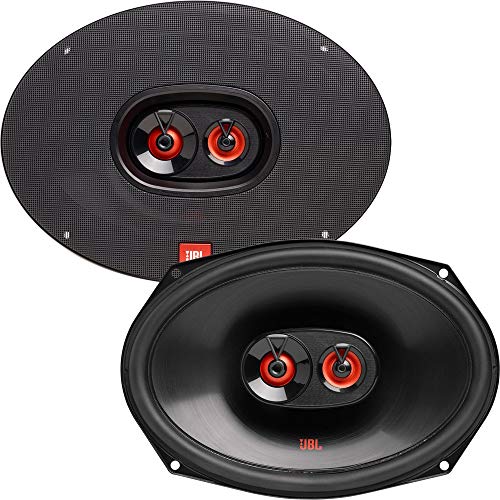
A car speaker turns an electrical signal into moving air. The round woofer handles bass and voices, while the smaller tweeter handles high notes such as cymbals and the sparkle on a vocal. In a coaxial speaker both parts share one round housing, which keeps fitting simple. In a component set the tweeter lives separately, usually near the mirror or on the dash, which places high notes closer to your ears.
Your head unit, the radio in the dash, sends power to the speakers. Factory radios send modest power, often around 15 to 25 watts per channel in real terms. That single fact explains many buying mistakes: a speaker built for a strong amplifier can sound quiet and dull on a factory radio, while a sensitive speaker designed for low power sounds lively on the same radio. Matching the speaker to your power source matters more than any brand name.
Music taste shapes the right choice as well. Guitar driven listeners can start with our guide to the best car speakers for rock music, while fans of heavier styles may prefer the guide to the best car speakers for metal music. Bass focused listeners should see the guide to the best car speakers for rap music, and anyone who plays music loudly will learn from the guide to the best car speakers for loud music. Classical fans have their own priorities, covered in the guide to the best car speakers for classical music.
Key Specs Explained in Plain English
Five ideas cover nearly every buying decision you will make. Learn these and the specification sheet stops being intimidating.
Features That Matter for Music
For everyday music listening, balance beats extremes. You want a woofer that keeps bass tidy, a mid range that lets voices sound human, and a tweeter that adds detail without sting. Silk or soft dome tweeters tend to sound gentle, while metal domes can sound brighter. Neither is automatically better; your taste and your cabin decide. A speaker that does everything evenly will please you across genres far longer than one tuned to impress in a thirty second demo.
Vehicle Compatibility
Compatibility simply means the speaker fits your car and works with its wiring. Note your year, make, model, and trim, then find your factory speaker size, often 6.5 inch in doors. Depth matters too, because a deep magnet can meet the window glass inside the door. Impedance, measured in ohms, should match what your radio or factory amplifier expects, commonly 4 ohm for replacements. Fitment tools on seller sites help, but one photo of your current speaker confirms more than any chart.
Build Quality and Weather Resistance
Doors collect moisture, heat, and vibration, so materials decide lifespan. Rubber surrounds flex for years, while foam surrounds can crumble in hot climates. Polypropylene and treated paper cones resist humidity well. A firm basket and tidy terminals are good signs of care in construction. If your car parks outside year round, treat weather resistance as a core feature rather than a bonus, because a speaker that fails in two summers was never a bargain.
Safety Features
Speaker fitting is low risk when you follow two habits. First, disconnect the battery before wiring audio, so a slipped tool cannot short a circuit. Second, respect polarity: each speaker has a positive and a negative terminal, and wiring one speaker backwards robs the system of bass. Thinking of that check as your reverse polarity protection step takes ten seconds and saves real disappointment. Use insulated connectors, keep wires away from sharp door edges, and never pinch a wire under a mounting screw.
Performance Specs
Two numbers do most of the work. RMS watts describe the power a speaker can handle continuously, and this is the figure to match with your radio or amplifier. Peak watts describe a brief burst and are often exaggerated, so treat giant peak claims as decoration. Sensitivity, written in decibels, tells you how loud a speaker plays with one watt: higher is louder on weak radios. Around 90 dB or above suits factory power well. Frequency response shows the range from low to high notes, though real world bass in a door always falls short of the printed promise.
Rookie Mistakes to Avoid
- Buying by peak watts: a huge peak number says almost nothing, so compare RMS ratings and sensitivity instead.
- Skipping the fit check: the right size on the box can still fail on depth, so verify both before ordering.
- Mismatching power: amplifier hungry speakers on a factory radio sound quiet, while delicate speakers on a big amplifier risk damage.
- Replacing one pair and judging instantly: mixed old and new speakers sound uneven, so judge the system after the full swap and a few days of listening.
- Cranking the bass control: heavy bass boost from the radio distorts quickly, so set tone controls near flat and let speaker choice do the work.
Getting Started: Setup and First Use
Start by reading the manual for both your car and the speakers, and check your manual for the factory speaker specs before touching a door panel. Lay out the harness adapters, mounting rings, and screws so nothing is missing. Work on one door at a time, keeping the other side as a reference for wire colors and clip positions. Photograph each step with your phone; those pictures are the best repair guide you will ever own.
After fitting, test at low volume first and confirm every speaker plays and the balance control moves sound the correct way. Play familiar songs at moderate volume for the first few hours while surrounds loosen. Then set tone controls to flat, adjust slowly, and live with each change for a day. Small, patient adjustments teach you what your system actually needs, which is usually less than you first think.
Car Speakers: Your Questions Answered
What features matter most in car speakers for music?
Balance matters most: tidy bass, natural voices, and gentle detail up top. A speaker that flatters every genre will serve you longer than one built around a single trick. Also weigh the tweeter material against your taste, because you will hear that choice on every song. If friends ride with you often, even sound between front and rear seats matters more than a small gain in front seat sparkle.
What specs matter most for music car speakers?
RMS watts and sensitivity matter most, followed by correct size and impedance. Match RMS to your power source, choose sensitivity around 90 dB or higher for a factory radio, and confirm the fit numbers twice. One more figure worth a glance is the frequency response range, not for the printed bass claim, but to spot speakers that give up very early in the low notes and will always need help.
Do I need professional installation for music car speakers?
Many first time buyers fit coaxial speakers themselves with a harness adapter and basic trim tools. The job is mostly patience: clips, screws, and gentle prying. Choose a professional if your car has a factory amplifier, door airbags, or if you want component tweeters mounted in new locations. There is no shame in paying for the amplifier wiring later while learning on the simple speaker swap now.
Will car speakers for music fit my vehicle?
They will if size, depth, and impedance match your car. Use a fitment guide for your exact trim, then confirm depth by measuring the factory speaker or checking the space behind it. Some models need a slim spacer ring, which sellers often bundle. Ordering that ring with the speakers costs little and prevents the classic problem of a fitted speaker that the window can no longer pass.
How long do car speakers for music last?
A decent set usually lasts five to ten years. Heat and moisture inside doors age surrounds and cones, and constant distortion from an overdriven radio wears voice coils. Rubber surrounds and synthetic cones age the slowest. Keep volume clean rather than extreme, and your speakers will likely outlast your interest in the car itself. A sudden buzz at one note usually means a loose mount, which is a five minute fix.
Final Thoughts on Car Speakers for Music
Keep the order simple: confirm the fit, match RMS power and sensitivity to your radio, then choose materials that suit your climate and taste. The comparison table above can now do the narrowing for you. Choose calmly, fit carefully, and the best car speakers for music for your car will make every ordinary drive sound better. Compare the best car speakers for music in the table above one last time before you order.