Best Car Stereo Speakers 2026: A Buying Guide
Disclosure: We may earn a commission when you buy through links on this page, at no extra cost to you. As an Amazon Associate I earn from qualifying purchases. Learn more

Upgrade factory sound by matching size, sensitivity and fit to your radio. This guide explains the best car stereo speakers for most cars.
The speakers decide how a car stereo sounds more than the radio does. A good head unit feeding thin factory cones still sounds thin, while a modest radio driving efficient replacements can sound surprisingly full. The best car stereo speakers give you clearer voices, tighter bass and smoother highs without a complicated install, and the product table above collects options for common sizes.
This guide shows how to match speakers to the stereo you already have, how front and rear speakers share the work, and which choices are worth paying for.







How a Car Stereo Uses Its Speakers
Most cars have four to six speaker locations: two in the front doors, two in the rear doors or on the rear deck, and sometimes small dash or tweeter positions. The front pair carries the stereo image and most of the detail you hear from the driver seat. The rear pair adds fill for passengers and depth to the overall sound.
Each location often uses a different size, so a single order rarely covers the whole car. Plan the upgrade by location, starting with the front doors where the gain is greatest.
Coaxial, Component and Rear Fill Speakers
Coaxial Speakers
A coaxial speaker combines the woofer and tweeter in one housing. It fits the factory opening, keeps the wiring simple and runs happily on radio power. It is the right choice for most stock stereos.
Component Speakers
Component sets use a separate tweeter and an outboard crossover. They give a wider soundstage because the tweeter can be mounted higher, and they reward an amplifier. If your stereo has preamp outputs or you plan to add power, they are worth considering for the front doors.
Rear Deck and Door Fill Speakers
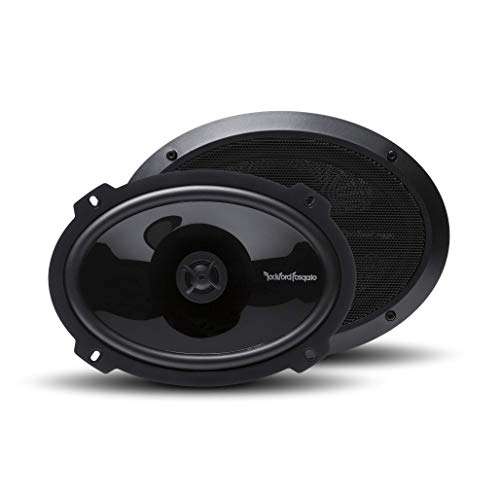
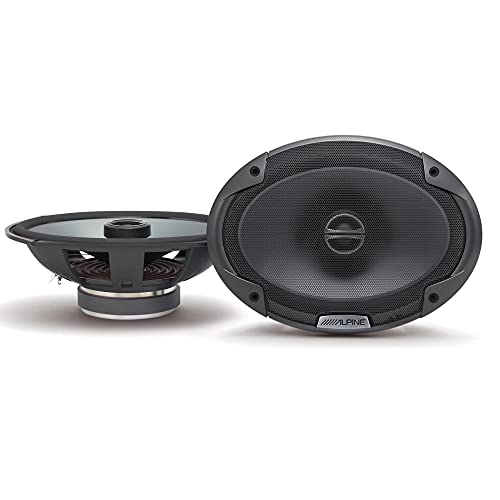
Rear speakers are often oval 6x9 units on a deck or round speakers in the back doors. Larger oval cones add body to the low end. Match them in tone to the front pair so the sound does not feel lopsided, and do not spend more on the rear than on the front.
What to Check Before You Buy
- Size and mounting depth for every location you plan to change.
- Sensitivity, which tells you how loud the speaker plays on stereo power.
- RMS range that sits inside what your radio or amplifier delivers.
- Surround and cone materials that survive heat and door moisture.
- Adapter rings and wiring harnesses so you avoid cutting factory wires.
Sensitivity matters most when you keep a factory stereo. An efficient speaker turns a small amount of power into real volume, while a power hungry one stays quiet. Peak watt claims on the box say very little about either case.
Budget Levels in Plain Terms
At the entry level, expect efficient coaxial pairs with polypropylene cones and rubber surrounds. They fix the worst factory flaws, such as muddy voices and crumbling foam, and they suit older cars and work vehicles. In the middle range you find stronger cones, better tweeters and the first useful component sets, which is where most daily drivers get the best return for the money.
Premium speakers add refinement: smoother tweeters, adjustable crossovers and sturdier baskets. They pay off when the stereo can feed them clean power and the doors are sealed, and they are wasted on a failing radio. Decide the tier by the system around the speakers, not by the highest price you can stretch to.
Balancing Front and Rear
A common mistake is to upgrade only one pair and leave a mismatch. New front speakers next to tired rears can sound lopsided, because the rear pair now sounds dull by comparison. If the budget is tight, upgrade the front first and plan the rear within a few months, using speakers with a similar tonal character.
Use the fader sparingly. Moving the balance toward the front keeps the stereo image in front of you, which usually sounds more natural than an even split. If you want more detail on speakers chosen for sound character, the guide to the best sounding car speakers explains how tonal balance is judged.
Adding Bass the Right Way
Door speakers cannot reproduce the deepest notes, and asking them to try causes distortion. A compact powered subwoofer takes over the low octave and lets the door speakers play cleaner. If you plan that step, the guide to the best sub speakers for car covers sizes and enclosures, and the guide to the best car radio speakers helps if you keep a simple radio.
Installation and First Use
Disconnect the battery, remove one door panel at a time and keep the other side as a reference for wiring. Fit the adapter, mount the speaker firmly with foam at the edge, and play a familiar song before closing the panel. Set the tone controls flat for the first week, because new surrounds loosen slightly and the bass often fills in.
If your doors contain airbags, unusual wiring or a factory amplifier, a professional install is the safer choice. A shop can also seal and deaden the doors, which improves the result more than a small step up in speaker price.
Signs It Is Time to Replace Your Speakers
Crackling at moderate volume, a buzz on certain bass notes, one side sounding duller than the other and visibly cracked or crumbling surrounds all point to worn speakers. If the sound improves when you reduce the bass control, the cones are probably flexing too much. Replace them in pairs so the soundstage stays even, and check the wiring and balance settings first in case the fault is not the speaker itself.
Keep the old speakers until you are fully happy, since they are useful for comparison and for returning the car to stock if you sell it.
Frequently Asked Questions
Do new stereo speakers improve factory sound much?
Yes. Replacing the speakers is often the biggest single improvement a factory system can get. Results depend on sensitivity and fit, so choose speakers suited to factory power rather than the largest ones.
What size speakers do I need?
It depends on your car and each location. Check a fit guide for your exact trim or measure the existing speaker and the depth behind it. Front and rear sizes often differ.
Should I add a subwoofer too?
Many drivers are happy without one after a speaker upgrade. If bass still feels thin, a compact powered subwoofer is the clean next step.
Can I fit speakers myself?
Many coaxial swaps are straightforward with basic tools and the right harness. Component fitting and complex door panels need more care, so consider a shop if you are unsure.
Why do new speakers sound harsh?
Harshness often comes from extreme treble settings, a tweeter aimed badly or a bright speaker voicing. Reset the tone controls to flat, give the speakers several days of normal use and adjust slowly.
Final Thoughts on Car Stereo Speakers
Good stereo speakers are efficient, correctly sized and installed with care. Start with the front doors, match the rear to them, and compare options in the table above.
Choose the best car stereo speakers for your radio and your doors rather than for the biggest numbers on the box, and every drive will sound richer than it did with the factory set. Compare the best car stereo speakers in the table above one last time before you order.