Best Car Speakers for Loud Music 2026: A Checklist for Clean Volume
Disclosure: We may earn a commission when you buy through links on this page, at no extra cost to you. As an Amazon Associate I earn from qualifying purchases. Learn more

Loud and clean takes sensitivity, matched RMS power and a solid fit. Use this guide to choose the best car speakers for loud music with confidence.
Loud is easy. Loud and clean is the hard part, because weak speakers distort, rattle, and strain long before they reach the volume you want. This checklist shows you how to judge the best car speakers for loud music by measurable criteria instead of box art claims.
Work through the evaluation points below in order: clean output, honest power numbers, correct fit, and safe wiring. By the end you will know which tier in the comparison table below fits your car and your listening habits.



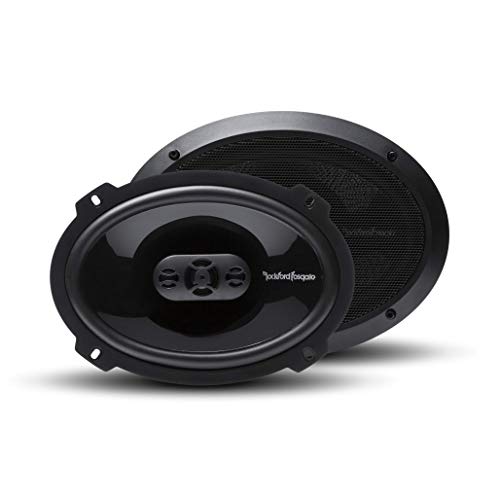


How to Evaluate Car Speakers
Think of this section as a scoring sheet. A speaker that passes most of these checks will play loudly without falling apart in sound quality, while one that fails the power or fit checks rarely improves with settings alone. The best car speakers for loud music pass all seven checks below, not just the impressive sounding ones.
Features That Matter for Loud Music
Volume without distortion starts with sensitivity and cone control. Sensitivity near or above 92 dB means the speaker turns each watt into more sound, so it reaches your target level with less strain. A stiff cone and a strong surround keep the driver composed when passages get busy. Tweeters with real output capability matter too, because quiet tweeters force you to raise overall volume just to hear detail, which punishes the woofers.
Vehicle Compatibility
Confirm size, mounting depth, and impedance for your exact year, make, model, and trim before anything else. Many factory systems use 2 ohm speakers on a matched amplifier, and swapping in 4 ohm speakers can lower maximum volume, the opposite of your goal. Check whether your doors use separate tweeters and whether a factory amplifier limits what you can change. A fitment guide plus one photo of your current speaker prevents most ordering mistakes.
Features and Extras
Extras that help loud playback include outboard crossovers that protect tweeters, aimable tweeter mounts, and grilles that do not block output. Amplifier ready terminals and clear polarity markings speed up a tidy install. Skip decorative lighting and novelty features, since they add cost without adding clean volume. If you listen across rooms as well as in the car, our guide to the best speakers for loud music shows how the same output ideas apply at home.
Ease of Installation
Coaxial speakers install fastest because woofer and tweeter share one housing and one connection. Component sets take longer but reward you with better imaging and crossovers that handle power more gracefully. Plug and play harness adapters keep factory wiring intact and make the job reversible. Budget time for door panel clips, which break easily, and order spares with your speakers so a small plastic part does not stall the whole project.
Warranty and Brand Support
Loud use stresses surrounds and voice coils, so warranty length is a real signal. One year is a minimum and two years is better, especially when the maker publishes honest RMS data and reachable support. Keep proof of purchase from an authorized seller. If a brand hides its specifications behind giant peak numbers and offers almost no support path, treat that as part of the score, not a separate concern.
Safety Features
Protect the system and yourself. Correct polarity on every speaker keeps bass in phase, and treating reverse polarity protection as a final wiring check avoids the thin, weak sound of a swapped lead. Fuse any amplifier power wire near the battery, insulate every joint, and disconnect the battery before wiring audio work. Also protect your hearing: sustained very loud playback can damage hearing, so use high volume in short stretches rather than as a constant setting.
Performance Specs
Judge power by RMS watts, the continuous rating a speaker can handle all day. Peak figures describe brief bursts and are often inflated, so a speaker boasting huge peak numbers with a modest RMS rating is telling you the truth in the smaller print. Match speaker RMS to your amplifier or head unit output, and favor sensitivity when power is limited. A practical pairing is an amplifier that delivers roughly the speaker RMS rating per channel, set with gains kept below clipping.
Three Speaker Profiles That Pass the Checklist
Use the product table above to sort options into these three profiles. Each one passes the checklist for a different budget and a different idea of loud.
Balanced Profile
This profile balances output, clarity, and price for most drivers. Expect component or strong coaxial speakers rated around 60 to 100 watts RMS with sensitivity near 91 dB or higher, priced about $120 to $250 per pair. They play loudly on modest amplifier power and stay composed on dense tracks. The limit is ultimate headroom: listeners who chase extreme volume will still want a subwoofer and more amplifier power behind them.
Value Profile
The value profile proves that loud does not require a large spend. High sensitivity coaxial pairs around $60 to $120 get the most from a factory or basic aftermarket head unit, often sounding far louder than stock at the same volume setting. Materials and crossovers are simpler, so distortion arrives sooner at the top of the range. For daily driving at strong but sane levels, though, this tier passes the checklist with room to spare.
Premium Profile
Premium profiles pair high power handling with refined crossovers and rigid cones, usually about $250 and up per pair. They suit amplified systems where clean output at serious volume is the whole point, and they hold detail when guitars, drums, and vocals stack up. The cost is real, and so is the setup effort. If your source files are low quality, premium speakers will reveal that too, which some listeners find less forgiving.
Quick Buyer Checklist
- Does the speaker fit your exact door size and mounting depth?
- Is the impedance right for your factory or aftermarket amplifier?
- Is sensitivity at least about 90 dB for the power you have?
- Does the RMS rating match your radio or amplifier output?
- Are the cone and surround materials suited to daily loud use?
- Do you have the harness, brackets, and spare door clips ready?
- Is the warranty at least one year from an authorized seller?
- Have you planned a subwoofer if you want deep bass as well as volume?
Red Flags to Watch For
- Giant peak watt claims: if peak numbers dominate the box and RMS is missing, the honest rating is probably low.
- No sensitivity figure: makers of efficient speakers publish this number proudly, so silence here is informative.
- Vague fitment data: listings that promise universal fit without depth figures often cause returns.
- Very short warranty: coverage under one year on speakers meant for loud use signals low confidence.
- Thin, unbranded wiring kits: undersized power wire starves amplifiers and creates heat, so kit quality matters.
Genre shapes these choices too. If your loud listening leans toward guitars, see our guide to the best car speakers for rock music, and for heavier catalogs the guide to the best car speakers for metal music covers the clarity those styles demand at volume.
Tips to Get the Most From Your Car Speaker
Check your manual for the factory speaker specs and amplifier details before you order. Set gains so the system stays clean at the highest volume you actually use, not the highest the knob allows. Add door sound deadening if panels buzz, because rattles steal perceived loudness. Finally, keep a few familiar reference tracks ready after the install, since your ears spot imbalance faster with music you know well. Our guide to the best loud speakers for car offers more output focused context, and the overview of the best speakers for music car setups helps if you are planning a wider system.
FAQs
What features matter most in car speakers for loud music?
High sensitivity and honest RMS handling matter most. Together they decide how loud a speaker plays and how cleanly it stays there. One extra factor is crossover quality: a proper crossover keeps bass out of the tweeter, which removes a common source of harshness at volume. If you must rank features, put sensitivity first on factory power and power handling first on an amplifier.
Do I need professional installation for loud music speakers?
Only sometimes. A coaxial pair with a vehicle specific harness is a realistic home project. Hire a professional when amplifiers, component crossovers, or factory amplified systems enter the picture, or when gain setting feels unfamiliar. A good installer also checks for door rattles and phase problems before handing back the keys, two issues that quietly undo the benefit of loud rated speakers.
How long do loud music car speakers last?
Well matched speakers commonly last five to ten years. The fastest way to shorten that life is clipping, which happens when an underpowered amplifier is pushed past clean output. Rubber surrounds outlast foam in hot cabins. If volume drops on one side or a buzz appears at certain notes, inspect the surround and terminals first, because small mechanical faults often arrive before full failure.
Will loud music car speakers fit my vehicle?
Yes, when size, depth, and impedance all match your car. Measure the factory unit and check the space behind it, since large magnets on high output models need more depth than stock speakers. Some doors need spacer rings or minor trimming of a plastic rain shield. Confirming these details for your trim level in advance is faster than discovering them with the door panel already off.
What specs matter most for loud music car speakers?
Sensitivity, RMS power, and impedance lead the list. Sensitivity tells you output per watt, RMS tells you safe continuous power, and impedance tells you whether your amplifier will deliver its rated output. Frequency response matters less for loudness itself, though a response that falls early in the bass explains a thin sound. Ignore combined system watt claims on packaging, which often add every channel together to inflate the number.
Wrapping Up on Car Speakers for Loud Music
Clean volume comes from sensitivity, matched RMS power, and correct fit, in that order for most cars. Value coaxial pairs satisfy many drivers, while premium component sets reward amplified systems. Compare your finalists in the product table above, run them against the checklist one last time, and you will choose the best car speakers for loud music with confidence.