Best Car Speakers for Metal Music 2026: Buying Guide for Dense Guitar Mixes
Disclosure: We may earn a commission when you buy through links on this page, at no extra cost to you. As an Amazon Associate I earn from qualifying purchases. Learn more

Fast kick drums and layered guitars expose weak speakers. Learn what to check when choosing the best car speakers for metal music, from power to fit.
Metal is one of the hardest genres for a car system to reproduce well. Fast double kick drums, layered distorted guitars, and shouted vocals all compete in the same space, and weak speakers turn that density into mud at volume. This guide to the best car speakers for metal music focuses on the traits that keep heavy music clear and punchy in a noisy cabin. Start with the comparison table below, then use the buying guide sections to match power handling and fit to your car.
You do not need the loudest system on the road. You need speakers that stay composed when the music gets dense, and that starts with honest power ratings and stiff, well controlled cones.


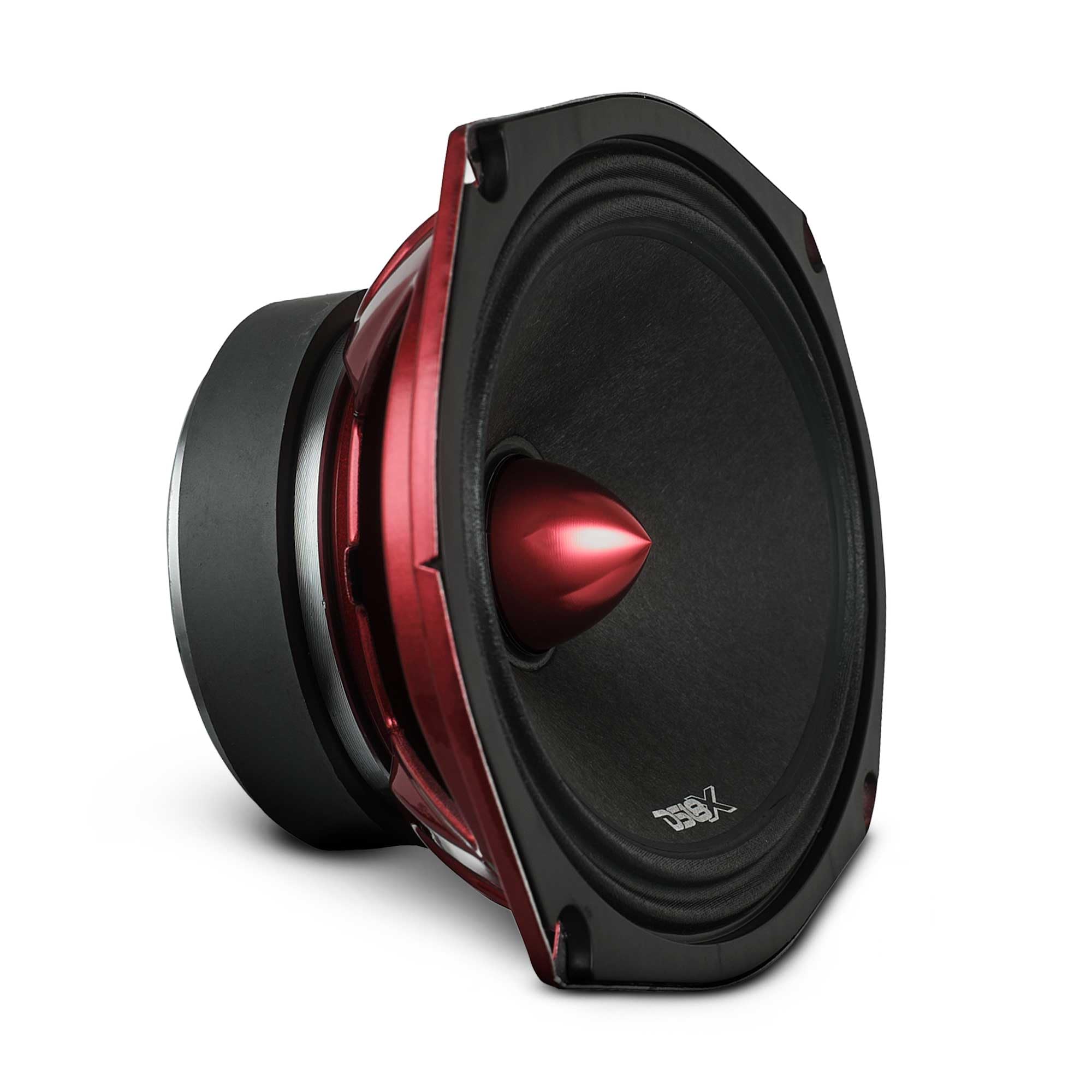
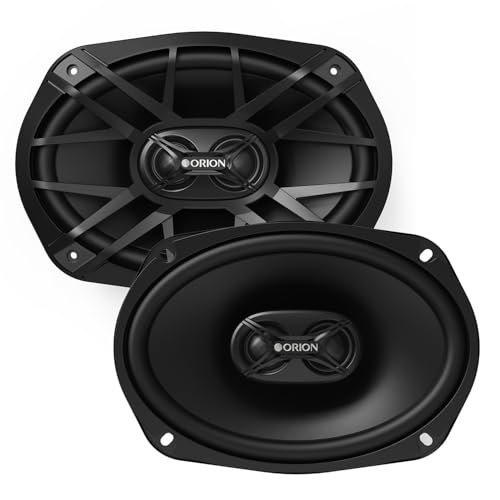
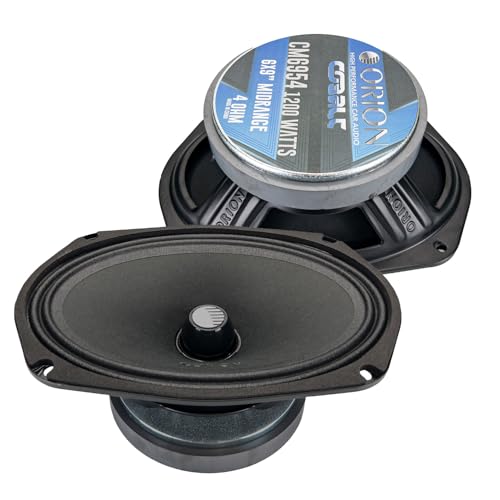
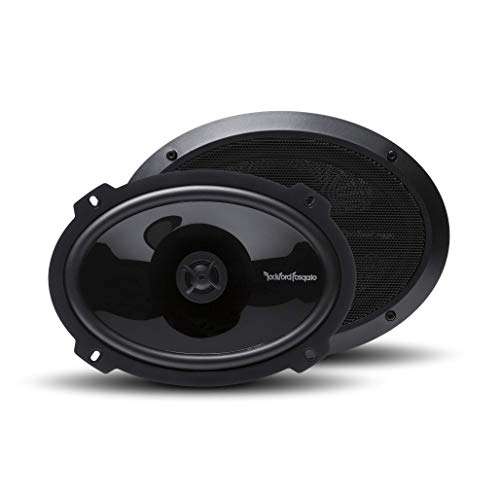


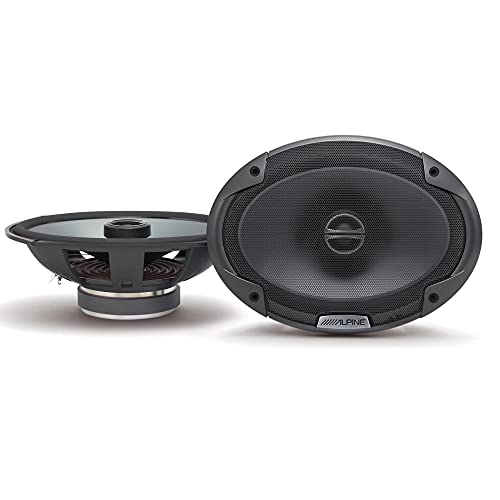


Three Speaker Setups at a Glance
Shop by setup type rather than by model name. Each setup below describes what to demand, what it generally costs, and the limit to expect when the volume rises.
Balanced Setup for Everyday Metal Listening
This setup uses a component set with strong midrange output and a controlled tweeter, usually for about $140 to $260 per pair. It suits drivers who play a wide metal range, from classic heavy metal to modern metalcore, at moderate to lively volume. Demand RMS handling around 50 to 90 watts per side and sensitivity near 90 dB or higher. Guitars should stay distinct during fast passages, and vocals should sit on top of the mix rather than inside it. The limit is extreme volume, where a small amplifier eventually becomes the better path.
Value Setup That Still Hits Hard
A value setup uses efficient coaxial speakers with stiff cones and rubber surrounds, usually for about $70 to $130 per pair. It suits a first upgrade on factory power, where sensitivity does the heavy lifting. If you are comparing genres while you shop, our guide to the best car speakers for metal covers the narrower metal only view of the same decision. Look for honest RMS figures that start low enough for a head unit, around 20 watts, so the speakers wake up without an amplifier. The limit is refinement: cymbals and high gain guitars can sound raw on the brightest budget tweeters.
Premium Setup for Clarity at Volume
A premium setup pairs high power handling components with well built crossovers and rigid woofers, usually for about $280 to $500 per pair, often with an amplifier in the plan. It suits listeners who play dense, fast recordings loudly and want kick drums to stay tight rather than boomy. Demand strong cone materials, tweeter level control, and published sensitivity and RMS data that agree with each other. The limit is cost and installation effort, since crossovers, possible amplifier wiring, and careful door sealing all add time before the first track plays.
How to Choose the Best Car Speakers: Buying Guide
This is the core of the decision. Work through each point with your car, your power source, and your favorite recordings in mind, because metal exposes weaknesses that quieter genres hide.
Features That Matter for Metal Music
When people search for the best car speakers for metal music, they usually mean speakers that survive dense mixes at volume. That takes three things. First, transient control: stiff, light cones of woven fiber or treated composite start and stop fast enough for double kick patterns. Second, midrange strength, because guitars and vocals live there and cheap speakers often scoop that range out. Third, a tweeter that stays smooth under stress, since high gain guitar harmonics punish harsh domes. Home listeners face the same trade offs, as our guide to the best speakers for metal music shows for room systems.
Vehicle Compatibility
Confirm door speaker size and depth, tweeter locations, and impedance before you fall for any specification sheet. Trucks and older cars may use larger or smaller openings than the common 6.5 inch standard. A factory amplified system can limit impedance choices and may need interface adapters to keep steering wheel controls and warning chimes working. Also check the rear locations, because filling rear doors with the same quality as the fronts keeps the sound field even when guitars pan across the mix during solos and breakdowns.
Features and Extras
Extras worth having for metal are crossover tweeter level control, which tames brightness in reflective cabins, and sturdy protective grilles where speakers sit low in the door. Bi amp capable crossovers, which allow separate amplifier channels for woofer and tweeter, matter only if you plan that upgrade later. Included mounting hardware and clear templates save real time. Skip light shows and decorative trim, and treat any claimed sound modes with suspicion, because honest speakers need no processing tricks to handle heavy music well.
Build Quality and Weather Resistance
Metal listening stresses parts mechanically. Long loud passages heat voice coils and flex surrounds thousands of times per song, so rubber surrounds, heat tolerant adhesives, and vented motor structures earn their cost. Door moisture still applies, favoring coated or synthetic cones over untreated paper. A rigid basket prevents the flex that blurs fast bass lines. Press gently on display cones where possible and inspect terminal quality in photos: firm, insulated terminals signal a maker who sweated the details you cannot see.
Safety Features
Safe installation protects both you and the equipment. Disconnect the battery before wiring work, and keep speaker polarity consistent across every location, because reversed polarity cancels bass and smears imaging. Route wires through factory grommets and away from sharp edges, window tracks, and airbag paths in the doors and pillars. If an amplifier joins the system, fuse the power wire near the battery and match wire gauge to the current draw. Secure crossovers so they cannot rattle loose or press against moving window parts.
Performance Specs
Read RMS power first, since it states what a speaker can handle continuously, and match it to your source: roughly 15 to 25 watts per channel from a head unit, or 50 to 100 watts from a typical amplifier. Sensitivity near 90 dB or higher keeps dense passages clear without strain. Frequency response should reach toward 55 Hz or lower in the woofer for kick drum weight, with the understanding that a subwoofer still owns the deepest notes. Peak watt figures deserve no weight in your decision at all.
Types of Car Speakers
Format shapes the result as much as materials do. The three broad types below trade size, effort, and ceiling against each other in predictable ways.
Compact and Portable Options
Compact options here mean shallow mount and small format speakers for tight doors and small cars, not portable party speakers. A quality 5.25 inch or shallow 6.5 inch coaxial set can still deliver focused midrange, which matters most for guitars, though low end weight will be limited. This type suits small hatchbacks and older coupes with shallow doors. Expect clean, punchy sound at moderate volume, and plan on strong door sealing to recover as much mid bass as the small cones can offer.
Pro Grade Options
Pro grade options borrow from studio and stage thinking: high power handling, robust motors, and crossovers built for adjustment. They suit drivers who listen loudly for long stretches, such as highway commuters, because heat management and headroom are their strengths. Installation effort rises, and an amplifier is usually assumed. If your taste runs wider than metal alone, our guide to the best speakers for music car shopping covers general music setups for comparison. For metal, pro grade headroom keeps blast beats and palm muted riffs distinct instead of compressed.
Premium Options
Premium options add refinement to power: advanced cone materials, carefully shaped tweeter domes, and crossovers with quality components and level options. They suit listeners who hear the difference between a smooth cymbal decay and a splashy one, and who play well recorded metal often. Neighboring genres reward similar clarity, which is why our guide to the best car speakers for rock music overlaps heavily with this tier. Rap focused systems push the budget toward bass instead, as our guide to the best car speakers for rap music explains, so know which extreme your own taste favors.
Tips to Get the Most From Your Car Speaker
- Disconnect the battery before wiring audio, and double check polarity on every speaker before you close the doors, because one reversed speaker quietly ruins bass and focus.
- Set gain and volume so the loudest passages stay clean, since distortion from a straining source damages tweeters faster than clean power at higher level.
- Seal and lightly deaden the front doors, because metal needs tight mid bass, and rattling panels steal punch from kick drums and low guitars.
- Flatten bass boost and loudness settings during setup, then tune by ear with a familiar, dense track whose mix you know well.
- Place tweeters as high and as evenly aimed as your car allows, so cymbals and vocal edges stay clear above road noise.
FAQs
What features matter most in car speakers for metal music?
Power handling, cone control, and midrange clarity matter most for metal. Stiff cones track fast kick drum and bass guitar lines without blurring, while strong midrange keeps layered guitars separate. A smooth tweeter prevents fatigue during long loud drives. One extra point is headroom: a speaker working well inside its limits sounds calmer and heavier than a louder rated speaker pushed to its edge on every chorus.
Will metal focused car speakers fit my vehicle?
They will fit when size, depth, and impedance match your car, just like any other speaker. The metal focus changes materials and tuning, not mounting standards. Measure door depth with the window down and confirm tweeter space before ordering component sets. Trucks with large factory openings may accept bigger woofers that help low guitars. Adapter rings solve most small mismatches and keep the installation reversible for resale.
How long do metal focused car speakers last?
Expect about five to ten years from a quality set, even with loud listening habits, if the system stays out of heavy distortion. Heat is the main wear factor, and metal fans simply generate more of it, so sensible gain setting matters. Rubber surrounds and moisture resistant cones age best in doors. If clarity drops or one channel crackles on quiet passages, inspect connections and surrounds before blaming the music or the head unit.
Do metal focused car speakers need professional installation?
Simple coaxial swaps are realistic home jobs, while component sets with amplifiers often justify professional help. An installer earns the fee through crossover placement, gain setting that avoids distortion, and door treatment that tightens mid bass. If your car has door airbags or a factory amplifier with complex integration, professional fitting is the safer route. Ask the installer to set tweeter levels with you in the car, since your ears are the final judge.
What specs matter most for metal music in a car?
RMS handling matched to your power source and sensitivity near 90 dB or higher matter most. Together they predict whether dense passages stay clean at your normal volume. Woofer response toward 55 Hz supports kick weight, and impedance must suit your system, usually 4 ohm. Ignore peak watts entirely. Also value a stated crossover design on component sets, because how the tweeter is protected and blended decides whether high gain guitars sound fierce or simply harsh.
The Bottom Line on Car Speakers for Metal Music
For metal, buy control before loudness: honest RMS handling, stiff cones, strong midrange, and a tweeter that stays smooth under pressure. Match those traits to your car fit and your power source, then compare the best car speakers for metal music in the product table above. With the doors sealed and levels set with care, heavy music can sound heavy in the best sense: dense, fast, and clear.