Best Car Speakers for Classical Music 2026: A First Time Buyer's Guide
Disclosure: We may earn a commission when you buy through links on this page, at no extra cost to you. As an Amazon Associate I earn from qualifying purchases. Learn more

New to upgrades? This beginner guide explains the specs and fit checks behind the best car speakers for classical music, from soft dome tweeters to sensitivity.
If you have never replaced car speakers before, the specification sheets can feel like a foreign language, full of watt figures and initials that seem designed to confuse. Classical music makes the choice harder in a specific way: quiet passages, wide swings between soft and loud, and fine detail in strings and piano all expose weak speakers quickly. This guide walks you from the basics to a confident shortlist of the best car speakers for classical music for your car, in plain English and in a sensible order.
You do not need to become an audio engineer. You need to know which few specs predict clarity and calm, balanced sound, which ones are marketing noise, and how to check that a speaker actually fits your vehicle. The comparison table below gives a first overview of types and prices, and every section after it builds one simple idea at a time.



Car Speakers 101: The Basics
A car speaker turns an electrical signal into moving air. A magnet and a voice coil push a cone back and forth, and that movement is the sound you hear. Small speakers handle high notes well but cannot move enough air for low notes, which is why most systems use more than one size of driver working together.
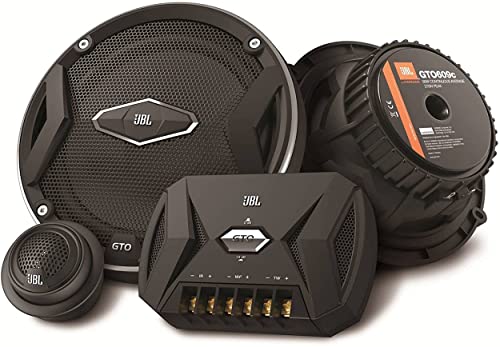
Two layouts dominate. Coaxial speakers mount a small tweeter in front of a larger woofer in one unit, so one speaker plays most of the range and fitting stays simple. Component speakers split the job: the woofer sits low in the door, the tweeter mounts higher near ear level, and a small crossover box sends each driver only the notes it handles best. For classical listening, that raised tweeter is a real advantage, because violins, flutes, and voices live in the range that benefits most from good placement. If you want background on home listening too, our guide to the best speakers for classical music explains the same principles for a room.
Key Specs Explained in Plain English
Features That Matter for Classical Music
Classical recordings ask for balance, not bass emphasis. Look for a speaker described as neutral or flat in response, with a silk or soft dome tweeter, since soft domes tend to keep violins and brass smooth rather than shrill at volume. Dynamic range matters too: the speaker should stay clean at low volume for quiet movements and avoid strain in full orchestra peaks. A sensitivity rating of about 90 dB or higher helps, because it keeps quiet detail audible without pushing a small radio hard. Avoid speakers marketed mainly for thunderous bass; that tuning usually crowds the midrange where most classical instruments live.
Vehicle Compatibility
Before sound, confirm fit. Your car year, model, and trim decide the speaker size in each location, and doors, dash corners, and rear shelves often differ within one car. Mounting depth matters because a deep magnet can foul the window glass travel inside the door. Vehicle specific brackets and plug and play wiring harnesses let you fit most speakers without cutting factory wires, which also makes the job reversible when you sell the car. Write down the size and depth for every location before you shop, and treat any fit claim as a lead to verify rather than a promise.
Safety Features
Safe fitting is part of good sound. Disconnect the battery before wiring, and respect speaker polarity: connecting one side reversed makes bass thin and imaging vague, so use harnesses that preserve correct polarity by design. Keep crossover boxes and added wiring clear of door airbags and window mechanisms, and secure every loose part so nothing rattles or shifts into moving parts. Set listening volume with care as well, since a system you can hear clearly at moderate volume protects your hearing on long drives better than one you must push loud to reveal detail.
Build Quality and Weather Resistance
Doors are wet places. Rain drains through them by design, so look for cones and surrounds that tolerate moisture, such as treated paper, polypropylene cones, and rubber surrounds rather than plain foam. Solid terminals and a sturdy basket signal care in the parts you cannot easily judge. Weather resistance ratings are uncommon in car speakers, so judge by materials instead. A speaker that survives five damp winters in a door will outlast a delicate one with prettier specs, and classical detail is the first thing a tired, buzzing cone loses.
Performance Specs
Three numbers tell you most of the story. RMS watts describe the continuous power a speaker can handle, and that is the figure to match against your radio or amplifier output per channel; peak watts describe a brief burst and should be ignored for matching. Sensitivity, in decibels, tells you how loud a speaker plays on a set amount of power, and higher is better for factory radios. Frequency response gives the range a speaker can play; a low end near 55 to 65 Hz is honest for a door speaker, and claims far below that deserve doubt. Impedance is 4 ohms for most car speakers, and staying with that standard keeps compatibility simple.
Rookie Mistakes to Avoid
- Buying by peak watts, which inflates expectations and tells you almost nothing about daily sound.
- Choosing bass heavy speakers for classical music, then wondering why cellos swamp the violins.
- Skipping the fit check, then finding the new magnet blocks the window inside the door.
- Mounting tweeters low and behind trim, which muffles the detail you paid for.
- Judging in a noisy shop at high volume instead of listening for balance at the levels you actually use.
One more habit helps: change one thing at a time. Fit the front speakers first, live with them for a week, and only then decide whether the rear speakers or a small amplifier still feel necessary. Readers planning a wider upgrade can compare approaches in our guide to the best speakers for music car setups.
Getting Started: Setup and First Use
On fitting day, gather trim tools, the harnesses and brackets for your car, and the owner manual for panel and airbag notes before you start. Swap one side first and compare it with the old speaker at the same volume; that quick check confirms your wiring and polarity before you close up both doors. Set tone controls flat at first, because a new speaker needs no boosting until you know its natural balance. Then play a recording you know well, ideally a small ensemble piece and one full orchestra track, and adjust in small steps. Give your ears a few days before final judgment, since new surroundings can make any system sound odd on day one. Keep the factory speakers in a box until you are fully satisfied, just in case a return is needed.
Frequently Asked Questions
What features matter most in car speakers for classical music?
A neutral balance, a smooth soft dome tweeter, and sensitivity around 90 dB or higher matter most for anyone shopping for the best car speakers for classical in a typical car. Those traits keep quiet passages clear and loud peaks calm. Placement helps as much as parts: a component set with tweeters mounted high will reveal more orchestral detail than a costlier coaxial set firing at your feet, so budget for placement, not just for price.
Will it fit my vehicle?
It will fit if the size, mounting depth, and impedance match your car. Check each location separately, because front doors and rear decks often take different sizes in the same vehicle. Measure the depth behind the panel if your car has shallow doors, and prefer vehicle specific brackets when they exist. If a listing claims universal fit, read it as a starting point and confirm against your manual or a measured opening before you commit money.
How long does it last?
A decent car speaker commonly lasts eight to twelve years. Rubber surrounds age more slowly than foam, and moisture resistant cones cope better with life inside a door. The earliest signs of age are buzzing on low piano notes, a scratchy edge on loud strings, or one side sounding duller than the other. Playing at sensible volumes and keeping door drains clear so water does not pool around the speaker both extend its useful life.
What specs matter most?
Match RMS power to your source, favor sensitivity near or above 90 dB for a factory radio, and look for a frequency response that honestly reaches the mid 50s or 60s in hertz at the low end. Those three numbers predict whether the speaker will play clearly at the volumes classical music demands. Ignore giant peak power claims and extra features that do not change balance or clarity. For a contrast in priorities, our guide to the best car speakers for rock music shows how a different genre shifts the same spec list.
Do I need professional installation?
Many first time buyers fit coaxial speakers themselves with harnesses and basic tools in a couple of hours. Component sets add tweeter mounting and crossover placement, which is still manageable if you are patient and your car has no airbags in the pillars you need to open. Choose a professional when trim is fragile, wiring looks nonstandard, or you simply value a tuned result. A good shop will also set levels and polarity correctly, which protects the detail you bought the speakers for. Heavier genres make different demands again, as our guide to the best car speakers for metal music explains.
Final Thoughts on Car Speakers for Classical Music
For a first purchase, keep the decision to three checks: the speaker fits your car, its RMS and sensitivity figures suit your radio, and its tuning favors balance over bass weight. A component set with raised tweeters is the natural home for classical detail, while a good coaxial set is the simpler start that still improves on factory sound. Shortlist your options from the best car speakers for classical music in the product table above, verify the fit for your exact model, and you will hear your favorite recordings with new clarity on every drive. Compare the best car speakers for classical music in the table above one last time before you order.