Best Car Speakers for Rap Music 2026: A Checklist for Bass and Verses
Disclosure: We may earn a commission when you buy through links on this page, at no extra cost to you. As an Amazon Associate I earn from qualifying purchases. Learn more

Rap needs real bass weight and clear verses. Use this checklist on bass depth, RMS power and fit to choose the best car speakers for rap music.
Rap asks two things of a car system at the same time: bass with real weight, and verses that stay clear on top of it. Most factory speakers manage neither, which is why the upgrade itch starts here. This checklist shows you how to judge the best car speakers for rap music before any money moves.
Score speakers on bass control, honest power handling, fit, and install effort, then sort them into profiles that pass. Read the criteria first, glance at the comparison table below, and the right tier for your car should stand out quickly.




How to Evaluate Car Speakers
Every candidate gets the same six checks. The best car speakers for rap music pass the bass and power checks without failing the boring ones, because a speaker that does not fit your door helps nobody.
Features That Matter for Rap Music
Low bass authority leads the list. Look for woofers with stiff cones, rubber surrounds, and enough excursion to move air on sustained bass lines without a rattle of distortion. A low end response reaching toward 50 Hz or below in the stated range is a good sign, though door speakers have limits. Just as vital is mid range clarity, since verses live there: a speaker that buries vocals under bass fails the genre no matter how hard it hits.
Vehicle Compatibility
Start with year, make, model, and trim, then confirm speaker size, mounting depth, and impedance. Many cars use 6.5 inch door speakers, but trucks and older sedans differ, and factory amplified systems may expect 2 ohm loads. Check for a factory subwoofer as well, because replacing door speakers in a system that crosses bass away from them changes what you should buy. One photo of the stock speaker and its plug prevents most fit surprises.
Safety Features
Bass heavy systems draw real current once an amplifier joins, so wiring safety is part of the score. Fuse amplifier power cables near the battery, use proper gauge wire, and insulate every connection. Keep polarity consistent across all speakers, and treat the final polarity check as your reverse polarity protection step, since one reversed door speaker quietly cancels the bass you paid for. Always disconnect the battery before wiring audio work begins.
Features and Extras
Extras that earn their keep include outboard crossovers, aimable tweeters, and included mounting hardware for common vehicles. A powered subwoofer connection plan matters too, because many rap listeners add one within a year; speakers that hand bass duties to a subwoofer play cleaner everywhere else. For listening at home, our guide to the best speakers for rap music covers the same bass and clarity balance in a room setting.
Warranty and Brand Support
Hard bass use stresses surrounds and voice coils, so warranty terms reveal how much a maker trusts its own build. One year is the floor and two years is reassuring. Published RMS and sensitivity data, reachable support, and authorized sellers all count in this check. Keep your receipt and the box labels until the system has survived a few weeks of your loudest regular tracks without complaint.
Ease of Installation
Coaxial speakers are the straightforward path, often close to plug and play with a vehicle harness and bracket kit. Component sets improve vocal placement but add tweeter mounting and crossover placement to the job. Score your own comfort honestly: door panels, clips, and window tracks forgive few rushed moves. If an amplifier is part of the plan, professional fitting becomes easier to justify, since power wiring mistakes carry real risk.
Three Speaker Profiles That Pass the Checklist
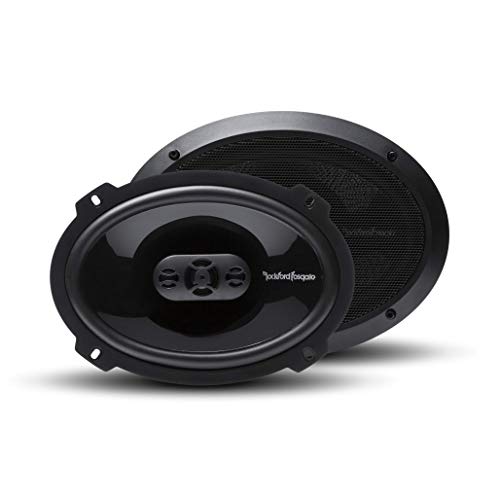
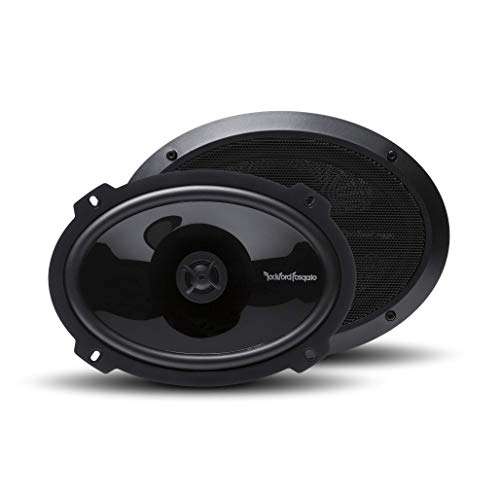
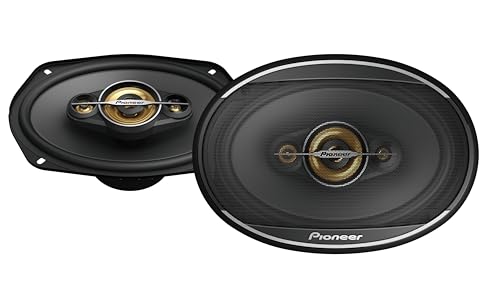
Sort the product table above into these profiles. Each passes the checklist for a different budget and a different bass ambition.
Balanced Profile
This profile suits most rap listeners: strong door speakers around 60 to 100 watts RMS, priced about $120 to $250 per pair, with stiff cones and smooth tweeters. On head unit power they already improve punch and clarity, and with a modest amplifier they gain real authority. The honest limit is the lowest bass. If your favorite tracks live below what doors can do, plan a subwoofer rather than asking door speakers to perform a job physics denies them.
Value Profile
The value profile centers on sensitive coaxial pairs around $50 to $120 that make factory radios sound far healthier. High sensitivity, near 90 dB or above, is the trait to demand here, because it converts limited watts into usable volume. Bass is tighter than stock though not deep, and vocal clarity improves the most. This tier is the smart first step for leased cars and tight budgets, and it leaves money aside for a compact powered subwoofer later.
Heavy Use Profile
Heavy use profiles assume daily loud listening and an amplifier in the plan. Expect robust component sets about $200 and up, with strong magnets, generous RMS ratings, and crossovers built to take power without strain. They hold verses clear when bass peaks stack up, week after week. The cost is install effort and supporting gear: wiring, deadening, and the amplifier itself. Listeners planning a full system should also read our overview of the best speakers for music car builds before committing.
Quick Buyer Checklist
- Does the speaker match your door size, depth, and impedance exactly?
- Is sensitivity around 90 dB or higher for the power you own?
- Does the RMS rating suit your radio or planned amplifier?
- Are the cone and surround built for strong bass movement?
- Have you decided whether a subwoofer joins the system now or later?
- Do you have the harness, brackets, and spare clips on hand?
- Is the warranty at least one year from an authorized seller?
- Will the tweeter material keep verses clear without sounding harsh?
Red Flags to Watch For
- Peak watt headlines: enormous peak numbers with no clear RMS rating hide weak continuous ability.
- Bass claims with no response data: a speaker promising deep lows should publish a frequency range to support it.
- Universal fit language: listings that skip depth figures often end in returns and trimmed door parts.
- Feather light magnets at high prices: weight is not everything, but bass drivers need motor strength to control movement.
- Warranty under one year: short coverage on speakers sold for bass heavy use signals low maker confidence.
Taste checks help too. If your rotation mixes styles, compare the guitar focused advice in our guide to the best car speakers for rock music and the density focused notes in the guide to the best car speakers for metal music before you settle.
Setup and Care Tips
Check your manual for factory speaker specs and any amplifier details before ordering parts. After fitting, set the bass control near flat and let the speakers and any subwoofer do the heavy lifting, because boosted bass from the radio distorts early. Add a modest amount of door sound deadening if panels buzz on bass notes. Finally, keep volume clean: a system that stays composed at your normal level will last for years, while clipped bass is the fastest route to a tired voice coil. Our guide to the best car speakers for loud music expands on clean volume habits.
FAQs
What features matter most in car speakers for rap music?
Bass control and vocal clarity matter most, in that order. Stiff cones, rubber surrounds, and honest RMS ratings keep bass lines tight, while a smooth mid range keeps verses on top of the beat. Shoppers comparing the best car speakers for rap also overlook door deadening, which stops panel buzz that masquerades as speaker distortion and costs less than a tier jump.
Will rap music car speakers fit my vehicle?
Yes, if size, depth, and impedance all match your car. Verify with a fitment guide for your exact trim and measure the factory speaker when listings disagree. Some doors need spacer rings so deep magnets clear the window, and factory amplified cars may need specific adapters. Ordering brackets and harnesses with the speakers turns a guess into a planned afternoon.
What specs matter most for rap music car speakers?
RMS power, sensitivity, and low frequency response lead. Match RMS to your power source, favor sensitivity near 90 dB or above on factory radios, and look for response reaching toward 50 Hz. Also check the recommended crossover setting if you add a subwoofer later, because blending the two cleanly matters more than either figure alone suggests.
How long do rap music car speakers last?
A well matched set commonly lasts five to ten years. Bass heavy listening at the edge of distortion shortens that span, since heat builds in the voice coil on long, loud tracks. Rubber surrounds age better than foam in hot cabins. If bass weakens on one side first, check for a loose terminal or a surround starting to separate before assuming the speaker has failed outright.
Do I need professional installation for rap music car speakers?
A coaxial swap with the right harness suits a careful home installer. Bring in a professional when amplifiers, component crossovers, or factory amplified systems are involved, or when you want a subwoofer integrated and tuned. Ask the installer to set the subwoofer crossover with your own tracks playing, because rap bass varies widely and a setting tuned on gentle music can leave a hole in your low end.
Our Verdict on Car Speakers for Rap Music
Judge by bass control, sensitivity and RMS honesty, and a fit you have verified, and most rap listeners will be happy with the value or overall profile. Add a subwoofer when doors reach their physical limit rather than forcing them past it. Compare your finalists in the product table above, and you will pick the best car speakers for rap music for your car with no regrets.