Best Car Surveillance Cameras 2026: Which Type Is Right for You?
Disclosure: We may earn a commission when you buy through links on this page, at no extra cost to you. As an Amazon Associate I earn from qualifying purchases. Learn more

Compare dash cam layouts, parking mode power, storage and night video to find the best car surveillance cameras for how you park.
Street parking, shared lots and long nights away from home raise the same question for many drivers: what keeps an eye on the car when you cannot? The best car surveillance cameras for most people are dash cameras with a parking mode, which record the road while you drive and watch the car while it is parked. The product table above lists models of that kind, and this guide explains how to choose between them.
No camera prevents a break in or a dent, but a clear recording makes insurance claims and police reports far easier. The goal is footage you can actually use, without draining the battery or distracting you at the wheel.
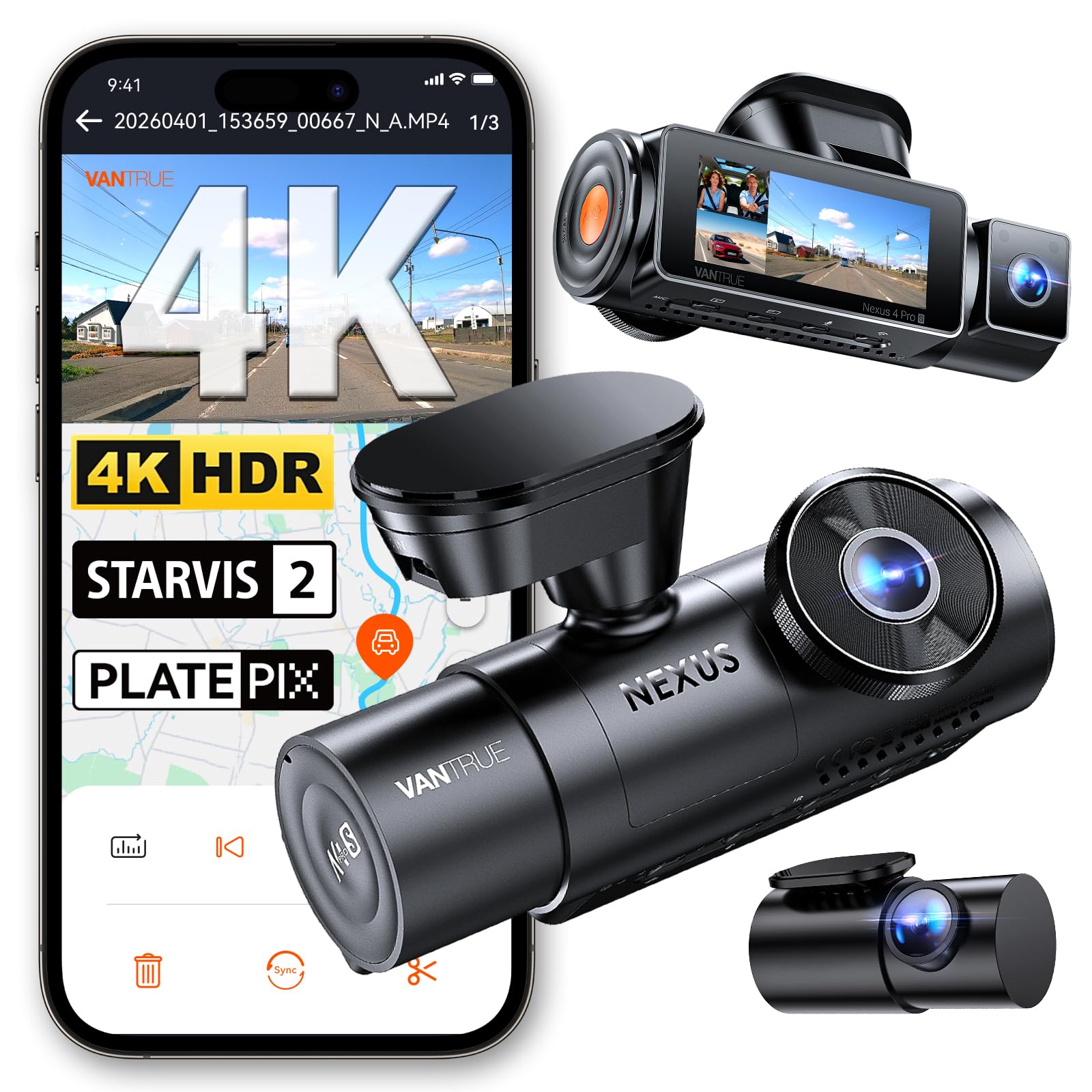
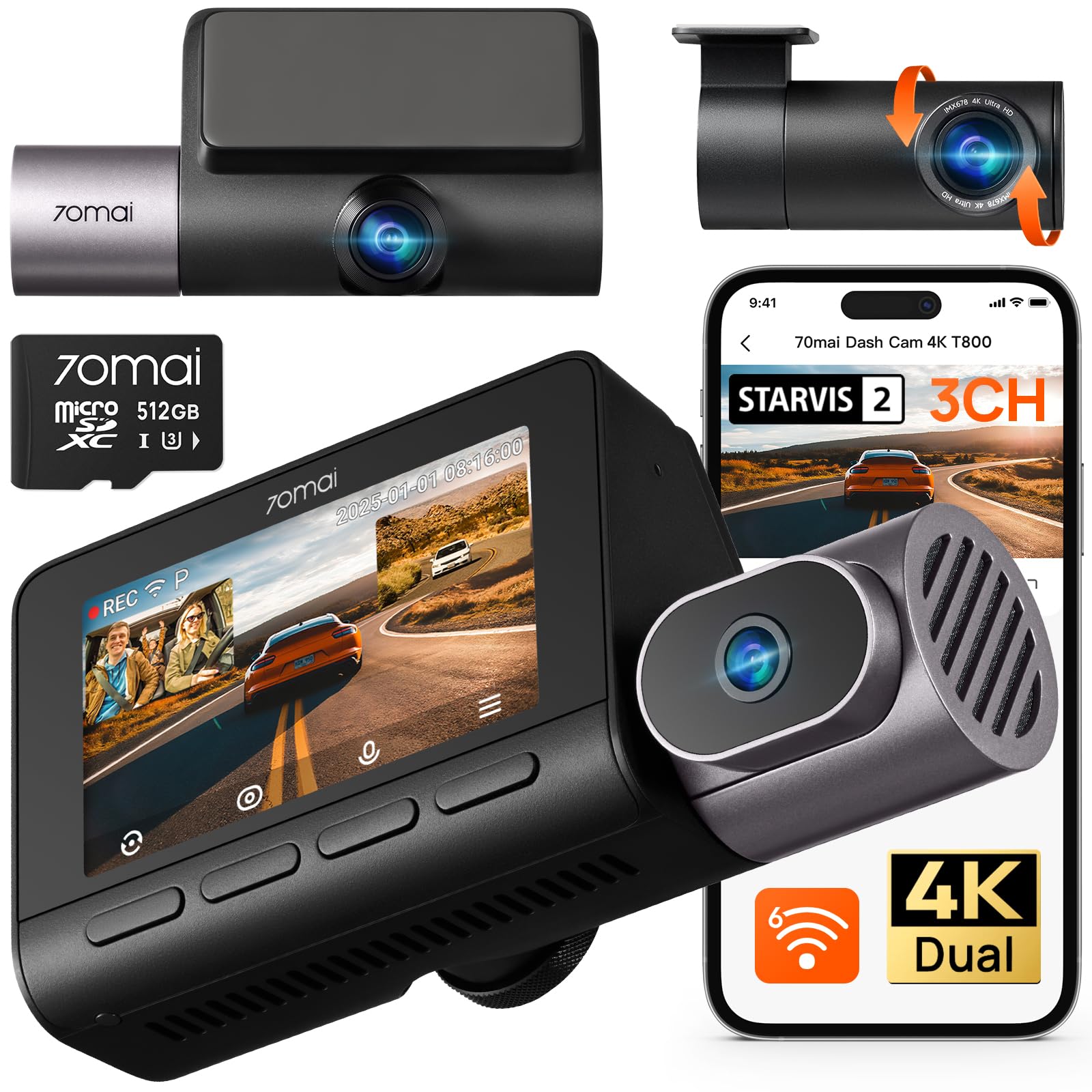
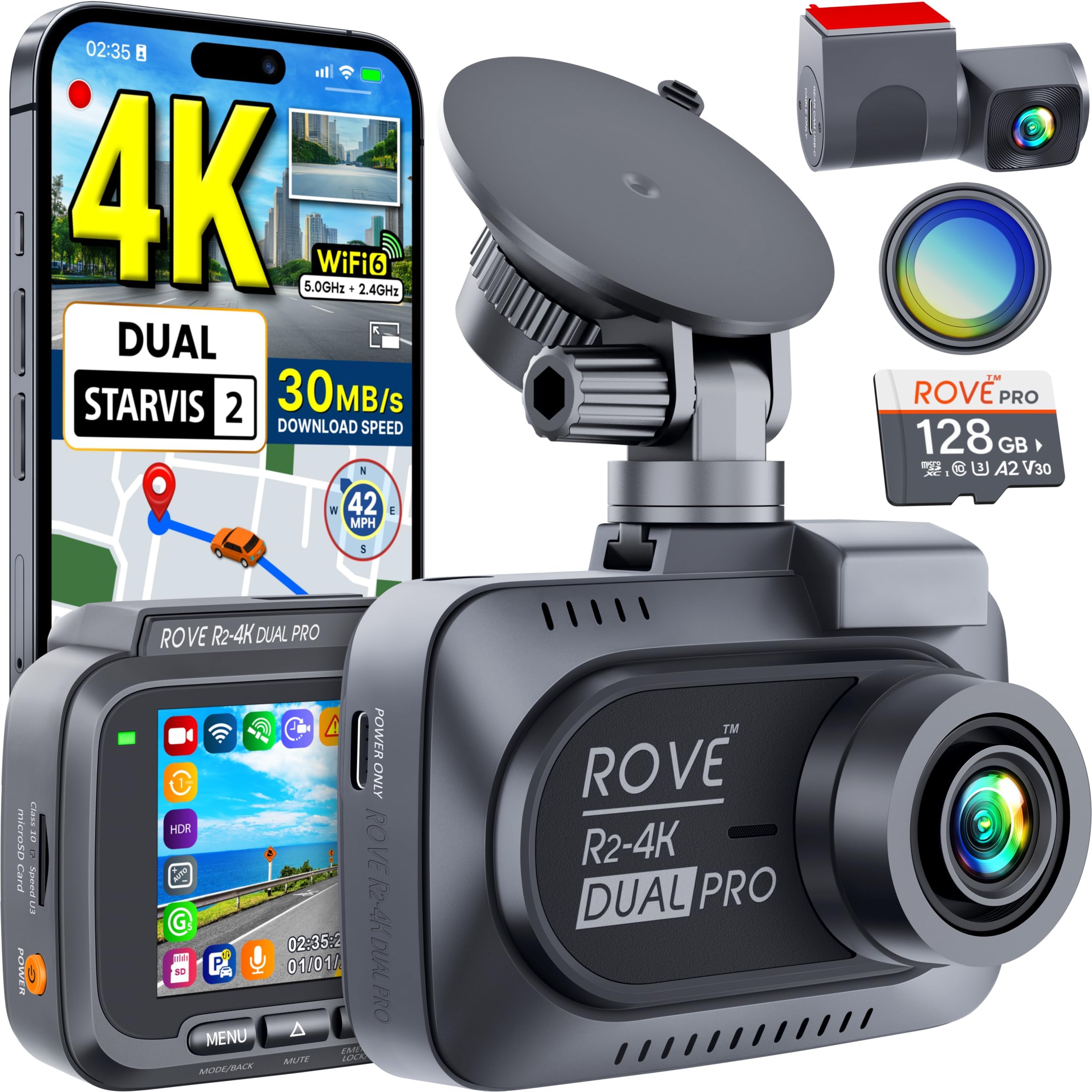
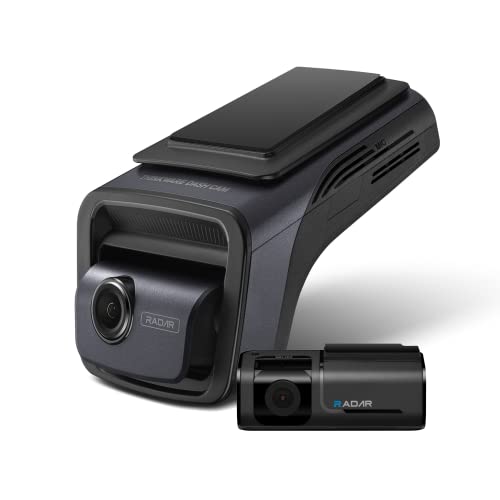

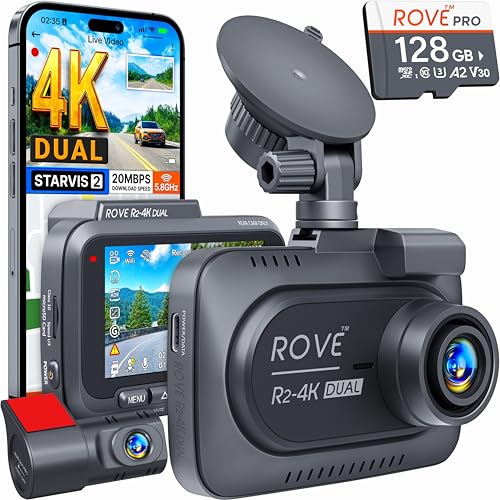
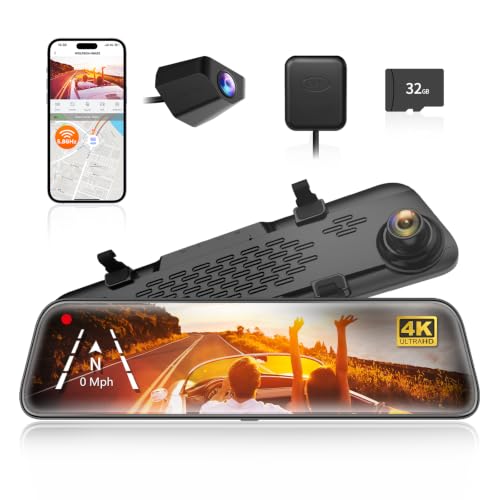
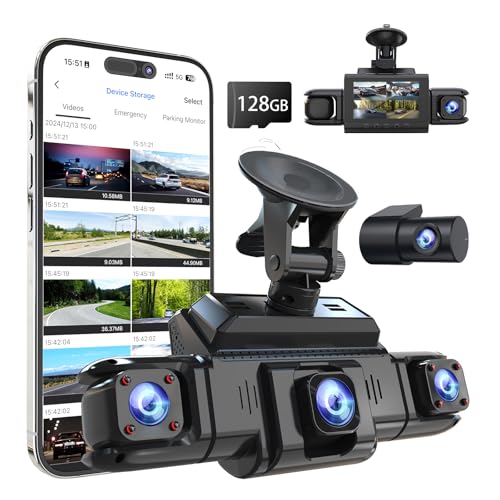
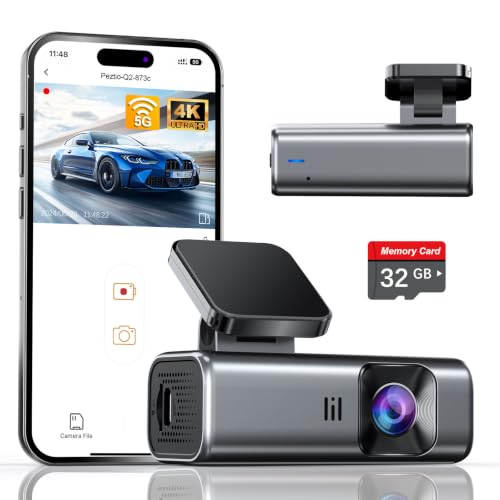
Types of Car Surveillance Cameras Compared
The table sums up the main layouts. Prices are rough ranges for the type, not for any single model.
| Type | Best for | Main strength | Main limit | Typical price |
|---|---|---|---|---|
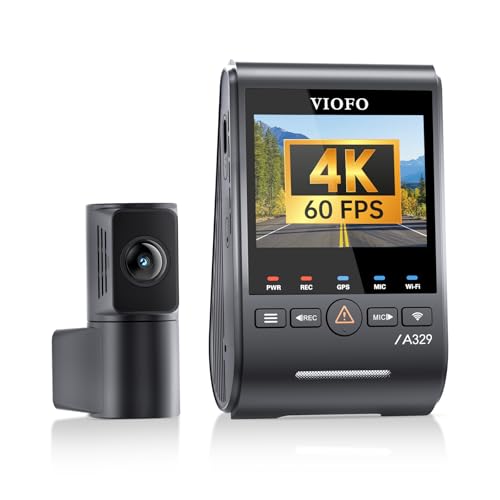
| Front only dash cam | Simple, low cost recording | Easy install and small footprint | No view behind or inside the car | about $50 to $150 |
| Front and rear dual cam | Everyday coverage of both ends | Records rear end hits and parking bumps | Rear cable needs routing | about $120 to $350 |
| Three channel with cabin camera | Rideshare and family cars | Adds an inside view | Privacy and audio rules apply | about $250 to $450 |
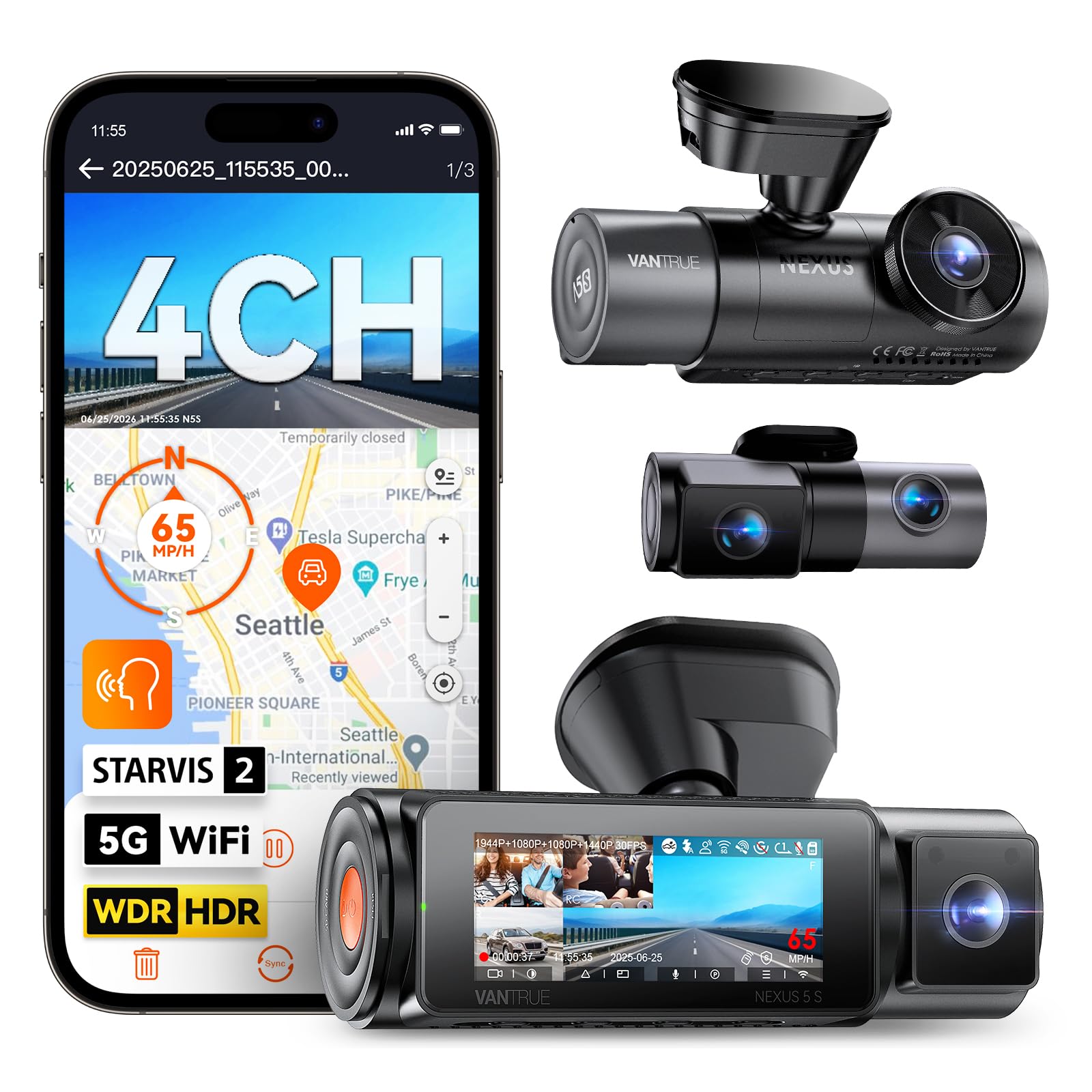
| 360 degree four channel | Street parking and busy lots | Covers all sides of the car | Higher cost and more wiring | about $100 to $400 |
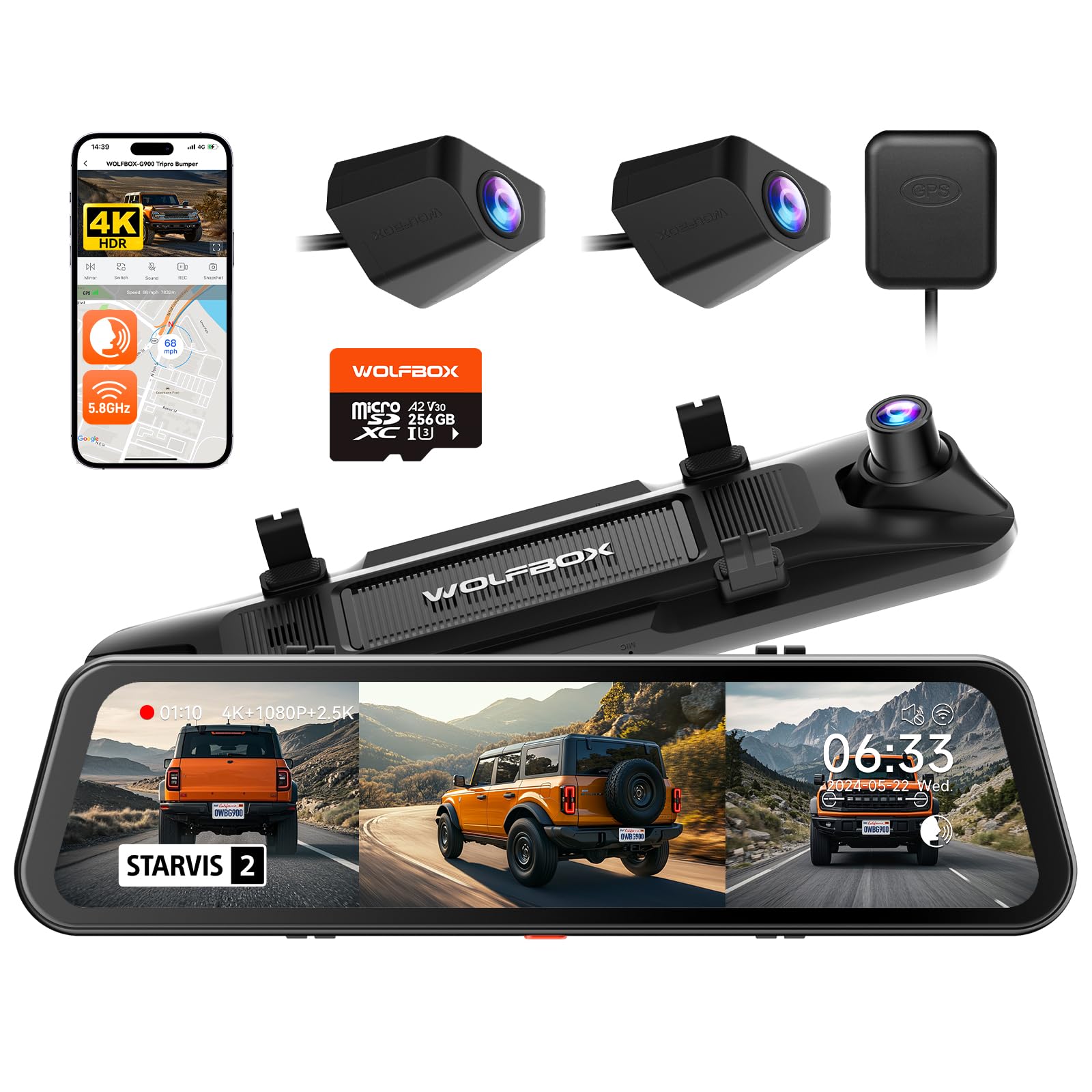
| Mirror dash cam | Cars with a clear rear window | Big screen and a clean look | Needs careful rear camera placement | about $100 to $400 |
Front Only and Front and Rear Cameras
A front camera is the minimum and is often enough for a commuter. Adding a rear camera records what happens behind the car, including the hit you never see coming, and most drivers who park on the street end up preferring the pair. The cost is a longer install, since the rear cable runs along the headliner.
Cabin Cameras and Three Channel Systems
A cabin camera faces inward and suits rideshare drivers and anyone who wants a record of what happens inside the car. It also raises privacy questions, so tell passengers that recording is active and check local rules before you switch audio on.
360 Degree Systems
Four camera systems cover every side of the car and can capture a person walking up to a door or a bumper tap in a crowded lot. They need more cabling and a stronger power plan, and the footage is usually lower resolution per camera.
Parking Mode and Power
A camera only protects a parked car if it stays powered. Hardwiring it to the fuse box gives the steadiest supply, and a good kit includes a low voltage cutoff so the car battery is not drained. Some drivers use an OBD power cable instead, which is simpler to fit, and a separate battery pack is a third route that keeps the car battery out of the picture entirely.
Check how parking mode behaves. Motion or impact triggered recording saves power and storage but can miss the seconds before an event, while continuous low frame rate recording gives a fuller record at a cost in power and card space. A buffered mode that saves a few seconds before the trigger is a useful middle option.
Video Quality, Night Vision and Field of View
Resolution decides whether a plate or a face is readable. A 2K or 4K front camera gives more detail than 1080p, but it also uses more storage and runs warmer. For the best car surveillance cameras, night performance matters even more, because many parking incidents happen after dark, so look for a quality sensor, a wide aperture and HDR or similar processing that handles headlights and street lamps.
A wide field of view captures more of the scene but makes distant details smaller. For most cars a front and rear pair gives better coverage than a single very wide lens.
Storage, Apps and Cloud
Use a high endurance microSD card made for constant recording, and format it in the camera now and then. Loop recording overwrites the oldest routine footage while locked event clips are kept. WiFi lets you review and download clips on a phone without removing the card, and a few models add cloud backup or GPS tagging, which is helpful if the camera is stolen, although cloud features may need a subscription.
Fit, Mounting and Safety
Mount the camera behind the rear view mirror where it has a clear view without blocking yours, and keep the cable tucked into the trim so it cannot dangle near the pedals or airbags. Clean the windshield and the lens before you stick it on. Disconnect the car battery or pull the right fuse before any hardwire work, and ask a qualified installer if the fuse box looks unfamiliar.
Privacy and Legal Notes
Recording rules vary by place. Audio recording of people in the car may require consent, and some regions limit how and where a camera can be mounted. Check local rules, avoid sharing clips of people online, and use a strong, unique password with any app account that holds your footage.
Choosing by How You Park
A garage parked car needs little beyond a good front camera, because the main risks are on the road. A street parked car gains the most from a front and rear pair with a reliable parking mode. A car parked in shared lots, where doors get bumped, benefits from a 360 degree layout. Match the camera to the risk you actually face rather than to the longest feature list.
Frequently Asked Questions
Do car surveillance cameras work without WiFi?
Yes. Most record to a memory card on their own, and you review clips by removing the card or connecting directly to the camera. WiFi is only needed for live viewing, quick downloads to a phone and cloud uploads.
How much storage do I need?
It depends on resolution, frame rate and how much parking footage you keep. A front and rear 2K pair can fill a small card quickly, so a larger high endurance card plus loop recording and event locking is the safe choice.
Can a dash cam drain my car battery?
It can if wired without protection. Choose a hardwire kit with a low voltage cutoff, an OBD cable that includes one, or a dedicated battery pack, and keep the parking mode time limit reasonable.
Do I need a subscription?
Not for core recording. A subscription usually adds cloud backup and longer clip history. Check that the camera still records locally if you cancel.
Are these cameras easy to hack?
No connected device is fully immune. A strong password, two factor sign in where offered, current firmware and avoiding unknown networks reduce the risk a great deal.
Final Thoughts
Decide where you park, then pick the layout, power plan and storage that match it. A front and rear pair with a proper parking mode suits most street parkers; a simple front camera is enough for a daily commute.
Use the table above to compare finalists, and treat the best car surveillance cameras as a system of camera, power and card rather than a single gadget.