
Best Aftermarket Car Speakers for Bass by Budget: A Smart Guide for 2026
Disclosure: We may earn a commission when you buy through links on this page, at no extra cost to you. As an Amazon Associate I earn from qualifying purchases. Learn more

See what the best aftermarket car speakers for bass deliver at each price, which specs create real low end, and how to spend without wasting money.
Strong bass from door and deck speakers is absolutely possible, but it is bought with the right combination of cone area, power, and installation, not with the biggest peak power number on a box. Prices run from under $50 to over $400 a pair, and the best aftermarket car speakers for bass for your car depend on how much real power and space you can give them.
This budget based guide shows what each price tier delivers for low end performance, which features actually create bass, and where extra money stops helping. Start with the comparison table below, then read the tier that fits your wallet.


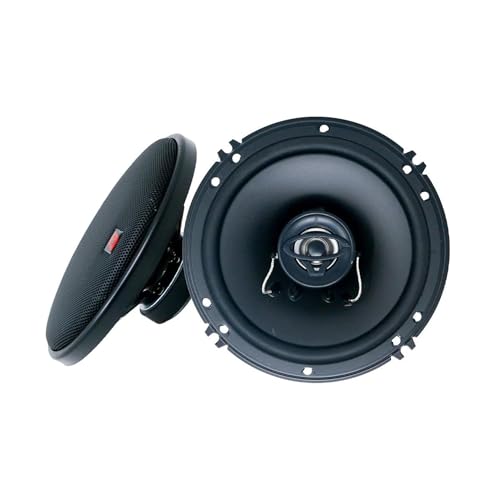
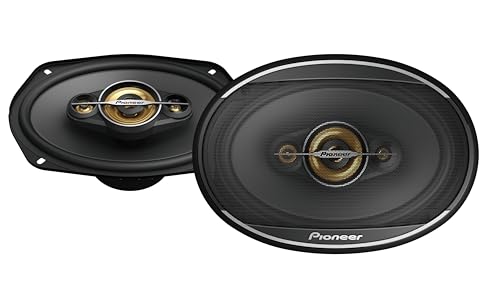

Budget Tiers at a Glance: Bass Performance by Price
Use these tier standards to judge any candidate, including the pairs in the product table above. Bass claims are easy to print and hard to deliver, so hold every pair to the standard of its price.
The Budget Tier Standard
A budget pair, around $50 to $90, should give you clearly fuller low end than factory speakers, with a stiff cone, a rubber surround, and sensitivity high enough to work on a factory stereo. Expect punch and warmth rather than depth: kick drums gain weight, but the lowest notes of electronic music will still be missing. That is an honest result at this price. Our guide to the best car speakers for bass explains the physical limits of small speakers if you want the full picture before spending.
The Midrange Tier Standard
A midrange pair, around $90 to $220, should add real midbass authority: larger or stiffer cones, stronger motors, and power handling that welcomes a compact amplifier. This is the tier where bass becomes something you feel in the seat on rock and hip hop at normal volume. Crossovers improve too, keeping vocals clear while the woofer works hard. For most bass fans who are not adding a subwoofer, this tier is the sensible target, especially in 6x9 sizes with their generous cone area.
The Premium Tier Standard
A premium pair, around $220 to $450, should stay clean and controlled at high volume, with rigid cones, cast baskets, and tuning that avoids the loose, boomy character cheaper speakers show when pushed. Premium money also buys consistency, so bass sounds the same at low and high volume. It only pays off with proper power and a solid mount; on a weak factory stereo, premium bass speakers often sound quieter than efficient midrange ones, because their stronger motors need watts to move.
What Your Money Gets You at Each Price Tier
Budget Tier: What to Expect
Budget bass comes from efficiency and cone size, not power. Choose the largest speaker your location accepts, usually 6x9 in a rear deck, and favor high sensitivity so a factory stereo can actually drive it. A firm foam or rubber surround and a sealed mount keep what bass exists from leaking away. Manage expectations: this tier improves fullness and fun, and it pairs well with a plan to add power later. If bass is the whole point of the upgrade, saving longer for the midrange tier usually satisfies more.
Midrange Tier: The Sweet Spot for Most Buyers
Midrange spending buys the two things bass needs most: a motor strong enough to control the cone and power handling that lets an amplifier do real work. With about 50 to 100 watts RMS per channel available, midrange speakers produce tight, loud low end that budget pairs cannot match. This tier also brings better materials that survive door moisture while being worked hard. Readers weighing this against a small subwoofer should compare with our guide to the best aftermarket speakers for bass, which covers that exact decision in depth.
Premium Tier: When Spending More Pays Off
Premium spending pays when you listen loudly, your cabin is well sealed, and deep, controlled bass from speakers alone is the goal. You gain headroom, so bass stays tight on demanding tracks instead of blurring, and build quality holds that performance for years. It does not pay when doors rattle untreated or the source is a basic factory unit with fixed bass heavy equalization you cannot adjust. Fix the mount and the power first; premium speakers reward a prepared car and expose an unprepared one.
Features Worth Paying For (and Ones to Skip)
Features That Matter for Bass
Bass output rests on cone area, excursion, and control. A larger cone moves more air per stroke, and a surround and spider that allow longer, controlled travel raise output without distortion. Look for honest RMS ratings, sturdy baskets that do not flex, and vents or motor designs that keep the voice coil cool during long loud sessions. A slightly lower sensitivity is normal and acceptable in this category, because strong bass designs trade efficiency for control, provided you budget for the amplifier that trade requires.
Vehicle Compatibility
Check that your locations can exploit a bass focused speaker: rear decks and larger doors give the cone the air volume and mounting stiffness it needs. Confirm mounting depth carefully, since stronger motors are deeper, and verify clearance for window travel in doors. Some factory systems use low impedance speakers or built in equalization tuned for the original units, which can make a correct replacement sound bass light until settings are adjusted. Our guide to the best aftermarket speakers for car fitment covers these vehicle checks step by step.
Warranty and Brand Support
Bass speakers live a hard life, driven loudly and mounted in wet doors, so warranty length and painless replacement matter more here than in most categories. Prefer clear warranty terms of at least one year, and keep proof of purchase with your car documents. Support also means published, believable specifications; a maker that lists full RMS, sensitivity, and impedance data is easier to match to an amplifier and easier to trust. Cheap pairs with vague specs and short warranties often cost more per year of service.
Performance Specs
For bass, read RMS power, sensitivity, and the low end of the frequency response together, never alone. A response claim reaching 30 Hz means little without output level, but a speaker that rolls off near 50 to 60 Hz will sound thin no matter the rating. Impedance decides amplifier pairing: standard 4 ohm speakers suit most aftermarket amps, while some designs use lower impedance to draw more power from factory units. Ignore peak power completely; it describes a momentary burst, not the sustained output bass demands.
Ease of Installation
Bass performance is made or lost at the mount. A rigid baffle, a sealed gap free fit, and sound deadening on the panel behind the speaker can add more audible bass than a tier jump in price. Larger bass focused speakers may need adapter rings and minor trimming, and amplifier wiring adds a few hours or a professional bill of around $150 to $300. If your car has 6x9 rear locations, our guide to the best 6x9 car speakers for bass focuses on that high output format specifically.
Long Term Costs to Factor In
Plan beyond the speakers. A compact amplifier, often around $100 to $250, plus a wiring kit around $30 to $60, is a near essential partner for midrange and premium bass pairs. Sound deadening for doors or a rear deck runs about $40 to $120 and protects your investment by turning buzzes into bass. Replacement cycles matter too: hard driven budget pairs may last two to three years, while a properly powered midrange pair can serve five years or more, which makes the midrange tier cheaper per year despite the higher start.
Frequently Asked Questions
What features matter most in aftermarket car speakers for bass?
Cone area, controlled excursion, and honest power handling matter most, in that order. A big, stiff cone on a strong motor, fed with clean RMS power and mounted on a sealed, rigid baffle, produces the deepest and tightest results. Materials support the mission: rubber surrounds tolerate the travel and the door environment. No equalizer setting can create bass the hardware cannot produce, so spend on size, motor, and mounting before tone controls.
Will it fit my vehicle?
Fit is the first filter, because bass speakers run deep. Measure the factory speaker diameter and the depth behind the panel, and check for window tracks, trunk springs, and wiring looms in that space. Shallow mount bass designs exist for tight doors, with modest output trade offs. A 6x9 rear deck location is the easiest path to strong bass, so if your car offers one, prioritize upgrading there before the doors.
How long does it last?
A midrange or premium pair, powered cleanly, typically lasts five years or more. Budget pairs driven hard on distorted factory power can fail in two to three years, usually from overheated voice coils or torn surrounds. Clipping is the main enemy: a small amplifier run within its limits is gentler than a weak stereo at maximum volume. If bass turns scratchy or one side drops in level, lower the volume and inspect before permanent damage spreads.
Do I need professional installation?
Simple coaxial swaps in factory locations are manageable at home with basic tools and a trim guide for your car. Professional help earns its cost when an amplifier, component crossovers, or custom baffles enter the plan, or when door panels hide airbag components. Given how strongly mounting quality affects bass, paying for a careful install often returns more sound than spending the same money on a higher speaker tier installed casually.
What specs matter most?
Start with RMS power matched to your amplifier or stereo, then sensitivity to predict volume, then impedance for safe pairing. After that, look at cone size and material and the surround type, which shape both output and lifespan. Treat frequency response claims as rough guidance, since makers measure differently. If two pairs look equal on paper, the one with the larger cone and the sturdier basket almost always delivers the fuller low end in the car. Drivers chasing bass with clarity should also read our guide to the best car speakers for bass and sound quality.
Our Verdict
Buy cone area and control, feed the speakers clean power, and mount them on a sealed, rigid surface. Those three choices decide your bass far more than brand or box claims. The best aftermarket car speakers for bass for your budget are in the product table above, so compare the pairs in your tier there and spend on the mount and power that let them work.


