Best Car Speakers Without Subwoofer 2026: How to Pick the Right One for Every Need
Disclosure: We may earn a commission when you buy through links on this page, at no extra cost to you. As an Amazon Associate I earn from qualifying purchases. Learn more

Fuller sound without extra bass gear: learn how cone size, power and fit help you choose the best car speakers without subwoofer for your use.
There is no single speaker that suits every driver who wants full sound without extra bass gear. A commuter who loves talk radio, a parent who plays family playlists and a driver who wants punchy rock all need different strengths. This guide sorts the best car speakers without subwoofer by use case first, so you can match size, power and bass reach to your own listening.
Use the comparison table below to check sizes and prices, then read on for the features that create satisfying low end from door and deck speakers alone. Small choices in cone size and install care make a bigger difference here than bold watt claims.



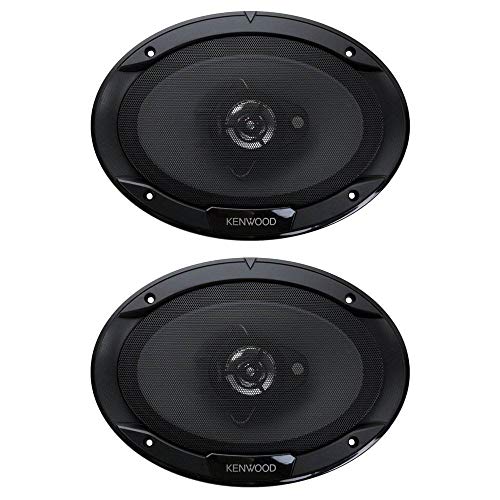

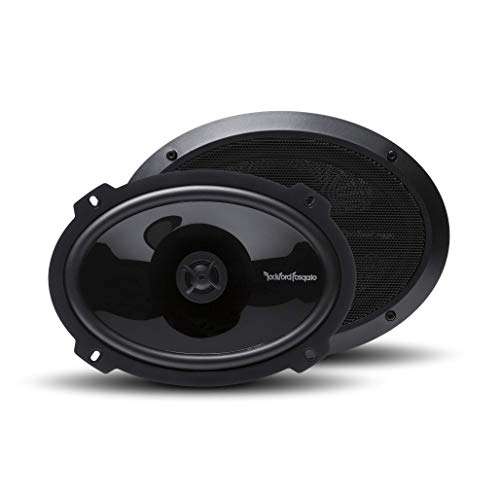
Who Should Buy Which Car Speakers?
Start with how you actually listen. Your music style, volume habits and plans for the car point to a different speaker profile than your neighbor's needs, even in the same model of car.
For Value Seekers
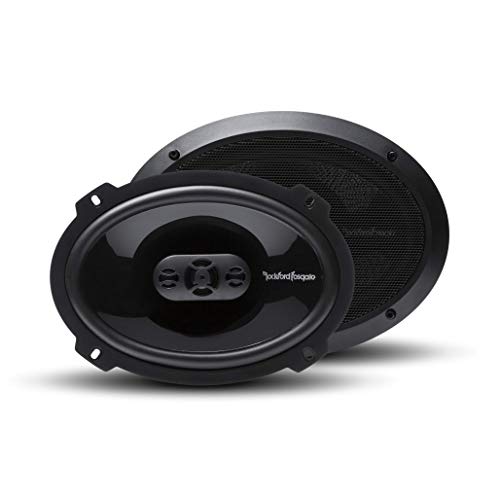
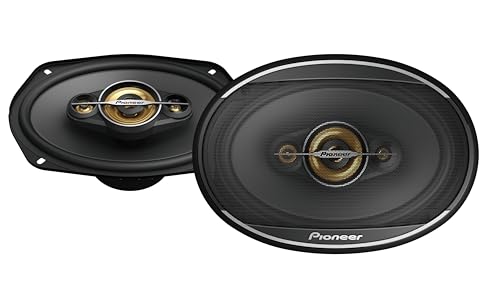
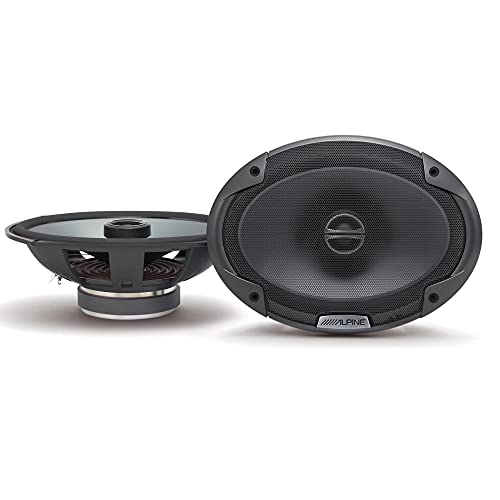
Value seekers want clear sound and solid bass for the money, without paying for an amp or extra boxes. Look for larger coaxial speakers that fit your factory spots, especially 6 by 9 inch rear deck speakers where space allows, because cone area moves more air and helps bass. Prioritize honest RMS ratings, rubber surrounds and sensitivity of 90 dB or more. That mix gives strong daily sound on head unit power and holds up well over years of use.
For Gift Shoppers
Gift shoppers need a safe and simple choice that fits the recipient's car and installs without drama. Choose a widely used factory size, include a wiring harness adapter if you can, and favor speakers with a clear warranty and easy returns. Avoid unusual sizes or component sets that need new tweeter holes. A clean coaxial upgrade in a common size is the gift most likely to be installed quickly and enjoyed right away.
For First Time Buyers
First time buyers benefit from a simple swap that teaches the basics without risk. Pick coaxial speakers in the exact factory size, match impedance at 4 ohms and keep RMS needs close to what a stock head unit provides. Skip separate crossovers and custom mounts on your first job. You will hear clearer vocals and fuller sound, learn how your door panels come apart and leave room to grow later if you want more.
If bass is your top concern within this no subwoofer plan, see our guide to the best car speakers for bass without subwoofer for a deeper look at cone size and rear deck options. That focus helps when low end matters more than sparkle in the highs.
Key Features to Compare
Without a dedicated bass box, your main speakers must cover the full range on their own. The features below decide how complete that coverage feels at real road speeds.
Why Choose a Car Speaker Without Subwoofer
Choosing speakers without a subwoofer keeps your trunk free, your wiring simple and your budget focused on the speakers you hear most. It also keeps the car easy to sell or return to stock. The limit is physics: small door speakers cannot reproduce the lowest bass notes at high volume. If you accept that limit and choose larger cones where they fit, you can still get warm and satisfying low end for most music.
Performance Specs
Read RMS watts for steady power handling and ignore peak figures when you compare. A low frequency response figure near 40 to 50 Hz suggests better bass reach, though the installed result depends on door sealing and mounting. Sensitivity of 90 dB or higher helps you reach good volume on factory power. If you plan a small amp later, choose speakers whose RMS range leaves headroom for that step.
Build Quality and Weather Resistance
Door speakers live with moisture and temperature swings, so materials matter for both sound and life. Polypropylene and treated composite cones resist humidity, while rubber surrounds stay flexible longer than foam in heat. A rigid basket and secure terminals prevent rattles that can masquerade as poor bass. In rear deck spots, sun exposure is hard on surrounds, so UV resistant materials are a plus worth paying for.
Ease of Installation
Coaxial speakers in factory spots are usually plug and play with the correct harness adapter, which avoids cutting wires. Component sets can sound better but need tweeter placement and crossover mounting, adding time and skill. Check whether your car needs spacers to clear the window track, and budget for panel clips that often break during removal. A careful, rattle free install does more for bass than a small spec advantage.
Vehicle Compatibility
Confirm diameter, mounting depth and impedance for your exact year, model and trim before you order. Some cars use 2 ohm factory speakers with a factory amp, and fitting 4 ohm replacements there can lower volume. Others have shallow doors that rule out deep magnets. Use a fit guide, then verify with your current speaker if you can. Correct fit protects both sound quality and your weekend schedule.
Many drivers pair this approach with factory power only. If that is your plan, see our guide to the best car speakers without amp for how sensitivity and RMS matching change when no amp is involved.
Common Mistakes to Avoid When Buying Car Speakers
- Choosing only by price and ending up with low sensitivity speakers that sound quiet on factory power.
- Ignoring bass limits and expecting small 4 inch speakers to fill a cabin with deep low end.
- Buying a size that is too large or too deep for the door, then forcing a poor mount that rattles.
- Skipping the harness adapter and cutting factory wires, which complicates any later change.
- Forgetting to check warranty length and return terms before the install begins.
One practical skill helps any setup without a subwoofer: set your bass and treble controls with care. A small bass lift can warm the sound, but a large lift forces small cones to move too far and creates distortion that sounds like weakness. Instead, reduce a harsh treble setting slightly and let volume do the work. On head units with a loudness setting, try it at low volume only, because its effect fades as volume rises.
Care and Maintenance Tips
Check your owners manual for factory speaker specs before you change anything, and keep the factory speakers stored safely in case you want to refit them later. Keep door drain holes clear so water does not sit near the new cones. Clean grilles with a soft brush rather than soaking them, and avoid pressing on tweeters when you wipe the dash. If a rattle appears, check panel clips and speaker screws first, because loose hardware is the most common cause.
FAQs
Will car speakers without a subwoofer fit my vehicle?
Yes, if you choose the factory size and a mounting depth your doors or rear deck can accept. Fit is about your specific car, not about the absence of a subwoofer. Measure depth, confirm impedance and check whether a spacer is needed. A fit guide for your trim level gives the fastest reliable answer before you order.
What specs matter most for car speakers without a subwoofer?
Cone size, sensitivity and honest low frequency response matter most when there is no subwoofer. Larger cones move more air, high sensitivity gives volume on factory power and RMS ratings show what the speaker can sustain. In practice, a well sealed door mount improves bass more than a small difference in printed response figures.
How long do car speakers without a subwoofer last?
They typically last about six to ten years, in line with other car speakers of similar quality. Life depends on materials, heat and how often you play at distortion levels. Rubber surrounds and moisture resistant cones last longest in doors. Playing just below the point where sound turns harsh protects the drivers and your ears.
Do I need professional installation for car speakers without a subwoofer?
No, a coaxial swap in factory spots is a manageable home job with basic tools and adapters. Professional help makes sense if your car has door airbags, a factory amp with unusual impedance or panels you are nervous about removing. A shop can also seal and damp the doors, which noticeably improves bass from the same speakers.
Wrapping Up on Car Speakers Without Subwoofer
Match the speaker to your use case, favor larger cones where they fit and insist on high sensitivity for factory power. Those choices give the best car speakers without subwoofer their full and balanced sound without extra boxes or wiring. Compare your short list in the product table above, and if you later decide you do want dedicated bass, see our guide to the best subwoofer speakers for car to understand what that next step adds. Compare the best car speakers without subwoofer in the table above one last time before you order.