Best Car Speakers and Subwoofers 2026: How to Build a Balanced System
Disclosure: We may earn a commission when you buy through links on this page, at no extra cost to you. As an Amazon Associate I earn from qualifying purchases. Learn more
Learn how best car speakers and subwoofers work together, what to check for fit, power and bass, and how to build a balanced system without wasting money.
Upgrading best car speakers and subwoofers can transform daily driving, but the best result comes from a balanced system, not the loudest single part. The comparison table below outlines the main choices, and this guide explains how speakers and subwoofers share the work. Door speakers handle voices and detail, while a subwoofer adds the deep bass that small speakers cannot reproduce cleanly.
Many buyers start with door speakers alone and wonder why bass still sounds thin. Others add a large subwoofer first and find the rest of the music buried. A good system matches speaker size to the car, amplifier power to speaker needs and subwoofer size to the available space. When those pieces fit together, music sounds full at normal volume, not just at high volume.




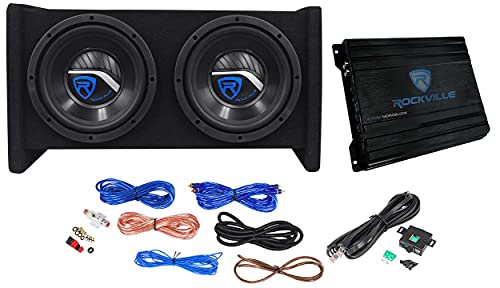

Start With How You Listen
Fit matters as much as sound quality. Speaker depth, mounting shape and wiring access vary by vehicle, so check your car model before ordering. A speaker that needs cutting or custom brackets adds cost and risk. Measure twice, and confirm whether your factory radio or amplifier can drive the new parts properly.
Listening habits should guide the whole system design. A commuter who mainly hears podcasts needs clarity and low fatigue, not heavy bass. A music lover who enjoys full range albums needs balanced speakers and controlled low end. A bass enthusiast needs a subwoofer with proper power and enclosure.
Defining your main listening first prevents spending on parts that do not serve your daily drive.
Who Should Upgrade Their Car Audio
Commuters who listen daily benefit most from clearer door speakers, since voices and podcasts become easier to follow over road noise. You do not need a huge system for this. A well chosen speaker upgrade with proper sealing often delivers the biggest daily improvement for the money.
Music lovers who enjoy bass heavy genres will want a subwoofer as well. A modest sealed subwoofer adds depth without shaking the whole car. Show and competition builds go further, but they need serious power, electrical upgrades and space. Match the build to your listening habits, not to someone else's showcase.
Key Features to Compare
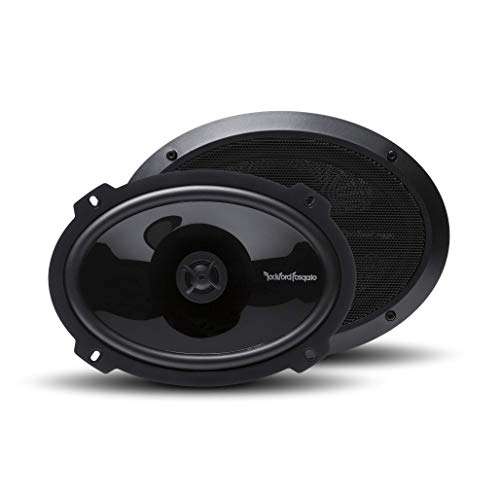
Speaker size and sensitivity matter more than headline wattage. Sensitivity tells you how loud a speaker plays from a given amount of power, which matters if you keep the factory radio. Higher sensitivity speakers sound fuller on low power. Lower sensitivity speakers need an amplifier to shine, so budget for one if you choose them.
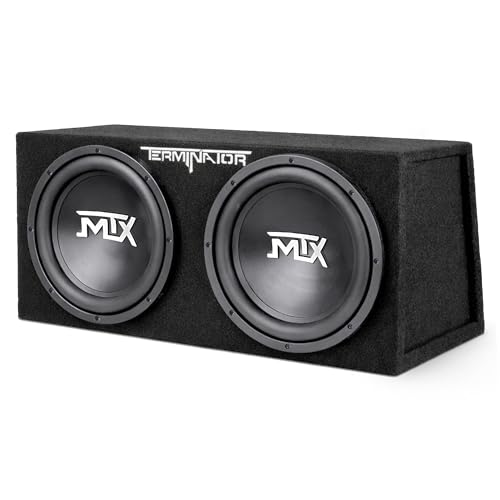
For subwoofers, check size, enclosure type and power handling. Sealed boxes give tight, accurate bass and need less space. Ported boxes play louder but need more room and careful tuning. Power handling should match the amplifier output, not exceed it by a huge margin.
A matched pair sounds cleaner and lasts longer.
Speakers and Subwoofers Working Together
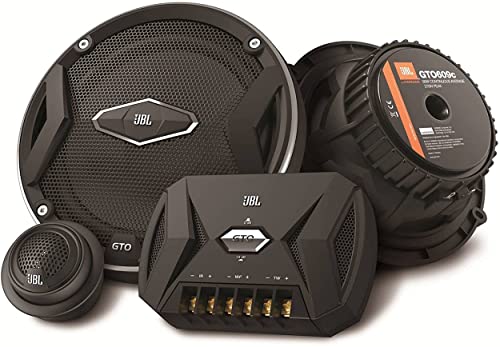
A crossover setting decides which sounds go to the door speakers and which go to the subwoofer. Without it, door speakers try to play deep bass, distort and wear out faster. Most amplifiers and many modern radios include crossover controls. Set the crossover so door speakers handle midrange and treble while the subwoofer handles only low bass.
Placement also matters. Door speakers should be sealed and solidly mounted so sound does not leak into the door cavity. Subwoofers usually sit in the trunk, where the car body shapes the bass. Test the system from the driver seat at normal volume.
If bass feels boomy or voices sound thin, adjust crossover and gain before buying more parts.
Power, Wiring and Installation
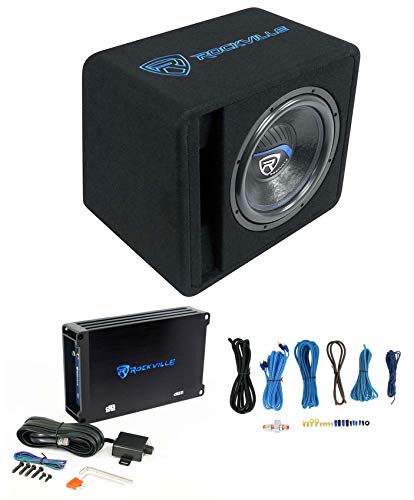
Check your car electrical system before adding a powerful amplifier. A modest system works fine on most factory electrics. A large system may need thicker power cable, a better ground and, in some cases, a stronger battery or alternator. Skimping on wiring causes voltage drops, noise and heat, so buy proper cable and fuses.
If you are not confident with wiring, a professional install is worth the cost. Door panels, airbags and factory wiring need care. A good installer will seal speakers, route cables safely and set gains correctly. Keep the factory parts in case you sell the car later, since a clean install protects resale value.
Budget and Common Mistakes
A common mistake is spending everything on a subwoofer and leaving weak door speakers. The result is loud bass with muddy voices. Spend across the system: decent door speakers first, then a matched subwoofer and amplifier. Another mistake is chasing peak wattage numbers, which tell you little about real sound quality.
Budget in tiers. A speaker only upgrade suits modest budgets. Adding a compact powered subwoofer suits the next tier. A full amplified system with a separate subwoofer suits serious listeners.
At every tier, leave room in the budget for wiring, adapters and installation, since those hidden costs surprise many buyers.
Quick Checklist Before You Buy
- Match speaker sensitivity to your radio or amplifier power.
- Use a crossover so door speakers avoid deep bass duty.
- Choose sealed boxes for tight bass and ported boxes for louder output.
- Budget for wiring, adapters and installation, not just parts.
- Test from the driver seat at normal listening volume.
To compare narrower options, look at guides for speaker only setups, bass focused systems and subwoofer choices alongside this overview. best car speakers without subwoofer, best car speakers for bass with subwoofer, best subwoofer speakers, best sounding car speakers, best car speakers for bass without subwoofer.
Getting the Most From Your Choice
Factory systems vary widely, and knowing your starting point saves money. Some cars already include decent speakers and only need a subwoofer for depth. Others have weak door speakers that distort early and need replacement first. Listen critically to your current system at normal volume and note what is missing: clarity, bass, volume or all three.
That diagnosis shapes the upgrade order.
Upgrading in stages spreads cost and lets you judge each change. Start with door speakers and sealing, since that improves every type of listening. Add a subwoofer next if bass still feels thin. Add an amplifier last if volume or clarity still falls short.
Staged upgrades also make troubleshooting easier, since each new part can be tested alone.
A Final Check Before You Order
Road noise competes with music, especially at highway speeds. Sound deadening in doors and floors reduces noise and lets you listen at lower, safer volumes. Tire choice and window seals also affect cabin noise. A quieter cabin makes a modest audio system sound far better than a loud system fighting noise.
Future resale deserves thought. Keep factory speakers and brackets in a labeled box, and avoid cutting factory wiring where adapters exist. A reversible install protects resale value and lets you move good parts to a next car. Document your install with photos, so future troubleshooting or removal stays simple.
Frequently Asked Questions
Do I need an amplifier for new car speakers?
You need an amplifier if your new speakers have low sensitivity or high power needs, or if you want clean volume above factory levels. Many higher sensitivity speakers work well on a factory radio. If sound distorts at your normal volume, or bass feels weak, an amplifier is the likely fix. Match amplifier power to speaker ratings for the cleanest result.
What size subwoofer is best for a car?
A compact 8 inch or 10 inch subwoofer suits most daily drivers and small trunks, giving solid bass without taking much space. A 12 inch subwoofer suits larger cars and bass heavy music. Larger sizes need bigger boxes and more power. Measure your trunk first, then choose the largest size that still leaves practical luggage space.
Sealed or ported box: which should I choose?
Sealed boxes give tight, accurate bass and are easier to place in small trunks. Ported boxes play louder at certain frequencies and suit listeners who want maximum impact. Ported boxes need careful tuning and more space. For everyday listening, sealed boxes usually satisfy, while ported boxes suit bass focused builds with proper setup.
Will new speakers fit my car without cutting?
Many cars accept standard speaker sizes with adapter brackets, but depth and mounting shape vary. Check your car model, door depth and speaker mounting pattern before ordering. Adapter rings and wiring harnesses avoid cutting factory wires. If a speaker needs trimming, consider a shallower model or a professional install instead.
Why does my bass sound boomy after an upgrade?
Boomy bass usually comes from crossover settings, gain set too high or a box that does not suit the subwoofer. Lower the gain, raise the crossover point slightly and check box size against the maker guidance. Sealing door speakers also helps, since leaks let midrange energy escape. Adjust settings step by step before replacing parts.
Final Thoughts on Car Speakers and Subwoofers
A balanced system beats a loud one. Use the product table above to compare speaker and subwoofer options, then match size, sensitivity and power to your car and listening habits. Small, careful choices add up to sound you enjoy every day.
Start with door speakers, add a matched subwoofer when bass matters, and set crossovers carefully. That order keeps spending sensible and sound quality high. With the right fit and setup, even a modest system can make every drive noticeably more enjoyable.
A balanced, well installed system makes every journey more pleasant, and best car speakers and subwoofers reward careful matching over sheer size or power. Use the product table above to review your shortlist, then upgrade in stages and enjoy each improvement as it arrives. Compare the best car speakers and subwoofers in the table above one last time before you order.