Best Car Scratch Remover for Every Need: How to Pick the Right One
Disclosure: We may earn a commission when you buy through links on this page, at no extra cost to you. As an Amazon Associate I earn from qualifying purchases. Learn more

The best car scratch remover for every need: beginner kits, value compounds and machine polishes compared.
Light scratches, swirl marks and paint transfer make even a well kept car look tired, and a body shop visit for minor marks can be expensive. Car scratch removers use fine abrasives to level the clear coat around a scratch so it reflects light evenly again, which can make light and moderate marks disappear. But products range from simple hand applied kits to professional compounds for machine polishers, and the right one depends on the depth of the scratch, your experience and your tools. This guide to the best car scratch remover options starts with how you will use them, then matches the features that matter.
We cover who should buy which type, key features to compare, common mistakes, setup and care tips and answers to common questions. Every product in the table above is sold new on Amazon US. Work in the shade on a cool panel, wear gloves and eye protection when using compounds or machine polishers and keep products away from children.




Who Should Buy Which Car Scratch Removers?
Experienced detailers should buy professional compounds and polishes for machine use, first time buyers should buy all in one kits and value seekers should buy versatile one step compounds that work by hand or machine. Here is how to match a product to your needs.
Start by judging the damage. Light swirl marks from automatic car washes, fingernail marks around door handles and paint transfer from a bumper tap are ideal jobs for a scratch remover. Scratches that show primer or bare metal need paint, not polish.
For People Who Want the Best Performance
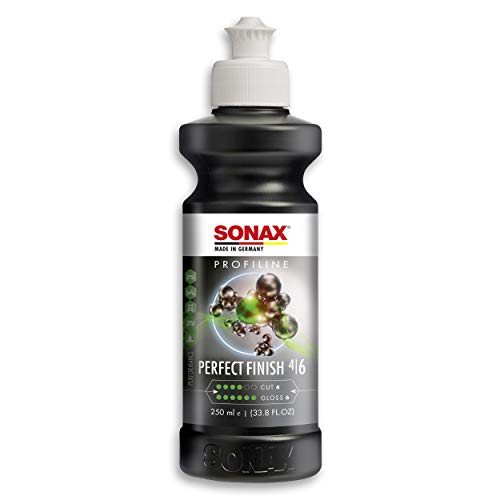
Enthusiasts with a dual action or rotary polisher get the best results from professional compounds and polishes. SONAX Perfect Finish, at around $25 for 250ml, removes sanding marks of P2000 grit or finer, dust inclusions, paint runs and water spots in a single step, with a silicone free formula and diminishing abrasives that finish to an OEM high gloss, according to SONAX. SONAX recommends a rotary polisher with its orange polishing pad.
Griot's Garage BOSS Correcting Cream, at around $25 for 16 ounces, and 3D One Hybrid Rubbing Compound and Polish, at around $32 for 16 ounces and made in the USA, are other popular choices for machine paint correction. Pair them with quality pads like the SPTA 5 piece 6.5 inch foam pad set, which includes heavy, medium and light cut pads plus finishing pads.
Machine polishing works best as a two step process when paint is badly swirled: a compound to remove defects, then a finishing polish to restore gloss. One step products save time on paint in decent shape. SPTA says its pad set fits dual action, rotary and pneumatic polishers with hook and loop backing plates.
For First Time Buyers
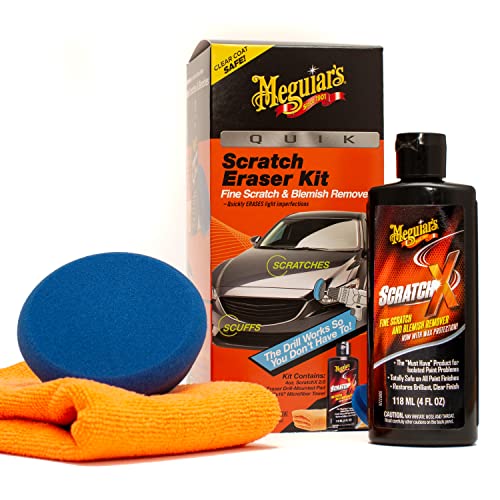
Beginners should start with a complete kit designed for hand or drill use. Meguiar's Quik Scratch Eraser Kit, at around $18, includes a 4 inch Scratch Eraser Pad that attaches to a household drill, a 4 ounce bottle of ScratchX and a 16 by 16 inch microfiber towel, according to Meguiar's. ScratchX removes light scratches, scuffs, blemishes and paint transfer from glossy paint and clear coats.
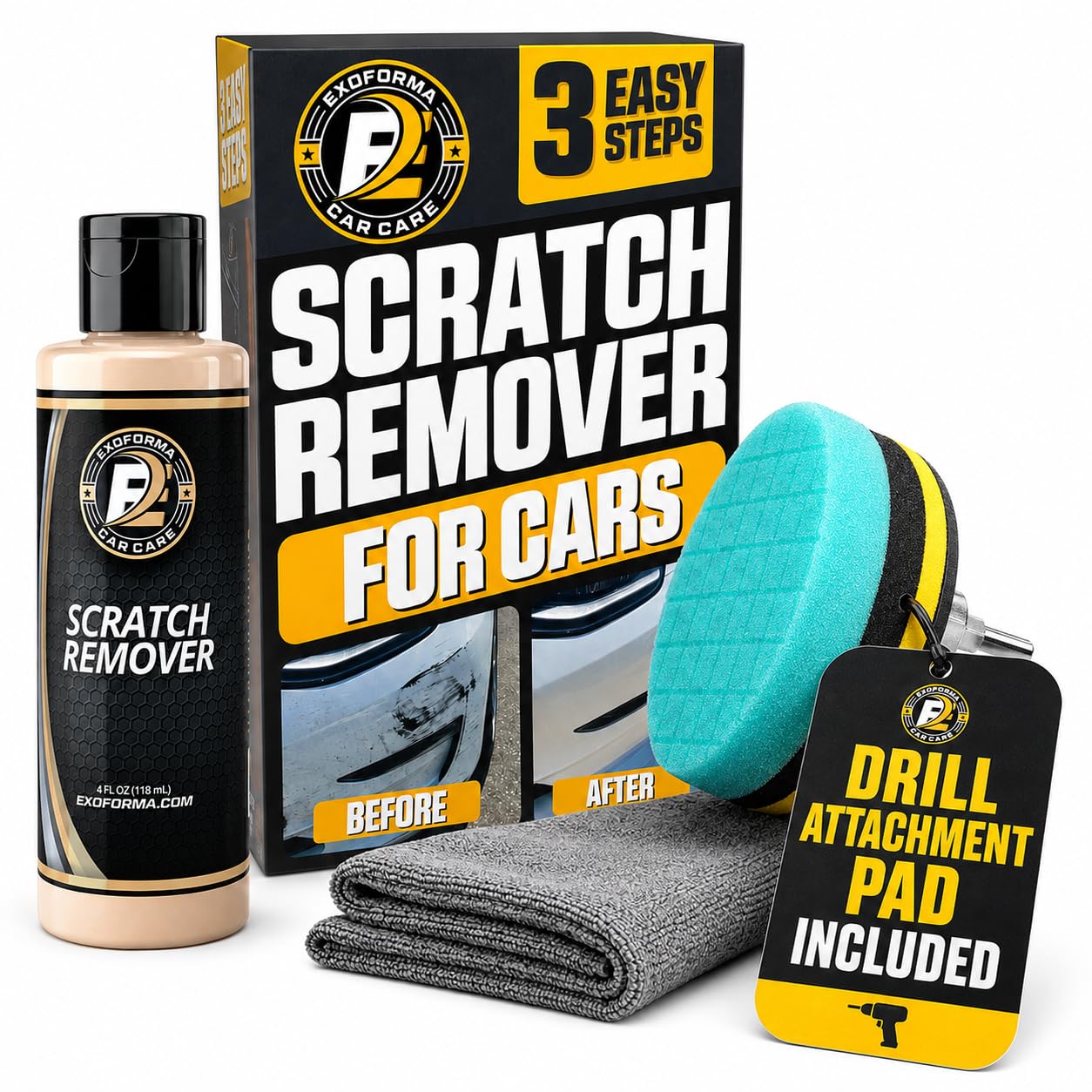
Meguiar's recommends four to six overlapping passes, then a wax for protection. The ExoForma Car Scratch Remover Kit, at around $25, also includes a drill attachment, polishing pad and microfiber towel.
Practice on a small, less visible area first, like the lower door or behind the license plate, to get a feel for pressure and passes before working on the hood. Meguiar's G190200 Scratch Removal Kit, at around $23, is another beginner option for light scratches and swirls.
For Value Seekers
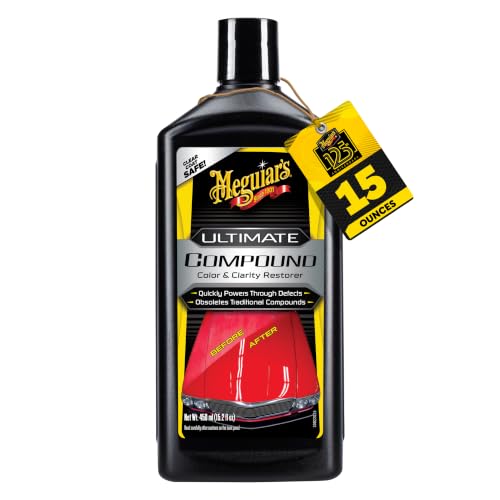
Value seekers should choose a versatile compound that handles several jobs. Meguiar's Ultimate Compound, at around $14 for 15.2 ounces, removes scratches, swirls, oxidation and water spots, is clear coat safe and works by hand or dual action polisher without hazing, according to Meguiar's.
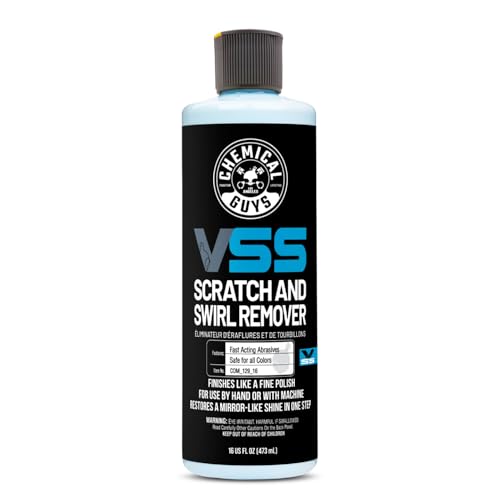
Chemical Guys VSS One Step Scratch and Swirl Remover, at around $22 for 16 ounces, combines cutting and finishing in one formula for light to moderate scratches, is silicone free and safe on clear coat, single stage and ceramic coated paint and works by hand or machine, according to Chemical Guys.
One bottle of a versatile compound can handle several cars or seasons of touch ups. Store bottles tightly closed so the abrasives do not dry out or separate, and shake well before each use.
The 3D One Hybrid Rubbing Compound and Polish also comes in an 8 ounce size at around $24, which suits occasional touch ups. Carfidant Scratch and Swirl Remover, at around $40, is marketed as a polishing compound and paint restorer for vehicles.
Key Features to Compare in the Best Car Scratch Remover
Price per use, abrasive type, intended use, support and safety matter most. Here is what to look for.
The best car scratch remover for you balances cutting power with ease of use. Too weak, and scratches remain; too aggressive, and you risk haze or thin clear coat. Most people do best starting with a gentle product and stepping up only if needed.
Price vs Value
Compare ounces and how many jobs a bottle covers. A 15 to 16 ounce bottle of Meguiar's Ultimate Compound or Chemical Guys VSS treats many panels for around $14 to $22. Kits cost more per ounce but include pads and towels. Professional polishes cost more but work faster with a machine.
Remember to count the cost of supplies you may not own, like microfiber towels, applicator pads, painter's tape and a wax or sealant for protection afterward. Kits that bundle these, like Meguiar's Quik Eraser, can save money for first timers.
A small amount goes a long way: a few pea sized drops per section is usually enough, so a 16 ounce bottle covers many panels.
Abrasive Type and Formula
Compounds use more aggressive abrasives to remove deeper marks, while polishes use finer abrasives to refine the finish and add gloss. One step products, like Chemical Guys VSS and 3D One, combine both. Diminishing abrasives, like SONAX's, break down as you work to finish finely. Silicone free formulas suit body shops and paint prep.
Some products contain fillers or glazes that hide scratches temporarily and wash away after a few weeks. SONAX describes Perfect Finish as having no fillers, which means results reflect true correction. If a product makes scratches vanish instantly with no effort, fillers may be doing the work.
Intended Use and Who It's For
Hand applied products suit small spots and beginners. Drill attachments, like Meguiar's Quik Eraser, speed up small repairs. Dual action polishers suit whole panels and enthusiasts. Rotary polishers cut fastest but need experience to avoid burning paint.
Dual action polishers are the safest machine choice for beginners because the pad oscillates as it spins, which reduces heat and the risk of burning through clear coat. Rotary polishers suit experienced detailers.
Paint Compatibility
Most removers work on modern clear coats. Chemical Guys VSS also lists single stage and ceramic coated paint. Check compatibility for older cars, specialty finishes and matte paint, which should not be polished.
Clear coat on most modern cars is thin, so remove only as much as needed. Repeated heavy compounding on the same spot can wear through clear coat, especially on edges and body lines.
Plastic headlight lenses need dedicated headlight restoration products rather than paint compounds.
Safety and Ventilation
Wear gloves and eye protection, especially with machine polishers, which can throw product. Work in a ventilated area. Keep compounds off rubber trim and plastic, which can stain. Store products in a cool place away from kids.
Keep the polisher cord over your shoulder so it does not drag across the paint, and start the machine with the pad on the surface to avoid slinging product.
Common Mistakes to Avoid When Buying Car Scratch Removers
The most common mistake is expecting a scratch remover to fix deep scratches that go through the clear coat to the primer or metal; those need touch up paint or a body shop. Use the fingernail check: if your nail catches in the scratch, it is likely too deep.
Another mistake is working in direct sun or on a hot panel, which dries product too fast. People also use too much pressure or product, which can haze paint. Finally, skipping wax or sealant after polishing leaves paint unprotected.
Some buyers also choose a machine only product without owning a polisher, or a heavy cutting compound for paint that only needs a light polish. Read the label to see whether a product is meant for hand or machine use.
Setup and Care Tips
Wash and dry the car first so dirt does not scratch the paint during polishing. Clay the area if the surface feels rough. Mask nearby trim with painter's tape.
Apply a small amount of product to the pad and work a small section at a time. Wipe off residue with a clean microfiber towel. Finish with wax or sealant. Clean pads after use and store products sealed.
Work in sections of about 2 by 2 feet, and check results under good light, like a flashlight or sunlight, to spot remaining swirls. Wash microfiber towels separately without fabric softener, which leaves residue that can streak paint.
Frequently Asked Questions
How do I use a car scratch remover?
Wash and dry the area, apply a small amount of product to a pad or applicator, then work it in overlapping passes with moderate pressure until it becomes clear. Wipe away residue and repeat if needed, then protect the area with wax or sealant.
Work in good light and check your progress often. If the scratch is still visible after two or three rounds, it may be too deep for polish alone.
Are expensive car scratch removers worth it?
Expensive removers are worth it for enthusiasts using machine polishers who want faster, cleaner results across whole panels. For small scratches and occasional use, affordable products like Meguiar's Ultimate Compound work well.
The pad and technique often matter as much as the product, so invest in decent pads and towels whatever compound you choose.
What features matter most when buying car scratch removers?
Abrasive strength, ease of use by hand or machine, paint compatibility and value matter most. Kits with pads and towels help beginners.
Silicone free formulas, like Chemical Guys VSS and SONAX Perfect Finish, matter if you plan to repaint or apply a ceramic coating afterward, since silicone can interfere with paint and coatings.
How long does a car scratch remover last?
The repair itself is permanent because it levels the clear coat, though new scratches can appear. A bottle lasts many uses. Store products sealed and away from heat; most last a couple of years.
Protect the repaired area with wax, sealant or a ceramic coating, and wash with clean mitts and the two bucket method to avoid adding new swirl marks.
How much should I spend on a car scratch remover?
Most people spend around $14 to $25 on a compound or kit. Machine polish systems cost more when you add pads and a polisher.
A dual action polisher adds cost, but it speeds up work on whole panels and gives more consistent results than hand polishing.
Wrapping Up
The best car scratch remover matches the depth of the scratch and your skill level. Meguiar's Quik Scratch Eraser Kit suits beginners, Meguiar's Ultimate Compound and Chemical Guys VSS offer great value and SONAX Perfect Finish, Griot's BOSS and 3D One suit machine polishing enthusiasts. Check scratch depth, work in the shade and finish with protection.
Start gently, check your progress in good light and protect the finish when you are done.
For more car care guides, see the best car shampoo, the best car sealant, the best car covers and the best car vinyl wrap tool kits. Then compare current prices in the product table above.