
Best Car Shampoo: A Buying Guide to a Safer, Swirl-Free Wash
Grabbing whatever bottle of dish soap is under the sink feels harmless until your paint starts looking dull and water stops beading the way it used to. The truth is that not every soap belongs on a clear coat, and finding the best car shampoo for your situation comes down to a handful of factors most people never think about until something goes wrong. This guide breaks down what actually separates a good car shampoo from a mediocre one, how the different formulas work, and how to use whichever one you pick without adding swirl marks in the process.

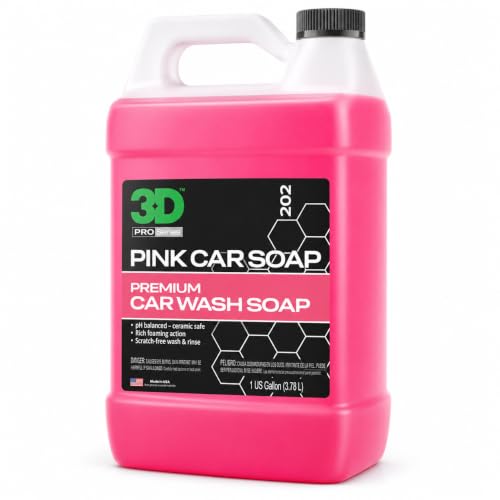
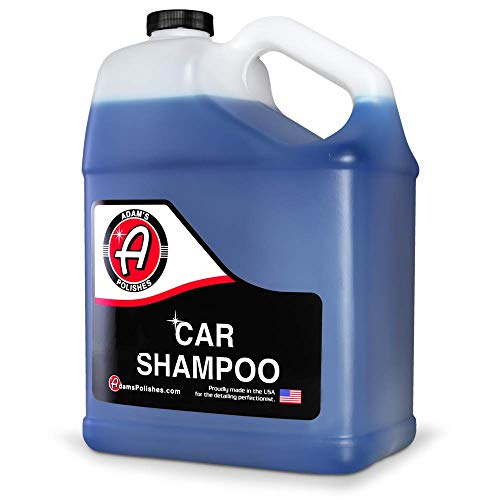
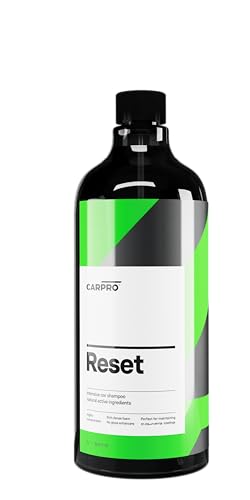
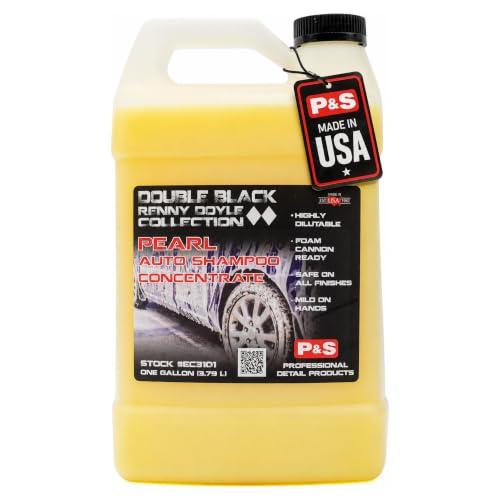
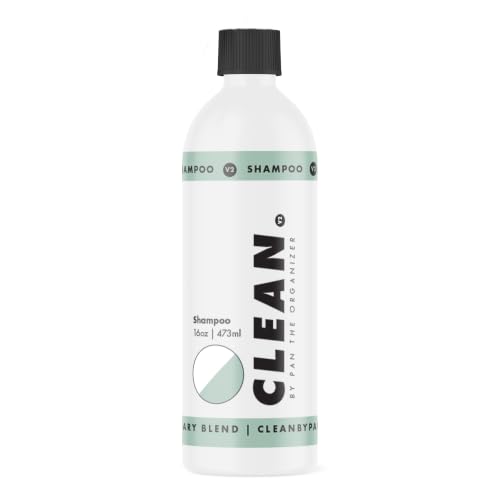
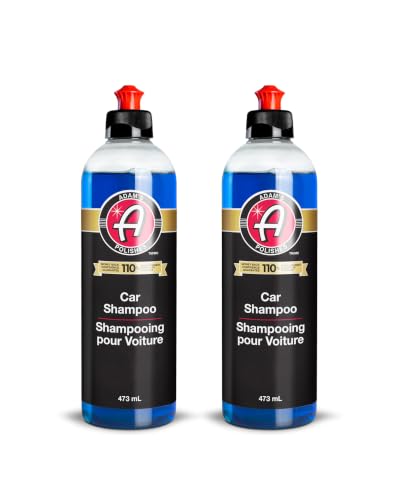
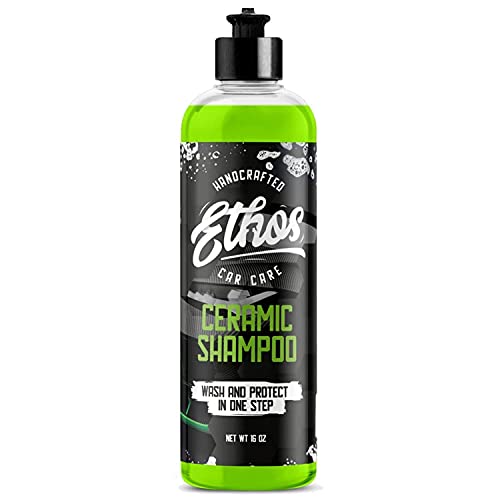
Why pH Balance Should Be the First Thing You Check
Every car shampoo bottle claims to be safe for your paint, but the ingredient that determines whether that's true is pH. A shampoo that sits close to neutral is far less likely to strip wax, sealant, or a ceramic coating off your paint, while anything more alkaline starts eating into whatever protection layer you already have.
What pH-Neutral Actually Means for Your Paint
A neutral formula cleans by lifting dirt and oils away from the surface rather than dissolving them chemically. That gentler approach means it leaves wax, sealant, and ceramic coatings intact instead of slowly breaking them down wash after wash, which is exactly why most detailers stick to it as a baseline requirement.
Why Dish Soap and Household Cleaners Fall Short
Dish soap is built to cut through grease, and it does that job on paint too well. It strips wax and sealant along with the dirt, leaves the surface stripped of any water-repelling properties, and can dull the finish over repeated washes. It has its place for spot-cleaning tar or sap right before a full detail, but it's not a substitute for a proper car shampoo in your regular routine.
How to Tell If a Shampoo Is Actually Coating-Safe
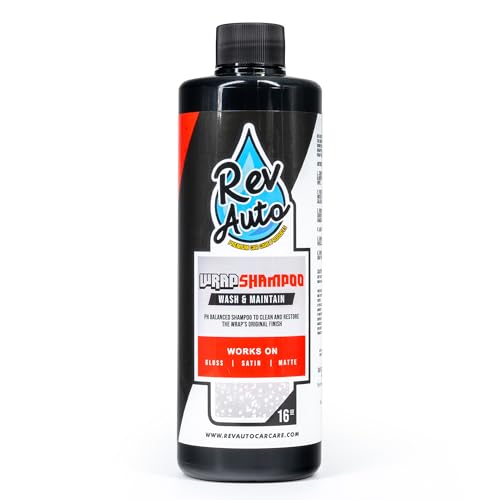
Look for language on the label that specifically mentions compatibility with wax, sealants, or ceramic and graphene coatings, not just generic "gentle formula" claims. Shampoos made for coated paint are usually labeled as maintenance or "coating-safe" washes, and they tend to skip the wax-boosting additives that can interfere with how a coating beads and sheets water.
Suds, Lubricity, and Cleaning Power: What Separates a Good Wash From a Mediocre One
Once pH is settled, the next thing that matters is how the shampoo behaves while it's actually on the paint. Two shampoos can both be pH-neutral and still perform completely differently in the bucket.
Why Thick Foam Isn't Just for Show
Rich, dense suds aren't purely cosmetic. Thicker foam means more lubricant sitting between your wash mitt and the paint, which is what keeps loose grit from grinding into the clear coat as you wipe. A shampoo that foams thin might still clean fine, but it gives you less of a safety cushion against scratching.
Cleaning Strength for Road Grime vs. Light Dust
If your car mostly collects a light layer of dust and pollen, almost any decent shampoo handles it. Heavier road film, tar splatter, and baked-on grime need a formula with more active cleaning power, which usually means a slightly higher concentration of surfactants rather than a fundamentally different product.
Gloss-Boosting Additives: Worth It or Not
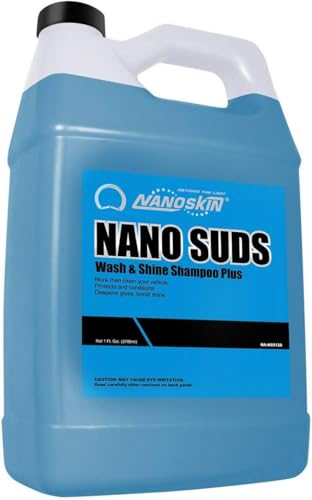
Some shampoos blend in a small amount of wax or polymer to add shine as you wash, which is convenient if you're short on time. The tradeoff is that these blended formulas usually can't lay down protection as thick or long-lasting as a separate wax or sealant applied on its own, so treat them as a shortcut rather than a real substitute.
Matching the Shampoo to How You Actually Wash
Not every car shampoo is built for the same washing setup, and using the wrong one for your method wastes product and can leave streaks or residue behind.
Traditional Bucket and Mitt Washing
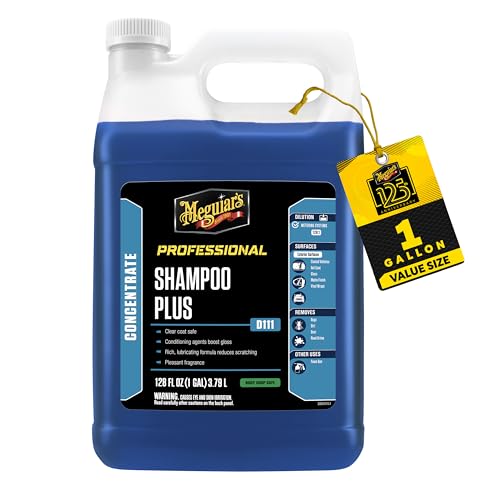
Standard concentrated shampoos are formulated to foam up in a bucket with a wash mitt, and this is still the most common and thorough way to hand wash a car. It requires the least equipment but relies most heavily on technique to avoid dragging grit across the paint.
Foam Cannons and Pressure Washers
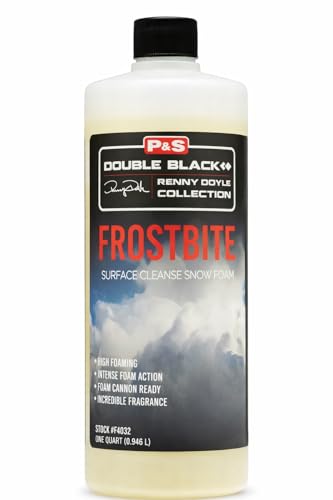
Foam cannon formulas are usually thinner and designed to expand into a thick blanket of foam when mixed with pressurized water and air. That foam clings to the surface and starts breaking down grime before you ever touch it with a mitt, cutting down on the contact that causes swirls. Not every bucket shampoo foams well through a cannon, so check that a product is rated for both if you switch between methods.
Waterless and Rinseless Options for Light Touch-Ups
For quick refreshes between full washes, or when a hose isn't practical, a spray-and-wipe product fills that gap without any water at all. A good quick detailer spray can knock down dust and restore some gloss in a few minutes, though it's not a replacement for a proper wash when the car is genuinely dirty.
Getting the Dilution Right So the Product Actually Works
Car shampoo is concentrated, and how you dilute it affects both cleaning performance and how far a bottle actually stretches.
Bucket Ratios vs. Foam Cannon Ratios
Most concentrated shampoos call for somewhere around 1 to 2 ounces per standard wash bucket, while foam cannons typically start around a 10 to 1 water-to-soap ratio and get adjusted based on your pressure washer's flow and the cannon's nozzle design. Using too little wastes the trip to the bucket, and using too much just rinses down the driveway without adding any extra cleaning benefit.
Why Concentrate Strength Affects Cost Per Wash
A bottle that looks expensive upfront can end up cheaper per wash if it's highly concentrated and only needs a capful. When comparing price, it's worth checking the recommended dilution ratio rather than just the sticker price on the bottle, since a diluted-out product can require two or three times as much per wash to work properly.
Washing the exterior is only part of keeping a car looking cared for. Pairing a good wash routine with regular interior upkeep, including a portable car vacuum for crumbs and dust between details, rounds out the picture without much extra effort.
Frequently Asked Questions
What's the real difference between car shampoo and dish soap?
Car shampoo is formulated to be pH-neutral and includes lubricants that protect the paint while cleaning. Dish soap is designed to strip grease and will also strip wax, sealant, and coatings, which makes it too harsh for regular washing.
Will car shampoo strip wax, sealant, or ceramic coating?
A pH-neutral shampoo shouldn't strip a protective layer under normal use. Alkaline or "stripping" shampoos are made specifically to remove old wax before a fresh coat, so check the label if you want your existing protection to last.
How much car shampoo should I use per bucket?
Most concentrated formulas call for roughly 1 to 2 ounces in a standard 3 to 5 gallon bucket, though it's worth checking the specific product label since concentration levels vary quite a bit between brands.
Can I use car shampoo in a foam cannon?
Only if the label says it's rated for foam cannon use. Some bucket-only formulas don't foam properly under pressure, while dedicated foam cannon shampoos are built to expand into thick, clinging suds.
Do I still need the two-bucket method if I use a good shampoo?
Yes. A quality shampoo reduces friction and adds lubrication, but it doesn't remove the risk of dragging grit across the paint. Rinsing your mitt in a separate bucket between panels is still the main defense against swirl marks regardless of which product you use.
How often should I wash my car with shampoo?
Every one to two weeks is a common baseline for most climates, though cars parked outdoors near pollen, salt, or heavy road grime often benefit from more frequent washing to prevent buildup from sitting on the paint too long.
Is snow foam the same thing as car shampoo?
Not exactly. Snow foam is typically the pre-wash foam applied through a foam cannon to loosen dirt before contact washing, while car shampoo is the product used with a mitt during the actual hand wash. Some formulas are made to work as both.
Making Your Decision
The right car shampoo comes down to matching pH-neutral, coating-safe cleaning power to whatever method you actually use to wash, then diluting it correctly so it performs the way it's meant to. Get those pieces right and the shampoo itself matters less than the habits you build around using it.