
Best Backup Cameras for Vehicles: Matching the Right Camera to Your Vehicle for 2026
Disclosure: We may earn a commission when you buy through links on this page, at no extra cost to you. As an Amazon Associate I earn from qualifying purchases. Learn more
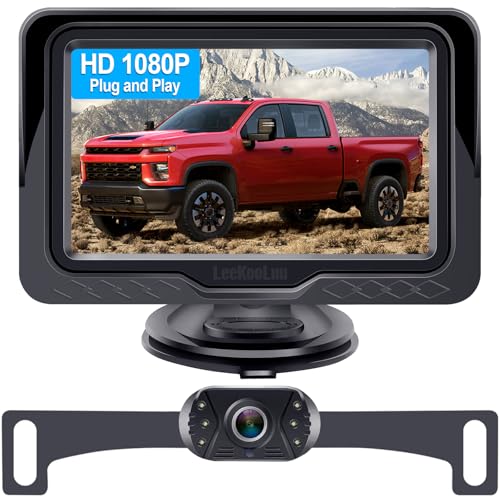
Drivers of cars, trucks, vans and trailers: how to pick the best backup cameras for vehicles by view, signal, sealing and install.
There is no single camera that suits every vehicle, because a compact car, a tall truck and a van towing a trailer ask for very different views. The best backup cameras for vehicles are the ones matched to the length, height and daily routine of the vehicle you actually drive. Whatever you fit, the camera stays a driving aid. It never replaces your mirrors, turning to look, or walking behind the vehicle before you move, and the blind ground right behind a tall vehicle can hide a person or a low obstacle completely.
This guide works by use case first. It sorts vehicles into classes, shows which camera traits each class needs, and only then compares features and prices. Use the product table for the picks themselves, find your vehicle class below, and let it steer the rest of your reading.
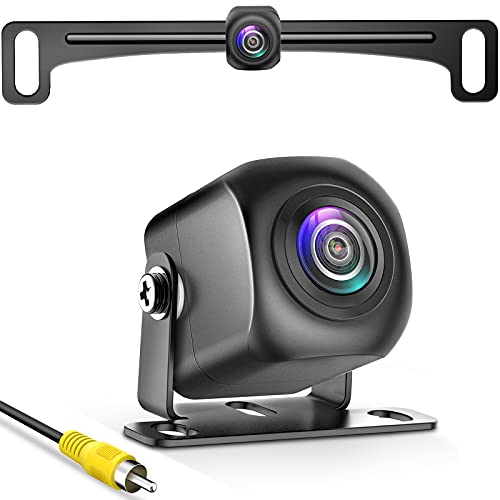

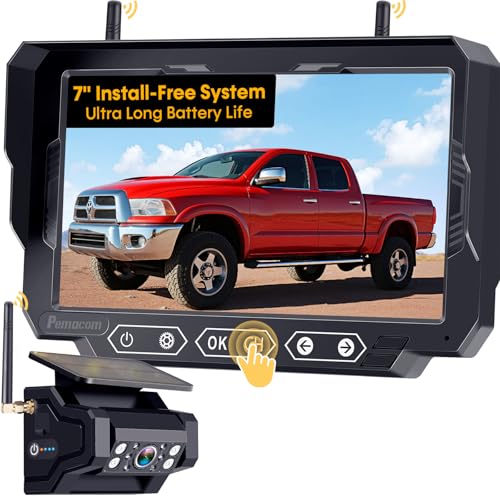


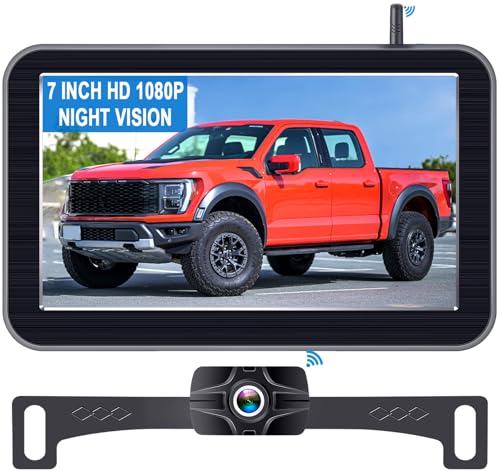
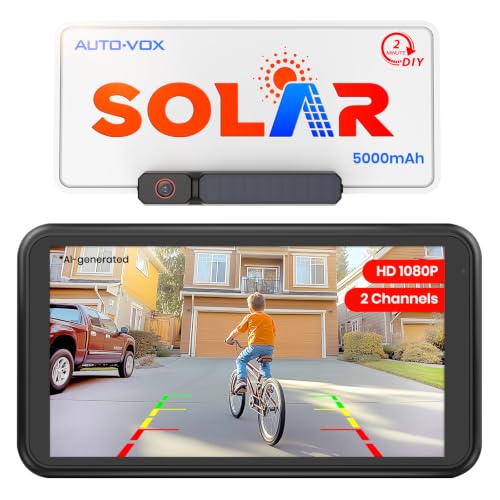


Choosing the Best Backup Cameras for Vehicles by Vehicle Type
Vehicle size changes the reversing problem. A short car needs a clear view of a few feet, a long truck needs reach and height in the picture, and a trailer needs a camera plan of its own. The notes below explain what each class should prioritize and what it can safely skip.
Cars and Small Vehicles
Daily drivers in cars and small crossovers need a dependable picture, fast wake up in reverse and guidelines they can trust in parking lots. Almost any sound kit serves this class, so the deciding factors are screen comfort and install simplicity. Owners who want the car specific version of this advice, including factory screen options, can read the companion guide to best backup cameras for cars. For this class, spend on sealing and a clear screen rather than on extra camera channels you will never wire up.
Trucks and Tall SUVs
Height is the defining fact of this class, and a camera mounted high on a tall tailgate looks down at a steep angle, which shows the ground near the bumper well but compresses distance, so objects look closer to the ground line than they are. A lower mount near the plate gives a flatter, more natural view for judging gaps. Trucks that hitch trailers often add a second aim point or a camera positioned to see the hitch ball. Whichever mount you choose, judge screen distance cautiously until the angle becomes familiar, because the steep view lies politely.
Vans and Work Vehicles
Cargo vans and work vehicles reverse in yards, alleys and loading areas where the rear doors block every other view. This class benefits from a camera mounted high above the doors for a wide look down the length of the vehicle, plus a screen large enough to read while wearing gloves and working quickly. Durability outranks picture sharpness here. Sealed housings, protected cable runs and a lens that survives pressure washing matter more than fine detail, because a work camera that fails in February costs a day of two person reversing.
Trailers and Towed Loads
A trailer needs its own camera plan, full stop. The tow vehicle camera cannot see past the trailer, so the camera belongs on the trailer rear, with a signal or cable link that survives hitching and unhitching. Wireless links suit most owners because the gap between vehicle and trailer breaks fixed cables, while long trailers may need a signal booster or a wired link with a quick disconnect at the coupler. If you tow more than one trailer, a camera you can move between them, mounted on a bracket rather than drilled in, saves buying the same kit twice.
Choosing Backup Cameras for Your Situation
Beyond vehicle class, two situation checks shape the shortlist: how the picture reaches the screen over the distance your vehicle imposes, and what the rules where you live expect from a reversing camera. The distance question is covered under signal runs in the features section. The rules question deserves its own short section, because it is the one buyers most often assume about and get wrong.
Backup Camera Rules: What to Prioritize
Start from one honest fact: camera rules vary by place and by vehicle class, so no guide can state your rule for you. Some places require reversing cameras on new vehicles of certain classes, some set standards only for commercial and fleet vehicles, and others leave the choice entirely to the owner. This article names no specific law, mandate or date, because the registration and inspection rules where you live are the ones that govern your vehicle. Check those rules before buying, especially for work and passenger carrying vehicles, and remember that a fitted camera still has to be aimed and kept clean to serve the purpose behind any rule.
Key Features to Compare
Features only matter when they map to your vehicle class. A note on scope before the details: a reversing camera is a purpose built driving aid, closer in spirit to the wider family of best vehicle cameras than to cameras sold for photography, so judge it on view, reliability and sealing rather than on photo specifications. The five factors below decide whether a camera suits your routine.
Field of View for Long and Tall Vehicles
Field of view trades width against honest distance, and around 120 degrees keeps proportions natural and suits short vehicles. Wider views around 150 to 170 degrees help long and tall vehicles see across a yard or a trailer width, but they bend the edges of the picture and stretch apparent distance. On a long vehicle the bigger risk is the near ground zone, so a view that includes the bumper edge in frame gives you a fixed reference point. If the bumper never appears in the picture, you are guessing where the vehicle ends.
Display Size and Reading Distance
The screen has to be read in a glance, often in bright light and sometimes from a longer seat to dash distance in a truck cab. Larger displays around 7 inches suit vans and trucks, while compact screens suit cars. Brightness and a matte surface matter more than pixel counts, because sun washout is the usual reason drivers stop trusting the picture. Treat every distance shown on screen as approximate, because the picture flattens depth, so use it to spot obstacles and alignment, then confirm close distances with mirrors and a slow crawl.
Signal Runs: Wired vs Wireless Over Distance
Distance is where vehicle class bites hardest. A wired run gives the most stable picture, but on a long vehicle it means routing cable the full length of the chassis, protecting it from heat, road debris and hinge points, then finding clean power. A poor install is the common failure here too, because a chafed chassis cable fails months later and looks like a camera fault. Wireless links remove the long run, and the range of best wireless backup cameras suits most cars and short trailers, but metal bodies and long trailers weaken signals, so check the rated distance against your full hitched length, not just the vehicle alone.
Night View and Work Lights
Reversing at night splits into two situations: lit yards and streets, where a basic sensor copes, and dark rural or work settings, where the camera needs its own light. Emitter ring cameras add short range light and turn the picture monochrome, which is enough to find a gate post or a hitch. Vehicles with rear work lights get a free upgrade, since those lights flood the camera zone. One caution: bright white light aimed at the lens from another vehicle can white out the picture briefly, so an automatic brightness response is worth having in this class.
Sealing for Work and Weather
Vehicle cameras live in spray, dust, salt and vibration. Sealing ratings that cover pressure washing and driving rain suit work vehicles, while lighter ratings suffice for garaged cars. Vibration is the quiet killer on trucks and trailers, so look for housings with firm mounts and strain relieved cables rather than thin stalks. A camera that fogs internally has lost its seal and will only get worse, so replacing a fogged unit early is cheaper than reversing blind through a winter while hoping it clears.
Common Mistakes to Avoid
- Buying by screen size alone and ignoring whether the camera view actually includes the bumper edge as a reference.
- Fitting a car rated wireless kit to a long trailer, then blaming the camera when the signal drops at full length.
- Mounting a truck camera high for a wide view without learning how its steep angle compresses distance.
- Running a chassis cable beside hot or moving parts, which turns a sound camera into an intermittent fault.
- Skipping the rules check for a work or passenger vehicle, where local requirements may set the standard for you.
Keeping a Vehicle Camera Reliable
Reliability is mostly housekeeping. Wipe the lens whenever you fuel up, and add a mid winter wipe for salt film if you drive on treated roads. Every few months, confirm the camera wakes instantly in reverse, check the mount has not shifted after knocks or wash cycles, and inspect any exposed cable at hinge and coupler points for chafing. Drivers who record the road ahead as well as behind often pair the reversing setup with one of the best vehicle dash cameras, but keep the two systems separate in your mind: the dash camera records evidence, the backup camera guides the maneuver, and each needs its own care routine.
Backup Cameras for Vehicles: Questions Answered
What features matter most in backup cameras for vehicles that tow?
A view of the hitch area matters most, followed by a signal link that holds across the full hitched length. A camera aimed to show the hitch ball turns a two person job into a one person job. One point worth adding: carry the reversing routine in stages, using the camera to approach, then getting out to confirm the coupler alignment before the final inches, because the last small distance is exactly where the picture flattens most.
How far can a wireless backup camera signal reach on a long trailer?
Rated distances are measured in open space, and a metal trailer body between transmitter and screen shortens the real reach a lot. As a working rule, treat half the rated figure as the honest planning number for a long metal trailer, and less if the signal must pass through the tow vehicle body as well. If your hitched length pushes past that, a booster aerial or a wired link with a coupler disconnect is the dependable route.
Can one backup camera serve both a truck and its trailer?
Not at the same time, and only awkwardly in turn. The truck camera cannot see through the trailer, so towing needs a camera on the trailer itself. Some owners mount one camera on a bracket and move it between vehicles, which works for occasional towing. Regular towing justifies a dedicated trailer camera, because remounting and re aiming at every hitch up invites the rushed fitting that causes most faults.
Do backup cameras help when hitching a trailer alone?
Yes, they are one of the best uses of the technology, since a camera that frames the hitch lets you back the ball under the coupler without repeated trips out of the cab. The camera does not finish the job, though. You still get out, lower the coupler, lock it, attach chains and cables, and check the lights by hand. The picture guides the approach; the physical checks make the connection secure.
How do I keep a work vehicle backup camera working through winter?
Salt film is the main enemy, so wipe the lens far more often than feels necessary, ideally at every fuel stop. Check the cable where it crosses the rear door hinge or chassis rails, since cold makes insulation stiff and chafe points bite harder. If the picture flickers only on cold mornings, suspect a connector contracting rather than the camera itself. A seasonal five minute inspection in autumn prevents most mid winter failures.
Final Thoughts
Match the camera to the vehicle first: length and height set the view you need, the signal run sets the type you can trust, and sealing sets how long it lasts in your weather. Within those limits, the best backup cameras for vehicles are simply the ones you keep clean, aimed and understood. Browse the picks in the product table before you order, check the rules that apply where you live, and keep the habit that matters most: mirrors first, a walk behind when you can, and the camera as the extra pair of eyes it was built to be.

