Best Backup Cameras for Pickup Trucks at Every Price: What Your Money Gets You in 2026
Disclosure: We may earn a commission when you buy through links on this page, at no extra cost to you. As an Amazon Associate I earn from qualifying purchases. Learn more

Pickup owners: compare the best backup cameras for pickup trucks by price tier, camera type, and screen, with tips for towing and parking.
Pickup trucks have long beds, high tailgates, and big blind spots, so a clear view behind the truck changes daily driving. The best backup cameras for pickup trucks range from about $50 license plate kits to $400 multi camera systems, and the differences are real. This guide explains what each price tier delivers, which upgrades earn their cost, and which ones you can safely skip.
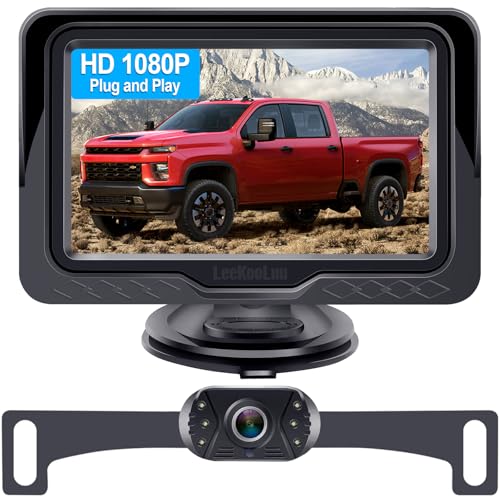
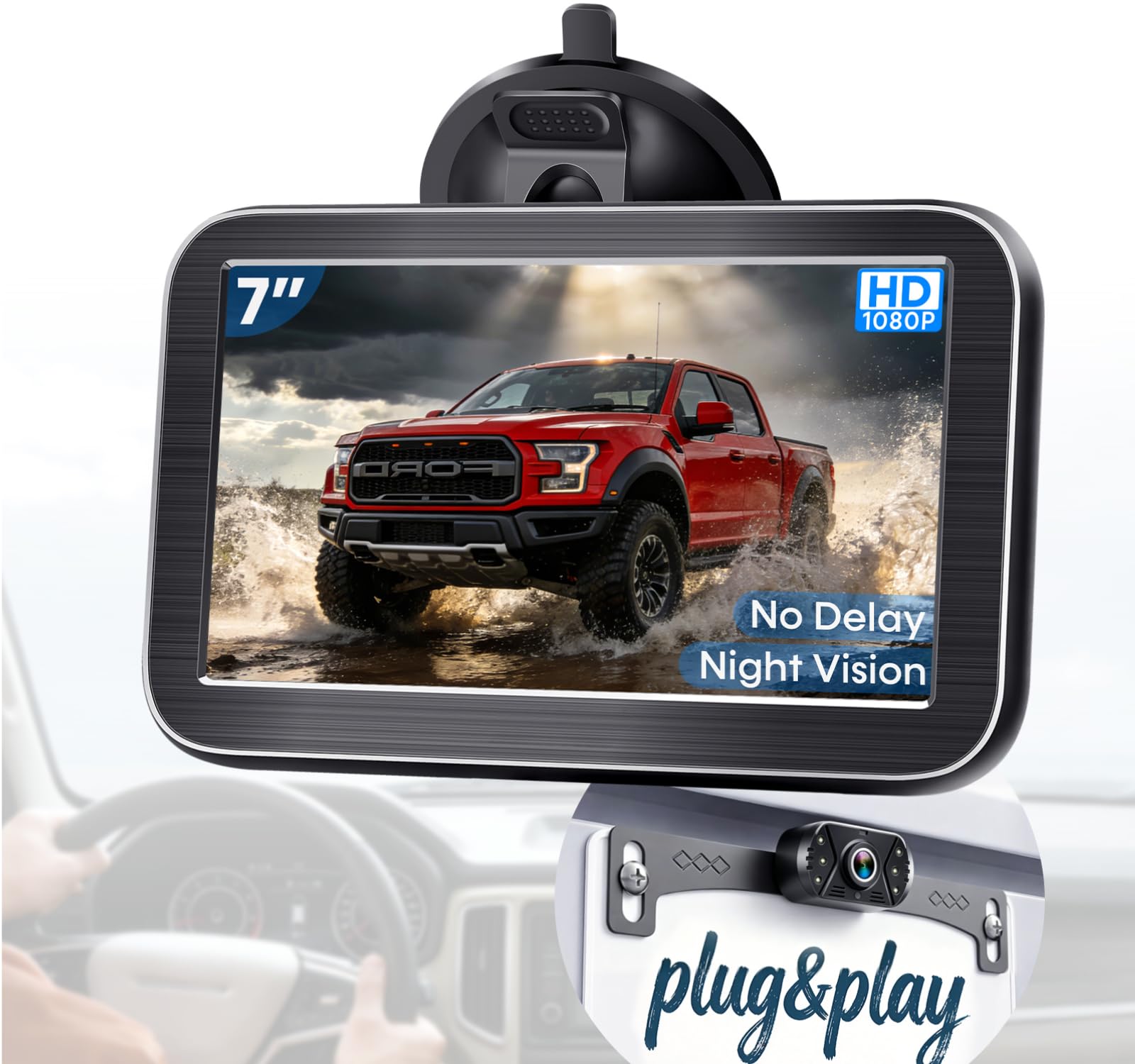
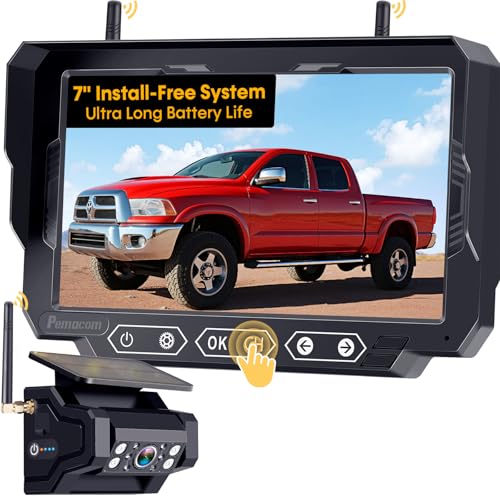
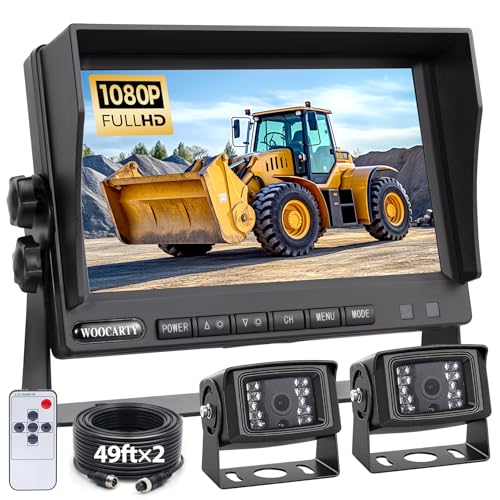
One point matters before any spec: a camera is a driving aid, never a replacement for your eyes. Always look over your shoulder, check your mirrors, and walk behind the truck when people or pets are nearby. The product table lines up the main types side by side, so you can match a system to your truck and your budget.





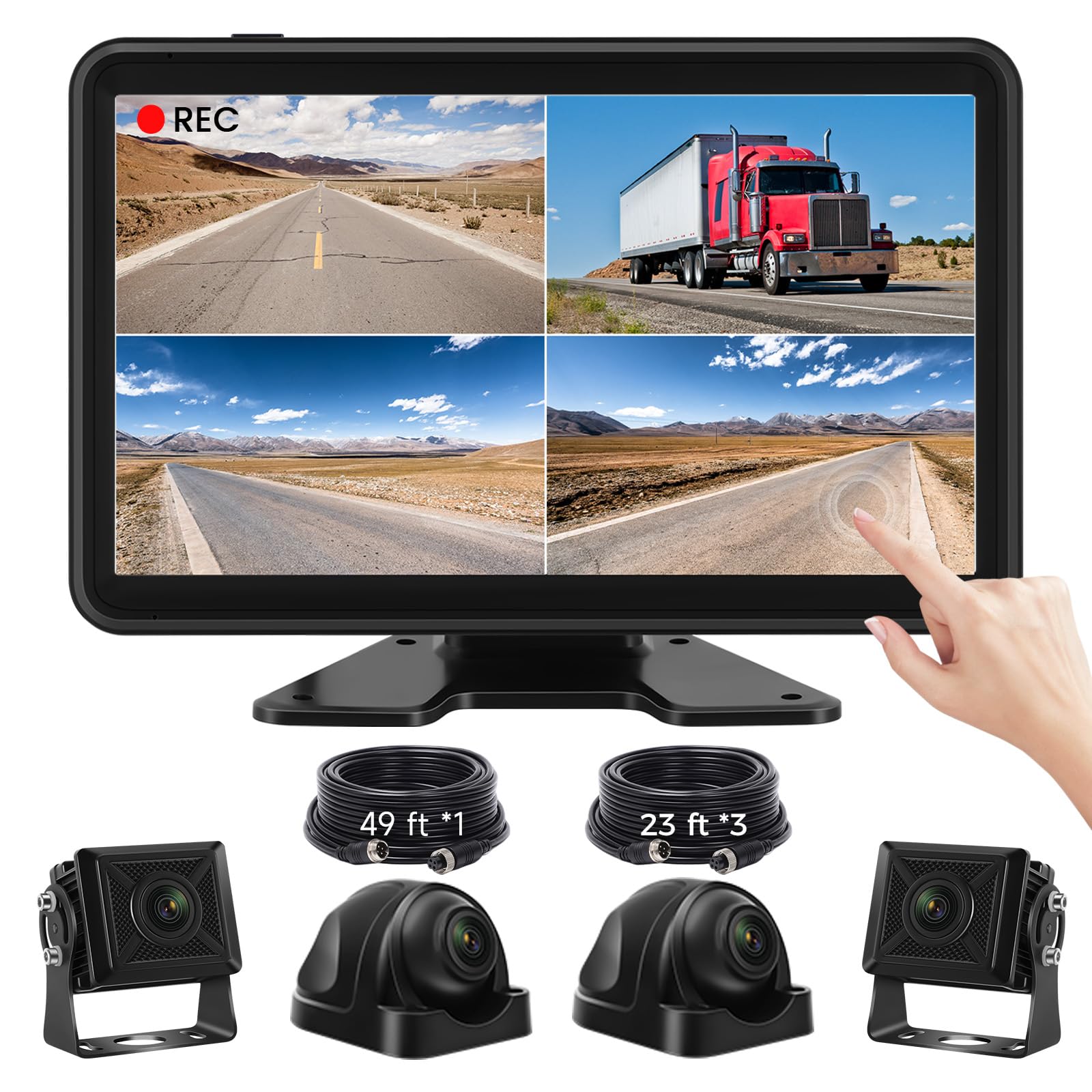

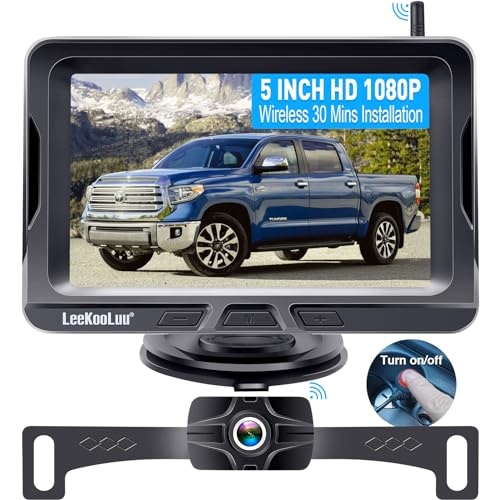
What Your Money Gets You at Each Price Tier
Most price jumps in this category buy image quality, connection reliability, and screen size rather than extra gadgets. A wired kit costs less and never drops its signal, while wireless kits trade a little stability for a far easier install on a long truck. Here is what each level typically includes.
Budget Tier: About $50 to $120
Expect a single wired camera that mounts at the license plate or tailgate handle, a small monitor around 4.3 to 5 inches, and standard definition or 720p video. Night vision comes from a ring of small infrared lights with modest range. This tier suits older trucks with no screen at all and drivers who mainly want a hitch view for lining up a trailer alone. Wiring takes patience on a long bed truck, since the cable must run the full length of the frame.
Midrange Tier: About $120 to $250
Stepping up buys 1080p resolution, wider viewing angles around 150 to 170 degrees, and better low light sensors that show a usable picture before dawn. Many kits at this level go wireless, which matters on crew cab trucks where running a cable is a half day job; our roundup of the best wireless backup cameras for trucks focuses on that option. Screens grow to about 7 inches, and some systems add a second camera input for a trailer or cargo camera.
Premium Tier: About $250 to $450
Premium systems add sharper sensors, larger 9 to 10 inch displays or smart rear view mirrors, and support for two to four cameras. That coverage helps when you tow, since you can watch the hitch, the trailer sides, and the area behind the trailer in one place. Recording features that save footage while you drive appear here too. If your truck already has a factory screen, a premium add on module that feeds the original display keeps the dash looking stock.
Features Worth Paying For (and Ones to Skip)
Features That Matter for Pickup Trucks
A pickup is not a small car, and three needs stand out, starting with a camera that shows the hitch ball clearly, so look for a mounting angle that tilts down enough to frame the bumper step and hitch. Second, the image must stay steady while backing around a job site or boat ramp. Third, the lens should sit where the tailgate can still drop fully without crushing the housing. Systems designed as the best backup cameras for trucks generally account for these truck specific points, while generic car kits often do not.
Image Quality and Night Vision
Resolution is only part of picture quality. A 1080p sensor with a wide dynamic range handles the harsh contrast between bright sky and a shadowed loading dock far better than a cheap 4K badge on a tiny sensor. For night use, look for infrared lights plus a sensor rated down to about 0.1 lux, which shows curbs and trailer tongues in near darkness. Parking guide lines that turn with your steering wheel help, but fixed lines are fine once you learn your truck's swing.
Screen and Connection Options
You can view the feed on a dash monitor, a clip on mirror display, or your truck's built in screen with the right adapter. Mirror displays keep the dash clean and sit at natural eye level, while a separate monitor usually gives a bigger, brighter picture. Wireless links save installation time on long trucks, though a wired connection never suffers interference from other electronics. Set the screen brightness and camera angle while parked, since you should never adjust settings while driving.
Weatherproofing and Durability
A truck camera lives in road spray, pressure washers, and winter salt, so choose a housing rated IP67 or higher that can handle direct water jets and brief submersion. Metal housings survive tailgate slams and flying gravel better than thin plastic. Operating range matters in cold states: look for ratings down to about minus 20 degrees Fahrenheit so the picture stays clear on January mornings. A short pigtail cable with a sealed connector makes replacement easier if a lens ever fails.
Long Term Costs to Factor In
The kit price is not the whole bill. Professional installation runs about $100 to $250 if you do not want to route cables yourself, and long bed or lifted trucks sometimes need an extension harness for about $20 to $40. Replacement cameras for modular systems cost about $40 to $90, much less than a full new kit. Factor in a few minutes of lens cleaning each month, since a mud filmed lens quietly erases the safety benefit you paid for. Drivers comparing vehicle wide options can also check the best vehicle backup cameras for systems that fit several vehicle types.
FAQs
What features matter most in backup cameras for pickup trucks?
A clear hitch view, a wide angle lens around 150 to 170 degrees, and a weather sealed housing matter most. Trucks sit high and stretch long, so the camera must show both the bumper corners and the ground right behind the tailgate. Strong night performance helps at ramps and job sites before sunrise. Prioritize those basics over recording extras or oversized screens, which add cost without improving the view you rely on every day.
How much should I spend on my first backup camera for a pickup truck?
About $120 to $250 buys a first system that most truck owners keep for years. That range covers 1080p video, a 7 inch screen, and either a tidy wireless install or a very solid wired one. Cheaper kits work, but their dim night picture often pushes owners to upgrade within a season. Spending into the premium range only makes sense if you tow often or want several camera angles at once.
Which backup cameras work best in low light?
Cameras with larger sensors and infrared assistance work best once the sun drops. Look for a low light rating near 0.1 lux and at least six infrared lights around the lens. Your truck's reverse lights add helpful illumination, so keeping those bulbs fresh improves any camera. A model with wide dynamic range also keeps a bright ramp light from washing the rest of the scene into darkness.
Is a smartphone enough instead of a backup camera for a pickup truck?
No, a phone is not a good substitute. A backup camera turns on automatically with reverse gear and shows a fixed, wide view of the exact area your mirrors miss. A phone needs unlocking, holding, and aiming, which takes your hands and eyes away from driving at the worst moment. Some camera systems can send their picture to a phone app as a bonus, but the dedicated screen should stay your primary view, much like the setups in our guide to the best backup cameras for cars.
Are wireless backup cameras reliable on a long pickup truck?
Yes, modern digital wireless systems handle crew cab and long bed distances well, because the signal is digital rather than the fuzzy analog links of older kits. Keep the transmitter antenna mounted high and away from metal obstructions for the cleanest picture. Occasional brief interference can still happen near dense electronics, so check the feed at highway rest stops and around town before trusting it fully. For a deeper look at connection choices, see the best wireless backup cameras compared by signal type.
Where should a backup camera be mounted on a pickup truck?
The tailgate handle and the top edge of the license plate are the two best spots. Both center the view, sit high enough to see over the bumper step, and keep the hitch in frame when the camera tilts down slightly. Avoid mounting low on the bumper itself, where road grime coats the lens in days and the angle misses close ground. Whichever spot you pick, confirm the tailgate opens fully without pinching the cable.
Wrapping Up
Match the tier to your truck life: a budget wired kit for a work truck, a midrange wireless system for most owners, and a multi camera premium setup for regular towing. The product table shows the options at a glance. Choose the best backup cameras for pickup trucks that give you a clear hitch view and an honest night picture, and keep using your mirrors and your own eyes on every reverse. Prices and availability can change, so check the product page before ordering.